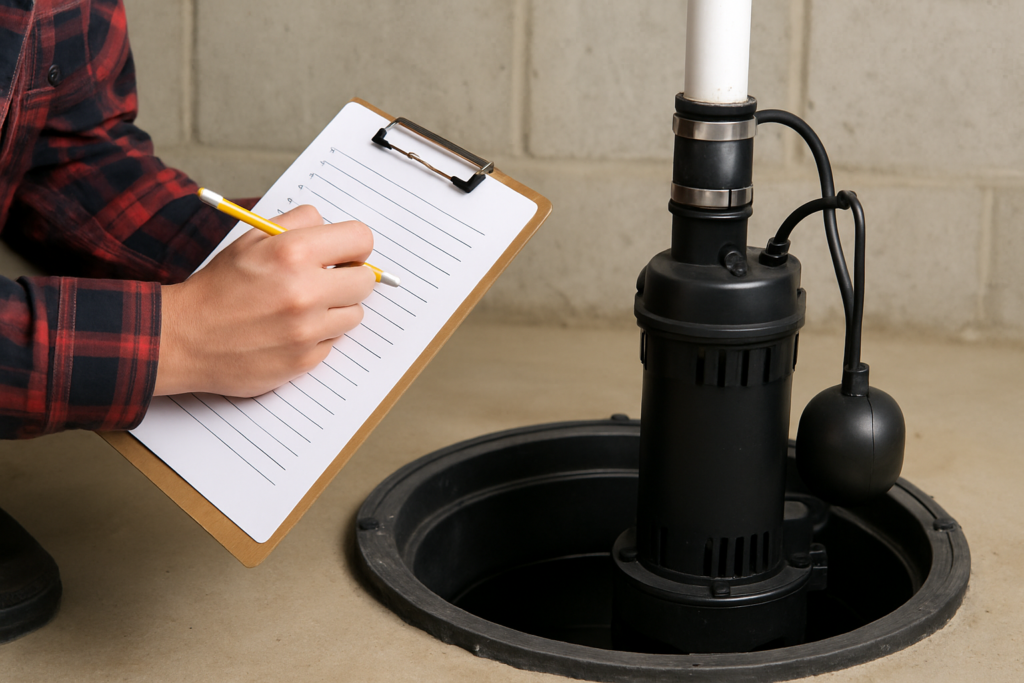
A functioning sump pump is the only thing standing between your basement and a soggy disaster. Most homeowners ignore their sump pump until it fails, usually during the worst possible moment like a heavy rainstorm or spring thaw. Regular maintenance takes less than an hour each season and can save you thousands in water damage repairs.
This seasonal checklist will help you keep your sump pump running when you need it most. We’ll cover what to check each season, common problems to watch for, and the tools you’ll need to maintain your system properly.
Spring Maintenance: Peak Performance Time
Spring is your sump pump’s busiest season. Melting snow and spring rains put your system to the test, so you need to make sure everything works before the water starts flowing.
Start by removing the pump from the pit and cleaning out any debris. You’d be surprised what accumulates down there over winter. Gravel, dirt, and small rocks can jam the float switch or damage the impeller. Use a wet/dry vacuum to clean the pit thoroughly, then wipe down the pump itself with a damp cloth.
Test the float switch by slowly pouring water into the pit. The pump should activate automatically when the water reaches the trigger level. Listen for any unusual grinding or rattling sounds that might indicate bearing wear or debris in the impeller housing.

Battery Backup Sump Pump
A backup system ensures your basement stays dry even during power outages when you need protection most
Check the discharge line outside your home. Winter freezing can crack PVC pipes or create ice blockages that won’t thaw until late spring. Make sure water flows freely and the discharge point directs water at least 10 feet away from your foundation. A flexible discharge hose can help direct water away during particularly wet periods.
Inspect the check valve on your discharge pipe. This one-way valve prevents water from flowing back into the pit after the pump shuts off. A faulty check valve makes your pump cycle constantly, wearing out the motor prematurely.
Summer Checks: Preparing for Storm Season
Summer brings thunderstorms and heavy downpours that can overwhelm drainage systems. Your mid-summer inspection focuses on capacity and electrical reliability.
Test your pump’s cycling frequency during a heavy rain. It should run intermittently, not continuously. Constant running means either your pump is undersized for your water volume or you have a check valve problem. Most residential sump pumps handle 2,000 to 3,000 gallons per hour, but that’s at zero vertical lift. Factor in your discharge height when calculating actual capacity.
Clean the pump screen or inlet opening. Summer dust and humidity can create a grimy buildup that restricts water flow. Use an old toothbrush to scrub the intake areas while the pump is unplugged.
Verify your GFCI outlet works properly. Press the test button to trip it, then reset it. A malfunctioning GFCI can shut off your pump without warning. Consider installing a sump pump alarm that alerts you when water levels get too high or the pump fails.

Sump Pump Alarm with Battery Backup
Get loud alerts before your basement floods so you can address problems before water damage occurs
Examine the power cord for any damage, especially where it enters the pump housing. Rodents sometimes chew on cords in basements, creating serious electrical hazards. Replace any damaged cords immediately rather than trying to tape them up.
Fall Preparation: Getting Ready for Winter
Fall maintenance prepares your sump pump for the freeze-thaw cycles ahead. This is also when you’ll catch any problems that developed during the heavy use summer months.
Pour a bucket of water into the pit to test the complete cycle. Watch the float switch rise and trigger the pump, then confirm water discharges properly outside. Time how long it takes to pump out five gallons of water. Compare this to your spring test. Significantly slower pumping indicates impeller wear or developing clogs.
Lubricate the pump according to the manufacturer’s instructions. Some models require annual oiling, while others use sealed bearings that never need maintenance. Check your owner’s manual before adding any lubricants.
Inspect the vent hole in the discharge pipe. This small hole between the pump and check valve prevents airlocks that can stop your pump from priming. Make sure it’s clear and positioned correctly. If you see water spraying from this hole when the pump runs, that’s normal.
Test your battery backup system if you have one. Battery backups lose capacity over time, and you don’t want to discover a dead battery during a power outage. Replace backup batteries every three to five years depending on the manufacturer’s recommendations. A quality deep cycle marine battery provides the best performance for backup systems.
Winter Monitoring: Staying Vigilant
Winter presents unique challenges for sump pumps. Frozen discharge lines and power outages during ice storms can leave your basement vulnerable.
Check your discharge line weekly during freezing weather. Ice buildup at the outlet can block flow and cause pump failure. Extended discharge lines that run across your lawn are particularly vulnerable. You might need to temporarily shorten your discharge or add an insulated discharge line cover to prevent freezing.
Listen for your pump running during winter thaws. Rapid temperature changes can dump large amounts of water into your drainage system quickly. Your pump should handle these events without problems if you’ve maintained it properly throughout the year.
Keep the area around your sump pit clear of storage items. You need easy access for emergency repairs, and blocking airflow around the pit can increase humidity and promote mold growth. Maintain at least two feet of clearance on all sides.
Monitor your basement humidity levels. Excessive moisture might indicate your sump pump is running more frequently than normal, which could signal a drainage problem or failing pump seals. A simple humidity meter helps you track conditions.
Essential Tools and Supplies for Maintenance
Having the right tools makes sump pump maintenance much easier. You don’t need a huge collection, just a few basics that you’ll use season after season.
Keep a five-gallon bucket dedicated to sump pump testing. Mark the inside at one-gallon intervals so you can measure pumping performance over time. Add a stopwatch or use your phone’s timer to track pumping speed.
A wet/dry shop vacuum is essential for cleaning the pit. Regular household vacuums can’t handle the wet debris you’ll encounter. A quality shop vacuum serves double duty for basement cleanup and routine maintenance.

Sump Pump Maintenance Kit
Pre-assembled kits include brushes, lubricants, and testing supplies to simplify your seasonal maintenance routine
Stock a few basic plumbing supplies. PVC cement, spare check valves, and hose clamps let you make quick repairs without emergency trips to the hardware store. Keep these items in a labeled container near your sump pump for easy access.
Consider investing in a multimeter to test electrical connections. Voltage drops and poor ground connections cause intermittent pump failures that are hard to diagnose without proper testing equipment. You don’t need an expensive model, just something that reads AC voltage and continuity.
When to Replace Instead of Repair
Sump pumps don’t last forever. Most residential models need replacement after seven to ten years of regular use. Knowing when to replace your pump saves you from unexpected flooding.
Frequent cycling is a major red flag. Pumps that turn on every few minutes are wearing out their motors rapidly. This can indicate a failing check valve, but it often means the pump itself is losing capacity. Calculate your pump’s age and compare repair costs to replacement before investing in major repairs.
Rust and corrosion on the pump housing or motor suggest the unit is near the end of its lifespan. Surface rust on exposed metal parts is normal, but flaking rust or visible corrosion on electrical components means replacement time has arrived.
Strange noises during operation usually indicate bearing failure or impeller damage. Grinding, screeching, or rattling sounds that persist after cleaning mean internal components are wearing out. Replacement is usually more cost-effective than rebuilding older pumps.
Visible vibration or movement when the pump runs suggests motor mount problems or impeller imbalance. These issues get progressively worse and can cause catastrophic failure during heavy use. Don’t wait for complete failure when you notice excessive vibration.
Common Questions About Sump Pump Maintenance
How often should I actually test my sump pump?
Test your sump pump at the start of each season, minimum four times per year. During high-risk periods like spring thaw or hurricane season, test it monthly. Pour a bucket of water into the pit and verify the float switch activates the pump and water discharges properly. These quick tests take less than five minutes and can prevent disaster.
Can I use my sump pump less often to make it last longer?
No, you can’t and shouldn’t try to reduce sump pump use. The pump runs based on groundwater levels around your foundation, which you can’t control. Attempting to raise the float switch to reduce cycling actually increases flooding risk and doesn’t significantly extend pump life. Regular use with proper maintenance provides the longest service life.
What’s that sulfur smell coming from my sump pit?
Sulfur or rotten egg odors come from bacteria in standing water at the bottom of your sump pit. The bacteria produce hydrogen sulfide gas, which smells terrible but isn’t usually dangerous in small amounts. Clean your pit thoroughly, then add a cup of bleach diluted in a gallon of water to kill the bacteria. Repeat this treatment every few months if the smell returns.
Do I really need a battery backup system?
Battery backup systems are critical if you live in areas with frequent power outages or severe weather. Sump pumps typically fail when you need them most, during storms that knock out electricity. A backup system activates automatically when the primary pump loses power or fails mechanically. They add significant protection for relatively modest investment compared to water damage restoration costs.
This article contains affiliate links. We may earn a small commission at no extra cost to you.