Your water bill keeps climbing, and you’ve heard that low-flow fixtures can slash your usage. But do they actually work, or will you end up with a toilet that needs multiple flushes and a faucet that dribbles like a leaky hose? More importantly, will the savings justify the cost of upgrading?
Let’s break down the real numbers, compare actual performance, and figure out whether swapping your old fixtures makes financial sense for your home.
How Much Water Do Low-Flow Fixtures Actually Save?
Older toilets installed before 1994 can use anywhere from 3.5 to 7 gallons per flush. Low-flow toilets, which became the federal standard in 1994, use a maximum of 1.6 gallons per flush. High-efficiency models (HETs) take it even further, using just 1.28 gallons or less.
For a family of four, that translates to saving roughly 16,000 gallons per year by switching from a 3.5-gallon toilet to a 1.28-gallon model. In areas where water costs competitively priced5 per gallon (typical for many U.S. cities), that’s competitively priced annually per toilet. Add in sewage charges, which are often calculated based on water usage, and the savings increase to competitively priced-150 per year.
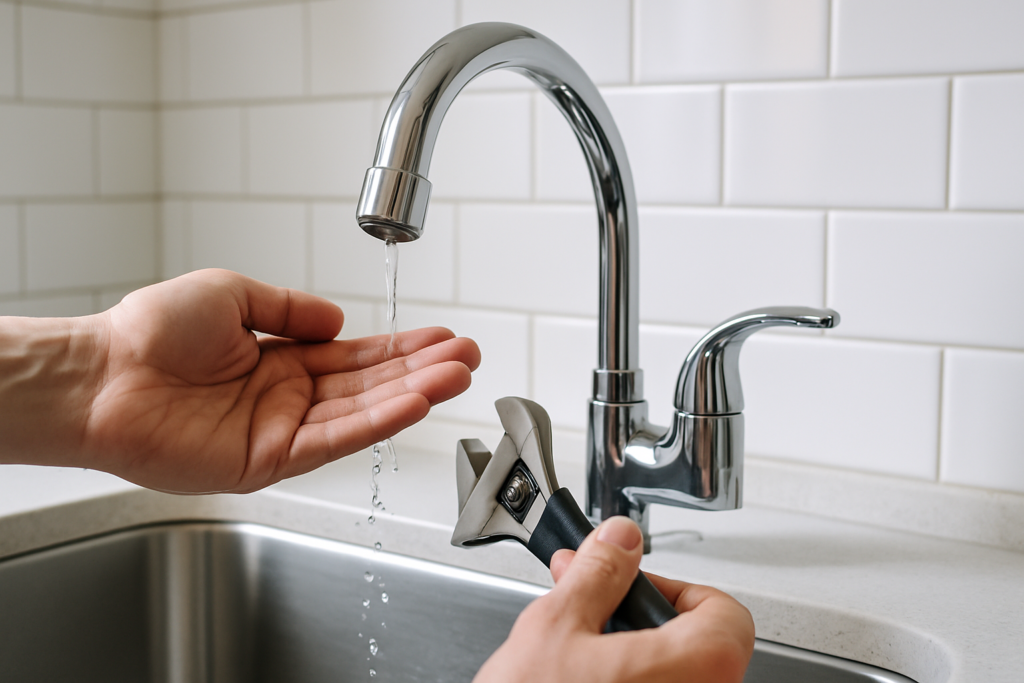
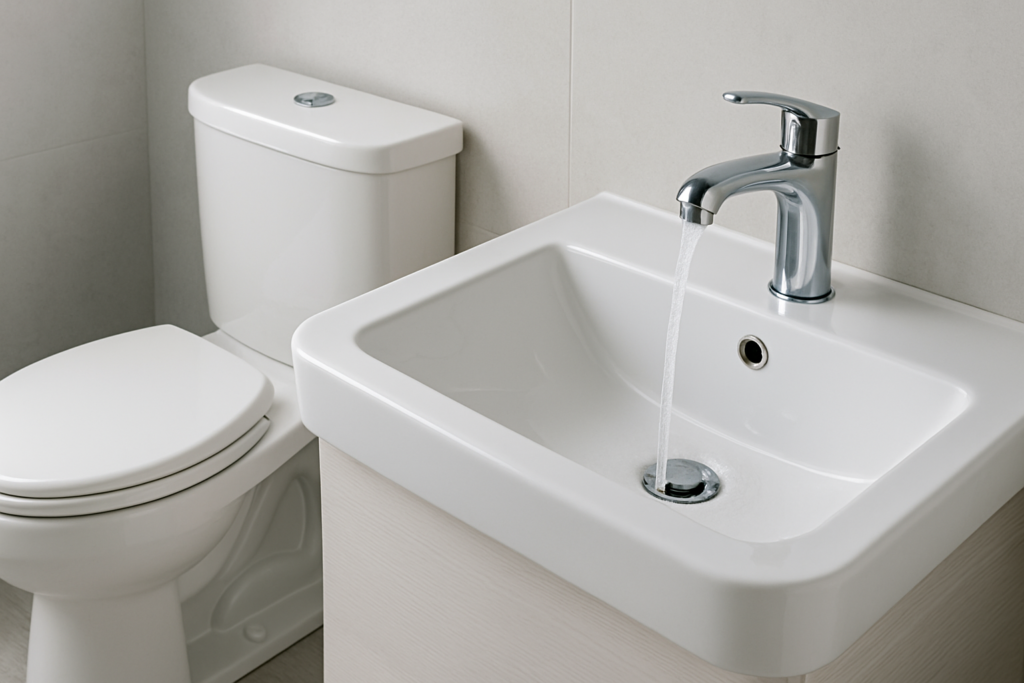
Faucets tell a similar story. Traditional faucets flow at 2.2 gallons per minute (GPM), while low-flow aerators reduce that to 1.5 GPM or even 1.0 GPM. For bathroom sinks where you run water for hand-washing, teeth-brushing, and face-washing, you’re looking at savings of roughly 700 gallons per person annually.
Performance Differences: Will You Notice a Downgrade?
This is where older low-flow fixtures earned their bad reputation. Early models from the mid-1990s often required multiple flushes, defeating the entire purpose of water conservation.
Modern low-flow toilets have solved most of these issues through better engineering. Pressure-assisted models use compressed air to boost flushing power, while gravity-fed designs now feature larger trapways and optimized bowl designs. Brands like Toto, Kohler, and American Standard have models that consistently pass the Maximum Performance (MaP) testing protocol, which measures whether a toilet can reliably flush 350 grams of waste in a single flush.
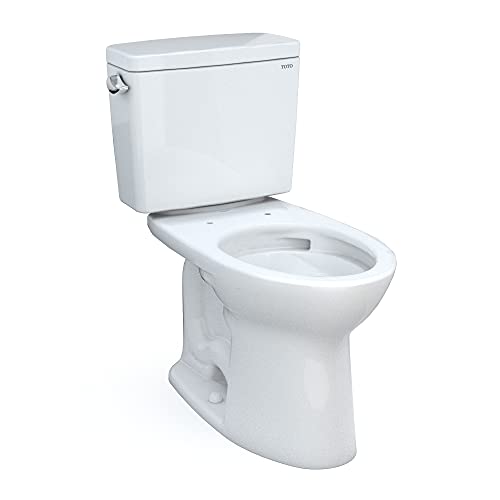
Toto Drake Low-Flow Toilet
One of the highest-rated low-flow toilets with powerful gravity-fed flushing and WaterSense certification
For faucets, you honestly won’t notice much difference between 2.2 GPM and 1.5 GPM during regular use. Low-flow aerators mix air into the stream, maintaining pressure while reducing volume. You’ll still rinse dishes and wash hands just as effectively. Drop below 1.0 GPM, though, and tasks like filling a coffee pot take noticeably longer.
Kitchen faucets are different than bathroom sinks. You’ll want at least 1.5 GPM for practical dishwashing and pot-filling. Many quality low-flow kitchen faucet aerators let you toggle between low-flow and standard flow as needed.
Calculating Your Payback Period
A quality low-flow toilet typically costs between budget models and premium options, depending on features and brand. Installation runs another competitively priced-300 if you hire a plumber, though replacing a toilet is a manageable DIY project if you’re handy.
Using our earlier savings estimate of competitively priced-150 per year, you’re looking at a payback period of roughly 3-5 years for a mid-range toilet. After that, it’s pure savings for the 15-20 year lifespan of the fixture.
Faucet aerators offer much faster returns. They’re inexpensive and you can install them yourself in about 30 seconds by screwing them onto your existing faucet. With water savings of 25-35% on every faucet use, payback happens in just a few months.

Niagara Conservation Low-Flow Faucet Aerator
These budget-friendly aerators install in seconds and deliver immediate water savings without sacrificing pressure
One factor that dramatically affects payback time is your local water rates. Residents in cities with expensive water and sewer services (like parts of California, Arizona, or the Northeast) will recoup their investment much faster than those in areas with cheap municipal water.
Additional Benefits Beyond the Water Bill
Energy savings often get overlooked in these calculations. Every gallon of hot water you save is also a gallon you didn’t heat. Depending on your water heater type and local energy costs, heating water represents 15-25% of your home energy budget.
Low-flow fixtures in bathrooms particularly impact this since most bathroom faucet use involves hot water. Reducing flow from 2.2 GPM to 1.5 GPM means your water heater runs less frequently, extending its lifespan and cutting your gas or electric bill.
Environmental impact matters too, even if it doesn’t show up on your utility statement. Municipal water treatment requires significant energy, and reducing demand helps your community’s infrastructure. In drought-prone regions, water conservation isn’t just about personal savings but responsible resource management.
What About Showerheads?
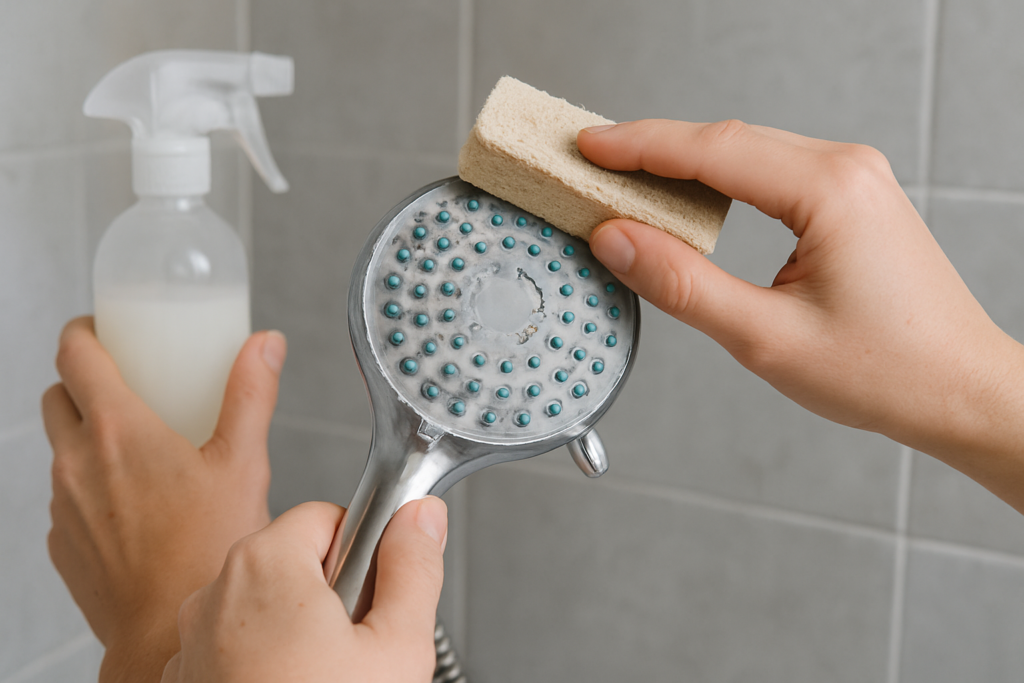
While we’re focused on toilets and faucets, showerheads deserve a quick mention since they’re part of the same conversation. Older showerheads use 2.5 GPM or more, while low-flow models operate at 2.0 GPM or less.
A 10-minute shower with a 2.5 GPM showerhead uses 25 gallons. Drop to 1.75 GPM and you’re at 17.5 gallons. For daily showers, that adds up quickly. Modern low-flow showerheads use similar air-mixing technology to maintain pressure and comfort.

High Sierra Low-Flow Showerhead
This model uses just 1.5 GPM while maintaining excellent pressure through clever nozzle design
Making the Switch: Where to Start
Start with the easiest upgrades first. Faucet aerators give you immediate returns with minimal investment and zero installation complexity. You can upgrade every faucet in your house in under an hour.
Next, tackle the toilet in your most-used bathroom. This gives you the best return since it gets the most flushes per day. Once you’ve lived with a quality low-flow toilet and confirmed it works well, you can replace others as budget allows or when existing toilets need repair.
Don’t bother replacing fixtures that are already relatively efficient. A toilet from 2005 that uses 1.6 gallons per flush doesn’t need immediate replacement unless it’s malfunctioning. Focus on pre-1994 fixtures first.
Frequently Asked Questions
Do low-flow toilets clog more often than regular toilets?
Modern low-flow toilets actually clog less frequently than older models when properly designed. The key is choosing a toilet with a MaP score of at least 500 grams. Poor-quality low-flow models can have issues, but reputable brands have refined their designs to the point where clogging is no more common than with older high-volume toilets. The early low-flow toilets from the 1990s gave the technology a bad name, but current models perform better.
Will low-flow faucets make washing dishes take longer?
For washing dishes by hand, you’ll barely notice the difference between 2.2 GPM and 1.5 GPM since you’re mostly using the water for rinsing. Filling the sink or large pots does take slightly longer, which is why many people prefer kitchen faucets with a toggle feature that lets you switch between low-flow and standard flow as needed. For bathroom sinks, where you’re mainly washing hands and brushing teeth, lower flow rates work perfectly fine.
How long do low-flow fixtures typically last?
Quality low-flow toilets last 15-25 years with minimal maintenance, similar to traditional toilets. The main components that might need replacement are flappers and fill valves, which are inexpensive and easy to swap out. Low-flow faucet aerators can last indefinitely, though mineral buildup may require occasional cleaning or replacement depending on your water hardness. The lifespan makes them a solid long-term investment since you’ll enjoy years of reduced water bills after the initial payback period.
This article contains affiliate links. We may earn a small commission at no extra cost to you.