There’s nothing quite like settling into bed after a long day, only to be jolted awake by a sudden bang from your plumbing. Or worse, enduring a high-pitched whistle every time someone flushes the toilet. Noisy water pipes aren’t just annoying. They can signal underlying issues that might lead to more serious plumbing problems down the road.
The good news is that most noisy pipe issues have fairly simple fixes you can tackle yourself. Whether you’re dealing with the notorious water hammer, whistling sounds, or random clanking, understanding what causes these noises is the first step toward a quieter home. Let’s break down the most common culprits and how to silence them for good.
Understanding Water Hammer: The Loudest Offender
Water hammer is by far the most common cause of dramatic banging sounds in your plumbing. This happens when fast-moving water in your pipes suddenly stops, creating a shockwave that reverberates through the system. Think of it like slamming on the brakes in your car. All that momentum has to go somewhere.
You’ll typically hear water hammer right after turning off a faucet quickly or when your washing machine or dishwasher valves shut automatically. The sound can be loud enough to make you think something broke. Over time, these repeated shockwaves can actually loosen pipe connections, damage fixtures, and even cause leaks.
The traditional fix involves installing water hammer arresters, which are small devices that absorb the shock using air-filled chambers. These screw onto the water supply lines near the problem fixtures. Most hardware stores carry water hammer arresters in various sizes.

Water Hammer Arrester Set
Essential for stopping those loud banging noises when valves close suddenly
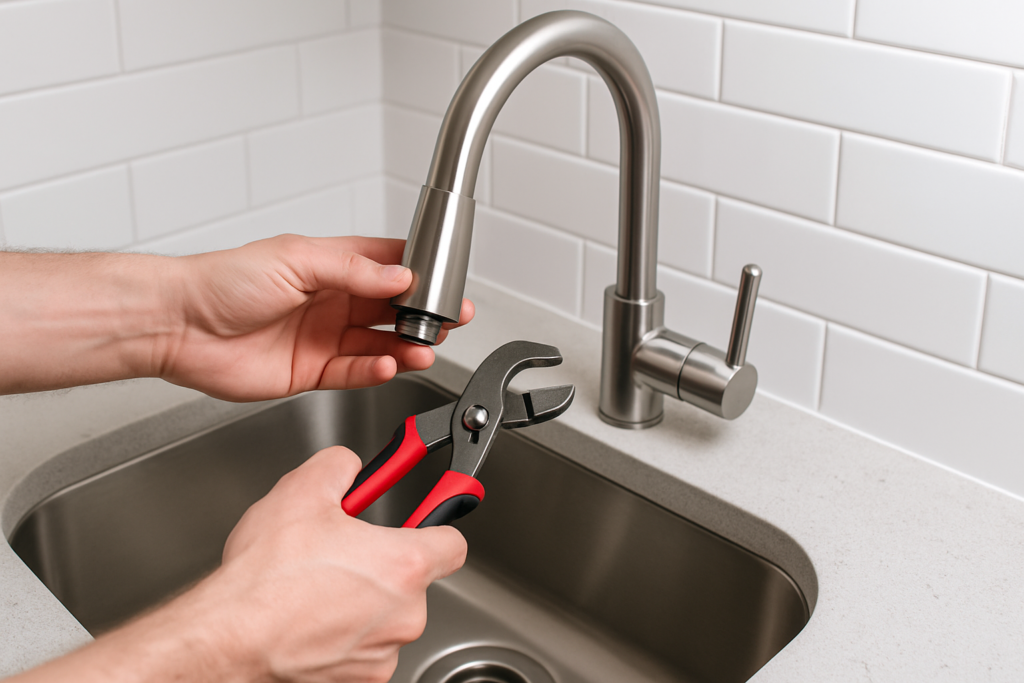
Installation is usually simple. Turn off your water supply, drain the affected line, unscrew the supply hose from the fixture, thread on the arrester, and reconnect everything. You’ll see results immediately. For washing machines, install arresters on both the hot and cold supply lines behind the unit.
High Water Pressure: The Hidden Problem
Sometimes the issue isn’t a specific fixture but your entire home’s water pressure. Municipal water systems often deliver water at 80 PSI or higher to ensure adequate pressure for homes at different elevations. But most residential plumbing systems are designed for 40-60 PSI.
Excessive pressure doesn’t just cause noise. It wastes water, puts stress on your fixtures and appliances, and can dramatically shorten the lifespan of your water heater. You can test your pressure with a simple water pressure gauge that attaches to any outdoor spigot.
If your pressure reads above 80 PSI, you need a pressure reducing valve (PRV). These install on your main water line where it enters your house. While PRV installation can be a DIY project if you’re handy with plumbing, many homeowners prefer hiring a plumber for this one since it involves the main line.
Loose Pipes: The Rattling Culprit
Not all noisy pipes involve water hammer. Sometimes you’ll hear rattling, vibrating, or tapping sounds when water runs through the system. This usually means pipes aren’t secured properly to the framing of your house.
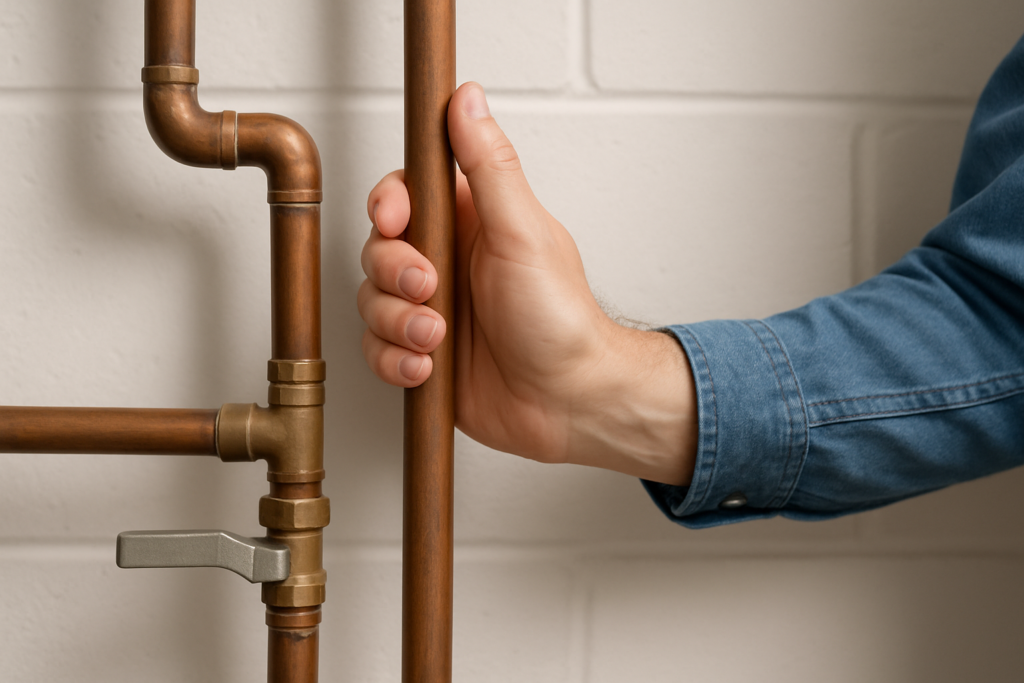
As water flows through pipes, it creates natural vibrations. When pipes aren’t anchored firmly, these vibrations cause them to knock against studs, joists, or other pipes. The solution is adding pipe straps or clips to hold them in place.
Check your basement or crawl space while someone runs water upstairs. Listen for the source of the noise and watch for visible movement. You’ll often find long runs of copper or PEX pipe that need support every few feet. Pipe straps and hangers come in sizes for every pipe diameter.

Pipe Cushion Clamps
Rubber-lined clamps prevent both movement and metal-on-metal noise
For pipes running through walls where access is limited, try adding foam pipe insulation. This creates a buffer between the pipe and framing, muffling sounds considerably. Split the foam lengthwise, wrap it around the pipe, and tape it closed.
Whistling and Squealing: Valve and Fixture Issues
High-pitched whistling or squealing noises usually point to problems with fixture valves or washers. As these components wear out, water forced through restricted openings creates turbulence that produces whistling sounds.
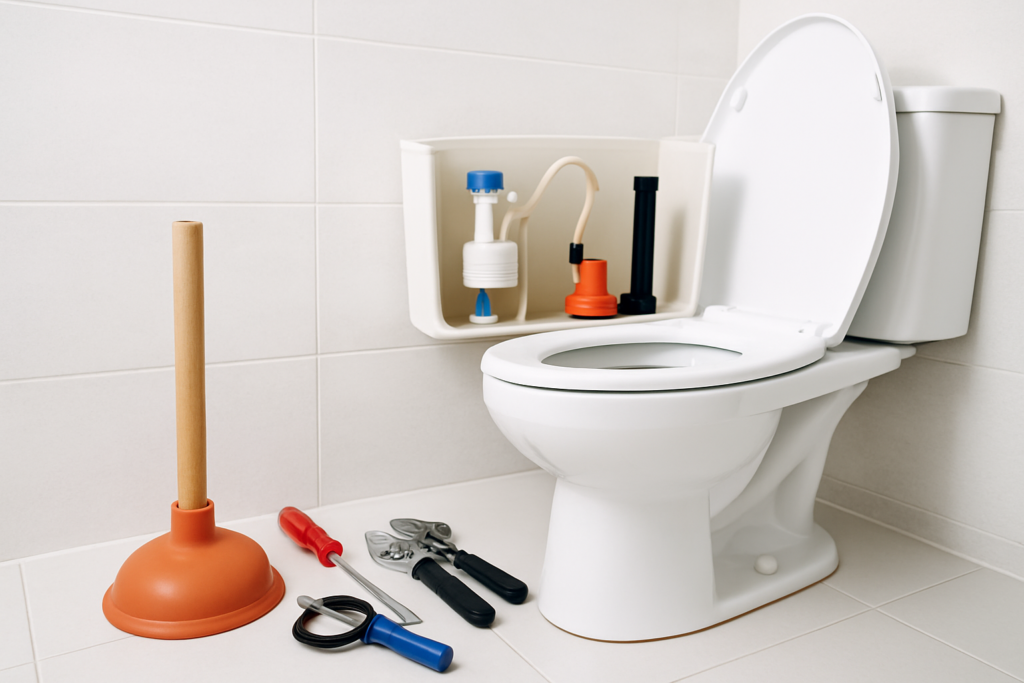
Start by identifying which fixture causes the noise. Run faucets and flush toilets one at a time. Once you’ve pinpointed the source, the fix often involves replacing worn washers, O-rings, or valve components. Toilet fill valves are common whistlers as they age.
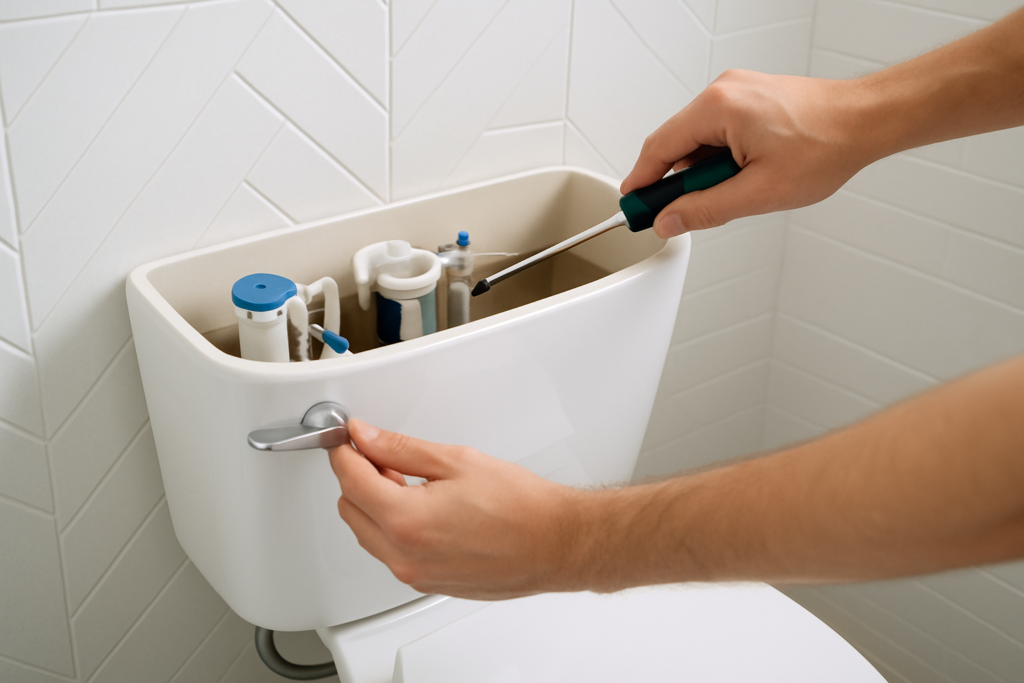
For toilet whistling, you can replace the entire fill valve assembly. Modern quiet-fill toilet valves are designed specifically to reduce noise. Replacement takes about 15 minutes and requires no special tools beyond an adjustable wrench.
For faucets, disassemble the valve and inspect the washer and valve seat. Look for grooves, cracks, or mineral buildup. Replace any worn components or the entire cartridge if needed. Keep the old parts with you when shopping to ensure you get exact replacements.
Air Chambers and Trapped Air
Older homes often have vertical air chambers built into the plumbing. These are simply short sections of capped pipe that trap air, providing a cushion similar to modern water hammer arresters. Over time, these chambers can fill with water, losing their effectiveness.
You can recharge air chambers by shutting off your main water supply, opening all faucets to drain the system completely, then closing the faucets and turning the water back on. This refills the chambers with air. You’ll know they’re working when the banging stops.
Sometimes you’ll hear gurgling or bubbling sounds when turning on faucets. This indicates air trapped in the lines, which can happen after repairs or when the water supply is shut off and restored. Run your faucets at full pressure for a few minutes to purge the air.
When to Call a Professional
Most noisy pipe fixes are within reach of a moderately handy homeowner. But some situations require professional expertise. If you’ve tried the basic fixes and still hear banging, the problem might be more complex.
Call a plumber if you notice water stains, dampness, or visible leaks along with the noise. This could indicate that water hammer has already damaged connections. Also reach out to a pro if the main shut-off valve or pressure reducing valve needs replacement, as these involve your main water line.
Homes with complex manifold systems or older galvanized steel pipes might need professional assessment. Galvanized pipes can develop internal rust buildup that restricts flow and creates noise. This requires partial or complete repiping, which definitely falls in the professional category.
Prevention: Keeping Your Pipes Quiet Long-Term
Once you’ve silenced noisy pipes, a few habits will help keep them quiet. Avoid slamming faucet handles closed. Train family members to turn off faucets gradually rather than quickly. This simple change reduces water hammer incidents significantly.
Check your water pressure annually with a gauge. Pressure can creep up over time, especially if your municipal supplier increases system pressure. Catching this early prevents damage and noise before they start.
Inspect exposed pipes in basements and crawl spaces periodically. Look for loose straps, missing hangers, or pipes that have shifted. Addressing these issues early takes five minutes but prevents months of annoying sounds.
If you’re renovating or adding new plumbing, install water hammer arresters proactively near washing machines, dishwashers, and other fixtures with automatic valves. Prevention is always easier than troubleshooting problems later.
Frequently Asked Questions
Why do my pipes only bang in the morning or after periods of non-use?
This typically happens because air chambers have filled with water overnight, or temperature changes have caused pipes to expand and contract against their hangers. The first water use of the day forces this water through, creating noise. Try draining and recharging your system’s air chambers as described earlier.
Can water hammer damage my plumbing?
Yes, repeated water hammer can loosen connections, damage appliance valves, and even cause pipe joints to crack over time. Those shockwaves hit with considerable force. While a single occurrence won’t destroy your plumbing, chronic water hammer should be addressed before it leads to leaks or fixture failure.
Will insulating my pipes reduce noise?
Pipe insulation helps with rattling and vibration noises by creating a buffer between pipes and framing. However, it won’t fix water hammer or whistling, which are caused by water flow issues rather than pipe movement. Insulation is a good supplementary fix but not a complete solution for all noise types.
My pipes make noise when the heating system runs. Is this related?
Not usually. Heating pipes expand as they warm up and can creak or tick as they rub against hangers and supports. This is normal for hot water or steam heating systems. You can reduce it by ensuring pipes have room to expand and adding padding at support points. This differs from water supply pipe noise, which relates to pressure and flow.
This article contains affiliate links. We may earn a small commission at no extra cost to you.