Weak water flow from your faucets or showerhead can turn simple daily tasks into frustrating ordeals. You’re not alone if you’ve found yourself waiting forever to fill a pot or standing under a pathetic trickle during your morning shower. The good news is that low water pressure often stems from simple issues you can fix yourself before spending money on a plumber.
Most water pressure problems occur right where water exits your plumbing system. Mineral deposits, debris, and aging components create bottlenecks that restrict flow. Before assuming you need expensive repairs or system upgrades, try these seven proven solutions that address the most common culprits.
Quick Fixes for Individual Fixtures
Start your troubleshooting by examining the fixtures with poor pressure. These components collect mineral buildup and debris over time, creating obvious starting points for your investigation.
Clean Clogged Aerators
Faucet aerators are prime suspects for reduced water flow. These small screens mix air with water but trap sediment and calcium deposits that block water passages.
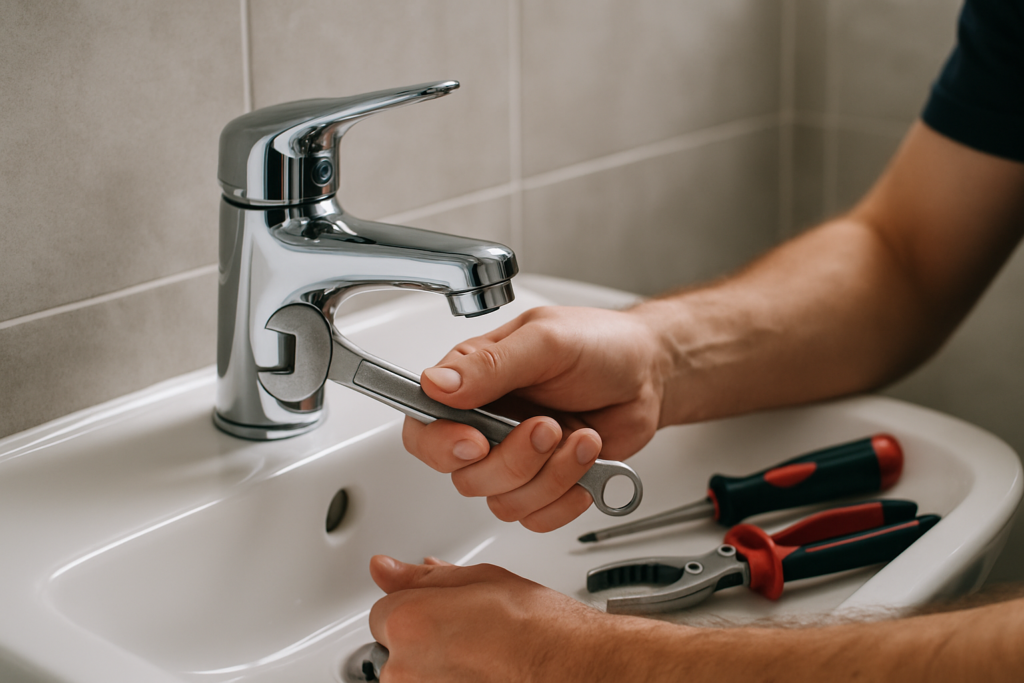
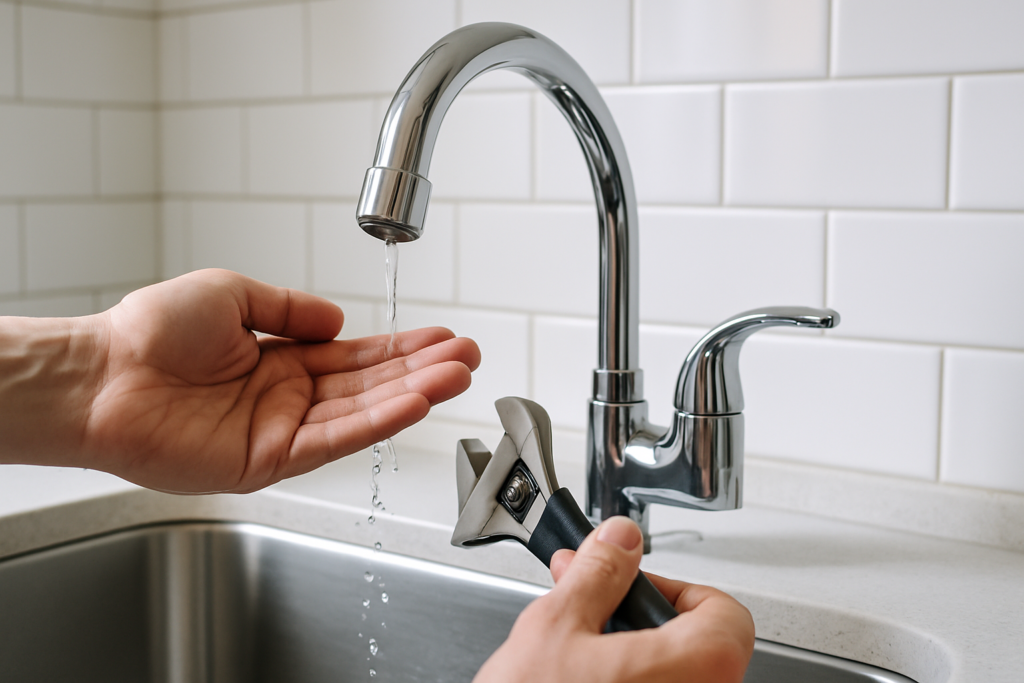
Unscrew the aerator from your faucet tip using pliers if hand removal doesn’t work. Soak it in white vinegar for several hours to dissolve mineral buildup. Use an old toothbrush to scrub away stubborn deposits, then rinse thoroughly before reinstalling.
Replace aerators that remain clogged after cleaning. Standard faucet aerators are inexpensive and available in different flow rates to suit your preferences.
Faucet Aerator Kit
A complete kit gives you multiple sizes and flow rates for different fixtures
Address Showerhead Buildup
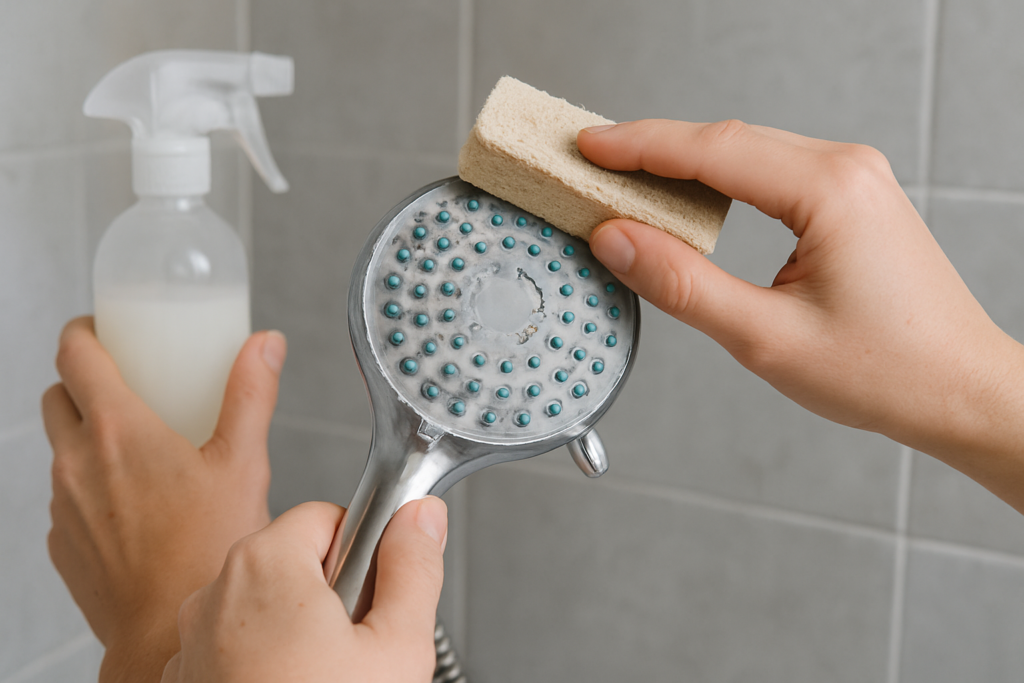
Showerheads suffer from the same mineral accumulation as faucet aerators. Remove the showerhead and submerge it in a vinegar solution overnight. For fixed showerheads, fill a plastic bag with vinegar, secure it around the head with a rubber band, and let it soak.
After soaking, use a thin wire or toothpick to clear individual spray holes. Calcium deposits often block these tiny openings completely.
Consider upgrading to a high-pressure showerhead designed to maximize flow even with moderate water pressure.
System-Wide Solutions
When multiple fixtures show low pressure, the problem likely exists in your plumbing system rather than individual components.
Check Your Main Water Shutoff Valve
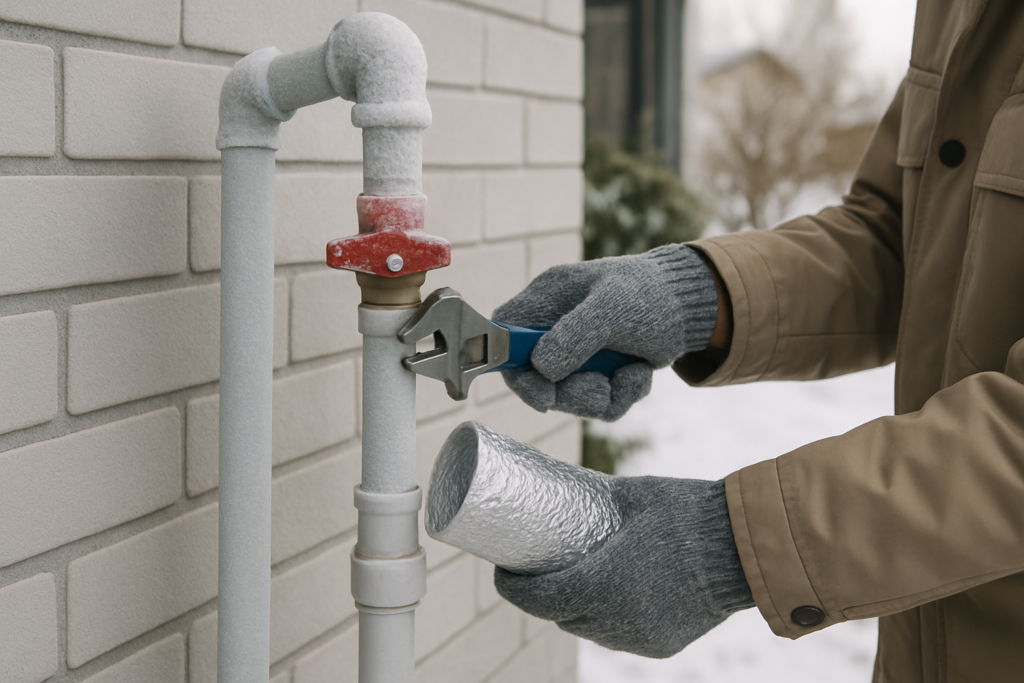
Locate your main water shutoff valve, typically found near where the water line enters your home. This valve should be fully open (turned counterclockwise). Partially closed main valves reduce pressure throughout your entire house.
Turn the valve counterclockwise until it stops to ensure complete opening. This simple adjustment often restores normal pressure immediately.
Inspect Individual Fixture Shutoff Valves
Each fixture has individual shutoff valves under sinks or behind toilets. These valves can work loose over time, restricting flow to specific areas. Check that all shutoff valves are fully open by turning them counterclockwise.
Test Your Pressure Regulator
Many homes have pressure regulators that prevent excessively high water pressure from damaging pipes and fixtures. When these devices malfunction, they can reduce pressure too much or fail completely.
The pressure regulator typically sits near your main shutoff valve and looks like a bell-shaped device. Professional replacement is usually necessary, but you can test whether it’s working by checking pressure at different fixtures throughout your home.
Water Pressure Gauge
Essential for diagnosing pressure problems and monitoring your system
Clear Pipe Blockages
Older galvanized pipes develop internal rust and mineral deposits that narrow the pipe diameter significantly. This problem requires professional assessment, but you can identify it by noting whether pressure issues affect hot water, cold water, or both.
Hot water problems often indicate issues with your water heater or the pipes connected to it. Cold water problems suggest main line issues.
Replace Aging Fixtures
Old faucets and showerheads may have internal component failure that cleaning can’t fix. Corroded valve seats, worn washers, and damaged internal screens reduce flow even when external components appear clean.
Modern fixtures often provide better flow rates and efficiency compared to older models. Low-flow fixtures from the 1990s, in particular, may benefit from replacement with current high-efficiency models that maintain pressure while conserving water.
When to Call a Professional
Some water pressure issues indicate serious problems requiring professional intervention. Contact a plumber immediately if you notice sudden pressure drops throughout your home, discolored water, unusual sounds in your pipes, or if these DIY solutions don’t improve your situation.
Main line breaks, failed pressure regulators, and pipe corrosion need professional diagnosis and repair. Additionally, if your home consistently has low pressure from the municipal supply, your water utility company should investigate the issue.
Frequently Asked Questions
Why does my water pressure seem lower during certain times of day?
Peak usage periods in your neighborhood can reduce overall water pressure, especially in the morning and evening when most people shower. This indicates high demand on your local water system rather than a problem with your home’s plumbing.
Can a clogged water heater affect my home’s water pressure?
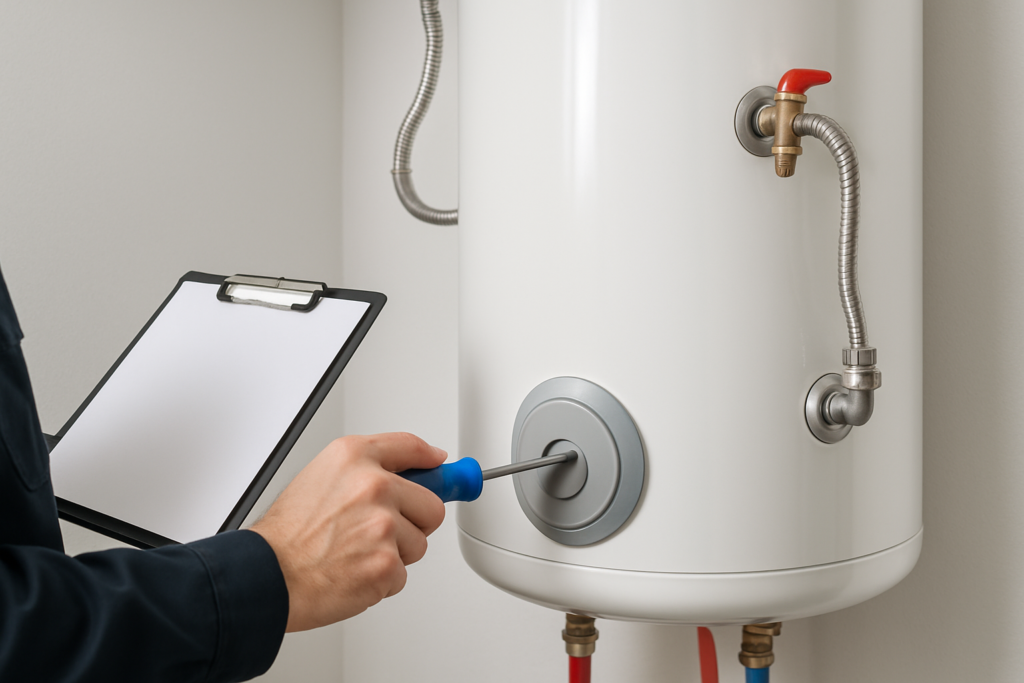
Yes, sediment buildup in your water heater can reduce hot water pressure specifically. This problem requires professional water heater maintenance or replacement, as DIY repairs on water heaters can be dangerous.
This article contains affiliate links. We may earn a small commission at no extra cost to you.