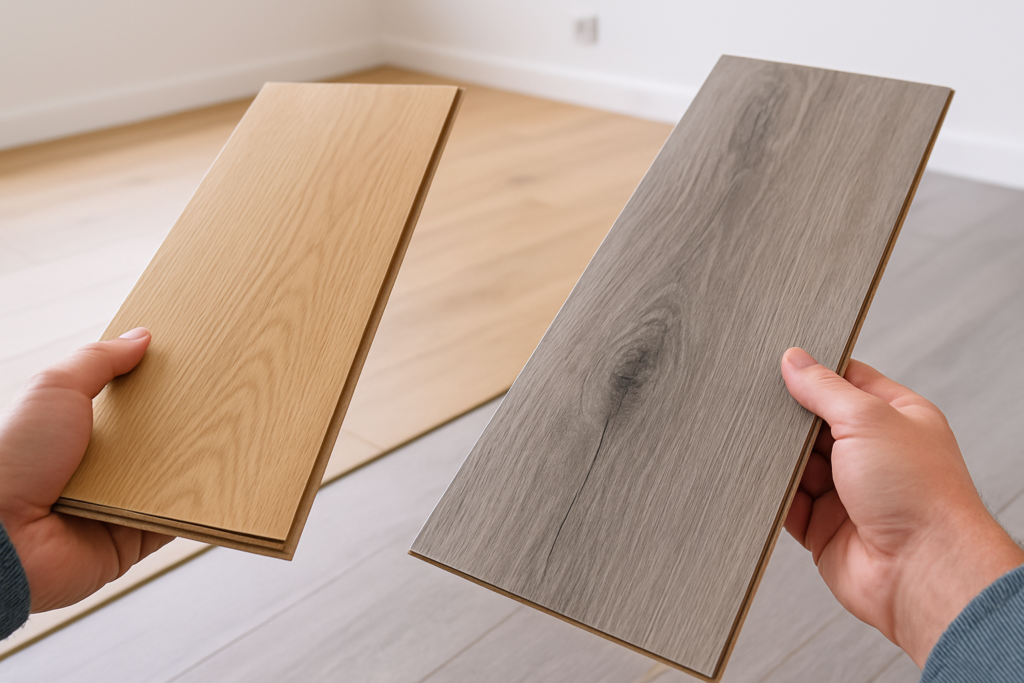
Your laminate floors looked stunning when first installed, but now they’re showing signs of wear, water damage, or stubborn stains that won’t budge. The culprit might not be age or heavy traffic – it could be how you’re caring for them.
Many homeowners unknowingly damage their laminate flooring with improper cleaning methods and products. The good news is that with the right approach, laminate floors can look great for decades. Here’s everything you need to know about caring for your laminate floors properly.
Essential Daily and Weekly Cleaning Practices
Daily maintenance is the foundation of laminate floor care. Start with regular sweeping or vacuuming to remove dirt, dust, and debris that can scratch the surface when walked on. Use a vacuum with a hard floor setting or a soft brush attachment to avoid damaging the planks.
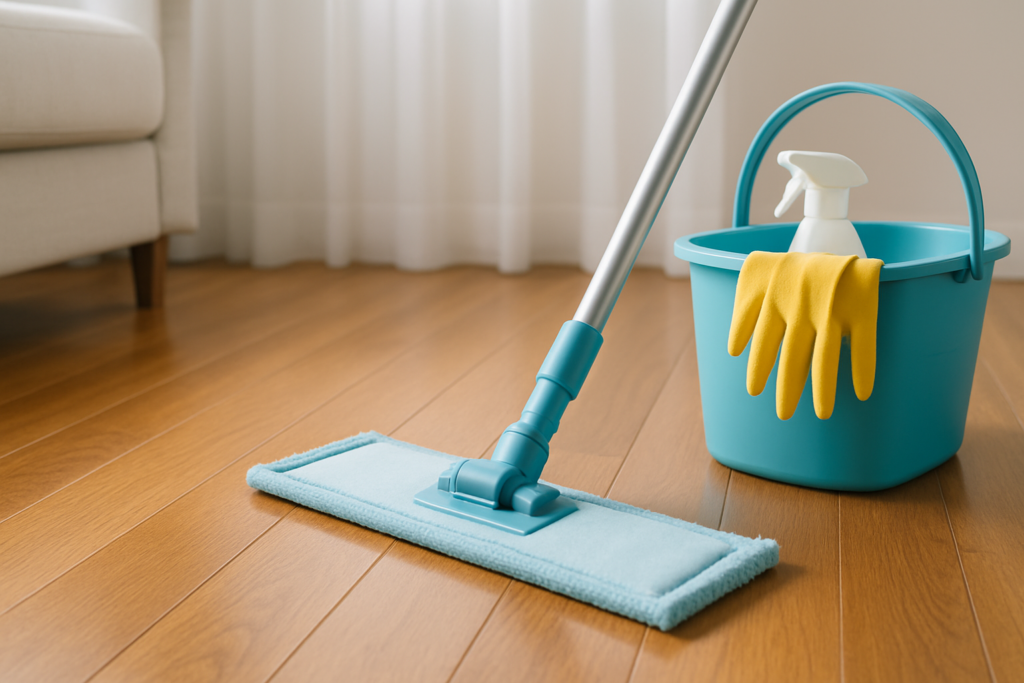
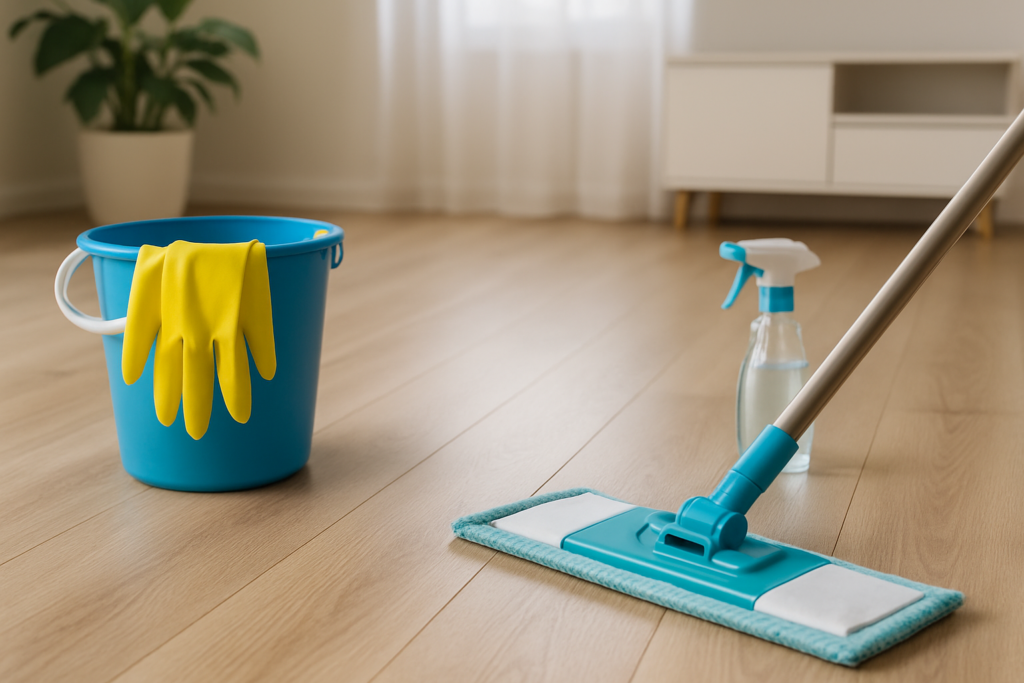
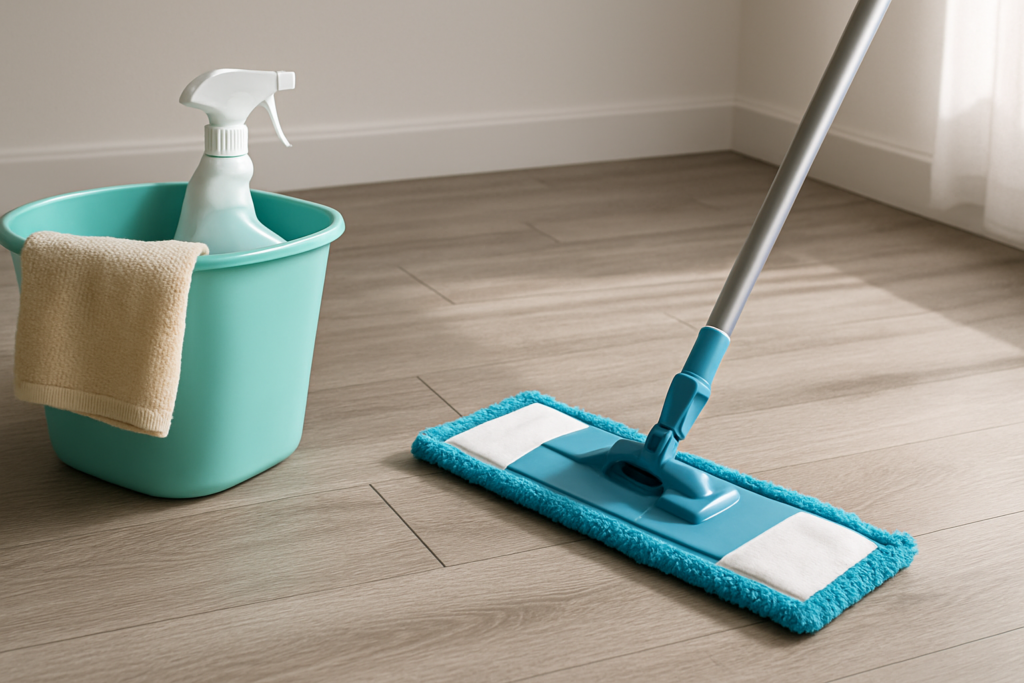
For weekly deep cleaning, stick to a microfiber mop with a laminate-specific cleaner or a simple solution of warm water with a few drops of mild dish soap. The key is using minimal water – your mop should be damp, not soaking wet.
Bona Hard-Surface Floor Cleaner
This pH-balanced cleaner is specifically formulated for laminate floors and won’t leave residue.
Always mop in the direction of the wood grain pattern, and immediately dry any excess moisture with a clean, dry cloth. Standing water is laminate flooring’s biggest enemy and can cause warping, swelling, and permanent damage.
Products and Methods to Completely Avoid
Several common cleaning products and methods can destroy laminate flooring. Never use wax, polish, or oil-based cleaners on laminate surfaces. These products create a buildup that dulls the finish and can make floors slippery and dangerous.
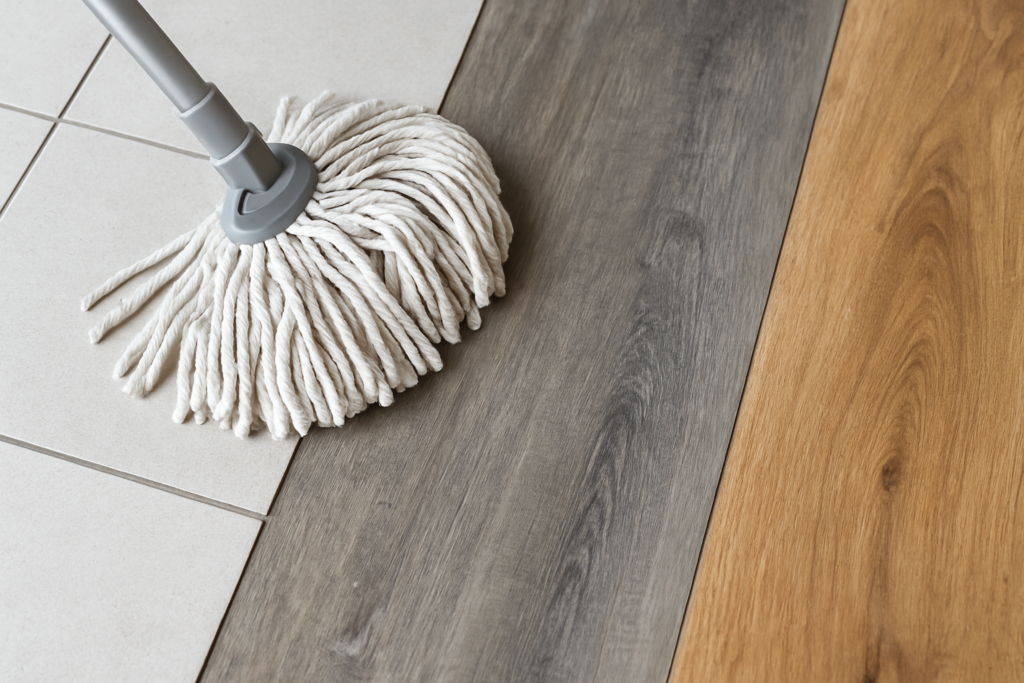
Steam mops are another major no-no. Despite marketing claims about being safe for all floors, the heat and moisture from steam can penetrate seams between planks and cause the core material to swell. This damage is often irreversible and voids most manufacturer warranties.
Avoid these cleaning products entirely:
- Bleach or ammonia-based cleaners
- Abrasive scrubbers or steel wool
- Vinegar (despite popular DIY advice, it can damage the protective coating)
- Murphy’s Oil Soap or similar wood cleaners
- Wet Swiffer pads (too much moisture)
Also skip the automatic dishwasher detergent mixed with water trick that circulates online. This harsh mixture can strip the protective layer and leave permanent cloudy spots.
Protecting Your Floors from Damage
Prevention beats repair every time. Place felt furniture pads under all chair legs, table legs, and heavy furniture to prevent scratches when items are moved. Replace these pads every six months as they wear down and lose effectiveness.
Heavy Duty Furniture Pads
These thick felt pads stay in place better than cheap alternatives and provide superior scratch protection.
Entry mats are crucial for high-traffic areas. Use both outdoor and indoor mats to catch dirt, salt, and moisture before they reach your floors. Clean these mats regularly so they continue trapping debris effectively.
Control humidity levels between 30-50% using a humidifier in winter and dehumidifier in summer. Extreme humidity changes cause laminate planks to expand and contract, potentially creating gaps or buckling.
Trim pet nails regularly and wipe up any accidents immediately. Pet urine can seep into seams and cause permanent odor and staining issues that are nearly impossible to fix.
Dealing with Scratches and Minor Damage
Light surface scratches often respond well to laminate floor repair kits available at home improvement stores. These kits contain colored wax or putty that matches common laminate finishes.
For shallow scratches, try the toothpaste method first. Apply a small amount of whitening toothpaste to the scratch, rub gently with a soft cloth in the direction of the grain, then clean with a damp cloth and dry immediately. This works because the mild abrasives in toothpaste can polish out minor surface damage.
Laminate Floor Repair Kit
Contains multiple color options and tools needed for fixing scratches and small chips professionally.
Deeper gouges require more intensive repair. Clean the area thoroughly, apply matching wood filler or laminate repair compound, let it dry completely, then sand smooth with fine-grit sandpaper. Finish by applying a thin coat of clear polyurethane to match the surrounding sheen.
For extensive damage or planks that are warped from water damage, replacement is usually the only option. Most laminate floors use a floating installation that allows individual planks to be removed and replaced without affecting surrounding areas.
Proper Spill Response and Moisture Management
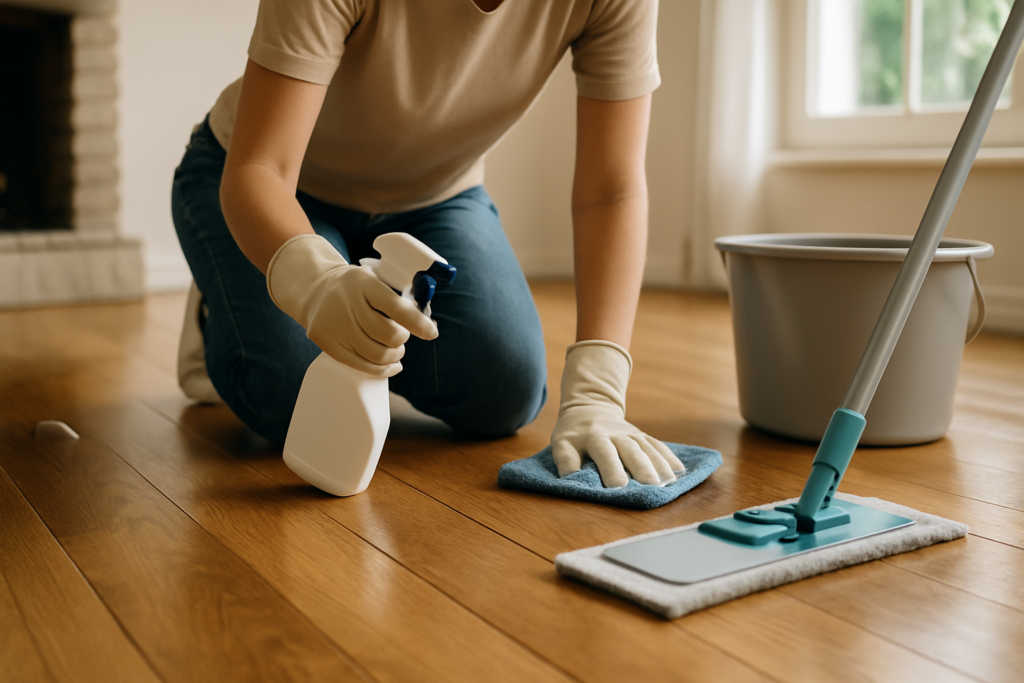
Speed is everything when dealing with spills on laminate floors. Blot up liquids immediately with paper towels or a clean cloth. Never let spills sit, even for a few minutes.
For sticky spills like juice or soda, clean with your regular laminate cleaner and a microfiber cloth. Work quickly and dry the area thoroughly to prevent any liquid from seeping into seams.
Water damage prevention extends beyond quick spill cleanup. Check appliances regularly for leaks, especially dishwashers, refrigerators, and washing machines. Install water sensors in areas prone to flooding or leaks.
During humid months or if you live in a naturally humid climate, run exhaust fans in kitchens and bathrooms to reduce moisture levels. Poor ventilation can cause humidity to condense on floors and seep into seams over time.
Frequently Asked Questions
How often should I deep clean my laminate floors?
Deep clean laminate floors weekly in high-traffic areas and every two weeks in bedrooms or less-used spaces. Daily sweeping or vacuuming is essential to prevent dirt buildup that can cause scratching. Adjust frequency based on household size, pets, and traffic patterns.
Can I use a robot vacuum on laminate floors?
Yes, robot vacuums work well on laminate floors. Choose models with settings specifically for hard floors and avoid units with aggressive brush rolls that might scratch the surface. Empty the dustbin regularly to maintain suction power and prevent debris from being dragged across the floor.
What’s the best way to restore shine to dull laminate floors?
Dullness usually results from cleaning product buildup or fine scratches. Start with a thorough cleaning using only warm water and a microfiber mop to remove residue. For persistent dullness, use a laminate floor restorer product designed to fill minor scratches and restore the original luster without adding harmful coatings.
Taking proper care of laminate floors isn’t complicated, but it does require using the right products and techniques. Stick to these guidelines and your floors will maintain their beauty and durability for many years to come.
This article contains affiliate links. We may earn a small commission at no extra cost to you.