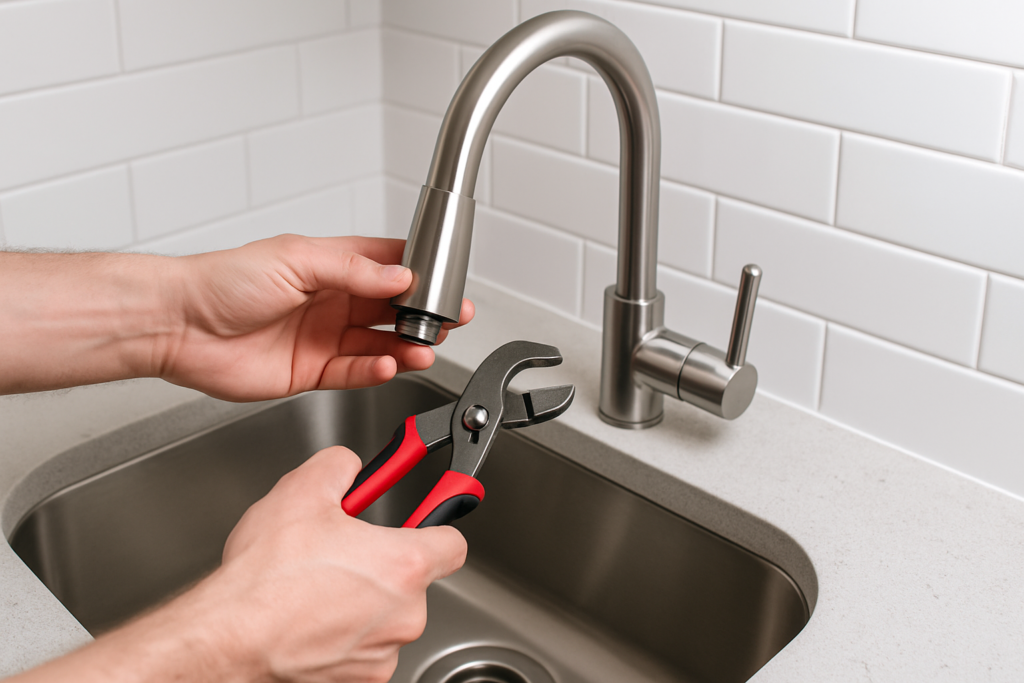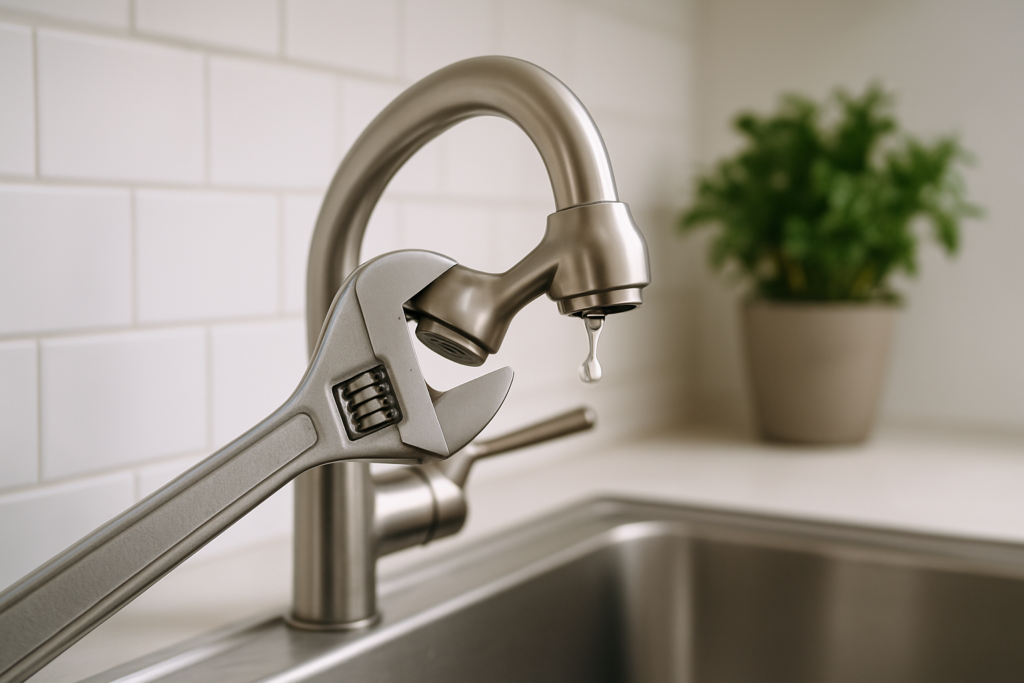
A dripping kitchen faucet isn’t just annoying. It wastes gallons of water each day and can add up on your utility bill. The good news is that most leaks are caused by worn-out parts that cost just a few dollars to replace, and you can fix them yourself without calling a plumber.
Before you start taking anything apart, you need to figure out where the leak is coming from and what type of faucet you have. Different leak locations point to different problems, and each faucet type has its own repair method.
Identifying Your Leak Type
The location of your leak tells you exactly what’s wrong. If water drips from the spout when the faucet is off, you’re dealing with worn internal parts like O-rings, washers, or a faulty cartridge. This is the most common type of leak and usually the easiest to fix.
Leaks at the base of the spout (where it connects to the sink) typically mean the O-rings or seals have deteriorated. You’ll see water pooling around the base when you turn the faucet on. A leak from the handle area points to problems with the valve seat or packing nuts.
Check under your sink too. If you spot water dripping from the supply lines or connections underneath, you might just need to tighten a connection or replace a supply line washer.
What You’ll Need for Most Repairs
Having the right tools makes any faucet repair much easier. You’ll want an adjustable wrench, a set of Allen wrenches (many modern faucets use these for handle screws), and a Phillips and flathead screwdriver. Grab some plumber’s grease and a bucket or towel to catch water.
For replacement parts, a faucet repair kit with O-rings covers most common compression faucet issues. These kits include various sizes of O-rings, washers, and seals.
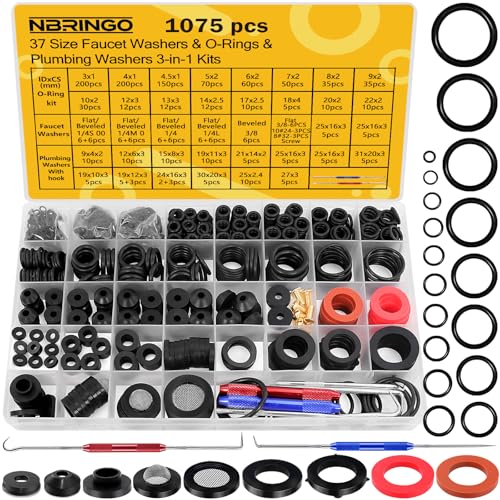
Universal Faucet Repair Kit
Contains the most common replacement parts you’ll need for basic leak repairs
Step-by-Step Repair for Common Faucet Types
Compression Faucets (Two-Handle Types)
These are the simplest to repair. Turn off the water supply under the sink first. Remove the decorative cap on the handle, unscrew the handle screw, and lift off the handle. Use your wrench to remove the packing nut, then pull out the stem.
You’ll see a rubber washer at the bottom of the stem held by a brass screw. Replace this washer with a new one from your repair kit. Also inspect the O-ring on the stem itself and replace it if it looks cracked or worn. Reassemble everything in reverse order.
Cartridge and Ceramic Disc Faucets
These single-handle faucets require replacing the entire cartridge when they leak. After removing the handle (look for a setscrew under a cap), you’ll see a retaining nut or clip holding the cartridge in place. Remove this and pull straight up on the cartridge.
Take the old cartridge to a hardware store to match it exactly, or look up your faucet model number online. Each manufacturer uses specific cartridges. When you install the new one, make sure it’s oriented correctly or your hot and cold will be reversed.
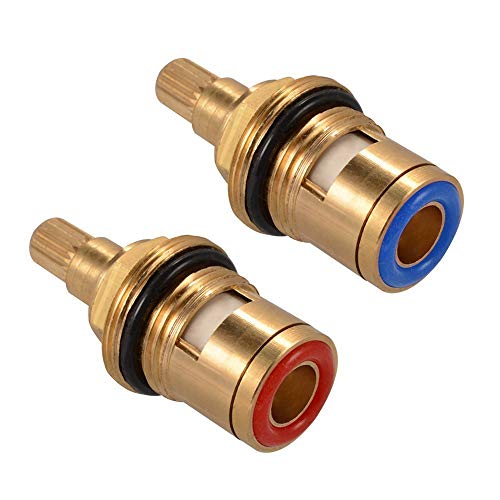
Ceramic Disc Faucet Cartridge Replacement
Check compatibility with your faucet brand before purchasing
Ball-Type Faucets
Common in Delta faucets, these have a rounded cap right under the handle. You’ll need a ball faucet repair kit specific to this design. The repair involves replacing the springs, valve seats, and sometimes the cam assembly.
These are slightly more involved than other types. You’ll remove several small parts, so lay them out in order as you disassemble. The springs and rubber seats at the bottom of the faucet body are usually the culprits for leaks.
When to Call a Professional
Most faucet leaks are DIY-friendly, but some situations call for a plumber. If you’ve replaced all the obvious parts and it still leaks, there might be corrosion in the valve seat or damage to the faucet body itself. Major leaks from cracked faucet bodies mean it’s time for a complete replacement.
Supply line leaks that you can’t stop by tightening connections should also be handled by a pro. Water damage from a burst supply line can cost thousands in repairs, so don’t take chances if you’re not confident.
Frequently Asked Questions
How long do faucet repairs typically last?
A properly done repair with quality parts should last 3-5 years or longer. The lifespan depends on your water quality (hard water wears parts faster) and how often you use the faucet. Replace parts at the first sign of dripping to prevent damage to other components.
Can I use plumber’s tape instead of replacing O-rings?
No, plumber’s tape (Teflon tape) is only for threaded pipe connections, not for sealing O-rings or washers. You need actual replacement O-rings and a bit of plumber’s grease to keep them pliable. Using tape as a substitute will fail quickly and you’ll be back to square one.
This article contains affiliate links. We may earn a small commission at no extra cost to you.