Your cutting board has seen better days. Those deep knife grooves, lingering onion smell, and dull finish tell the story of countless meals prepped. But before you toss it and buy a new one, you should know that most boards can be brought back to life with the right care routine.
Whether you’re dealing with a beat-up bamboo board or a stained plastic one, restoration is often simpler than you think. I’ll walk you through exactly how to deep clean, condition, and maintain both wood and plastic cutting boards so they last for years.
The Deep Clean: Salt and Lemon Method
Start with a proper deep clean before you even think about conditioning. This method works wonders on both wood and plastic boards, cutting through stains and eliminating odors that regular soap can’t touch.
Sprinkle coarse salt generously across the board’s surface. Cut a lemon in half and use it as a scrubber, working the salt into the board with circular motions. The salt acts as an abrasive while the lemon’s acidity breaks down bacteria and neutralizes odors.
Let this mixture sit for 5-10 minutes, then scrape it off and rinse with warm water. For stubborn stains on plastic boards, make a paste with baking soda and water instead. Apply it, let it sit for 15 minutes, then scrub with a brush before rinsing.
Never soak wooden boards in water or put them in the dishwasher. I know it’s tempting, but the prolonged water exposure causes warping, cracking, and splitting. Plastic boards can technically go in the dishwasher, but the high heat often warps them too. Hand washing is your best bet for both types.
Mineral Oil vs Beeswax: What Your Board Really Needs
Wood boards need regular conditioning to prevent drying and cracking. The two main options are mineral oil and beeswax blends, and each serves a different purpose.
Food-grade mineral oil is your foundation treatment. It penetrates deep into the wood fibers, creating a moisture barrier that prevents warping and bacterial growth. Apply it monthly for new boards, then every 2-3 months once the board is well-seasoned.

Cutting Board Oil and Conditioner
Look for products that combine mineral oil with beeswax for the best protection and finish.
Pour a generous amount of mineral oil on the clean, dry board and spread it with a soft cloth or paper towel. Let it soak in for at least 4 hours, preferably overnight. Wipe off any excess that hasn’t absorbed.
Beeswax blends create a protective top layer that repels water and gives the board a beautiful finish. These products combine mineral oil with beeswax or carnauba wax. Apply them after the mineral oil has fully absorbed, rubbing in small circles until you’ve covered the entire surface.
You can make your own conditioning blend by melting 1 part beeswax with 4 parts mineral oil. Heat them together in a double boiler until combined, let cool, and store in a jar. This homemade version works just as well as commercial products.
Removing Knife Marks and Surface Damage
Light knife marks are normal and don’t require action. But deep grooves collect bacteria and make cleaning difficult. For wooden boards, sanding is your solution.
Start with 80-grit sandpaper to remove the damaged layer. Sand with the grain, applying even pressure across the entire surface. Move up to 120-grit, then finish with 220-grit for a smooth surface.
Wipe away all dust with a damp cloth and let the board dry completely. Then condition it immediately with mineral oil, since sanding opens up the wood grain. You’ll need to apply oil daily for the first week after sanding to properly seal the wood.
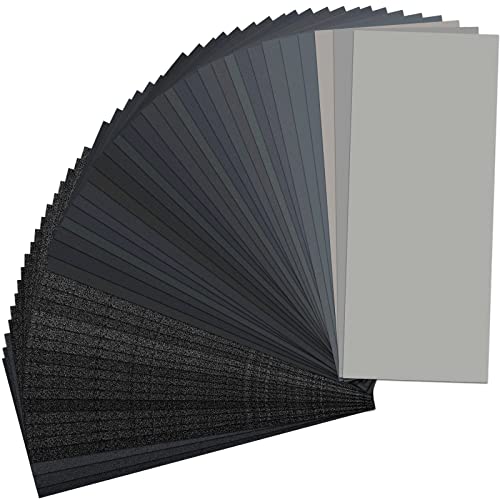
Sandpaper Variety Pack
Get multiple grits in one pack so you can properly progress from coarse to fine.
For plastic boards, sanding works too but requires a gentler touch. Use 220-grit sandpaper and light pressure to smooth out deep grooves. An orbital sander makes this job much faster if you have one available.
Some people suggest using bleach solutions on plastic boards to sanitize deep cuts. While this kills bacteria, it also degrades the plastic over time. Stick with the salt and lemon method or a hydrogen peroxide spray instead.
Eliminating Stubborn Odors
Garlic, onion, and fish odors have a way of clinging to cutting boards long after you’ve washed them. The salt and lemon treatment handles most smells, but seriously stubborn odors need stronger tactics.
White vinegar is your secret weapon. After your regular cleaning, spray or wipe undiluted white vinegar across the board’s surface. Let it sit for several minutes, then rinse and dry. The acetic acid neutralizes odor-causing compounds without damaging wood or plastic.
For extreme cases, make a paste from baking soda and water. Spread it thick across the board, let it sit overnight, then scrub and rinse. Baking soda absorbs odors rather than just masking them.
Plastic boards tend to hold smells more than wood, which has natural antimicrobial properties. If your plastic board won’t give up a smell after trying these methods, it’s probably time to replace it.
The Dishwasher Myth: Why You Should Avoid It
Many plastic boards claim to be dishwasher-safe, and technically they won’t dissolve in there. But repeated dishwasher cycles cause warping, create deeper grooves that trap bacteria, and shorten the board’s lifespan significantly.
The high heat causes plastic to expand and contract unevenly. Over time, this creates a bowed board that rocks on your counter. Wood boards fare even worse, with the prolonged moisture exposure causing cracks, splits, and permanent damage to the glue joints in edge-grain boards.
Hand washing takes two minutes maximum. Use hot soapy water, scrub both sides, rinse well, and stand the board upright to air dry. This simple routine keeps your boards in better shape than any dishwasher cycle ever could.
When to Sand vs When to Replace
You can sand most wooden boards 3-5 times before they become too thin to use safely. Measure the thickness before sanding. Boards thinner than 3/4 inch after sanding should be replaced, as they’re more likely to crack or break.
Check for these signs that your board is beyond saving. Deep cracks that go all the way through the board can’t be fixed and create food safety issues. Extensive mold growth that’s penetrated deep into the wood means the board needs to go. Severe warping that won’t lay flat even after conditioning indicates structural damage.
Plastic boards should be replaced when knife marks become so numerous that you can’t properly clean between them. A good rule: if you can feel significant texture from grooves when you run your hand across the surface, it’s time for a new board.
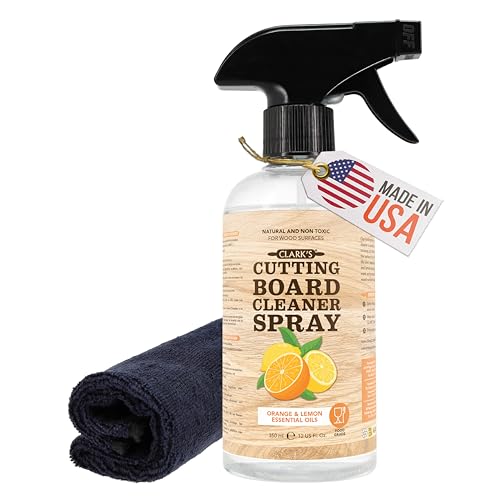
Wood Cutting Board Cleaner
A dedicated cleaner spray makes daily maintenance easier between deep cleaning sessions.
End-grain boards last longer than edge-grain because the knife cuts between fibers rather than across them. If you’re ready to upgrade, end-grain maple or walnut boards provide the best durability and can handle years of heavy use with proper care.
Frequently Asked Questions
How often should I oil my wooden cutting board?
Oil new boards once a week for the first month to build up protection. After that, monthly applications work for regular home use. You’ll know it’s time when water stops beading on the surface and starts soaking in instead. Boards used daily may need conditioning every 2-3 weeks.
Can I use olive oil or coconut oil instead of mineral oil?
Don’t use cooking oils on cutting boards. Olive oil, coconut oil, and other food oils eventually go rancid, creating unpleasant smells and potential health issues. Mineral oil is food-safe but doesn’t spoil because it’s a petroleum product that bacteria can’t metabolize. Butcher block oil and walnut oil are acceptable alternatives that won’t go rancid.
Are wood or plastic cutting boards more sanitary?
Wood boards have natural antimicrobial properties that actually kill bacteria over time. Studies show that bacteria die on wood surfaces within hours, while they can multiply in the knife grooves of plastic boards. However, both are safe when cleaned properly after each use. The real food safety issue is using separate boards for raw meat and produce, regardless of material.
This article contains affiliate links. We may earn a small commission at no extra cost to you.