Cleaning your driveway or siding sounds like one of those jobs you keep putting off until the grime becomes impossible to ignore. An electric pressure washer can turn that multi-hour scrubbing nightmare into a 30-minute Saturday morning project. But not all models handle every surface equally well, and buying the wrong one means either damaging your vinyl siding or barely making a dent in oil-stained concrete.
This guide breaks down what actually matters when choosing an electric pressure washer for home exterior cleaning. We’ll cover the specs that affect cleaning power, which attachments make the biggest difference, and how to use these machines without turning your wooden deck into splintered kindling.
Understanding PSI and GPM for Different Surfaces
PSI (pounds per square inch) gets all the attention in pressure washer marketing, but GPM (gallons per minute) determines how quickly you’ll finish the job. Think of PSI as the hammer and GPM as how fast you can swing it. You need both working together.
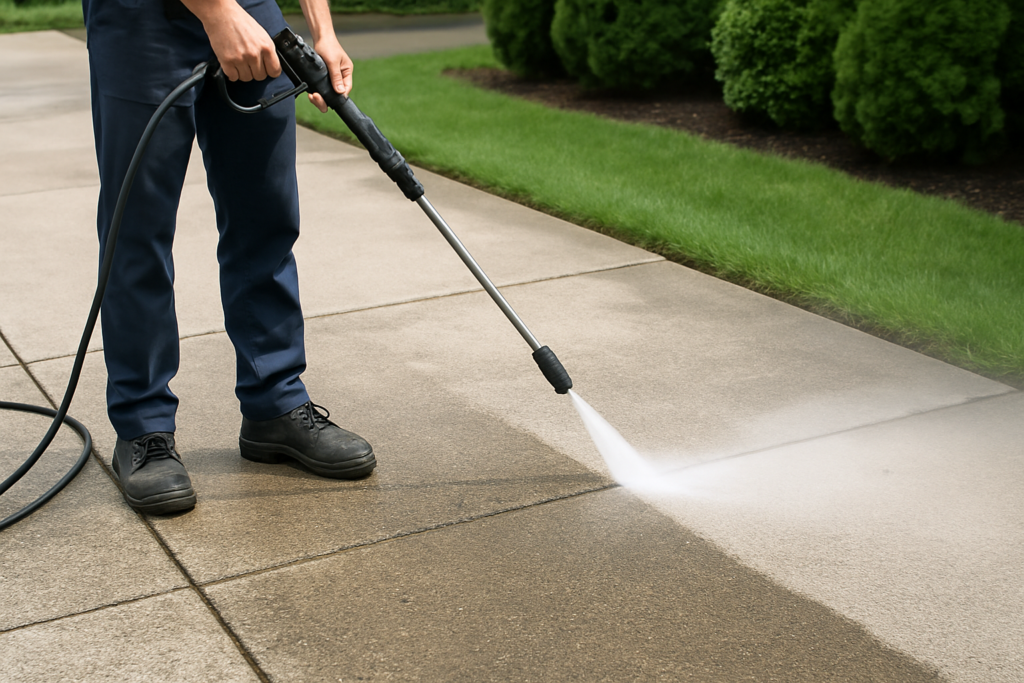
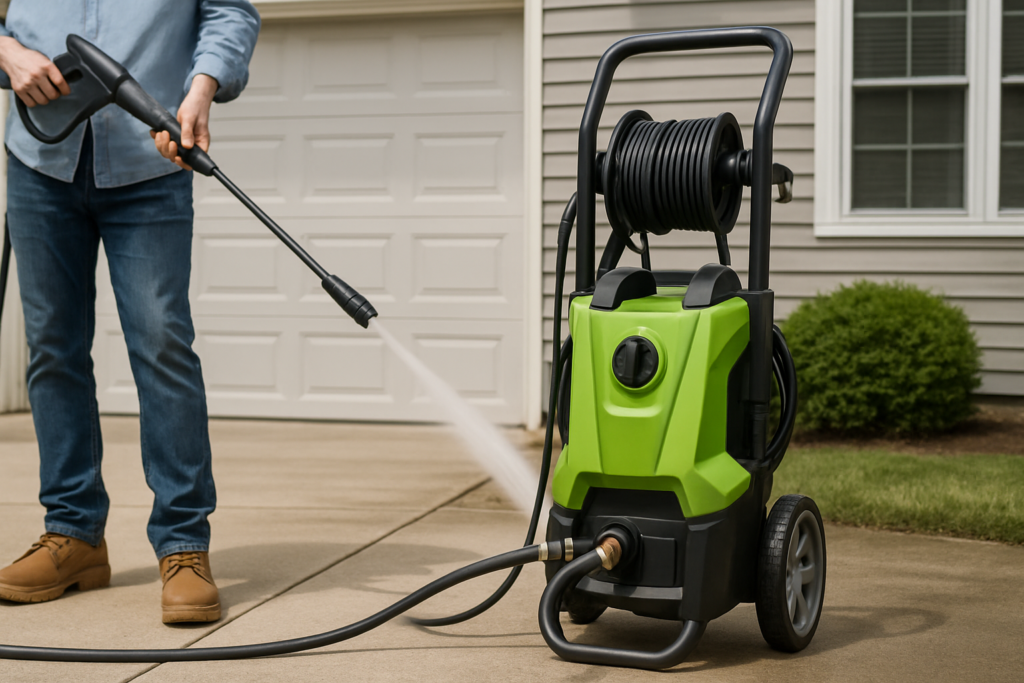
For concrete driveways, you want at least 2000 PSI to cut through oil stains, tire marks, and embedded dirt. Models in the 2000-3000 PSI range with 1.5-2.0 GPM handle most residential concrete cleaning without requiring commercial-grade equipment. Anything less than 1800 PSI will have you making multiple passes over the same spot.
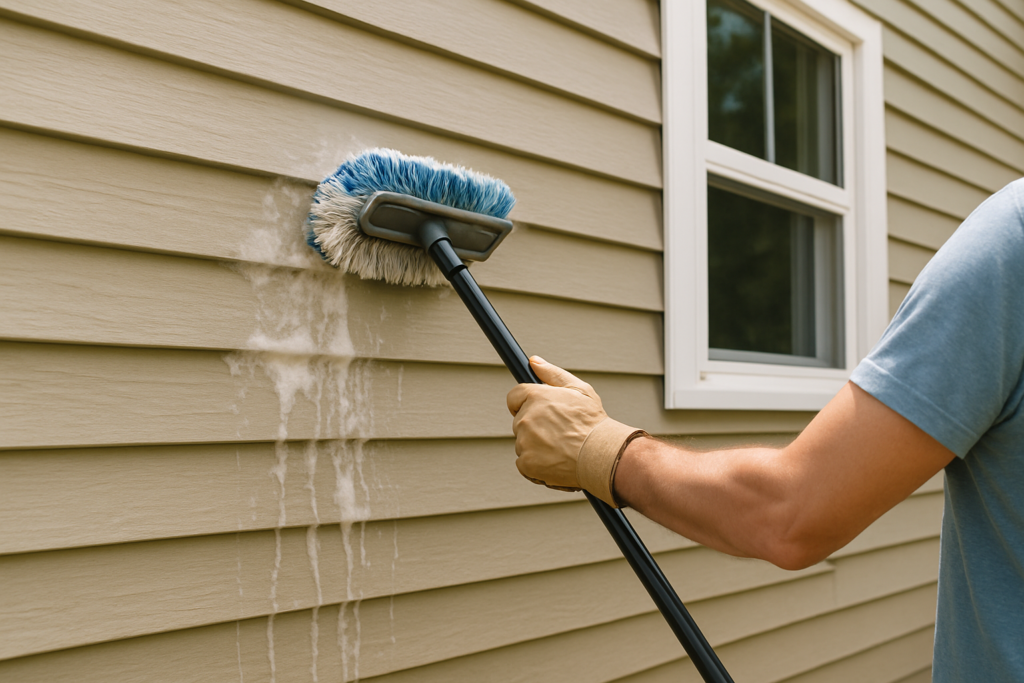
Vinyl siding requires a gentler touch. Between 1300-1800 PSI works best, and you’ll want to stay at least 12 inches away from the surface. Too much pressure forces water behind the siding panels, leading to mold growth you can’t see until it becomes a serious problem.
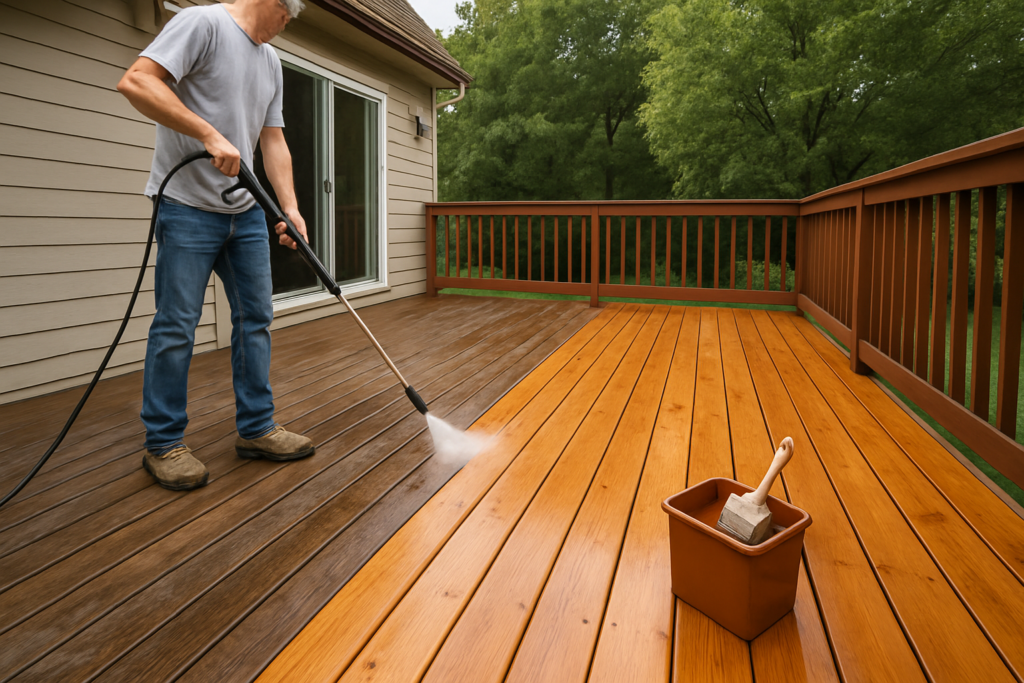
Wood surfaces need the most care. Composite decking can usually handle 1500-2000 PSI, but natural wood decks and fences should stay under 1500 PSI. Use a 25-degree or 40-degree nozzle and keep the wand moving to avoid etching lines into the wood grain.

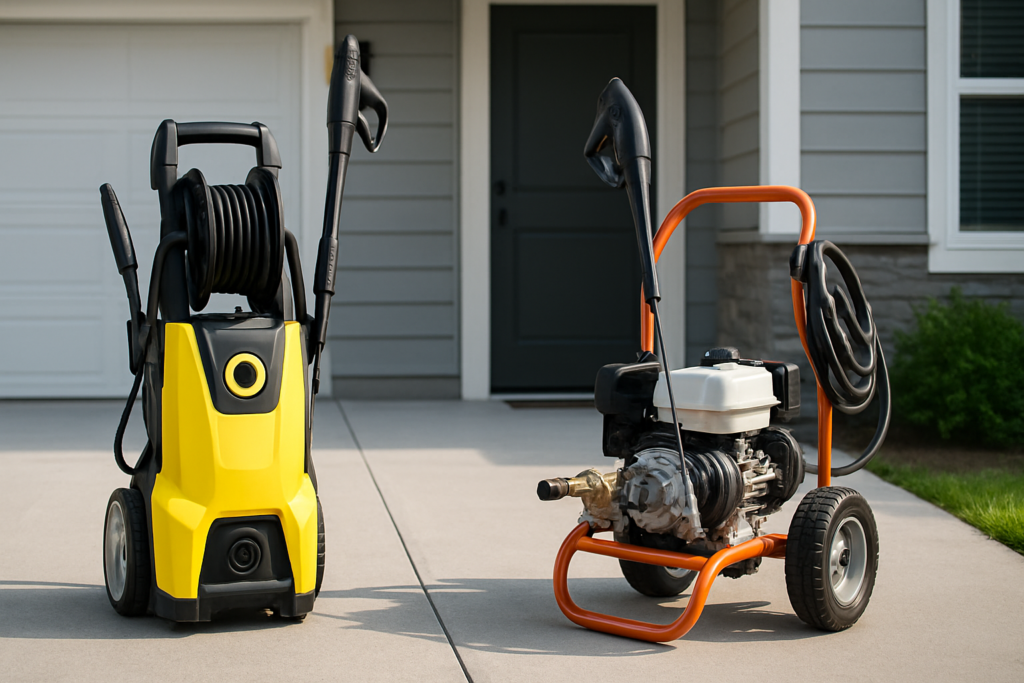
Sun Joe SPX3000 Electric Pressure Washer 2030 PSI
Popular dual-detergent tank model that handles both driveways and siding with adjustable pressure settings
Nozzle Types and When to Use Each One
Most electric pressure washers include four or five color-coded nozzles, and switching between them makes the difference between effective cleaning and surface damage.
The red 0-degree nozzle creates a pinpoint stream that can strip paint and gouge concrete. Honestly, you probably won’t need it for typical driveway and siding work. Save it for removing extremely stubborn stains on concrete only.
Yellow 15-degree nozzles work well for concrete surfaces and heavy-duty cleaning. This is your go-to for driveway cleaning, concrete walkways, and brick. The concentrated spray removes embedded dirt without the surgical precision of the red nozzle.
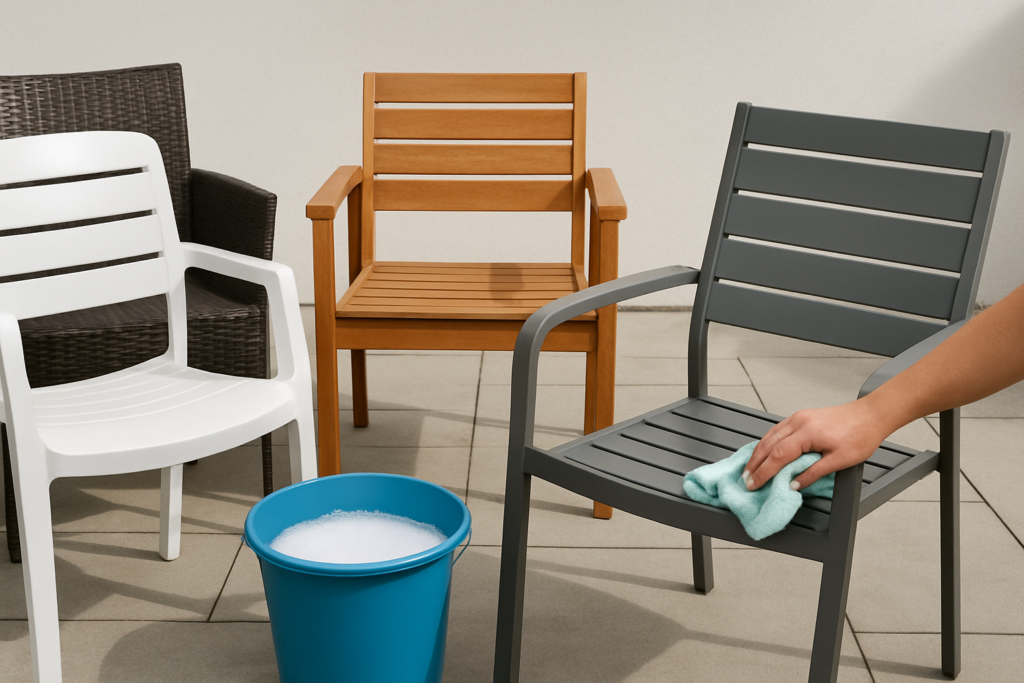
Green 25-degree nozzles hit the sweet spot for general cleaning. Use this for cars, outdoor furniture, composite decking, and most siding materials. It provides enough power to clean effectively while spreading the pressure over a wider area.
White 40-degree nozzles offer the gentlest spray pattern for delicate surfaces like natural wood, windows, and screens. This wider fan reduces pressure at any given point, making it safer for surfaces that can’t handle concentrated force.
Black soap nozzles are designed specifically for applying detergent at low pressure. Always apply soap with this nozzle, let it sit for 5-10 minutes, then switch to a cleaning nozzle to rinse.
Hose Length and Why It Actually Matters
A 20-foot hose sounds adequate until you’re dragging the entire pressure washer unit across your lawn every few minutes. Most entry-level models come with 20-foot hoses, which means your actual working radius is about 35-40 feet when you include the power cord.
For typical single-story homes, 25-foot hoses provide noticeably better mobility. You’ll reposition the base unit less frequently and spend more time actually cleaning. Two-story homes benefit from 30-foot or longer hoses, especially when cleaning second-story siding.
Hose diameter affects pressure delivery too. Most electric washers use 1/4-inch hoses, which work fine for machines under 2000 PSI. Higher-pressure models sometimes include 5/16-inch hoses that reduce pressure drop over longer distances.
You can buy hose extensions separately, but each connection point creates potential leak spots. Buy a machine with adequate hose length from the start rather than cobbling together extensions.
Surface Cleaner Attachments Change Everything
Using a standard wand to clean a 500-square-foot driveway means hours of overlapping passes and stripe marks where you missed spots. Surface cleaner attachments solve both problems.
These circular attachments enclose the spray nozzles under a hover-like disc, typically 12-15 inches in diameter. Two or three nozzles spin rapidly underneath, creating an even cleaning path with no streaks. You just push it across the concrete like a lawn mower.
A good surface cleaner attachment cuts driveway cleaning time by 60-70% compared to wand-only cleaning. They also prevent the tiger-striping effect where overlapping spray patterns create visible lines in the concrete.

Greenworks 2000 PSI Electric Pressure Washer
Solid mid-range option with compatible surface cleaner attachments and reliable motor performance
Make sure any surface cleaner you buy matches your pressure washer’s PSI rating. Using a 3000 PSI-rated attachment on a 2000 PSI machine works fine, but the reverse can damage the attachment or create uneven cleaning.
Storage Tips to Extend Machine Life
Electric pressure washers hate freezing temperatures. Any water left in the pump or hoses will expand when frozen, cracking internal components that can’t be easily replaced.
After each use, disconnect the water supply and trigger the gun until no water comes out. This purges most water from the system. For winter storage, run a pump saver solution through the system. These antifreeze treatments coat internal parts and prevent freeze damage.
Store the unit indoors in a garage, basement, or shed where temperatures stay above freezing. Keep it upright to prevent oil from leaking into areas it shouldn’t reach. Coil hoses loosely without sharp bends that create weak spots.
Remove detergent from tanks before storage. Leftover soap can crystallize and clog the injection system. Rinse detergent tanks with clean water and let them air dry completely before storing.
Beginner Safety Guide
Pressure washers don’t look dangerous until you remember they concentrate enough force to strip paint and cut skin. Treat them with the same respect you’d give power tools.
Always wear closed-toe shoes, preferably boots. The spray kicks up debris, and you don’t want rocks hitting bare feet at high velocity. Safety glasses protect your eyes from flying dirt and chemical splash-back.
Never point the spray at people, pets, or yourself. Even wide-angle nozzles can cause serious injuries. The “I’ll just quickly spray my muddy boots while wearing them” move sends people to emergency rooms more often than you’d think.
Test pressure and nozzle distance on an inconspicuous area first. Start with the widest nozzle and farthest distance, then move closer or switch nozzles only if needed. You can always increase pressure, but you can’t undo damage to your siding.
Watch for electrical hazards. Keep the power cord away from the spray pattern and standing water. Use a GFCI-protected outlet, which cuts power instantly if it detects electrical problems.
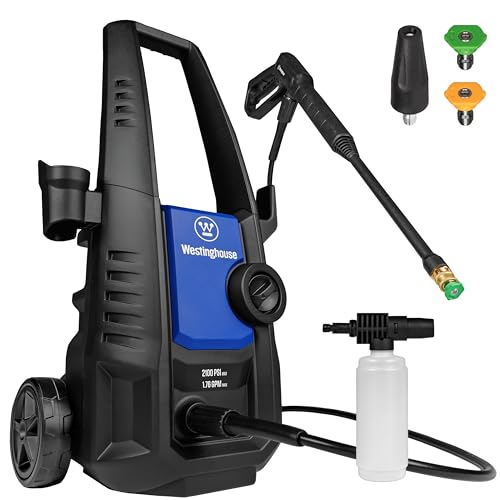
Westinghouse ePX3050 Electric Pressure Washer
Higher-powered option for serious concrete cleaning with excellent build quality and long warranty
Be careful on ladders. The spray recoil creates kickback that can throw off your balance. For two-story work, consider telescoping extension wands that let you reach high areas while standing on the ground.
Frequently Asked Questions
Can I use hot water in an electric pressure washer?
Most electric pressure washers are designed for cold water only. Hot water can damage seals, hoses, and pump components not rated for high temperatures. If you need hot water for grease removal, look for models specifically labeled as hot water compatible, though these typically cost significantly more. For most driveway and siding cleaning, cold water with appropriate detergents works perfectly fine.
How often should I replace the nozzles?
Nozzles wear out gradually, enlarging the orifice and reducing pressure over time. You’ll notice reduced cleaning power even though the PSI gauge reads normal. Replace nozzles every 100-150 hours of use for consistent performance. They’re inexpensive and easy to swap. If you only use your pressure washer a few times per year, nozzles should last 3-5 years before needing replacement.
Do I need to use special detergent designed for pressure washers?
Regular household cleaners can damage pressure washer pumps and leave residue that clogs the chemical injector. Pressure washer detergents are formulated to work with the chemical injection system and break down properly during rinsing. Different formulas work better for specific jobs like concrete degreasing, mildew removal, or vehicle washing. Using the right detergent improves cleaning results and protects your equipment.
This article contains affiliate links. We may earn a small commission at no extra cost to you.