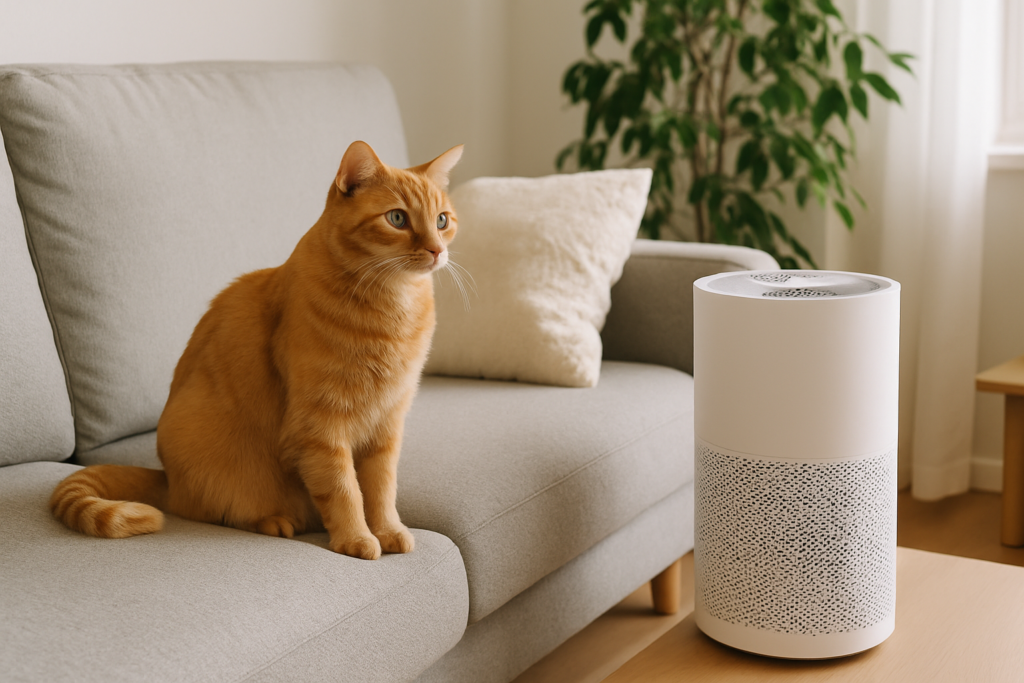
Living with pets means dealing with floating fur, dander that triggers allergies, and those occasional odors that seem to linger no matter how much you clean. A quality air purifier can make a real difference in your home’s air quality, but not all models handle pet-related challenges equally well.
The key is finding a purifier that combines powerful particle filtration with activated carbon layers designed specifically for odor control. You’ll also want to consider room size coverage, noise levels during sleep hours, and the ongoing cost of replacement filters. Let’s break down what actually matters when choosing an air purifier for pet owners.
Understanding CADR Ratings for Pet Dander
CADR (Clean Air Delivery Rate) tells you how quickly a purifier can filter air in a specific room size. For pet dander specifically, you want a CADR rating of at least 240 for rooms up to 400 square feet. Anything lower and you’ll be running the unit constantly without seeing much improvement.
The Levoit Core 400S delivers a CADR of 260, making it suitable for larger living spaces where pets spend most of their time. It covers up to 403 square feet and cycles the air in that space about five times per hour, which is what you need for effective dander removal.

Levoit Core 400S Air Purifier
Excellent CADR rating with smart sensors and quiet operation for bedrooms with pets
For multi-pet households or open-concept spaces, look for CADR ratings above 300. The Coway Airmega 400 hits a CADR of 350 and handles rooms up to 1,560 square feet, though you’ll need to check current availability and configurations on Amazon.
Activated Carbon Layers Matter More Than You Think
HEPA filters catch dander particles, but they do nothing for odors. That’s where activated carbon comes in. The amount and quality of carbon filtration separates mediocre air purifiers from ones that actually eliminate pet smells.
Basic models include a thin carbon pre-filter that loses effectiveness after a few weeks. Better options feature thick activated carbon layers (at least 1-2 pounds) that can neutralize odors for 6-12 months. The Winix 5500-2 uses a washable carbon filter combined with their PlasmaWave technology, which helps break down odors at a molecular level.
If you have multiple large dogs or litter boxes, consider the Rabbit Air MinusA2. It offers a customizable filter system where you can choose a Pet Allergy filter with extra activated carbon specifically formulated for ammonia and pet odors. This specialization makes a noticeable difference in homes with stronger odor challenges.

Winix 5500-2 Air Purifier
Combines washable carbon filtration with PlasmaWave technology for superior odor elimination
Smart Sensors and Auto Mode for Set-It-and-Forget-It Operation
Air quality sensors detect particles in real-time and adjust fan speed automatically. This feature saves energy and reduces noise when air quality is good, then ramps up when your dog shakes off after a walk or your cat uses the litter box.
The sensor quality varies significantly between models. Budget units often use basic particle counters that can’t distinguish between types of pollutants. Better models like the Dyson Pure Cool TP04 include separate sensors for particles and gases, displaying real-time data on VOCs (volatile organic compounds) that include pet odors.
Auto mode becomes especially valuable at night. The purifier runs quietly when air quality is acceptable but responds immediately to changes. This means you’re not manually adjusting settings every time your pets move around or when outdoor allergens spike.
Quiet Night Mode for Bedrooms
Noise levels matter if you’re running a purifier in your bedroom or near where you relax. Most units list decibel ratings, but these numbers don’t tell the whole story. Fan noise character (the quality of the sound) matters as much as volume.
On the lowest setting, you want a purifier that operates at 30 decibels or less. The Blueair Blue Pure 211+ runs at just 31 decibels on low speed while still moving enough air to be effective. Its cylindrical design also distributes airflow more evenly, reducing the focused “wind tunnel” effect some models create.
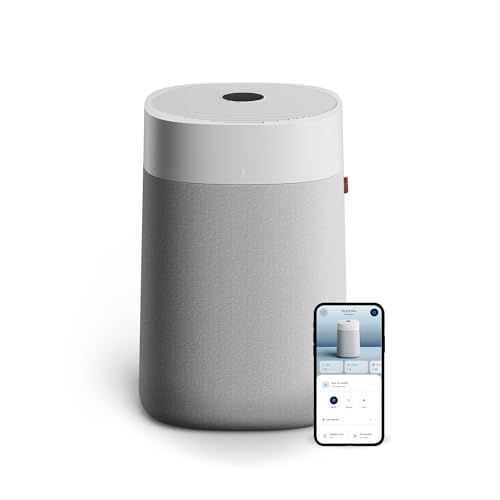
Blueair Blue Pure 211+
Whisper-quiet operation at 31 decibels with 360-degree air intake for large rooms
Sleep mode features vary by manufacturer. Some simply dim the display lights while maintaining the same fan speeds. Better implementations reduce fan speed to minimal levels and turn off all lights completely. Check product specifications carefully, as “sleep mode” isn’t standardized across brands.
Filter Replacement Costs Add Up
The initial purchase price tells only part of the story. Filter replacement costs over 2-3 years often exceed what you paid for the unit itself. HEPA filters typically need replacement every 6-12 months, while carbon filters may need changing every 3-6 months in pet-heavy households.
Calculate annual filter costs before buying. A replacement filter set for popular models varies widely. Some manufacturers charge premium prices for proprietary filters, while others use more standard designs with third-party options available.
The Winix models mentioned earlier offer better long-term value because their pre-filters are washable, extending the life of the more expensive HEPA and carbon filters. You can vacuum or rinse the outer layer every few weeks, which prevents the inner filters from clogging prematurely.
Watch for models that include filter replacement indicators based on actual runtime and air quality rather than just time elapsed. This prevents premature replacement while ensuring you’re not running with exhausted filters.
Room Size Matching Is Critical
Manufacturers often overstate effective room size coverage. The listed square footage usually assumes standard 8-foot ceilings and represents the maximum space where the unit provides two air changes per hour. For pet dander, you want 4-5 air changes hourly for noticeable improvement.
Take the manufacturer’s stated room size and cut it in half for realistic pet dander performance. A purifier rated for 800 square feet will perform optimally in a 400 square foot space when dealing with continuous pet allergen production.
For particularly large spaces, consider running multiple mid-sized units rather than one large purifier. This provides better air circulation and ensures no dead zones where dander accumulates. Placing one unit near your pet’s favorite sleeping spot and another in high-traffic areas creates more effective coverage.
Frequently Asked Questions
How often should I run my air purifier with pets in the home?
Run your air purifier continuously for best results. Pet dander is constantly being released into the air, and intermittent operation allows particles to settle on surfaces where they’re harder to remove. Modern purifiers use minimal electricity on low settings, and the improved air quality is worth the modest energy cost. Auto mode lets the unit adjust based on actual air quality while maintaining constant filtration.
Can air purifiers completely eliminate pet allergies?
Air purifiers significantly reduce airborne allergens but won’t eliminate allergies entirely. They work best as part of a complete strategy that includes regular vacuuming with HEPA filters, washing pet bedding weekly, and grooming pets outdoors when possible. Most pet allergy sufferers report 50-80% symptom reduction when using properly sized purifiers, but individual results vary based on sensitivity levels and home conditions.
Do I need different filters for cats versus dogs?
The same filter types work for both cats and dogs, but cats may require more carbon filtration if you have litter boxes. Cat urine produces ammonia, which needs substantial activated carbon to neutralize. Multiple large dogs shed more overall volume, so you might need higher CADR ratings and more frequent filter changes. The fundamental technology remains the same regardless of pet type.
This article contains affiliate links. We may earn a small commission at no extra cost to you.