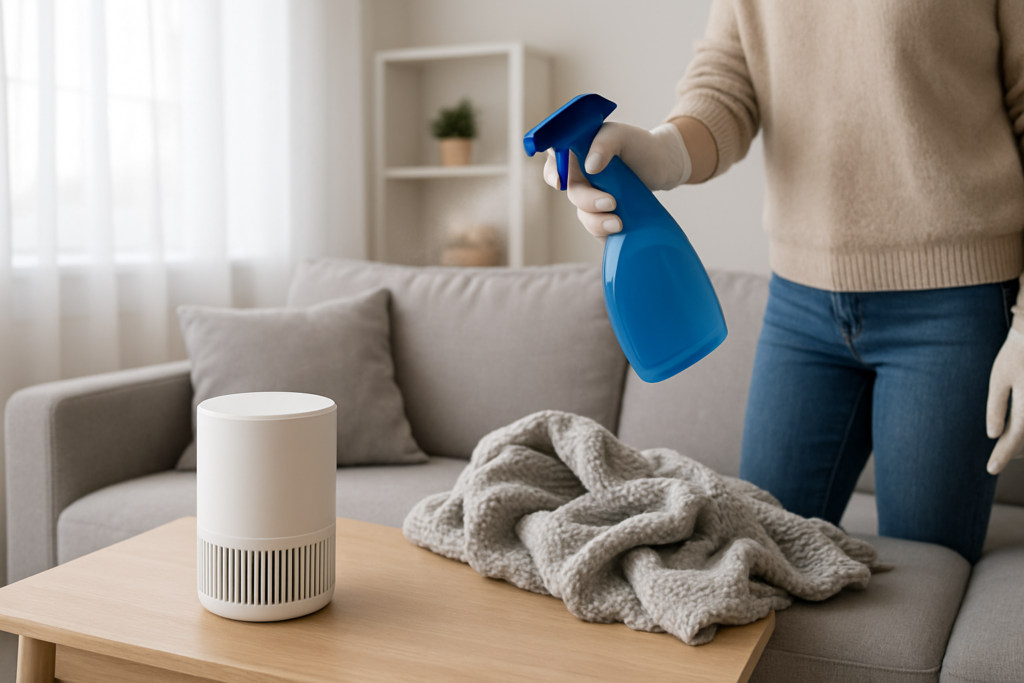
Walking into your home shouldn’t feel like entering a damp basement. That persistent musty smell doesn’t just affect your comfort, it signals underlying issues that need immediate attention. The odor typically stems from excess moisture creating perfect conditions for mold and mildew growth.
Understanding the root cause is crucial for permanent elimination. Most homeowners mistake masking the smell for solving it, leading to recurring problems and potential health concerns. Let’s identify what’s really causing that musty odor and tackle it at the source.
Identifying the Source of Musty Odors
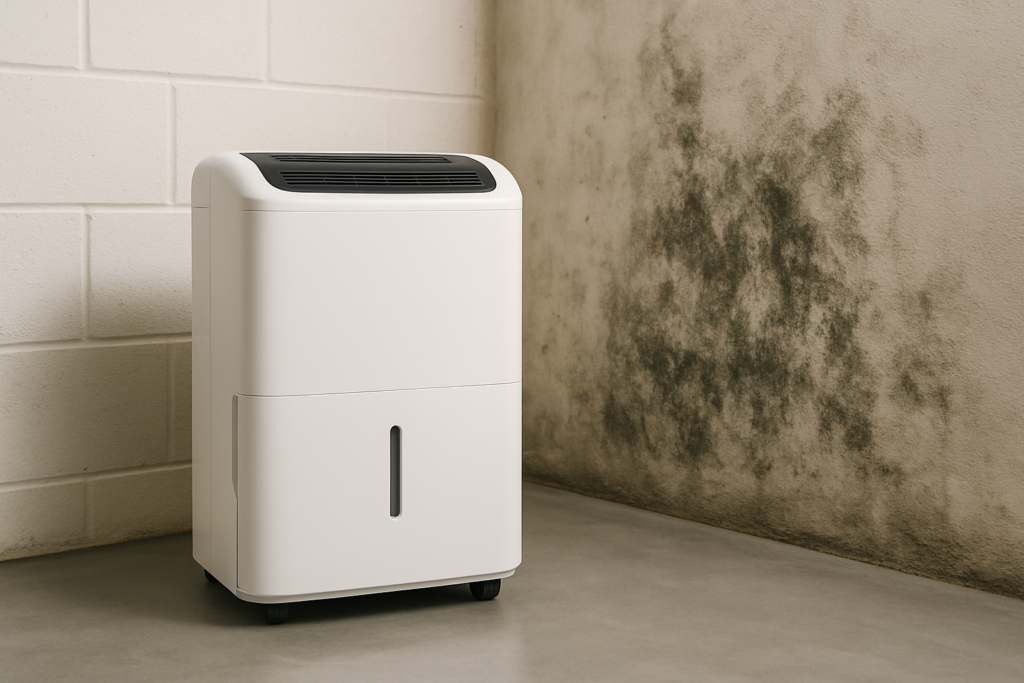
Mold and mildew are the primary culprits behind musty house smells. These fungi thrive in humid environments and release volatile organic compounds that create that distinctive earthy, stale odor. Common breeding grounds include bathrooms, basements, crawl spaces, and areas around plumbing leaks.
Your HVAC system can also distribute musty smells throughout your home. Dirty air ducts, clogged filters, or moisture buildup in the system create ideal conditions for microbial growth. When the system runs, it circulates these odors to every room.
Start your investigation in high-humidity areas. Check behind toilets, under sinks, in shower corners, and around windows where condensation occurs. Look for visible mold spots, water stains, or areas that feel consistently damp to touch.
Effective Solutions for Each Source
Addressing Mold and Mildew Growth
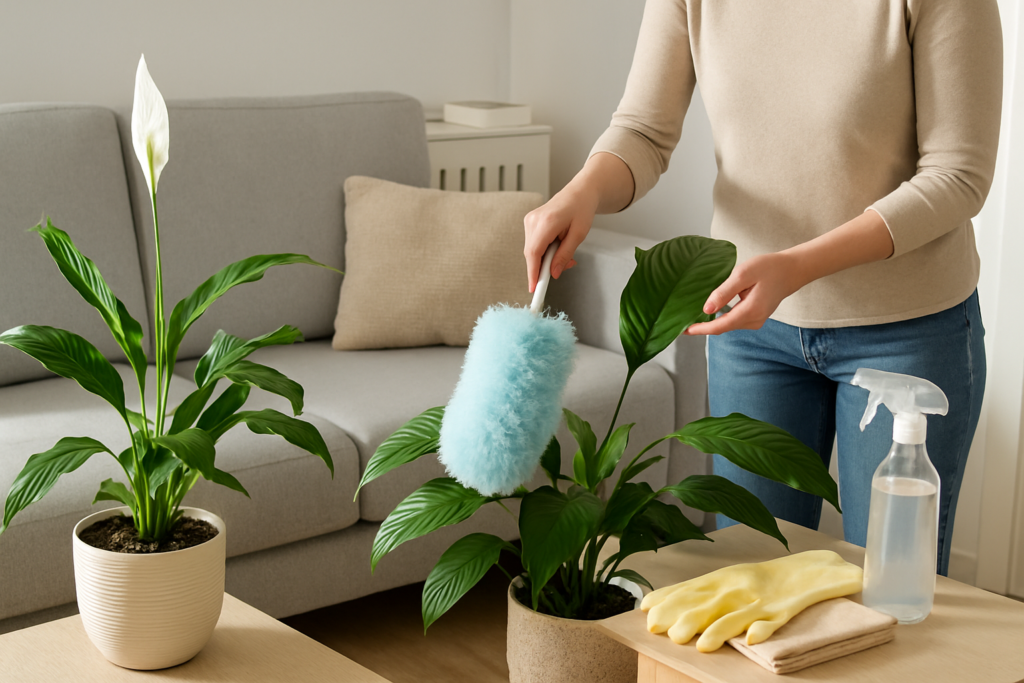
For visible mold on hard surfaces, create a cleaning solution using one part white vinegar to one part water. Spray the affected area, let it sit for an hour, then scrub with a brush and rinse thoroughly. Bleach works too, but vinegar is safer for indoor air quality and equally effective.
Porous materials like drywall, carpet, or fabric often require professional remediation if mold penetration is extensive. Small surface mold on these materials can sometimes be treated with specialized enzyme cleaners that break down organic compounds.
Concrobium Mold Control
This EPA-registered formula eliminates existing mold and prevents regrowth without harsh chemicals.
Cleaning Your HVAC System
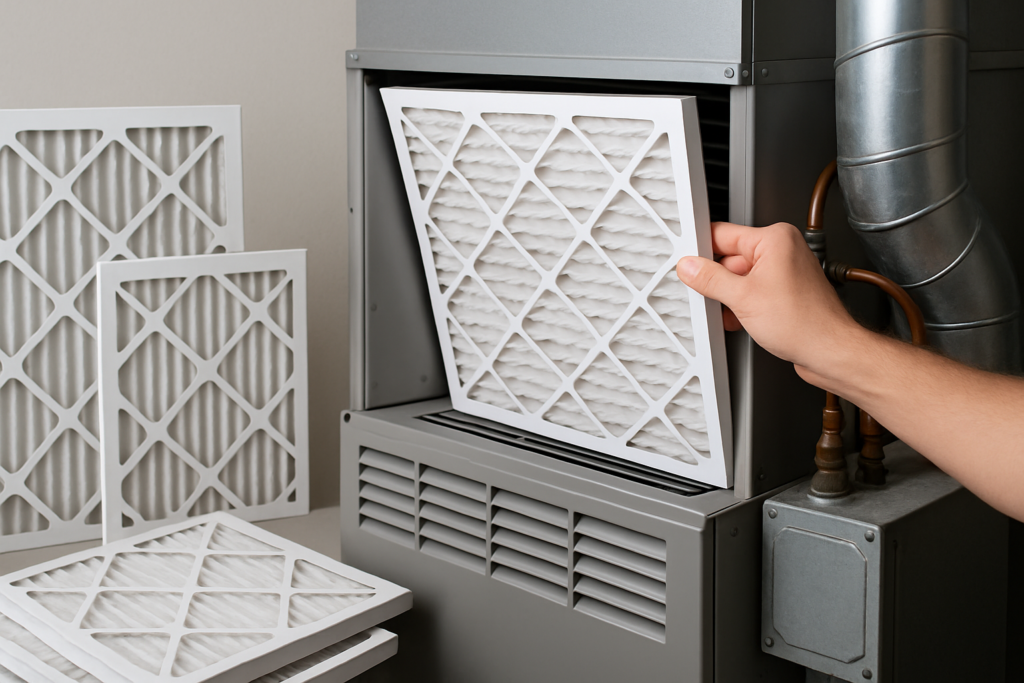
Replace your air filter immediately if it appears dirty or hasn’t been changed in over three months. A clogged filter restricts airflow and traps moisture, creating perfect conditions for microbial growth.
Clean your air ducts if you notice visible mold growth, excessive dust buildup, or pest infestations. Professional duct cleaning typically costs several hundred dollars but eliminates contaminants throughout your entire ventilation system.
Check your air conditioning drain pan and drainage line. Standing water in the drain pan or clogs in the drainage line create moisture problems that lead to musty odors. Clean the pan with a mild bleach solution and flush the drain line with vinegar.
Eliminating Lingering Odors
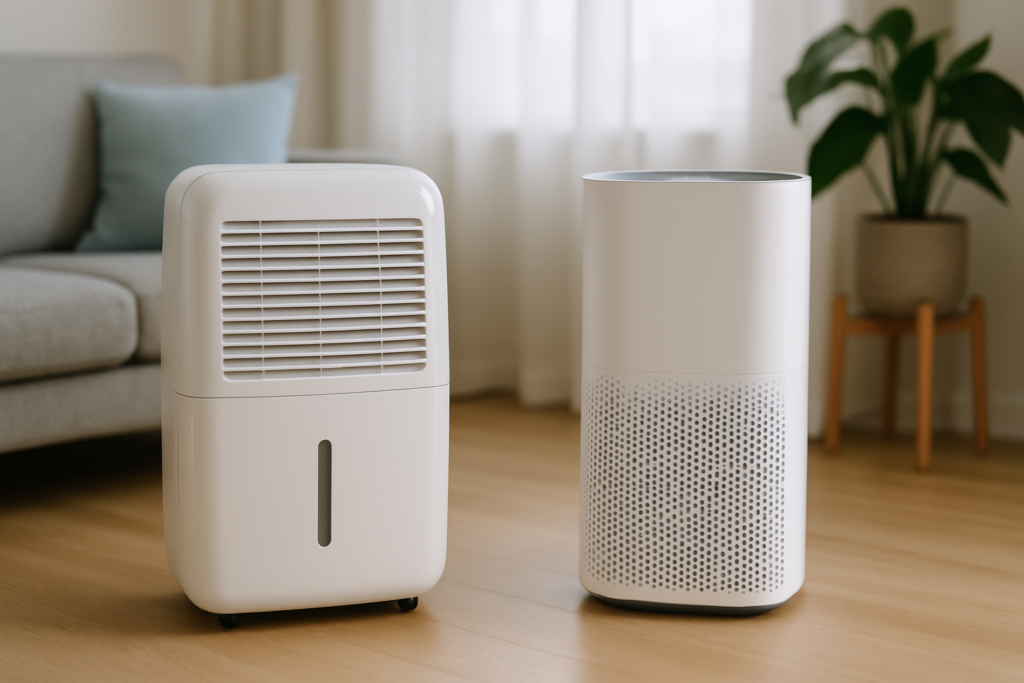
After addressing the source, use activated charcoal bags or HEPA air purifiers to capture remaining odor particles. These work better than air fresheners because they actually remove odor molecules rather than masking them.
Levoit Core 300 Air Purifier
Features a true HEPA filter and activated carbon layer specifically designed for odor elimination.
Prevention Strategies That Actually Work
Control humidity levels between 30-50% using dehumidifiers in problem areas. Basements, bathrooms, and laundry rooms benefit most from dedicated humidity control. Monitor levels with a digital hygrometer to maintain optimal conditions.
Improve ventilation in moisture-prone areas. Run bathroom exhaust fans during showers and for 30 minutes afterward. Install exhaust fans in areas that lack proper ventilation, particularly basements and laundry rooms.
Fix water leaks immediately, no matter how minor they seem. That small drip under your kitchen sink can create significant mold problems within 24-48 hours. Address plumbing issues, roof leaks, and foundation moisture problems promptly.
Clean and maintain your HVAC system regularly. Change filters every 1-3 months, schedule annual professional maintenance, and keep air vents unobstructed. A well-maintained system prevents moisture buildup and improves overall air quality.
Frequently Asked Questions
How long does it take to eliminate musty smells completely?
After addressing the moisture source and cleaning affected areas, most musty odors disappear within 1-2 weeks with proper ventilation and air circulation. Severe mold problems may require several weeks of treatment and prevention measures.
Can musty smells return after treatment?
Yes, if the underlying moisture problem isn’t resolved. Musty smells will return whenever conditions become favorable for mold and mildew growth. Focus on long-term humidity control and moisture prevention rather than just odor elimination.
This article contains affiliate links. We may earn a small commission at no extra cost to you.