Picture this: you walk into your basement and catch that unmistakable musty smell, or maybe you notice dust particles dancing in the afternoon sunlight streaming through your living room window. Both scenarios point to indoor air issues, but they require completely different solutions. Many homeowners find themselves torn between buying a dehumidifier or an air purifier, not realizing these devices tackle entirely separate problems.
Understanding which one your home needs (or whether you need both) can save you money and actually solve your air quality issues instead of just masking them. Let’s break down exactly what each device does and help you figure out which investment makes sense for your specific situation.
What Dehumidifiers Actually Do
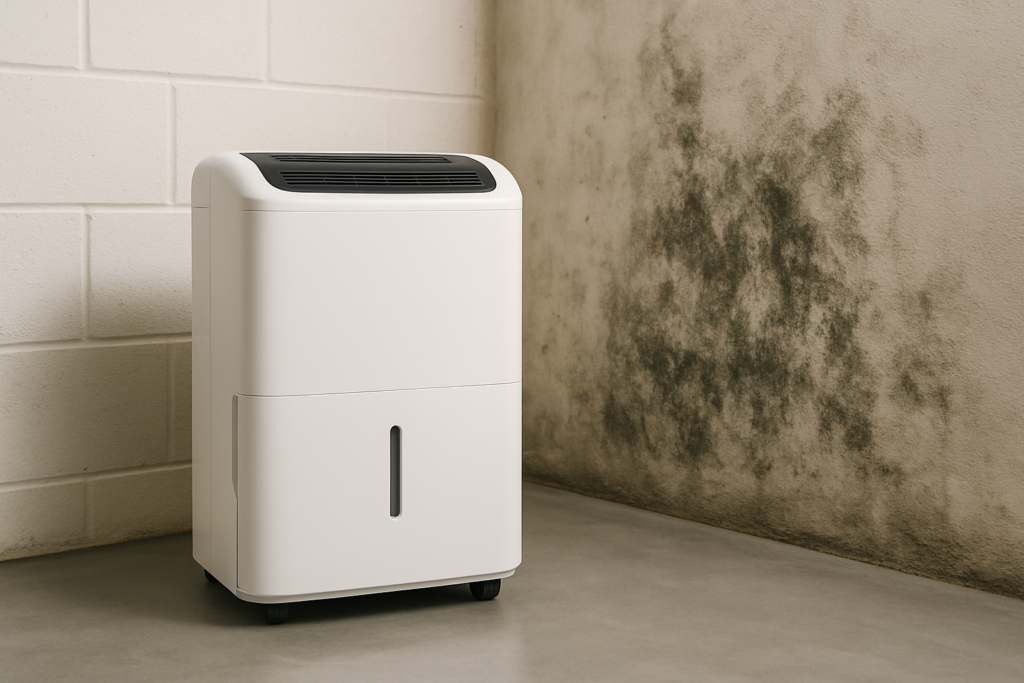
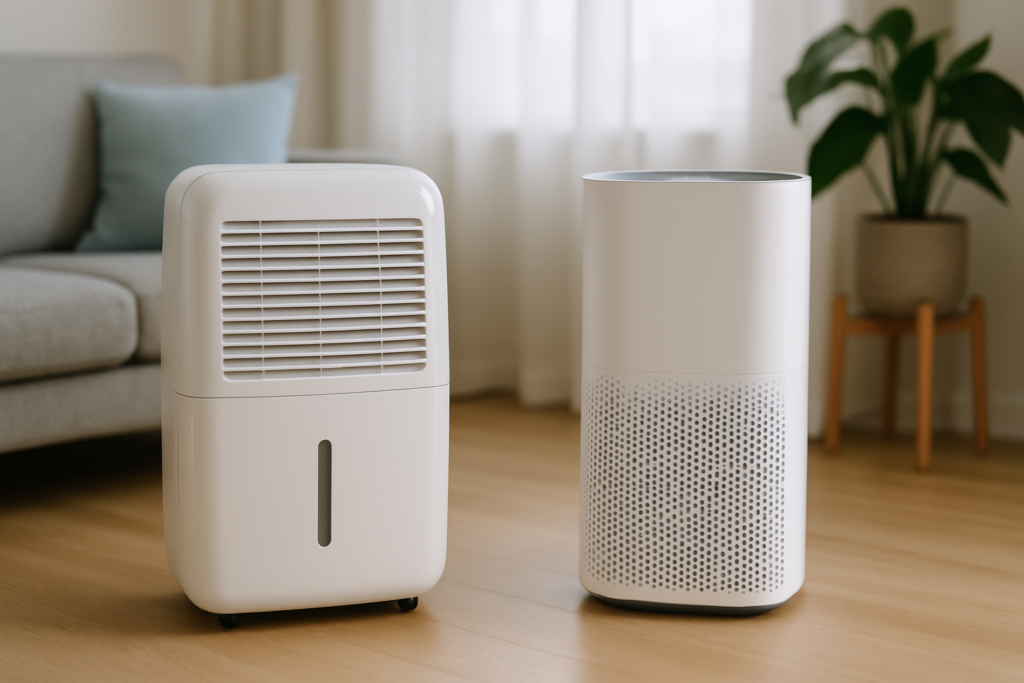
Dehumidifiers pull excess moisture out of your air by cooling it down until water vapor condenses into liquid, which then drains into a collection tank or through a hose. Most units work best when humidity levels exceed 50%, and they’re incredibly effective at bringing those numbers down to the ideal 30-50% range.
The benefits go way beyond just making your home feel less sticky. Lower humidity levels prevent mold and mildew growth, reduce dust mites (which thrive in humid conditions), and can even help preserve wooden furniture and musical instruments. Your energy bills might drop too, since dry air feels cooler than humid air at the same temperature.
You’ll find two main types of dehumidifiers. Refrigerant models work like tiny air conditioners and handle most home situations perfectly. Desiccant units use special materials to absorb moisture and work better in cooler spaces like basements or garages where refrigerant models struggle.
Frigidaire High Humidity 70-Pint Dehumidifier
Perfect for larger spaces and handles high humidity levels with reliable performance.
How Air Purifiers Work Their Magic
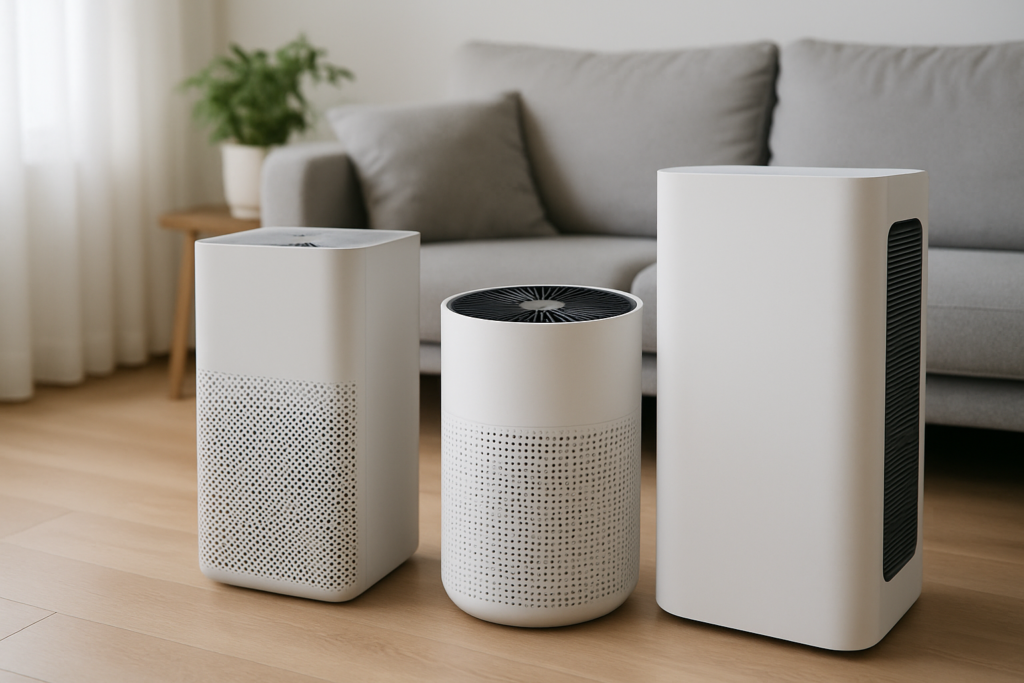
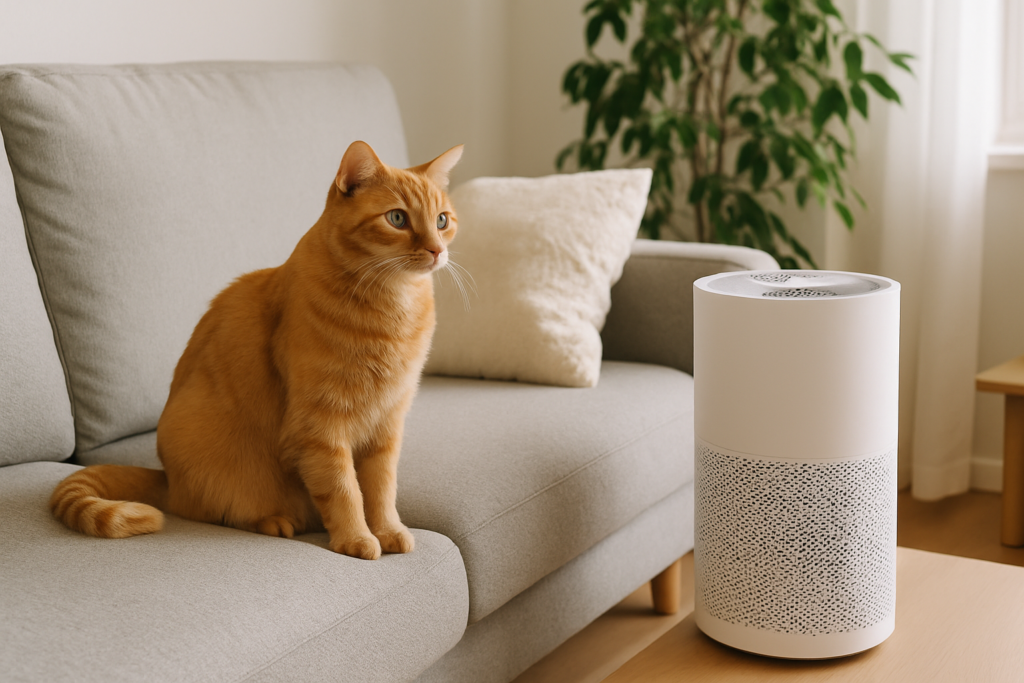
Air purifiers focus on removing particles, allergens, and pollutants from your air rather than moisture. Most use HEPA filters to trap particles as small as 0.3 microns, which includes dust, pollen, pet dander, and even some bacteria. Some models add activated carbon filters to tackle odors and gases, while others include UV lights or ionizers for extra cleaning power.
These devices excel at helping people with allergies or asthma breathe easier. They’re also fantastic if you live near busy roads, have pets, or deal with cooking odors that seem to linger forever. Many newer models can even capture smoke particles and some volatile organic compounds (VOCs) that off-gas from furniture and cleaning products.
The key difference from dehumidifiers is that air purifiers recirculate and clean your existing air without removing moisture. They’re constantly pulling air through their filtration system, so you’ll want to run them continuously in the rooms where you spend the most time.
Signs You Need a Dehumidifier
Recognizing humidity problems isn’t always obvious, but there are clear warning signs. Condensation on windows, especially during cooler months, is a dead giveaway that your indoor humidity is too high. You might also notice that musty smell in basements, closets, or bathrooms that just won’t go away no matter how much you clean.
Physical discomfort tells a story too. If your home feels stuffy or sticky even when the temperature is comfortable, or if you’re constantly adjusting the thermostat because the air feels “heavy,” humidity is likely the culprit. Check for water stains on walls or ceilings, peeling wallpaper, or wood that feels damp to the touch.
Mold growth is the most serious red flag. Small black spots in shower corners might seem normal, but mold spreading to other areas means your humidity levels are consistently too high. Dust mites also multiply rapidly in humid environments, which can worsen allergies even if you’re vacuuming regularly.
A simple hygrometer can confirm your suspicions by measuring exact humidity levels. You can pick up a basic digital model that will give you precise readings throughout your home.
When Air Purifiers Make More Sense
Air quality problems manifest differently than humidity issues. Frequent sneezing, watery eyes, or congestion that improves when you leave the house points to airborne allergens that an air purifier can handle. Pet owners often notice these symptoms even with regular grooming and cleaning.
Visible dust accumulation despite regular cleaning is another strong indicator. If you’re wiping down surfaces every few days and they’re dusty again quickly, your home’s air circulation isn’t effectively filtering particles. This is especially common in homes with forced-air heating and cooling systems that don’t have high-quality filters.
Cooking odors that spread throughout the house and linger for hours suggest you need better air filtration. Smoke from fireplaces, candles, or outdoor sources that seems to get trapped indoors also indicates poor air quality that an air purifier can address.
People with respiratory conditions like asthma often see significant improvement with air purifiers, particularly models with true HEPA filters. The constant air cleaning can reduce triggers that cause flare-ups.
Honeywell HPA300 HEPA Air Purifier
Covers large rooms effectively and uses true HEPA filtration for maximum particle removal.
When You Actually Need Both
Some homes face both humidity and air quality challenges simultaneously. Basements are perfect examples where high humidity creates mold risk while poor ventilation traps allergens and musty odors. Running both devices in these spaces tackles problems from multiple angles.
Homes in humid climates often benefit from both types of devices, especially during certain seasons. Summer months might require dehumidification to prevent mold, while spring pollen or fall leaf mold creates airborne particle issues that air purifiers handle better.
Pet owners in humid areas frequently need dual solutions. The dehumidifier keeps humidity low enough to prevent pet odors from getting trapped in fabrics, while the air purifier captures dander and hair that contributes to allergies.
Large homes sometimes need different solutions for different areas. Your basement might need dehumidification while bedrooms benefit more from air purification. This targeted approach often works better than trying to solve everything with one type of device.
Choosing the Right Size and Features
Dehumidifier capacity gets measured in pints of water removed per day. A 30-pint unit handles most bedrooms and small living spaces, while 50-70 pint models work better for larger areas or very humid conditions. Basements and whole-house applications often need units rated for 70+ pints daily.
Look for features like built-in pumps if you can’t easily empty a collection tank, or continuous drain options for unattended operation. Energy Star certification can save you money on electricity bills since these units often run for hours daily.
Air purifier sizing depends on room square footage and air changes per hour. Most manufacturers provide clear room size recommendations, but buy slightly larger capacity than you think you need for better performance. CADR (Clean Air Delivery Rate) ratings help compare different models objectively.
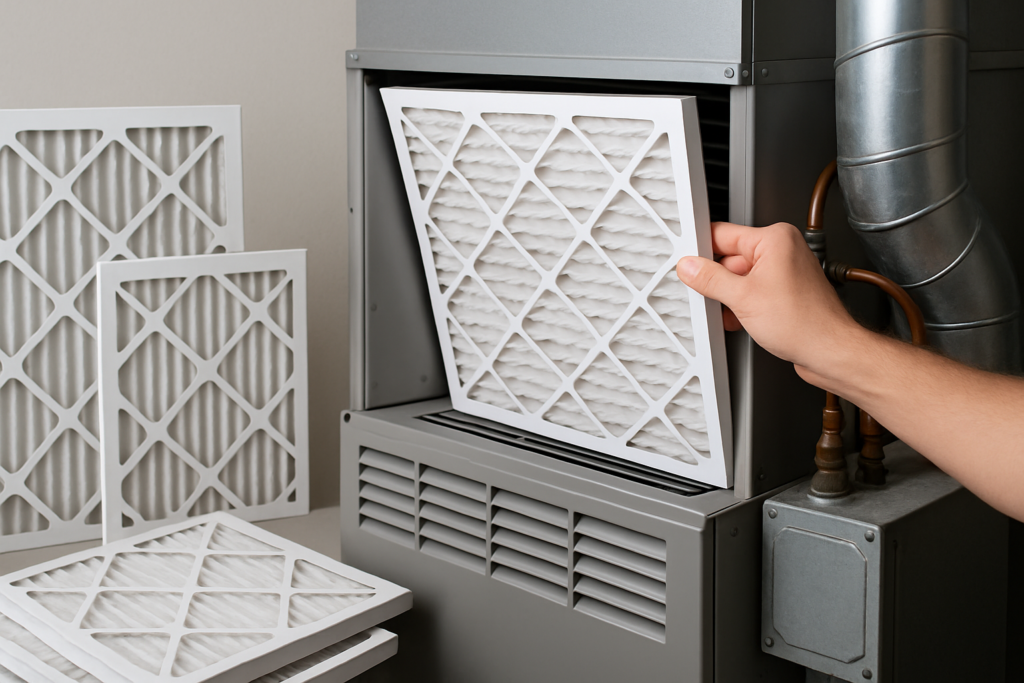
Filter replacement costs matter for air purifiers since you’ll be changing them every 6-12 months. HEPA filters can be expensive, so factor ongoing costs into your decision. Some units have washable pre-filters that reduce replacement frequency for the main filter.
Levoit Core 300 Air Purifier
Compact design perfect for bedrooms with quiet operation and affordable filter replacements.
Cost Considerations and Energy Usage
Operating costs vary significantly between device types. Dehumidifiers use more electricity than most air purifiers, especially larger units running in very humid conditions. Energy Star models can reduce consumption by 10-15%, which adds up over time.
Air purifiers generally use less power but run constantly, while dehumidifiers cycle on and off based on humidity levels. A typical bedroom air purifier might competitively priced-50 annually in electricity, while a basement dehumidifier could run competitively priced-200 depending on local rates and humidity levels.
Maintenance costs differ too. Dehumidifiers need occasional cleaning and might require repairs after several years of heavy use. Air purifiers have predictable filter replacement costs but fewer mechanical parts that can break.
Consider seasonal usage patterns. Dehumidifiers might only run during humid months, while air purifiers typically run year-round. This affects both energy costs and how quickly you’ll see return on your investment.
Installation and Maintenance Tips
Both devices work best with proper placement. Dehumidifiers need space around all sides for air circulation and should sit away from walls and furniture. Basements benefit from central locations, while upstairs units work well in hallways where they can draw air from multiple rooms.
Air purifiers should go in rooms where you spend the most time, typically bedrooms and living areas. Avoid corners and keep them away from walls that might block air intake. Running them continuously on lower settings often works better than intermittent high-speed operation.
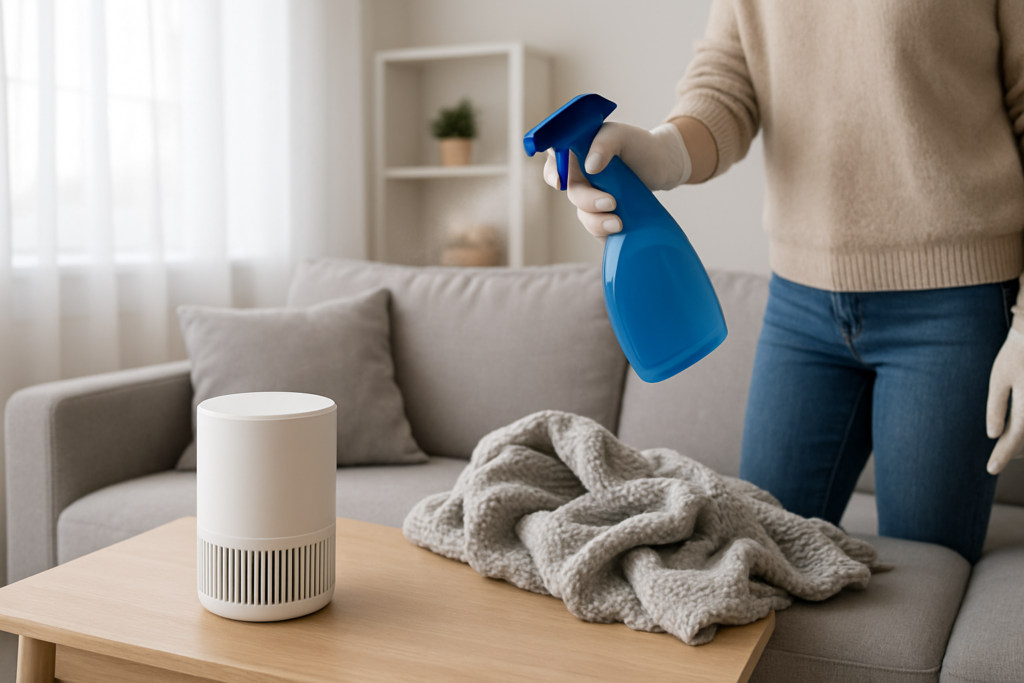
Regular cleaning extends equipment life significantly. Dehumidifiers need weekly tank cleaning and monthly coil dusting to maintain efficiency. Air purifiers benefit from monthly pre-filter cleaning and timely HEPA filter replacement based on usage indicators.
Both devices perform better when you address root causes too. Fixing air leaks, improving ventilation, and controlling moisture sources help your equipment work more efficiently and last longer.
Frequently Asked Questions
Can I use a dehumidifier and air purifier in the same room?
Absolutely. These devices complement each other perfectly since they address different air quality issues. Place them on opposite sides of the room for optimal air circulation, and make sure each has adequate space for air intake and output. Many people run both in basements, master bedrooms, or other areas where multiple air quality concerns exist.
Will a dehumidifier help with dust and allergens?
Dehumidifiers reduce dust mites and mold spores by creating an environment where they can’t thrive, but they don’t actively remove existing particles from the air. You’ll see fewer allergens over time as dust mite populations decrease, but an air purifier provides immediate particle removal that a dehumidifier can’t match.
How do I know if my humidity levels are actually too high?
Invest in a digital hygrometer to get accurate readings. Ideal indoor humidity ranges from 30-50%. Above 50% creates conditions for mold growth and dust mites, while below 30% can cause dry skin and respiratory irritation. Take readings in different rooms since humidity levels can vary significantly throughout your home.
Do air purifiers work if I keep windows open?
Air purifiers lose effectiveness with open windows since they constantly introduce new unfiltered air. You’ll still get some benefit, but the unit has to work much harder and won’t maintain the same air quality levels. Close windows when running air purifiers, or focus on natural ventilation instead during mild weather when outdoor air quality is good.
This article contains affiliate links. We may earn a small commission at no extra cost to you.