Sneezing, watery eyes, and congestion don’t have to be your daily reality. While expensive air purifiers and HEPA systems get all the attention, you can dramatically reduce indoor allergens with simple, budget-friendly strategies that target the root causes.
Your home’s biggest allergen sources aren’t mysterious. Dust mites love your mattress, pet dander settles into fabrics, and pollen hitchhikes on your clothes. The key is creating an environment where these allergens can’t thrive, using methods that cost far less than high-tech equipment.
Start with Your Bedroom: Mattress and Pillow Defense
Your mattress is allergen ground zero. Dust mites feed on dead skin cells, and the average mattress can harbor millions of them. An allergen-proof mattress cover creates an impermeable barrier that stops dust mites cold.
Look for covers with pore sizes smaller than 2.5 microns. This measurement matters because dust mite particles range from 10-40 microns, while their feces (the actual allergen) can be as small as 2.5 microns. Polyurethane-backed cotton covers work well, but microfiber options often feel less crinkly.
SafeRest Premium Hypoallergenic Waterproof Mattress Protector
Combines allergen protection with waterproofing in a quiet, breathable design
Don’t forget your pillows. Allergen-proof pillow covers go under your regular pillowcases and provide the same protection. Replace feather pillows with synthetic alternatives, as natural materials provide more food for dust mites.
Wash all bedding in water hotter than 130°F (54°C) weekly. This temperature kills dust mites instantly. Most hot water heaters are set to 120°F, so you might need to adjust yours or use the sanitize cycle on your washing machine if it has one.
Create a Weekly Cleaning System That Actually Works
Random cleaning sessions don’t control allergens effectively. You need a systematic approach that removes particles before they accumulate and become airborne.
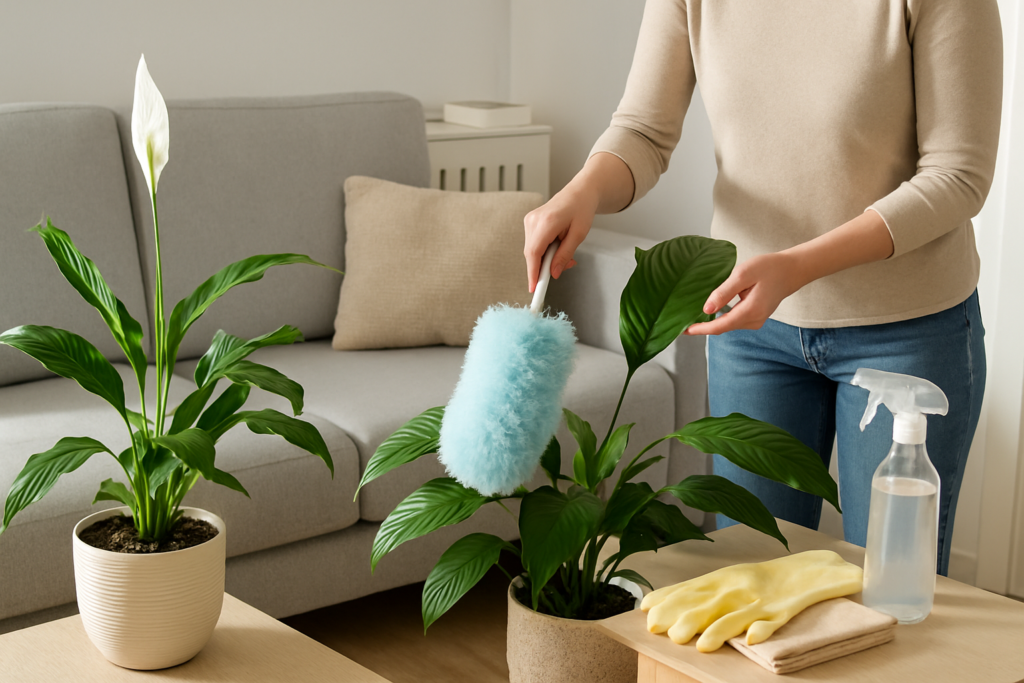
Start with damp dusting every surface weekly. Dry dusting just moves particles around. Use a microfiber cloth slightly dampened with water or a gentle cleaner. Microfiber’s electrostatic properties actually grab and hold particles instead of spreading them.
Vacuum twice weekly using proper technique. Move slowly (about one foot per second) and make overlapping passes. Fast vacuuming only gets surface debris. For carpets, make one pass in each direction to catch particles lying flat.
Shark Navigator Lift-Away Professional
Strong suction and sealed system prevent allergens from escaping back into your air
Focus on forgotten allergen traps. Ceiling fan blades collect massive amounts of dust and fling it around when running. Clean them monthly. Window treatments, especially horizontal blinds, need weekly attention. Vacuum upholstered furniture cushions and flip them regularly.
Don’t neglect your vacuum’s maintenance. Empty bagless models when they’re half full, not completely packed. Wash or replace filters according to the manufacturer’s schedule. A clogged vacuum actually spreads allergens instead of removing them.
Control Humidity Without Expensive Dehumidifiers
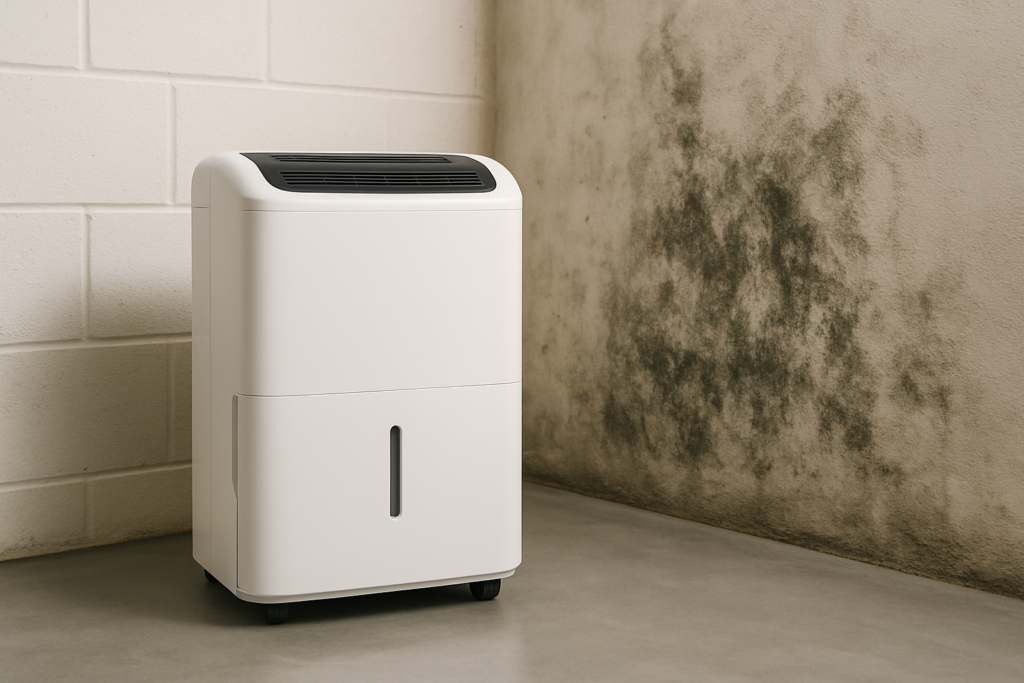
Dust mites thrive in humidity above 50%, while mold starts growing around 60%. You can control moisture levels using strategic ventilation and simple monitoring.
Use bathroom and kitchen exhaust fans religiously. Run them during showers and cooking, then leave them on for 30 minutes afterward. This single habit can dramatically reduce your home’s overall humidity.
Air conditioning naturally removes moisture from the air. Set your system to “auto” rather than “on” so the fan doesn’t circulate air constantly, giving the coils time to remove humidity effectively.
Monitor levels with a digital hygrometer. These inexpensive devices show exact humidity percentages. Place them in bedrooms and common areas to identify problem spots.
Address moisture sources directly. Fix leaking pipes promptly, ensure proper drainage around your foundation, and avoid overwatering houseplants. Indoor clotheslines add significant moisture to your air, especially in winter.
The Truth About Houseplants and Indoor Air Quality
The famous NASA study about air-purifying plants gets misinterpreted constantly. While plants like spider plants and snake plants can remove some airborne chemicals, they’re virtually useless against common allergens like dust mites, pet dander, and pollen.
Plants can actually increase allergen levels in sensitive people. Soil harbors mold spores, and overwatering creates perfect conditions for mold growth. Some plants produce their own allergenic compounds or pollen.
If you love houseplants, choose varieties wisely. Avoid flowering plants indoors, as these produce pollen. Plants with fuzzy or textured leaves collect dust and become allergen magnets themselves.
Keep plant-related allergens minimal by using quality potting soil, avoiding overwatering, and cleaning leaves regularly with a damp cloth. Consider placing plants in rooms where you spend less time, like entryways or guest bathrooms.
Smart Fabric and Flooring Choices
Your home’s surfaces determine how easily allergens accumulate and how difficult they are to remove. Making smart choices doesn’t require a complete renovation.
Replace heavy curtains with washable options or simple blinds. Fabric curtains trap allergens and are difficult to clean thoroughly. If you prefer the look of curtains, choose lightweight materials you can wash monthly in hot water.
Area rugs beat wall-to-wall carpeting for allergen control. You can wash smaller rugs regularly and choose low-pile options that don’t trap particles as deeply. Hardwood, tile, or luxury vinyl floors are easiest to keep allergen-free.
Bissell CrossWave Pet Pro All-in-One Wet Dry Vacuum
Simultaneously vacuums and washes hard floors, removing allergens more effectively than sweeping
Choose furniture with smooth surfaces over heavily textured fabrics. Leather and vinyl wipe clean easily, while microfiber repels allergens better than traditional upholstery fabrics. Avoid furniture with excessive tufting or decorative pillows that can’t be washed.
Replace fabric lampshades with washable or wipeable alternatives. These often-forgotten dust collectors can release particles every time you turn lights on or off.
Control What Enters Your Home
Prevention beats cleanup every time. Simple entry protocols can dramatically reduce the allergens that make it into your living spaces.
Establish a shoe-free policy or designated shoe area near entrances. Shoes track in pollen, dust, and other outdoor allergens. Provide comfortable slippers for guests and family members.
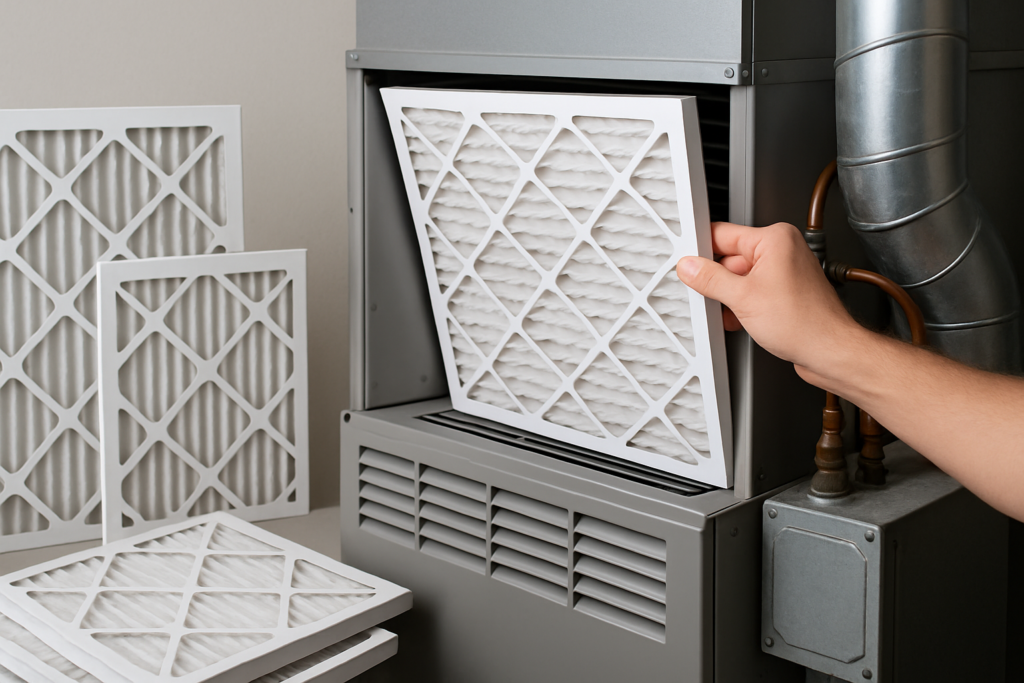
Install quality HVAC filters and change them regularly. MERV 11 filters capture most allergens without restricting airflow too much. Higher ratings can strain older systems, while lower ratings let particles pass through.
Keep windows closed during high pollen days. Check local pollen counts and plan accordingly. Early morning and windy days typically have the highest pollen levels.
Shower and change clothes after spending significant time outdoors during allergy season. Pollen clings to hair and clothing, then spreads throughout your home as you move around.
Pet-Specific Allergen Strategies
Pet dander requires targeted approaches beyond general cleaning. These proteins are smaller and stickier than other allergens, making them particularly stubborn.
Brush pets outside daily to remove loose fur and dander before it spreads indoors. Regular grooming reduces the amount of allergens pets shed naturally. Professional grooming every 4-6 weeks makes a noticeable difference.
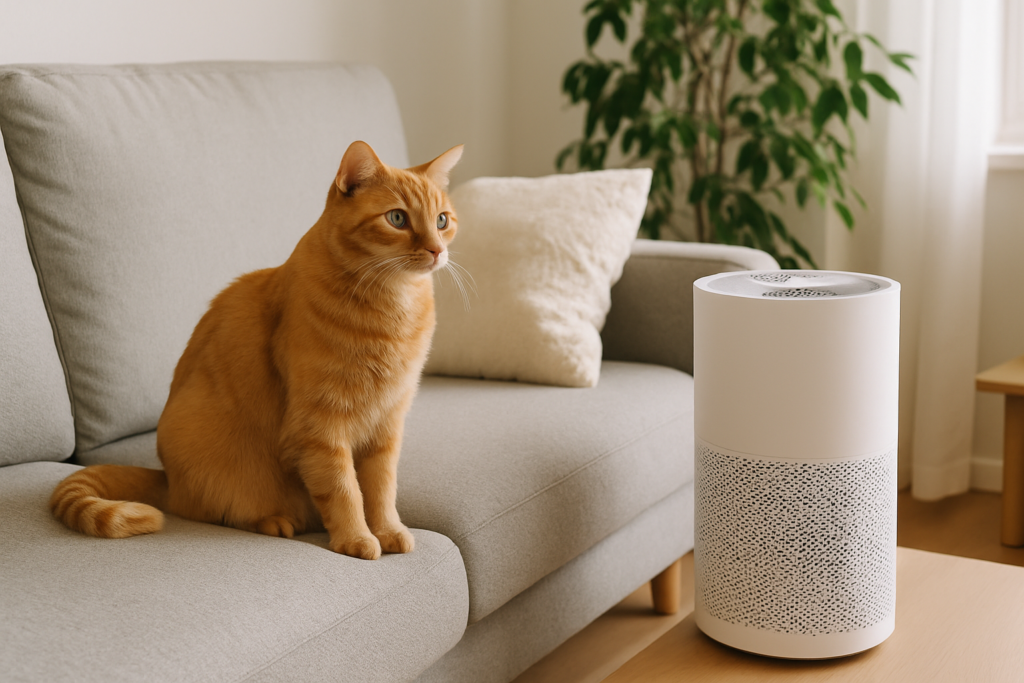
Create pet-free zones, especially bedrooms. Pet allergens can remain airborne for hours and settle into bedding where you’ll breathe them all night. Use pet gates to enforce boundaries without constant supervision.
Wash pet bedding in hot water weekly, just like human bedding. Choose pet beds with removable, washable covers rather than foam-only options that can’t be cleaned thoroughly.
Vacuum pet areas more frequently using tools specifically designed for pet hair. The rubber rake attachments that come with many vacuums work better than standard brushes for removing embedded pet hair from upholstery.
Frequently Asked Questions
How long does it take to see results from these allergen reduction methods?
You’ll likely notice improvements within 2-3 weeks of consistent implementation. Dust mite populations need about two weeks to decline significantly after you eliminate their food sources and breeding conditions. Airborne particles clear within days of improved cleaning routines, but embedded allergens in fabrics and carpets take longer to fully remove.
Which single change makes the biggest difference for most people?
Installing allergen-proof mattress and pillow covers typically provides the most immediate relief. Since you spend 6-8 hours breathing in your bedroom, eliminating dust mites from your sleep environment often produces noticeable improvements within the first week. This change also requires minimal ongoing maintenance once installed.
Can I use essential oils or natural sprays to reduce allergens?
Essential oils and natural sprays don’t effectively eliminate allergens and can actually trigger reactions in sensitive people. These products might temporarily mask odors or provide aromatherapy benefits, but they don’t remove dust mites, pet dander, or pollen particles. Stick with proven physical removal methods like washing, vacuuming, and barrier protection.
How do I know if my efforts are working without expensive allergy testing?
Track your symptoms using a simple diary noting daily severity levels from 1-10 for sneezing, congestion, and eye irritation. Take photos of areas you’re treating so you can visually compare dust accumulation over time. Pay attention to sleep quality and morning stuffiness, as bedroom allergen reduction often improves these first. If symptoms persist after 4-6 weeks of consistent efforts, consult an allergist for professional testing.
This article contains affiliate links. We may earn a small commission at no extra cost to you.