If you’re constantly battling dust buildup and seasonal allergies in your home, you know how frustrating it can be to find real relief. While regular cleaning helps, airborne particles are relentless, and traditional methods often fall short of capturing the microscopic allergens that trigger your symptoms.
A quality HEPA air purifier can transform your indoor air quality by removing 99.97% of particles as small as 0.3 microns. This includes dust mites, pollen, pet dander, and other common allergens that make life miserable for sensitive individuals. Let me walk you through the best options available in 2026, broken down by room size and specific needs.
What Makes an Air Purifier Effective for Dust and Allergies
Not all air purifiers are created equal when it comes to tackling allergens. You need a unit with a true HEPA filter, which is the gold standard for particle removal. These filters must meet strict standards to earn the HEPA certification.
The Clean Air Delivery Rate (CADR) is equally important. This number tells you how much clean air the purifier produces per minute for specific particle types: dust, pollen, and smoke. Higher CADR ratings mean faster and more efficient cleaning for your room size.
Look for units with separate ratings for each particle type. Dust CADR should be your primary concern, but pollen CADR matters too if you suffer from seasonal allergies. The smoke CADR indicates how well it handles the smallest particles.
Best Air Purifiers for Small Rooms (Up to 200 sq ft)
Small bedrooms and offices need compact units that won’t overwhelm the space while still delivering powerful filtration. The Levoit Core 300 consistently ranks as a top performer in this category.
This unit delivers impressive CADR ratings of 141 CFM for dust and 145 CFM for pollen, making it ideal for rooms up to 219 square feet. The three-stage filtration system includes a pre-filter, true HEPA filter, and activated carbon filter to tackle odors alongside allergens.
Levoit Core 300
Perfect size for bedrooms with excellent dust and allergen removal at whisper-quiet operation levels
The Core 300 operates at just 24dB on its lowest setting, making it virtually silent during nighttime use. You’ll barely notice it running, which is crucial for bedroom placement. Filter replacements are needed every 6-8 months with moderate use.
Another strong contender is the Winix 5300-2, which adds PlasmaWave technology to break down allergens at the molecular level. This extra feature helps with particularly stubborn allergens that might otherwise recirculate.
Medium Room Champions (200-400 sq ft)
Medium-sized living rooms and larger bedrooms require more powerful units with higher air circulation rates. The Coway AP-1512HH Mighty has earned its reputation as the go-to choice for this room size range.
With CADR ratings of 233 CFM for dust and 240 CFM for pollen, the Mighty handles spaces up to 361 square feet effectively. Its four-stage filtration system includes a pre-filter, deodorization filter, true HEPA filter, and vital ion feature.
The air quality indicator changes colors based on current conditions, giving you real-time feedback about your indoor air. This visual cue helps you understand when the unit needs to work harder and when your air quality improvements are taking effect.
Coway AP-1512HH Mighty
Industry favorite with excellent CADR ratings and smart air quality monitoring for medium rooms
Energy efficiency is another strong point for the Mighty. It uses just 77 watts on its highest setting and earned Energy Star certification. The eco mode automatically adjusts fan speed based on air quality, saving energy when full power isn’t needed.
Filter replacement costs are reasonable, with the HEPA filter lasting about 12 months under normal use. The pre-filter is washable, which helps extend the life of the more expensive HEPA filter.
Large Room Powerhouses (400+ sq ft)
Open floor plans and large living spaces demand serious air moving capacity. The Honeywell HPA300 stands out as the heavy-duty option that can handle up to 465 square feet.
This unit boasts impressive CADR ratings of 320 CFM for dust, making it one of the most powerful consumer air purifiers available. The turbo setting can clean the air in a large room up to 4.8 times per hour, ensuring rapid allergen removal.
The HPA300 features a simple but effective design with a true HEPA filter and activated carbon pre-filter. While it lacks some of the smart features found in other units, its raw cleaning power makes up for the simplicity.
Noise levels are reasonable considering the high airflow capacity. The lowest setting operates at about 40dB, while the turbo mode reaches around 60dB. You’ll definitely hear it working on higher settings, but the trade-off in cleaning power is worthwhile for large spaces.
Honeywell HPA300
Highest CADR ratings available for large rooms with proven reliability and powerful allergen removal
Filter costs are higher due to the unit’s size, but the cleaning capacity justifies the expense. Expect to replace the HEPA filter annually and the pre-filter every three months with regular use.
Smart Features and Advanced Options
Modern air purifiers offer connectivity features that enhance their effectiveness for allergy management. The Dyson Pure Cool TP04 combines air purification with oscillating fan functionality and smartphone app control.
The Dyson app provides detailed air quality reports, including specific allergen levels throughout the day. You can track pollen counts, dust levels, and other particles to identify patterns in your indoor air quality. This data helps you understand when allergens are highest and adjust the unit accordingly.
WiFi connectivity allows remote operation, scheduling, and monitoring. You can turn the unit on before arriving home or adjust settings from bed without getting up. These conveniences matter more than you might expect once you start using them regularly.
The TP04 also functions as a bladeless fan, providing cooling airflow during warmer months. This dual functionality can replace both an air purifier and fan in smaller spaces, though the air purification CADR ratings are moderate compared to dedicated units.
Filter Costs and Maintenance Considerations
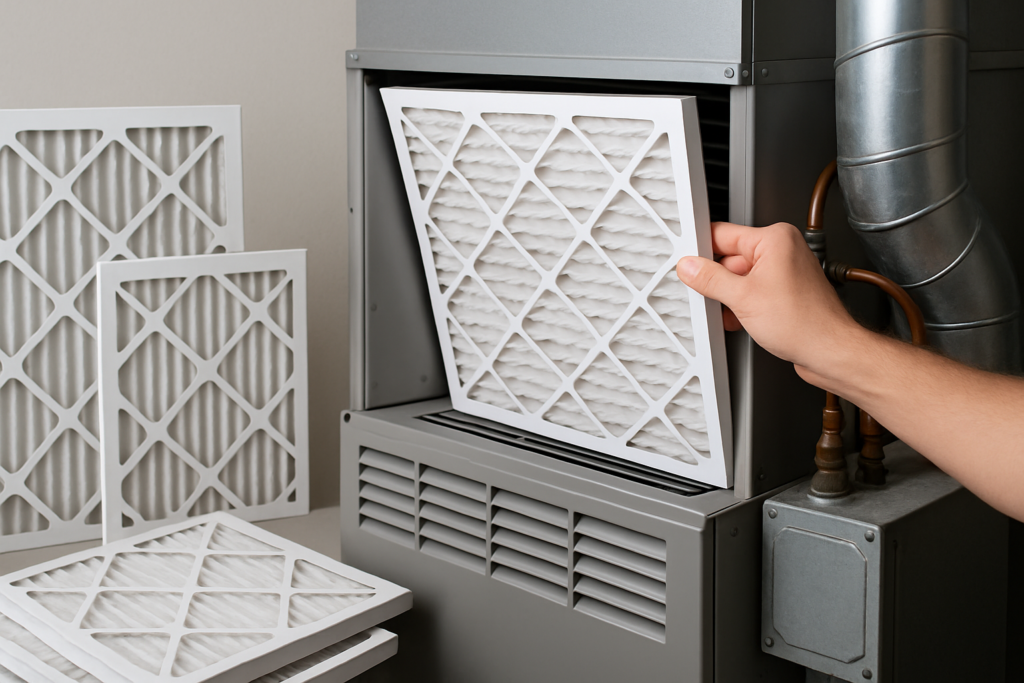
Long-term operating costs vary significantly between models and can impact your total ownership expense. HEPA filters typically need replacement every 12-18 months, while pre-filters might require changing every 3-6 months.
The Blueair Blue Pure 211+ offers some of the most affordable filter replacement costs in the medium-to-large room category. The simple design uses fewer filter stages, reducing ongoing expenses while maintaining excellent performance.
Calculate annual filter costs when comparing units. A purifier with higher upfront costs might save money over time if replacement filters are more affordable. Factor in your usage patterns too, since running units on higher speeds will wear out filters faster.
Some units include filter replacement indicators that monitor actual usage and air quality rather than just time elapsed. These smart indicators help you avoid premature filter changes while ensuring you don’t run filters beyond their effective lifespan.
Blueair Blue Pure 211+
Excellent performance with the lowest ongoing filter costs for medium to large rooms
Noise Levels and Bedroom Placement
Bedroom air purifiers need to balance cleaning power with quiet operation for quality sleep. Most units offer multiple fan speeds, allowing you to prioritize silence during sleeping hours and boost power when rooms are unoccupied.
Decibel ratings below 30dB are considered whisper-quiet, while anything above 50dB becomes noticeable during quiet activities. The best bedroom units operate around 25-30dB on their lowest settings while still providing meaningful air cleaning.
Placement affects both performance and noise perception. Position units at least three feet from your bed and avoid corners where sound can reflect and amplify. Central room placement typically provides the best air circulation patterns.
Timer functions help optimize bedroom use by running higher speeds during the day and automatically switching to quiet modes at bedtime. Some units include sleep modes that dim displays and reduce fan speeds automatically.
Frequently Asked Questions
How often should I run my air purifier for allergies?
Run your air purifier continuously for best results, especially during high pollen seasons. Most modern units are energy-efficient enough for 24/7 operation. Use higher speeds during the day when you’re not home, then switch to lower, quieter settings for sleeping. Continuous operation maintains consistent air quality rather than playing catch-up with accumulated allergens.
What room size should I use for CADR calculations?
Measure your actual room dimensions, including any connected open areas where air circulates freely. For allergy relief, choose a purifier rated for 1.5 times your room size to ensure adequate air changes per hour. This oversizing accounts for furniture that reduces effective air circulation and provides faster allergen removal during high-pollen days.
Do air purifiers help with pet allergies specifically?
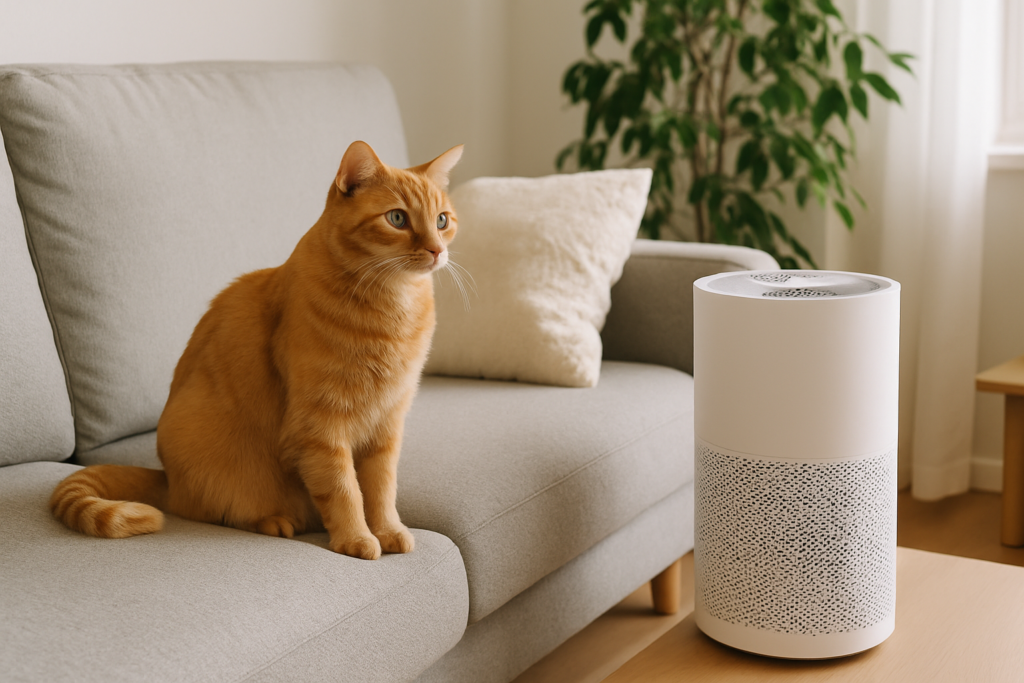
Yes, HEPA air purifiers excel at capturing pet dander, which consists of tiny skin flakes that trigger allergic reactions. Pet dander particles range from 0.5 to 10 microns, well within HEPA filtration capabilities. However, you’ll still need regular cleaning of surfaces where dander settles, as air purifiers only capture airborne particles.
Can I use generic replacement filters to save money?
Generic filters may fit your unit but often lack the same filtration efficiency and airflow characteristics as original filters. This can reduce performance and potentially damage your purifier’s motor due to incorrect airflow resistance. Stick with manufacturer-recommended filters to maintain warranty coverage and optimal allergen removal performance.
Choosing the right air purifier for dust and allergies comes down to matching cleaning capacity with your room size and specific needs. Focus on CADR ratings, filter quality, and long-term operating costs rather than flashy features that don’t improve air quality. The units recommended here have proven track records for allergen removal and reliable performance.
This article contains affiliate links. We may earn a small commission at no extra cost to you.