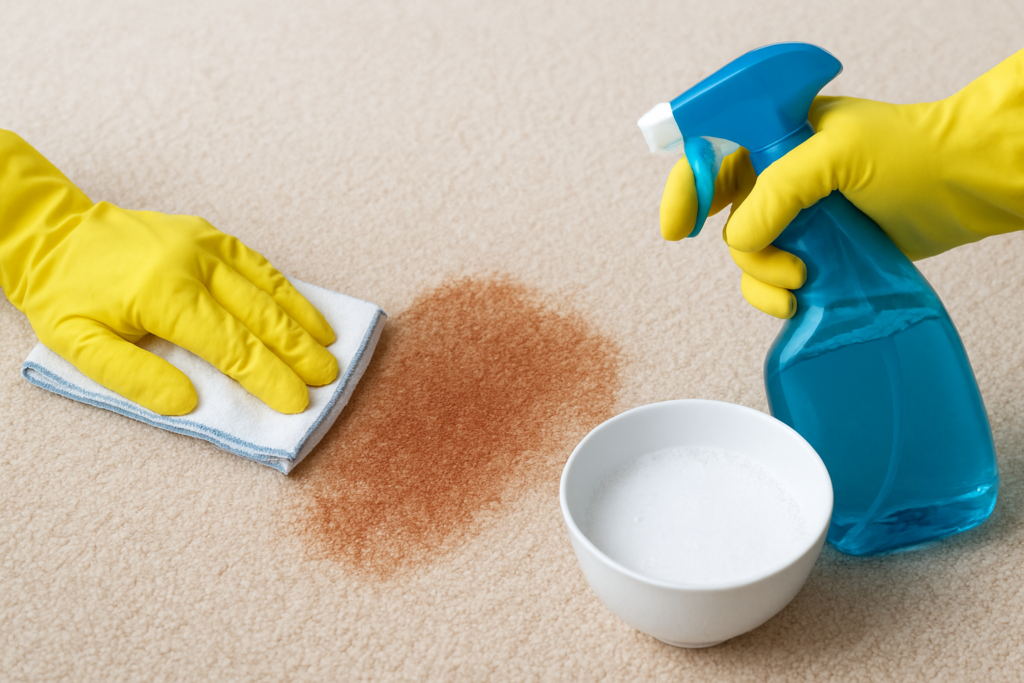
Every homeowner knows that sinking feeling when you watch red wine splash across your cream carpet or notice muddy paw prints trailing through your living room. Carpet stains seem to happen at the worst possible moments, and without the right approach, what starts as a small accident can become a permanent eyesore.
The truth is that most carpet stains can be completely removed if you know the right technique for each type. Different stains require different approaches, and using the wrong method can actually set the stain deeper into the fibers. This guide breaks down the specific steps for tackling every common stain you’re likely to encounter.
Wine Stains: Act Fast for Best Results
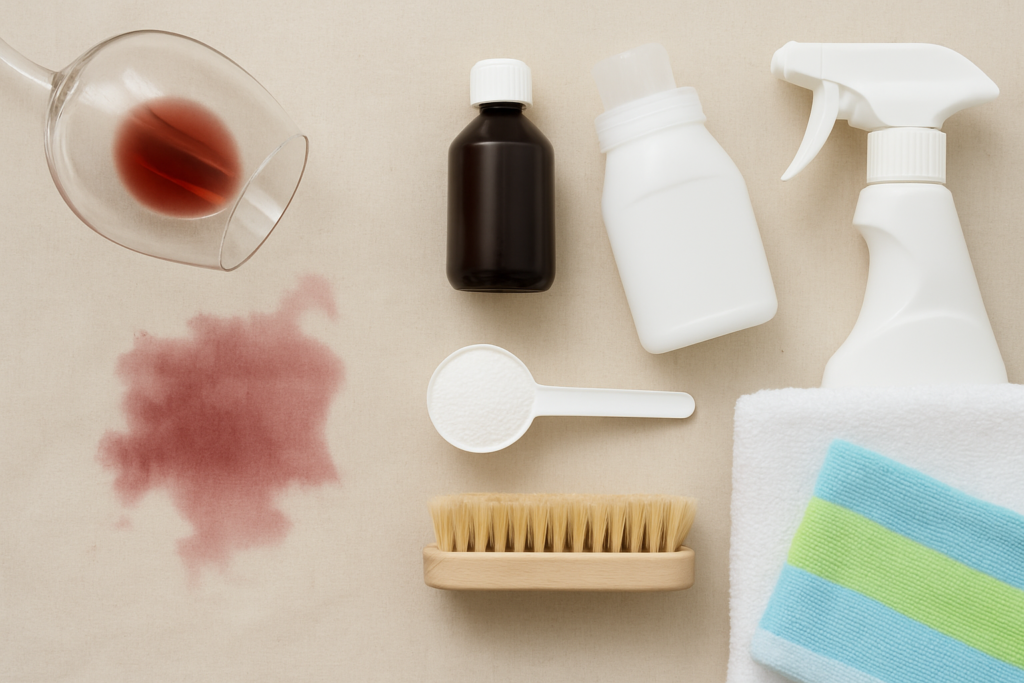
Wine stains look dramatic, but they’re actually one of the easier stains to remove when you catch them early. The key is working from the outside of the stain toward the center to prevent spreading.
Start by blotting up as much liquid as possible with clean paper towels. Don’t rub or scrub, which pushes the wine deeper into the carpet fibers. Once you’ve absorbed the excess, mix one tablespoon of liquid dish soap with one tablespoon of white vinegar and two cups of warm water.
Apply this solution to the stain using a clean cloth, working from the edges inward. Blot the area repeatedly with a dry cloth to lift the wine. For stubborn stains, sprinkle salt over the wet area and let it sit for 10 minutes before vacuuming up the salt and repeating the cleaning process.
Folex Instant Carpet Spot Remover
Professional-grade formula that works exceptionally well on wine and other liquid stains
Coffee Stains: Two-Step Approach
Coffee stains are particularly tricky because they contain both water-soluble and oil-based compounds. The tannins in coffee can set quickly, so speed matters here too.
First, blot up the spilled coffee immediately. Mix one-third cup of white vinegar with two-thirds cup of water and apply it to the stain. Let this sit for about 10 minutes, then blot with clean towels.
For the second step, create a paste using three parts baking soda to one part water. Spread this paste over the stain and let it dry completely, usually overnight. Vacuum up the dried paste in the morning. This two-step process tackles both the liquid and any oily residue from cream or milk.
If the coffee contained cream or sugar, you might need a enzyme carpet cleaner to break down the proteins and sugars completely.
Blood Stains: Cold Water Is Critical
Blood stains require a completely different approach because heat will set the proteins permanently. Always use cold water when dealing with blood, never hot or warm.
For fresh blood, immediately rinse the area with cold water, working from the outside edges toward the center. Blot with clean cloths to absorb the blood and water mixture.
Mix one tablespoon of liquid laundry detergent with two cups of cold water. Apply this solution and blot repeatedly. For dried blood stains, make a paste with cold water and meat tenderizer (the enzymes break down the blood proteins). Apply the paste, let it sit for 30 minutes, then rinse with cold water and blot dry.
Hydrogen peroxide also works well on blood, but test it in an inconspicuous area first as it can bleach some carpet colors.
Ink Stains: Alcohol-Based Solutions Work Best
Ink stains vary depending on the type of pen, but most respond well to rubbing alcohol. The alcohol dissolves the ink without spreading it further into the carpet fibers.
Dab a clean cloth with rubbing alcohol and press it onto the ink stain. Don’t rub, just press and lift repeatedly. You’ll see the ink transfer to the cloth. Keep moving to clean sections of the cloth as you work.
For ballpoint pen ink, try using a cotton swab dipped in rubbing alcohol for more precise application. Gel pen ink often requires a stronger solvent like acetone or nail polish remover, but test these in a hidden area first.
Carbona Stain Devils Ink and Crayon Remover
Specifically formulated for ink stains and works on both fresh and set-in marks
After treating with alcohol, clean the area with a mixture of dish soap and water to remove any residue, then blot dry with clean towels.
Grease and Oil Stains: Absorption First
Grease stains need immediate absorption before any wet cleaning. The goal is to pull out as much oil as possible before it spreads or sets into the carpet backing.
Sprinkle cornstarch, baking soda, or even baby powder generously over the fresh grease stain. These powders absorb the oil effectively. Let the powder sit for at least 15 minutes, or longer for large stains. Vacuum up the powder completely.
Next, mix one teaspoon of dish soap (choose a grease-cutting formula like Dawn) with one cup of warm water. Apply this solution and work it in gently with a soft brush. The dish soap breaks down the remaining grease. Blot with clean towels, rinse with plain water, and blot dry.
For older, set-in grease stains, you might need to repeat this process several times. A dry cleaning solvent can also be effective for stubborn grease marks.
Chocolate Stains: Temperature Control Matters
Chocolate combines the challenges of both grease and protein stains, so your approach needs to address both components. Temperature control is crucial because heat will melt the chocolate and spread it further.
Let any chocolate harden completely before attempting removal. Use a dull knife or spoon to scrape away as much solid chocolate as possible. Work carefully to avoid grinding it deeper into the carpet.
Mix one tablespoon of liquid laundry detergent with two cups of cool water. Apply this solution and blot repeatedly. The detergent helps break down both the cocoa solids and any milk proteins in the chocolate.
For the greasy component from cocoa butter, follow up with the grease removal technique: apply a small amount of dish soap directly to any remaining stain, work it in gently, then rinse and blot dry.
Mud Stains: Patience Prevents Problems
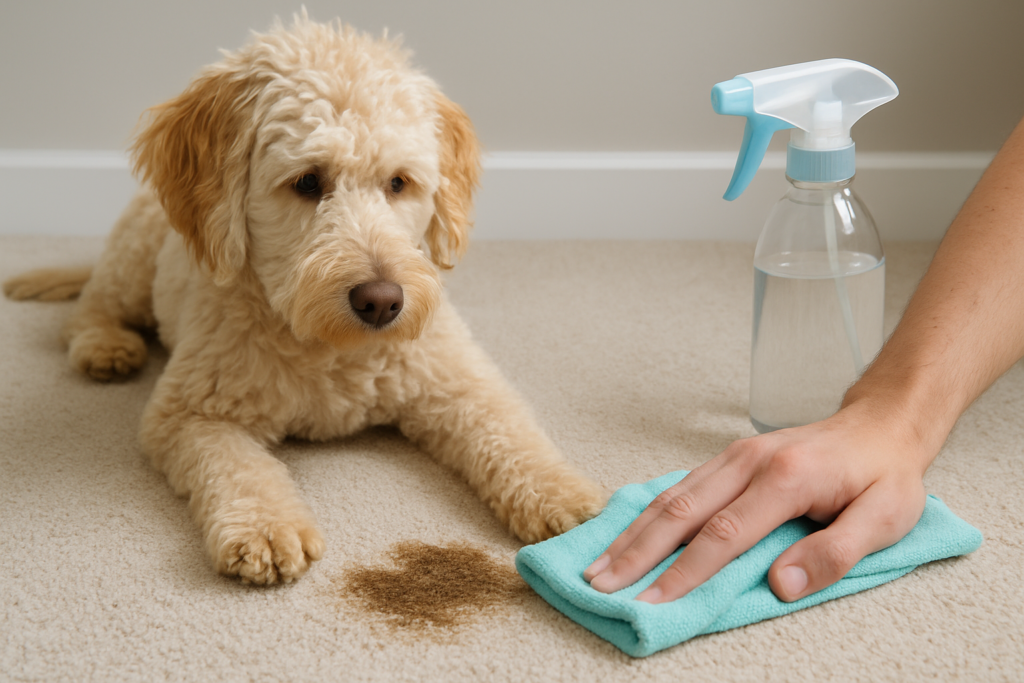
Mud stains tempt you to clean them immediately, but wet mud spreads easily and pushes deeper into carpet fibers. The best approach requires patience.
Let the mud dry completely. This might take several hours, but dried mud is much easier to remove than wet mud. Once dry, vacuum up as much as possible using your vacuum’s hose attachment.
Mix one teaspoon of liquid dish soap with one cup of warm water. Apply this solution to the remaining stain and let it sit for 10 minutes to loosen the soil. Blot with clean cloths, working from the outside edges inward.
Bissell Professional Pet Stain and Odor Remover
Excellent for mud and dirt stains, plus it eliminates any odors that might be trapped with organic matter
For ground-in mud or clay-based soil, you might need to use a soft brush to work the cleaning solution into the carpet fibers. Always brush gently to avoid damaging the carpet texture.
General Tools and Supplies You’ll Need
Having the right tools on hand makes stain removal much more effective. Keep these items in your cleaning supply closet for quick response to spills.
Clean white cloths or paper towels are essential for blotting. Avoid colored cloths that might transfer dye to your carpet. A set of white microfiber cloths works particularly well because they’re highly absorbent and won’t leave lint behind.
Stock up on basic cleaning ingredients: white vinegar, baking soda, liquid dish soap, rubbing alcohol, and hydrogen peroxide. These handle the majority of common stains when used correctly.
A spray bottle lets you apply cleaning solutions evenly without oversaturating the carpet. A soft-bristled brush helps work solutions into the fibers for stubborn stains, while a wet/dry vacuum can be invaluable for extracting cleaning solutions and moisture.
When to Call Professionals
Some situations require professional intervention, and recognizing these early can save you from making permanent damage to your carpet.
Large stains covering more than a few square feet are difficult to treat evenly with home methods. Professional equipment can extract cleaning solutions more thoroughly and dry the carpet faster to prevent mold growth.
Stains that have set for weeks or months often need commercial-strength treatments that aren’t available to consumers. Delicate or expensive carpets, particularly wool or silk blends, can be damaged by aggressive home cleaning attempts.
Rug Doctor Deep Carpet Cleaner
Professional-level extraction cleaning for tackling multiple stains or whole-room cleaning
If you’ve tried the appropriate technique twice without success, professional cleaning is usually more cost-effective than continued DIY attempts that might set the stain permanently.
Frequently Asked Questions
How long do I have to treat a stain before it becomes permanent?
Most liquid stains should be treated within 24-48 hours for best results. Protein-based stains like blood or food can set within a few hours, especially in warm conditions. Oil-based stains have a longer window but become progressively harder to remove after a week. The key is acting as quickly as possible while using the correct technique for each stain type.
Can I use the same cleaning solution for different types of stains?
Different stains require different chemical approaches for effective removal. Using the wrong solution can actually set some stains permanently. For example, heat or alkaline solutions will set protein stains like blood, while acidic solutions work well on alkaline stains like coffee. Keep different cleaning solutions on hand and match them to the specific stain type.
Why do some stains come back after I clean them?
Stains that reappear after cleaning usually indicate incomplete removal of the staining substance. This happens most often when the stain has soaked through to the carpet backing or padding. The remaining residue wicks back up to the surface as the carpet dries. Professional extraction cleaning can address this issue by removing the stain from deeper layers.
Is it safe to mix different cleaning products for tough stains?
Never mix different cleaning chemicals, as this can create dangerous reactions or ineffective solutions. Some combinations, like bleach and ammonia, produce toxic gases. Others simply cancel each other out chemically. Stick to one cleaning method at a time, rinse thoroughly between different treatments, and allow the carpet to dry completely before trying a different approach.
This article contains affiliate links. We may earn a small commission at no extra cost to you.