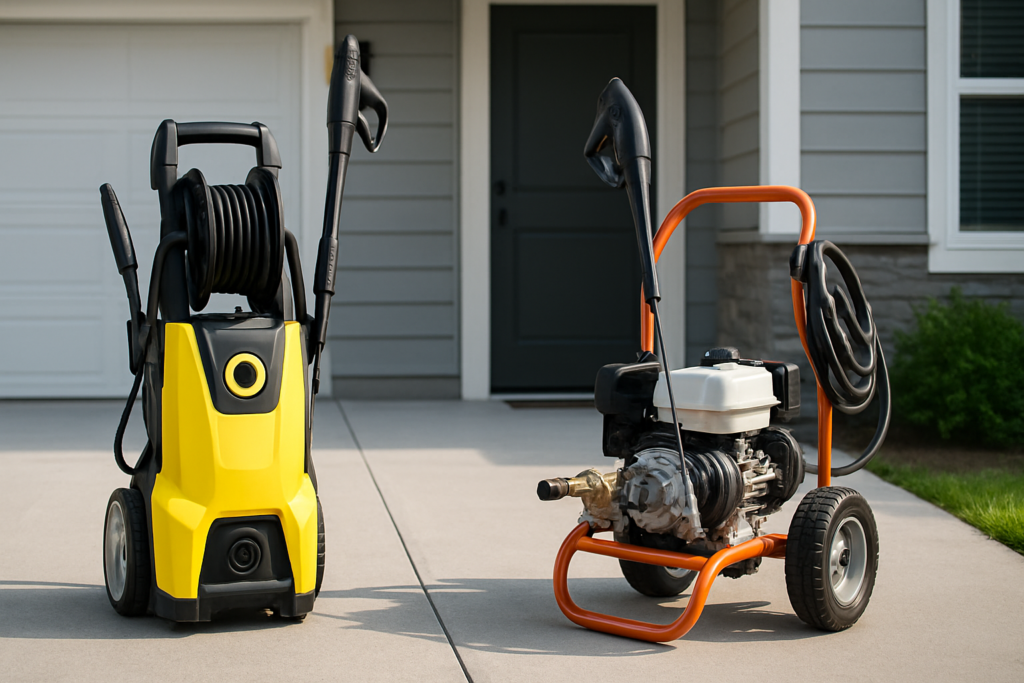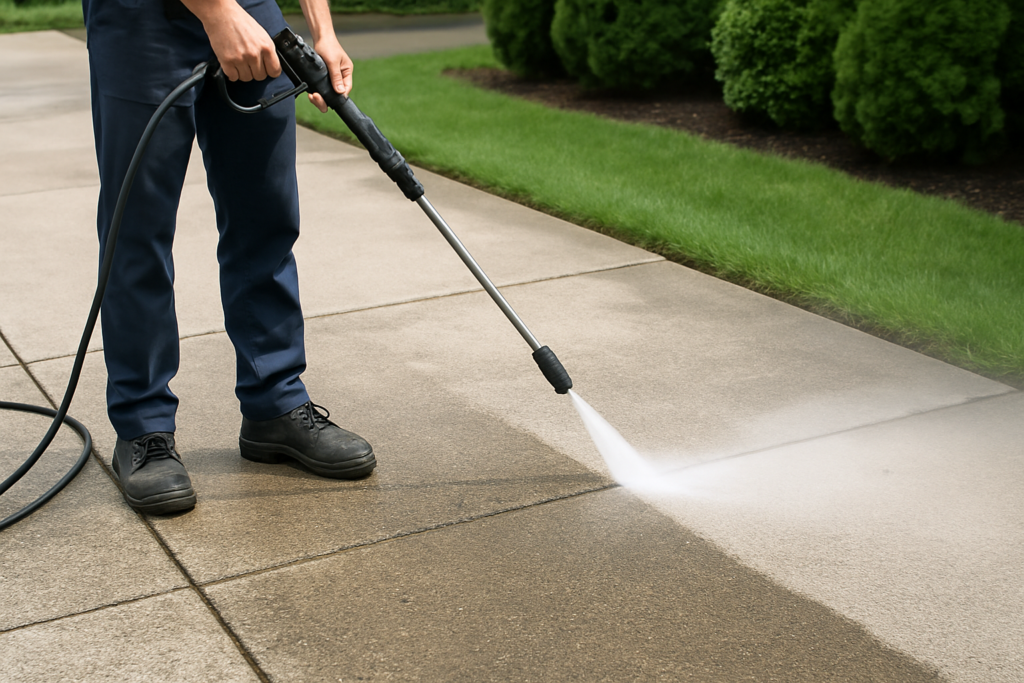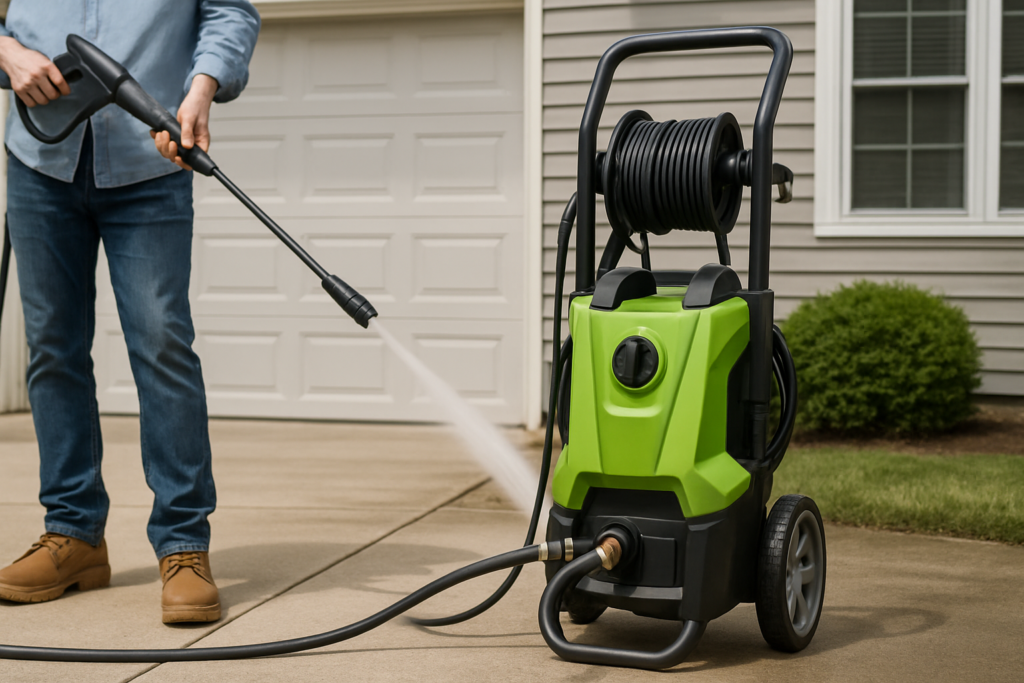
Your vinyl siding looked perfect when it was first installed, but now it’s covered in dirt, mildew, and who knows what else. You might think you need a pressure washer to get it clean, but that’s not always the case. In fact, pressure washing can actually damage vinyl siding if done incorrectly, forcing water behind the panels or cracking the material.
The soft wash method is a gentler, more controlled approach that’s often more effective than pressure washing. You’ll get better results while protecting your investment, and you probably already have most of the tools you need at home.
The Soft Wash Method: Your Best Bet for Clean Siding
Soft washing uses low-pressure water combined with specialized cleaning solutions to remove dirt, algae, and mildew without the risk of damage. This method works particularly well on vinyl because it gives the cleaning solution time to break down stubborn stains and organic growth.
Start by mixing your cleaning solution in a pump sprayer. For most situations, combine one part white vinegar with three parts water, plus a few drops of dish soap. This mixture handles everyday dirt and light mildew effectively.
Chapin 4 Gallon Backpack Sprayer
A reliable pump sprayer that makes applying cleaning solution to large areas much easier.
Apply the solution from bottom to top in manageable sections, letting it sit for 10-15 minutes. This dwell time is crucial because it allows the solution to break down the grime rather than just pushing it around. After the solution has done its work, rinse from top to bottom with your garden hose.
Essential Tools and DIY Cleaning Solutions
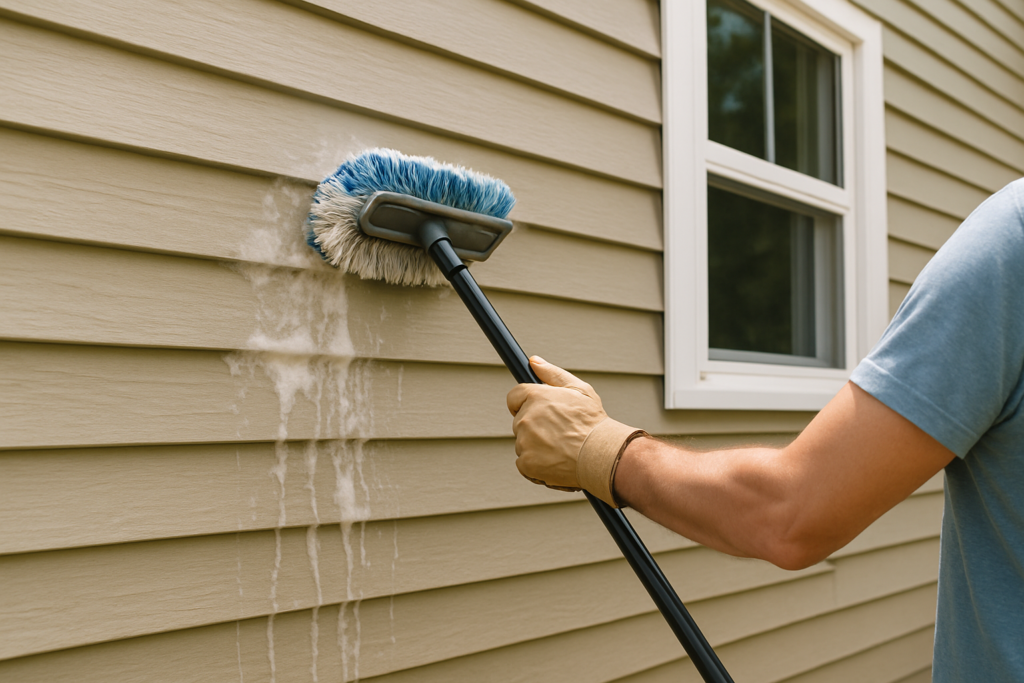
Beyond your pump sprayer, you’ll need a few basic tools. A soft-bristled brush with an extension handle helps scrub stubborn spots without a ladder. A regular garden hose with a spray nozzle provides enough water pressure for rinsing without the risks of a pressure washer.
For tougher stains, upgrade your cleaning solution. Mix one cup of oxygen bleach powder with one gallon of warm water. Oxygen bleach is safer than chlorine bleach and won’t harm your plants or discolor your siding. Add a tablespoon of liquid dish soap to help the solution stick to vertical surfaces.
OxiClean Versatile Stain Remover Powder
This oxygen bleach formula tackles tough stains without the harsh effects of chlorine bleach.
For really stubborn areas, you can make a paste using baking soda and water. Apply it directly to stains, let it sit for 30 minutes, then scrub gently with your soft brush before rinsing.
Dealing with Mold and Mildew
Mold and mildew require a stronger approach, but you still don’t need a pressure washer. Mix one part white vinegar with one part water, or use a solution of one cup chlorine bleach to one gallon of water (but never mix bleach with other cleaners).
When working with mold and mildew, wear protective gear including gloves, eye protection, and a mask. Apply the solution generously and let it sit for at least 15 minutes. The key is giving the solution enough time to kill the organisms, not just clean the surface.
For recurring mold problems, check your gutters and downspouts. Poor drainage often creates the moisture conditions that allow mold to thrive. Fix drainage issues to prevent the problem from returning.
When to Call in the Professionals
Some situations are better left to professional cleaners. If your home is more than two stories tall, the safety risks of cleaning it yourself probably aren’t worth it. Professional cleaners have the equipment and experience to work safely at height.
You should also consider hiring professionals if you’re dealing with extensive mold growth, particularly if it covers more than 10 square feet in a single area. Large mold infestations may indicate underlying moisture problems that need professional assessment.
Additionally, if your vinyl siding is very old or has existing damage like cracks or loose panels, professionals can clean it while identifying areas that need repair before they become bigger problems.
Frequently Asked Questions
How often should I clean my vinyl siding?
Clean your vinyl siding annually, or twice a year if you live in a humid climate or near trees. Regular cleaning prevents buildup that becomes harder to remove over time. Spring and fall are ideal times because the weather is mild and you can spot any winter damage or prepare for harsh weather.
Can I use a regular household cleaner on vinyl siding?
Stick to mild cleaners like dish soap, white vinegar, or oxygen bleach. Avoid abrasive cleaners, acetone, or anything containing ammonia if you’re also using bleach. Many commercial vinyl siding cleaners are available, but homemade solutions work just as well for most situations.
This article contains affiliate links. We may earn a small commission at no extra cost to you.