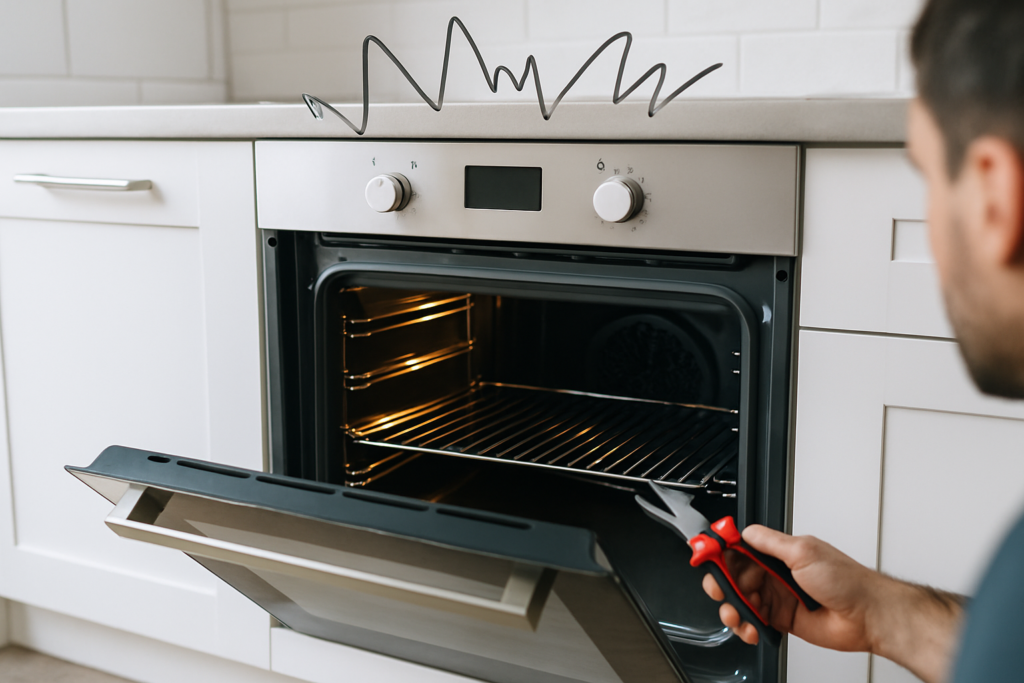
There’s nothing quite like the unsettling sound of your oven making noises it shouldn’t. Whether it’s a loud bang when preheating, a constant humming, or mysterious clicking sounds, these noises usually point to specific mechanical issues that you can often diagnose yourself.
Most oven noises come from a handful of components that either wear out over time or need adjustment. The good news is that many of these fixes don’t require a professional repair person, and understanding what’s causing the sound is the first step to solving it.
The Most Common Culprits Behind Oven Noises
When your oven starts making unusual sounds, the heating element is often the first thing to check. As these elements age, they can develop hot spots or small cracks that cause popping or banging sounds during heating cycles. You’ll typically hear these noises when the oven is warming up or cooling down.
The heating element expands and contracts with temperature changes, and if it’s damaged or loose, those movements become audible. Look for visible cracks, blistering, or separation in the element. If you spot any damage, replacement is your only option.

Oven Heating Element
A quality replacement element can restore quiet operation and consistent heating performance
Fan motors in convection ovens are another frequent noise source. A humming, buzzing, or grinding sound often indicates the cooling fan or convection fan bearings are wearing out. These fans run during and after cooking to circulate air and cool electronic components.
Listen carefully to identify which fan is problematic. The cooling fan typically runs after you turn off the oven, while the convection fan operates during cooking. Worn bearings will create a grinding noise that gets progressively worse over time.
Igniter and Gas Valve Issues
Gas ovens have their own set of noise-making components. A clicking sound is normal when the igniter is lighting the gas, but continuous clicking points to a faulty igniter or gas valve. The igniter should click a few times, light the gas, and then stop.
If clicking continues after the oven lights, your igniter might be weak or the gas valve isn’t opening properly. A weak igniter draws current but doesn’t generate enough heat to fully open the safety valve, causing repeated clicking as it tries to complete the circuit.
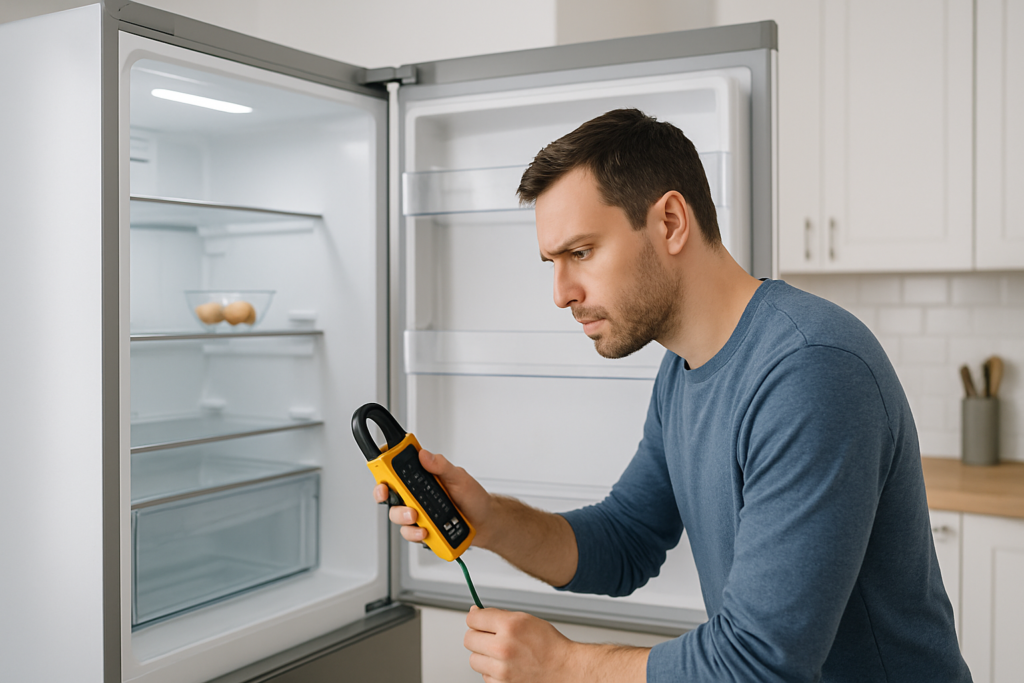
You can test an igniter with a multimeter to check its resistance. Most igniters should read between 40 and 400 ohms. Anything outside this range means replacement is needed. When shopping for a replacement gas oven igniter, make sure you match your specific oven model.
Loose or Rattling Components
Sometimes the solution is simpler than you’d expect. Rattling or vibrating noises often come from loose oven racks, panels, or screws. During heating and cooling cycles, metal components expand and contract, and loose parts can vibrate against each other.
Check all mounting screws on the oven door, interior panels, and the outer casing. Remove oven racks and inspect them for bent areas or damage. Even a slightly warped rack can rattle during operation.
Door hinges and springs also deserve attention. A squeaking or creaking door usually means the hinges need lubrication or replacement. Never use cooking oil on hinges, as it will attract dust and gum up the mechanism. High-temperature silicone lubricant works best for oven applications.

High Temperature Silicone Lubricant
Essential for maintaining smooth, quiet operation of oven hinges and moving parts
When to Call a Professional
While many oven noise issues are DIY-friendly, some situations require professional help. If you smell gas along with clicking sounds, turn off the oven immediately and call a technician. Gas leaks are serious safety hazards that need expert attention.
Electrical issues also warrant professional service. If you hear arcing sounds (like crackling or snapping) or see sparks, disconnect the oven from power and get help. These symptoms indicate faulty wiring or failing electronic controls that pose fire risks.
Unusual grinding or scraping from inside the oven walls suggests problems with internal components you can’t easily access. Some repairs require disassembling major sections of the oven, which is best left to qualified technicians who know how to safely work around high-voltage connections.
Frequently Asked Questions
Is it normal for my oven to make noise when preheating?
Yes, some noise during preheating is completely normal. You’ll typically hear the igniter clicking (in gas ovens), the heating element humming slightly, and expansion sounds as metal parts heat up. These are light ticking or subtle humming sounds. Loud bangs, continuous grinding, or persistent clicking after the oven reaches temperature are not normal and need investigation.
How long does an oven heating element typically last?
Oven heating elements usually last 5 to 10 years with regular use, though this varies based on how often you cook and at what temperatures. Heavy use and frequent self-cleaning cycles can shorten their lifespan. You’ll know it’s time to replace the element when you see visible damage, notice inconsistent heating, or hear popping sounds during operation.
This article contains affiliate links. We may earn a small commission at no extra cost to you.