Nothing ruins the appearance of a clean bathroom like unsightly rust stains creeping across your fixtures. These reddish-brown marks seem to appear out of nowhere and cling stubbornly to sinks, toilets, and bathtubs despite your best scrubbing efforts.
The reality is that rust stains are incredibly common, especially in homes with hard water or older plumbing systems. But with the right approach and products, you can remove these stains completely and keep them from coming back. Different fixture materials require specific techniques, so we’ll cover everything you need to know for porcelain, stainless steel, and fiberglass surfaces.
What Causes Rust Stains in Bathroom Fixtures
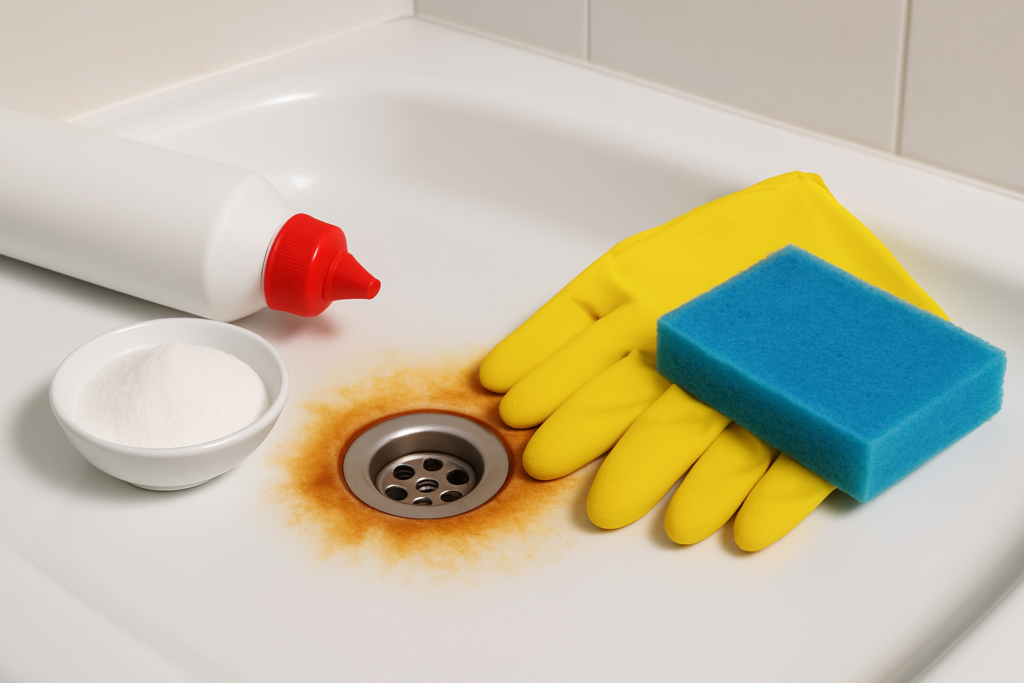
Rust stains don’t actually come from your fixtures rusting. Instead, they’re caused by iron particles in your water supply that oxidize when exposed to air and moisture. This process creates iron oxide, which appears as those telltale orange and brown stains.
Several factors contribute to rust stain formation:
- High iron content in well water: Private wells often contain dissolved iron that creates stains when it contacts oxygen
- Aging galvanized pipes: Old pipes corrode internally, releasing iron particles into your water
- Hard water minerals: Calcium and magnesium deposits create rough surfaces where iron can accumulate
- Poor ventilation: Humid conditions accelerate the oxidation process
- Slow water drainage: Standing water gives iron more time to oxidize and stain surfaces
Understanding the source helps you choose the most effective removal method and prevention strategy for your specific situation.
Removing Rust Stains from Porcelain Fixtures
Porcelain sinks, toilets, and vintage bathtubs respond well to acidic cleaning solutions that dissolve iron oxide without damaging the glazed surface. Avoid abrasive cleaners that can scratch the porcelain and create more places for stains to form.
White Vinegar Method
White vinegar is your first line of defense against light rust stains. Its acetic acid breaks down iron oxide naturally. Soak paper towels in undiluted white vinegar and place them directly on the stained areas. Let them sit for 2-3 hours, then scrub gently with a plastic scrub brush and rinse thoroughly.
For toilet bowls, pour two cups of vinegar into the bowl and let it sit overnight. Use a pumice stone designed for porcelain to gently scrub away remaining stains in the morning.
Lemon and Salt Treatment
Cut a fresh lemon in half and sprinkle coarse salt on the cut surface. Rub this directly on rust stains, allowing the citric acid and salt’s mild abrasive action to work together. Let it sit for an hour before scrubbing and rinsing. This method works particularly well on lighter stains and leaves your fixtures smelling fresh.
Commercial Rust Removers
For stubborn stains, commercial rust removers containing oxalic acid are highly effective. CLR (Calcium, Lime & Rust) is a popular choice that’s specifically formulated for bathroom fixtures.
Barkeepers Friend Powder Cleanser
Contains oxalic acid that’s incredibly effective on porcelain rust stains without scratching
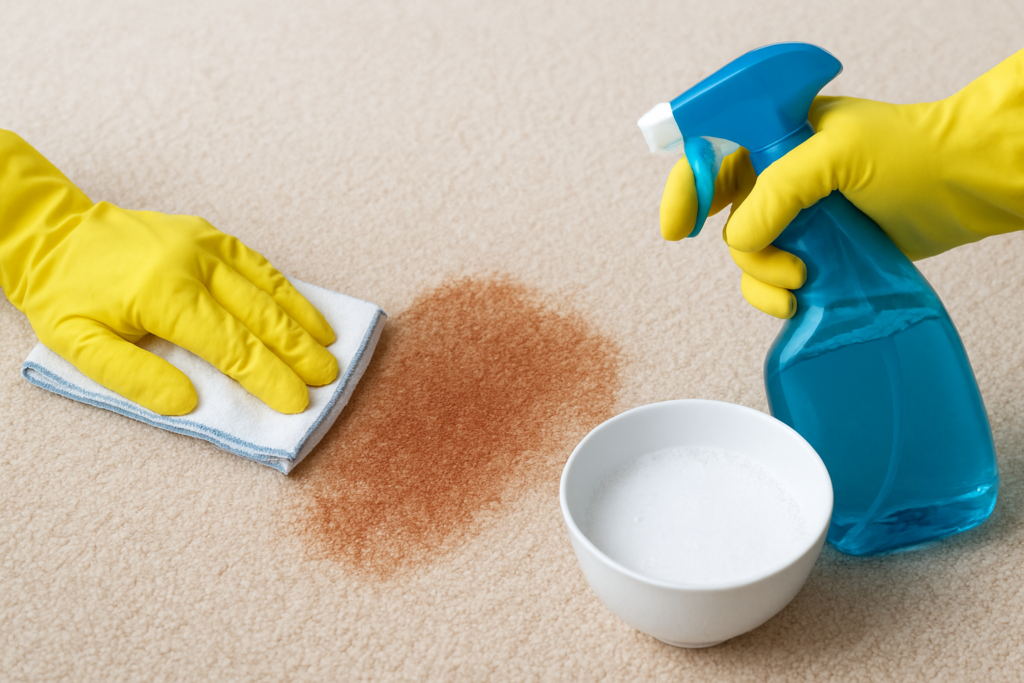
Always wear gloves and ensure good ventilation when using commercial rust removers. Test any product in an inconspicuous area first to ensure it won’t damage your specific fixture.
Tackling Rust Stains on Stainless Steel Sinks
Stainless steel sinks present unique challenges because harsh acids can damage the protective chromium layer. You need gentler approaches that won’t compromise the steel’s corrosion resistance.
Baking Soda Paste
Mix baking soda with just enough water to form a thick paste. Apply this to rust stains and let it sit for 20 minutes. Scrub gently with a soft cloth, always following the grain of the steel. This mild abrasive action removes stains without scratching the surface.
Cream of Tartar Solution
Cream of tartar (potassium bitartrate) is excellent for stainless steel because it’s acidic enough to dissolve rust but gentle enough to avoid damage. Mix one tablespoon of cream of tartar with enough lemon juice to make a paste. Apply it to stains, wait 10 minutes, then scrub with a soft brush following the steel’s grain.
Specialized Stainless Steel Cleaners
Weiman Stainless Steel Cleaner and similar products are formulated specifically for these surfaces. They remove stains while adding a protective coating that helps prevent future rust formation.
Never use bleach, steel wool, or abrasive scouring pads on stainless steel. These can create microscopic scratches that actually make rust stains more likely to form.
Cleaning Rust Stains from Fiberglass Bathtubs and Showers
Fiberglass requires the gentlest approach of all bathroom materials. Its gel coat surface can be easily scratched or damaged by harsh chemicals or abrasives, so patience is key with these methods.
Dish Soap and Hydrogen Peroxide
Mix equal parts liquid dish soap and 3% hydrogen peroxide to create a gentle but effective rust remover. Apply this mixture to stains and let it sit for 30 minutes. The hydrogen peroxide breaks down the iron oxide while the soap helps lift it away from the surface.
Scrub gently with a soft sponge and rinse thoroughly. This method may require several applications for heavy stains, but it won’t damage the fiberglass.
Automotive Polishing Compound
For stubborn stains that won’t respond to gentler methods, automotive polishing compound can be surprisingly effective. Use a small amount on a soft cloth and work it into the stain with circular motions. The mild abrasives in car polish are designed to be safe on gel coat surfaces.
Soft Scrub Gel Cleanser
Specifically formulated for fiberglass and won’t scratch delicate gel coat surfaces
What to Avoid on Fiberglass
Never use abrasive cleaners, steel wool, or strong acids on fiberglass. These can permanently damage the gel coat, creating a rough surface that stains more easily. Avoid cleaners containing ammonia or bleach, which can cause discoloration.
Preventing Rust Stains from Returning
Prevention is always easier than removal. Once you’ve cleaned your fixtures, these strategies will help keep rust stains from coming back.
Install a Water Softener System
A whole-house water softener removes iron along with calcium and magnesium. This addresses the root cause of rust stains rather than just treating the symptoms. Whole house water softener systems vary in size and capacity, so choose one appropriate for your household’s water usage.
Use an Iron Filter
If you have well water with high iron content, an iron filter installed before your water softener can remove iron particles before they reach your fixtures. These filters use oxidation and filtration to capture iron particles.
Regular Cleaning Routine
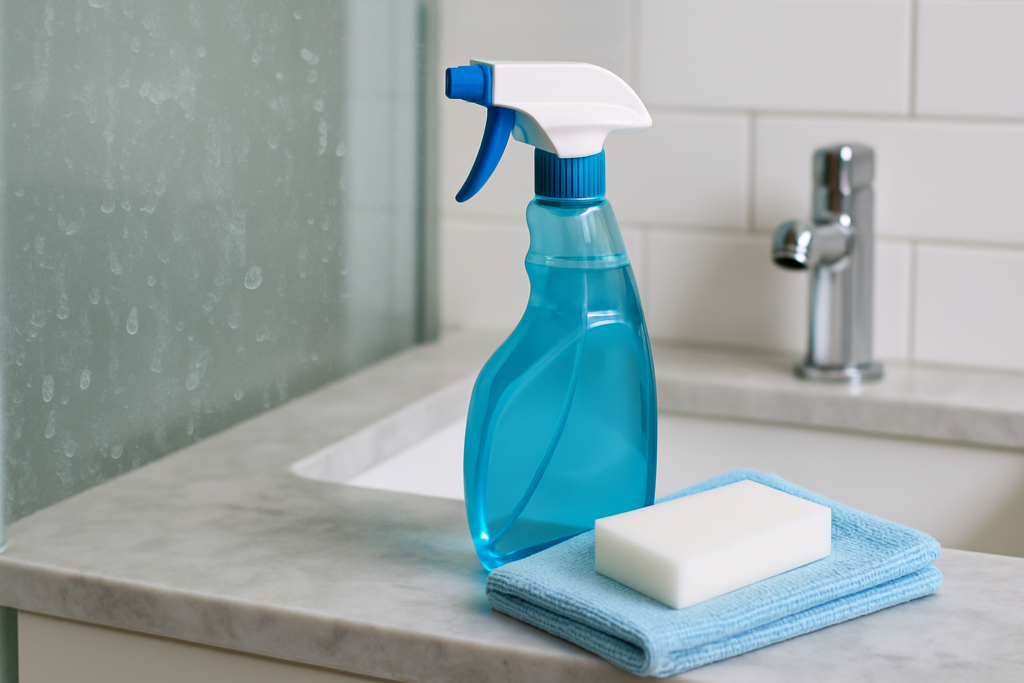
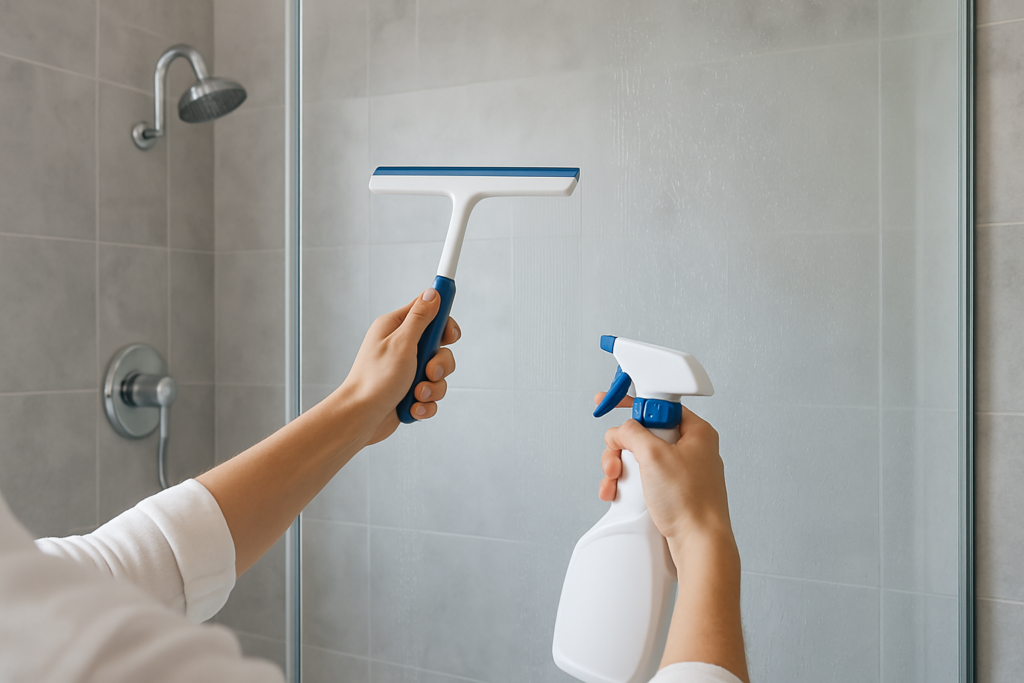
Wipe down fixtures after each use to prevent water spots and mineral buildup. Use a daily shower spray containing mild acids to prevent iron from accumulating. Keeping fixtures dry reduces the oxidation that creates rust stains.
Improve Bathroom Ventilation
Install exhaust fans to reduce humidity levels. Lower humidity means less moisture for iron oxidation. Run fans during and after showers, and consider a timer switch to ensure adequate ventilation time.
Daily Shower Spray Cleaner
Prevents mineral buildup and iron oxidation when used consistently after each shower
When to Call a Professional
Some rust stain situations require professional intervention. Consider calling a plumber if you notice sudden increases in rust staining, which could indicate pipe corrosion or other plumbing issues.
A water treatment professional can test your water and recommend appropriate filtration systems. They can also install whole-house treatment systems that require specialized knowledge and tools.
For extensive staining on expensive fixtures, professional restoration services might be more cost-effective than replacement, especially for vintage or high-end bathroom fixtures.
Frequently Asked Questions
Can rust stains permanently damage bathroom fixtures?
Rust stains themselves don’t damage fixtures, but they can become more difficult to remove over time as they penetrate porous surfaces. On non-porous surfaces like glazed porcelain, even old stains can usually be removed with the right products and techniques. However, using abrasive cleaners or tools to remove stains can cause permanent damage to fixture surfaces.
Why do rust stains keep coming back even after thorough cleaning?
Rust stains return because the iron in your water supply continues to oxidize on fixture surfaces. Without addressing the source (iron-rich water), stains will reappear. Installing water treatment systems like iron filters or water softeners is the only way to prevent recurring rust stains permanently.
Is it safe to mix different rust removal products?
Never mix different cleaning products, especially those containing acids, bleach, or ammonia. Chemical reactions can produce toxic gases or reduce effectiveness. Use one product at a time, rinse thoroughly between applications, and always ensure good ventilation when using commercial cleaners.
How often should I clean rust stains to prevent buildup?
Clean visible rust stains as soon as you notice them, typically weekly in homes with iron-rich water. Prevention through daily fixture drying and weekly cleaning with mild acids like vinegar is more effective than waiting for heavy stain buildup. Homes with water treatment systems may only need monthly rust stain maintenance.
This article contains affiliate links. We may earn a small commission at no extra cost to you.