Finding the right pressure washer for your home can transform mundane cleaning tasks into satisfying weekend projects. Whether you’re blasting away years of grime from your driveway or giving your deck a fresh look, having the proper equipment makes all the difference.
With 2026 bringing improved technology and more efficient models, both electric and gas pressure washers offer compelling advantages. The key is matching the right type to your specific cleaning needs and understanding what all those PSI and GPM numbers actually mean for real-world performance.
Understanding PSI and GPM: The Numbers That Matter
Pressure washer performance comes down to two critical measurements: PSI (pounds per square inch) and GPM (gallons per minute). Think of PSI as the force behind the water, while GPM represents the volume of water being delivered.
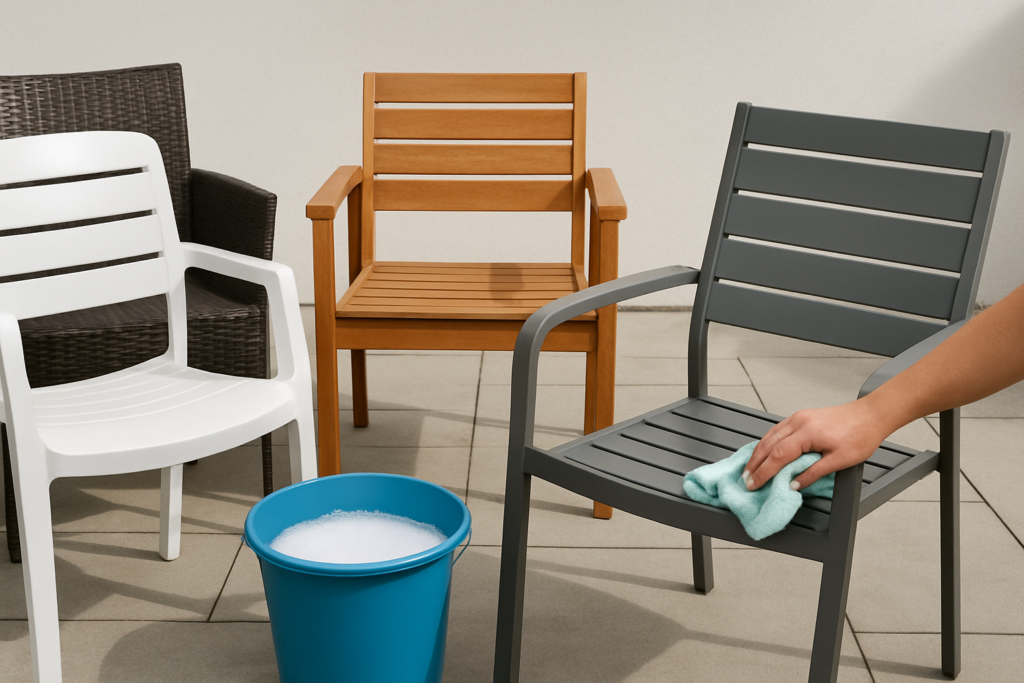
PSI determines how much punch your water stream packs. Light-duty tasks like washing cars or outdoor furniture need around 1,300-1,800 PSI. Medium-duty jobs such as cleaning decks, fences, and driveways require 1,800-2,800 PSI. Heavy-duty applications like stripping paint or cleaning concrete benefit from 2,800+ PSI.
GPM affects how quickly you complete tasks and how well you rinse away loosened debris. Higher GPM means faster cleaning because you’re moving more water across the surface. A unit with 2.0 GPM will clean noticeably faster than one with 1.2 GPM, even at similar PSI levels.
The real magic happens when you multiply PSI by GPM to get cleaning units (CU). This number gives you the best indication of overall cleaning power. A washer with 2,000 PSI and 2.0 GPM delivers 4,000 cleaning units, while a 2,500 PSI unit with 1.5 GPM only provides 3,750 cleaning units.
Electric Pressure Washers: Clean and Convenient
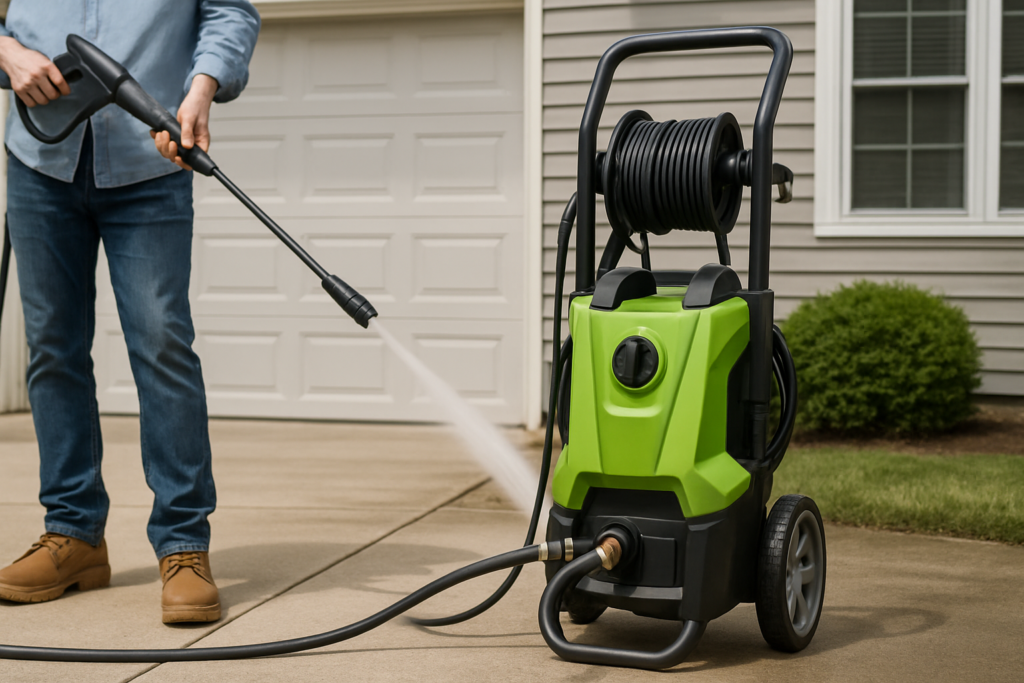
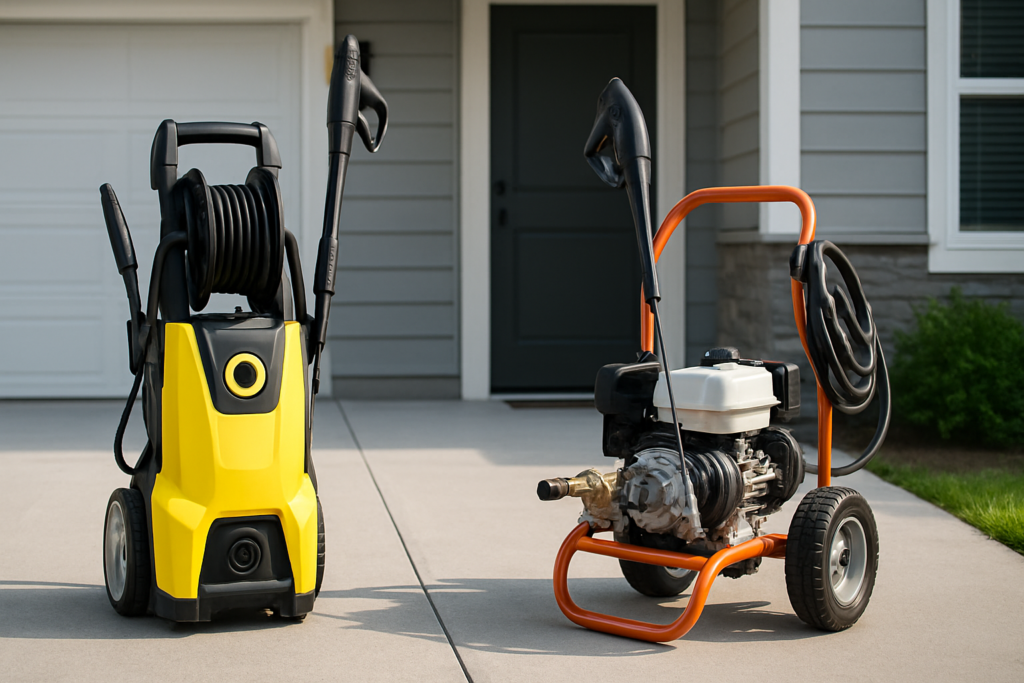
Electric models dominate the residential market for good reasons. They start instantly with the push of a button, run quietly enough to use early morning or evening, and require minimal maintenance beyond occasional cleaning.
Most electric units deliver 1,300-2,300 PSI with 1.2-2.0 GPM flow rates. This range handles the majority of homeowner tasks effectively. You can clean vinyl siding, wash vehicles, tackle patio furniture, and even handle light deck cleaning without breaking a sweat.
The Sun Joe SPX3000 represents the sweet spot for many homeowners, delivering 2,030 PSI and 1.76 GPM with a reliable induction motor. The dual detergent tanks let you switch between cleaning solutions without stopping.
Sun Joe SPX3000
Perfect balance of power and convenience for most home cleaning tasks
Electric units excel in urban and suburban environments where noise restrictions matter. Your neighbors won’t complain about early morning deck cleaning sessions, and you can work in your garage without ventilation concerns.
The main limitation involves power requirements. Most residential electric washers need standard 15-amp outlets, but some higher-powered models require 20-amp circuits. Check your electrical setup before purchasing to avoid disappointment.
Gas Pressure Washers: Maximum Power and Mobility
Gas-powered units bring serious cleaning muscle to tough jobs. Starting around 2,500 PSI and climbing past 4,000 PSI for commercial-grade models, they tackle heavy concrete staining, large driveways, and multi-story siding projects with ease.
The mobility advantage can’t be overstated. You’re not tethered to electrical outlets or limited by extension cord lengths. This freedom proves invaluable for cleaning detached garages, remote deck areas, or helping neighbors with their projects.
Gas engines also provide superior GPM ratings, typically ranging from 2.0-4.0 GPM compared to electric models’ 1.2-2.0 GPM range. Higher flow rates mean faster rinsing and more efficient cleaning of large surfaces.
Modern gas washers like the Simpson MegaShot series offer reliable Honda or Kohler engines with axial cam pumps that deliver consistent pressure for years of service.
Simpson MegaShot Gas Pressure Washer
Professional-grade cleaning power with reliable Honda engine for heavy-duty tasks
Maintenance requirements include regular oil changes, seasonal tune-ups, and proper winterization in cold climates. You’ll also need to keep fresh gasoline on hand and deal with engine starting procedures, though modern units start much more reliably than older models.
Best Applications for Different Surfaces
Driveways and Concrete
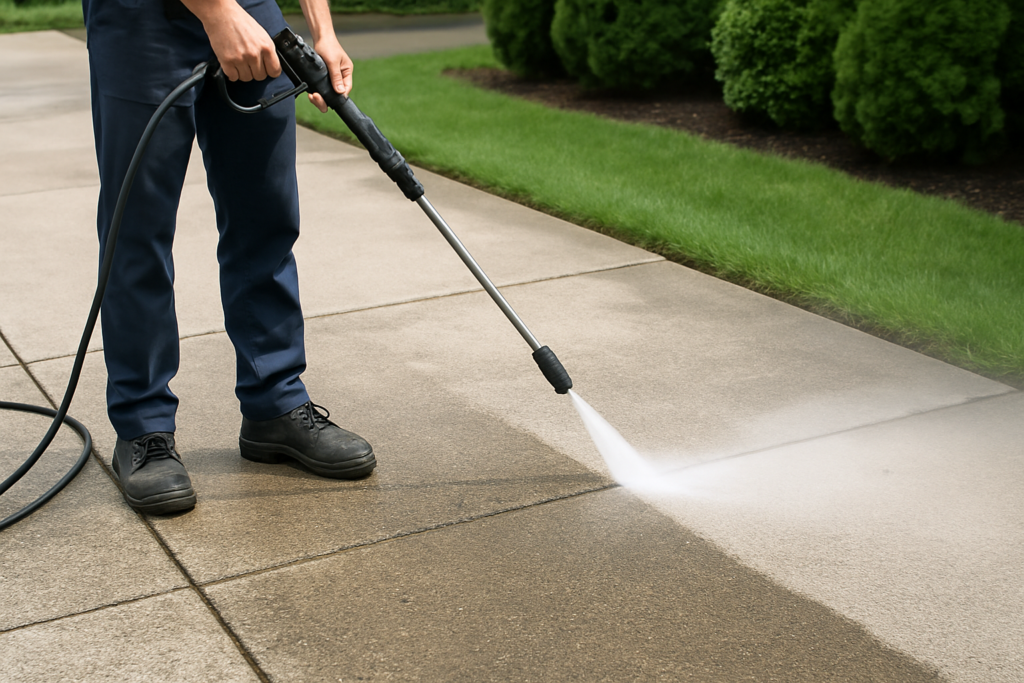
Concrete surfaces respond best to higher PSI ratings combined with surface cleaners or rotating nozzles. Oil stains, tire marks, and embedded dirt require 2,500+ PSI for effective removal.
Electric washers can handle light concrete cleaning and regular maintenance washing. For heavily stained driveways or large areas, gas units complete the job faster with their higher GPM ratings.
Always use appropriate nozzles for concrete work. The 15-degree yellow nozzle provides good cleaning action, while 25-degree green nozzles work for general washing. Red 0-degree nozzles can actually damage concrete by creating channels and should be avoided.
Wood Decks and Fencing
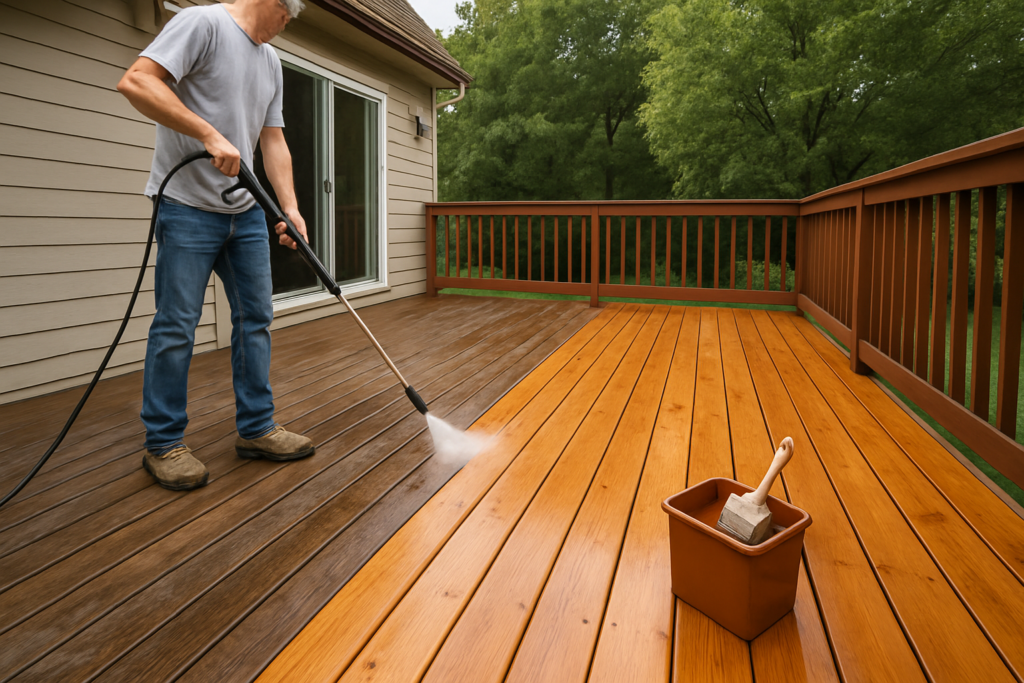
Wood requires careful pressure control to avoid damage. Start with 1,200-1,500 PSI and increase gradually if needed. Softwoods like cedar and pine damage easily, while hardwoods can handle slightly higher pressures.
Electric washers excel for deck cleaning because their lower pressures reduce the risk of gouging wood fibers. Use wide-angle nozzles (25-40 degrees) and maintain consistent distance from the surface.
Pre-treat heavily stained areas with deck cleaner and allow proper dwell time. The chemical action reduces the pressure needed for effective cleaning, preserving your wood’s integrity.
Vinyl and Aluminum Siding
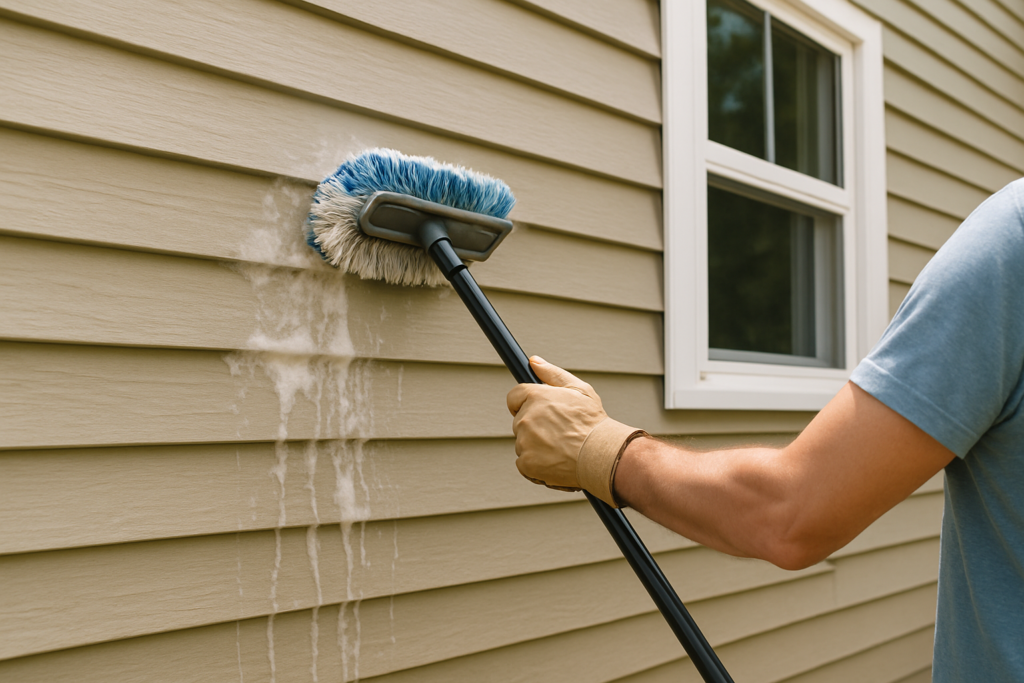
Siding materials tolerate moderate pressure well, making them perfect applications for electric washers. Start from the bottom and work upward, overlapping each pass by 6 inches.
The key is controlling water direction. Always spray downward or at slight upward angles to prevent forcing water behind siding panels. Use detergent attachments for heavily soiled areas.
Two-story homes challenge electric models due to cord length limitations. Consider gas units for multi-story cleaning projects or invest in a quality 100-foot extension cord rated for your washer’s amperage.
Top Picks for 2026
Best Electric for Most Homeowners
The Ryobi RY142300 delivers 2,300 PSI and 1.2 GPM with excellent build quality and thoughtful features. The induction motor provides years of reliable service, while the onboard soap tank and hose reel add convenience.
Greenworks also offers compelling options with their 2000 PSI models featuring brushless motors for extended life and quieter operation.
Best Gas for Heavy-Duty Tasks
Simpson’s PowerShot series combines proven Honda GCV190 engines with AAA triplex pumps for professional performance. The 3,200 PSI and 2.5 GPM output handles any residential cleaning task.
Honda GCV190 Gas Pressure Washer
Unmatched reliability and power for the most demanding home cleaning projects
Champion also produces excellent gas washers with their 3200 PSI models offering competitive features at attractive price points.
Best Compact Electric
For apartment dwellers or those with minimal storage space, the Karcher K1700 provides 1,700 PSI in a lightweight, portable package perfect for cars, patio furniture, and small deck areas.
Essential Accessories and Attachments
The right accessories multiply your pressure washer’s versatility. Surface cleaners transform driveway and patio cleaning from tedious chores into quick tasks. These round attachments create even cleaning patterns while containing spray and reducing mess.
Extension wands reach second-story areas safely from ground level. Look for adjustable models that telescope from 6 to 24 feet for maximum flexibility.
Foam cannons and soap attachments help pre-treat surfaces and vehicles. The thick foam clings longer than liquid detergent, providing better cleaning action and reducing scrubbing requirements.
Different nozzle tips change spray patterns and pressure. Most washers include 0, 15, 25, 40-degree, and soap nozzles. Color-coding makes field identification easy, while quick-connect fittings speed nozzle changes.
Maintenance and Storage Tips
Electric washers need minimal maintenance beyond cleaning debris from intake screens and checking hose connections for leaks. Store them in heated areas during winter to prevent freeze damage to internal components.
Gas models require more attention. Change engine oil every 50 hours of use or annually, whichever comes first. Clean or replace air filters seasonally, and inspect spark plugs for wear or deposits.
Proper winterization prevents costly repairs. Run pump saver solution through the system or use an air compressor to blow out all water. Drain fuel tanks or add stabilizer to prevent carburetor problems.
Always relieve system pressure before storage. Trigger the gun until no water emerges, then disconnect hoses and accessories. Coil hoses loosely to prevent kinking and cracking.
Safety Considerations
Pressure washers generate enough force to cause serious injury. Never point the spray gun at people, pets, or electrical equipment. The concentrated stream can inject water and debris under skin, requiring immediate medical attention.
Wear safety glasses and closed-toe shoes during operation. The spray creates flying debris that can damage eyes or feet. Long pants protect legs from splash-back and ricocheting particles.
Test spray patterns on inconspicuous areas first. Different materials react differently to pressure washing, and some surfaces can be permanently damaged by excessive force or improper technique.
Maintain proper distance from surfaces. Start farther away and move closer gradually until you achieve desired cleaning results. Keep the spray gun moving to prevent surface damage from concentrated pressure.
Frequently Asked Questions
Can electric pressure washers clean as effectively as gas models?
Electric washers handle most residential cleaning tasks effectively, including driveways, decks, and siding. Gas models excel at heavy-duty applications like large concrete areas, multi-story buildings, or commercial cleaning where maximum power and mobility matter most.
How often should I pressure wash my house?
Most homes benefit from annual pressure washing, though frequency depends on local climate and environmental factors. Homes near busy roads, under heavy tree cover, or in humid climates may need cleaning twice yearly. Regular maintenance prevents heavy buildup that requires aggressive cleaning.
What’s the difference between axial and triplex pumps?
Axial pumps align pistons with the drive shaft and cost less to manufacture, making them common in consumer models. Triplex pumps position pistons perpendicular to the shaft, creating smoother pressure delivery and longer service life but at higher cost.
Do I need hot water capability for home use?
Cold water handles most residential cleaning effectively, especially when combined with appropriate detergents. Hot water models cost significantly more and primarily benefit commercial applications dealing with heavy grease or oil contamination.
This article contains affiliate links. We may earn a small commission at no extra cost to you.