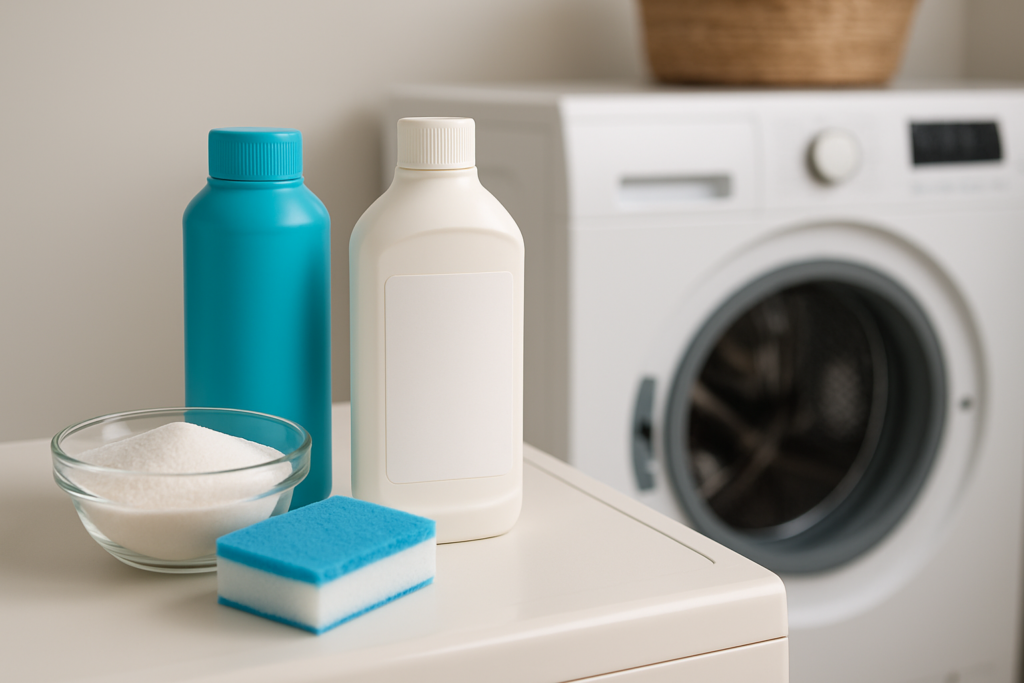
Your washing machine works hard to keep your clothes clean, but what happens when the cleaner itself becomes dirty? Over time, soap scum, fabric softener residue, and mineral deposits build up inside your washer, creating the perfect breeding ground for mold and mildew. This buildup not only causes unpleasant odors but can also transfer to your freshly washed clothes.
Regular cleaning with the right products can eliminate these problems and extend your machine’s lifespan. Whether you have a front-loading or top-loading washer, the right cleaning routine makes all the difference in keeping your laundry fresh and your machine running smoothly.
Why Your Washing Machine Needs Regular Cleaning
Modern washing machines, especially high-efficiency models, use less water and lower temperatures than older units. While this saves energy and money, it also means soap and dirt don’t always rinse away completely. The residue accumulates in hidden areas like the drum, gaskets, and internal hoses.
Front-loading machines face additional challenges. Their horizontal drum design and airtight door seal create moisture-trapping conditions. The rubber gasket around the door is particularly prone to mold growth, as water and detergent residue collect in its folds.
Top-loading machines aren’t immune either. Hard water minerals build up on the agitator and drum walls, while fabric softener can leave a waxy coating that traps bacteria and odors. Without regular cleaning, these issues compound over time.
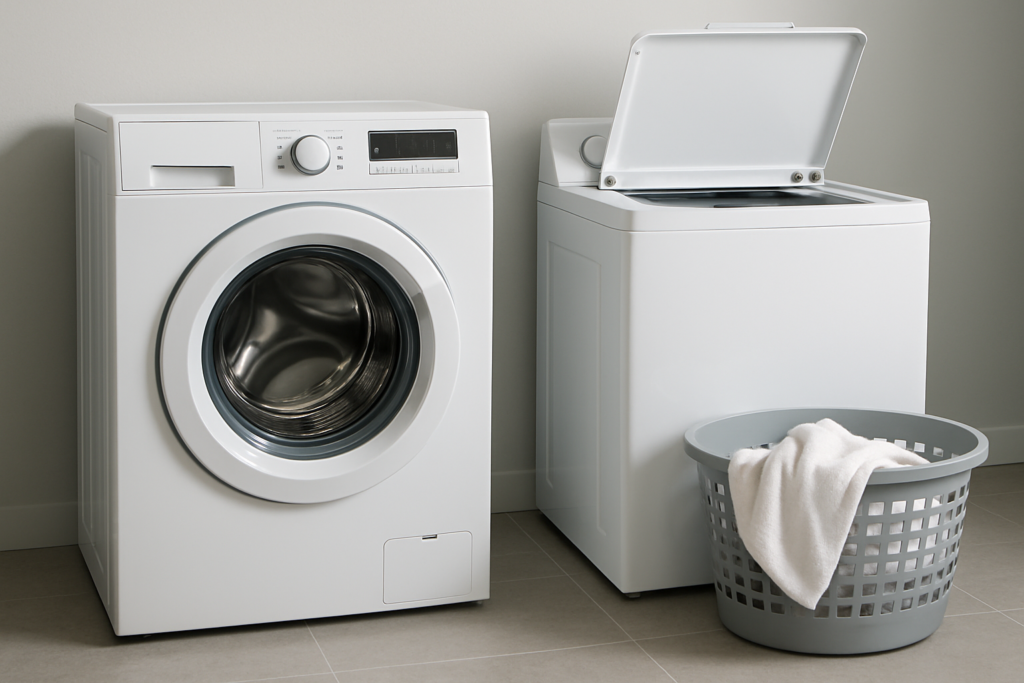
Front-Load vs Top-Load Cleaning Challenges
Front-Loading Machine Issues
Front-loaders require more frequent attention due to their design. The rubber door gasket collects water, soap, and debris after each wash cycle. Many users leave the door closed after washing, trapping moisture inside and encouraging mold growth.
The detergent dispenser drawer in front-loaders also becomes clogged with hardened detergent and fabric softener. This buildup can prevent proper product distribution and create additional odor sources.
Top-Loading Machine Problems
Top-loading machines deal primarily with mineral buildup and soap scum. The vertical design allows better air circulation, reducing mold issues. However, the agitator and drum bottom collect sediment and residue that regular wash cycles don’t remove.
Traditional top-loaders use more water, which helps with rinsing but can also mean more mineral deposits in hard water areas. High-efficiency top-loaders combine the worst of both worlds, using less water while still having drainage challenges.
Best Commercial Washing Machine Cleaners
Affresh Washing Machine Cleaner
Affresh leads the market with its oxygenated cleaning tablets. These fizzing tablets break down residue, oils, and odor-causing bacteria without damaging your machine’s components. The formula works effectively in both hot and cold water cycles.
Each tablet handles one cleaning cycle. Simply drop one tablet into the empty drum and run a normal wash cycle with hot water. The slow-dissolving formula ensures thorough cleaning throughout the entire cycle.
Affresh Washing Machine Cleaner Tablets
The industry standard for effective, safe machine cleaning with proven odor elimination.
Tide Washing Machine Cleaner
Tide’s cleaner uses a liquid formula that penetrates deep into hidden areas of your machine. The oxygenated bleach alternative breaks down soap scum and eliminates odor-causing residues without the harsh smell of traditional bleach.
The liquid format works well for monthly maintenance cleaning. Pour the entire bottle into the drum and run the hottest water setting available. This cleaner works particularly well on tough buildup that’s accumulated over months of neglect.
Glisten Washer Magic
Glisten offers both liquid and powder formulations for different cleaning needs. Their formula specifically targets hard water stains and mineral buildup, making it excellent for areas with challenging water conditions.
The powder version comes in pre-measured packets, while the liquid allows for custom dosing based on your machine’s size and cleaning needs. Both formulations are septic-safe and won’t damage machine components.
Glisten Washer Magic Washing Machine Cleaner
Excellent for hard water mineral buildup with both powder and liquid options available.
OxiClean Washing Machine Cleaner
OxiClean’s oxygen-based formula provides powerful cleaning without chlorine bleach. The powder dissolves completely in both hot and cold water, making it suitable for all machine types and water temperatures.
This cleaner excels at removing organic buildup like body oils and food residues that transfer from clothes. The oxygen action continues working throughout the wash cycle, ensuring thorough cleaning of all internal surfaces.
DIY Washing Machine Cleaning Solutions
White Vinegar Method
White vinegar naturally dissolves mineral deposits and soap scum while killing bacteria and mold. Pour two cups of white vinegar into the drum and run a hot water cycle. The acetic acid breaks down buildup without damaging rubber seals or metal components.
For front-loading machines, also wipe down the rubber gasket with undiluted vinegar using a cloth. This removes mold and prevents future growth in the seal’s crevices.
Baking Soda Treatment
Baking soda neutralizes odors and provides gentle abrasive action against stubborn residue. Mix half a cup of baking soda with two cups of hot water until dissolved. Pour the solution into the drum and run a complete wash cycle.
For extra cleaning power, combine the vinegar and baking soda methods. Run the vinegar cycle first, then immediately follow with the baking soda treatment. This combination tackles both mineral buildup and organic residues.
Hydrogen Peroxide Solution
Hydrogen peroxide kills mold, mildew, and bacteria while brightening dingy drum interiors. Mix one cup of 3% hydrogen peroxide with one cup of hot water. Pour the solution into the drum and run a hot water cycle.
This method works particularly well for machines with visible mold or persistent musty odors. The oxygen release helps lift embedded contaminants from drum surfaces and internal components.
Monthly Cleaning Routine for Maximum Results
Weekly Maintenance
Leave your washing machine door open after each use to allow air circulation and moisture evaporation. Wipe down the rubber gasket on front-loaders with a dry cloth to remove standing water and debris.
Remove and rinse the detergent dispenser drawer weekly. Soak it in warm water to dissolve hardened detergent, then scrub with an old toothbrush to remove stubborn buildup.
Monthly Deep Clean
Choose one cleaning method and stick with it consistently. Whether using commercial cleaners or DIY solutions, monthly cleaning prevents serious buildup and maintains optimal machine performance.
Run the cleaning cycle on the hottest water setting available. Most modern machines have a dedicated cleaning cycle that extends wash time and uses higher water levels for better cleaning action.
Washing Machine Cleaning Tablets Multi-Pack
Stock up with bulk packs for consistent monthly cleaning at better value.
Quarterly Intensive Treatment
Every three months, perform additional maintenance beyond the monthly cleaning. Remove and clean the lint filter if your machine has one. Check and clean the drain pump filter on front-loading machines.
Inspect water supply hoses for mineral buildup or damage. Replace hoses every five years or sooner if you notice cracks, bulges, or significant mineral deposits.
Signs Your Washing Machine Needs Immediate Cleaning
Several symptoms indicate your machine needs attention before the next scheduled cleaning. Persistent musty odors that transfer to clean clothes signal bacterial or mold growth inside the drum.
Visible residue on clothes after washing, especially white streaks or spots, indicates detergent buildup or hard water mineral deposits. This residue can make clothes feel stiff or look dingy despite being freshly washed.
Slow drainage or standing water in the drum after cycles complete suggests blocked filters or drain lines. This issue requires immediate attention to prevent more serious mechanical problems.
Unusual noises during operation, particularly grinding or squealing sounds, may indicate mineral buildup interfering with moving parts. While cleaning might resolve minor issues, persistent noises warrant professional inspection.
Preventing Future Buildup
Proper Detergent Usage
Use high-efficiency detergent in appropriate amounts for your load size and soil level. Excessive detergent creates more residue and increases cleaning requirements. Follow manufacturer guidelines rather than estimating amounts.
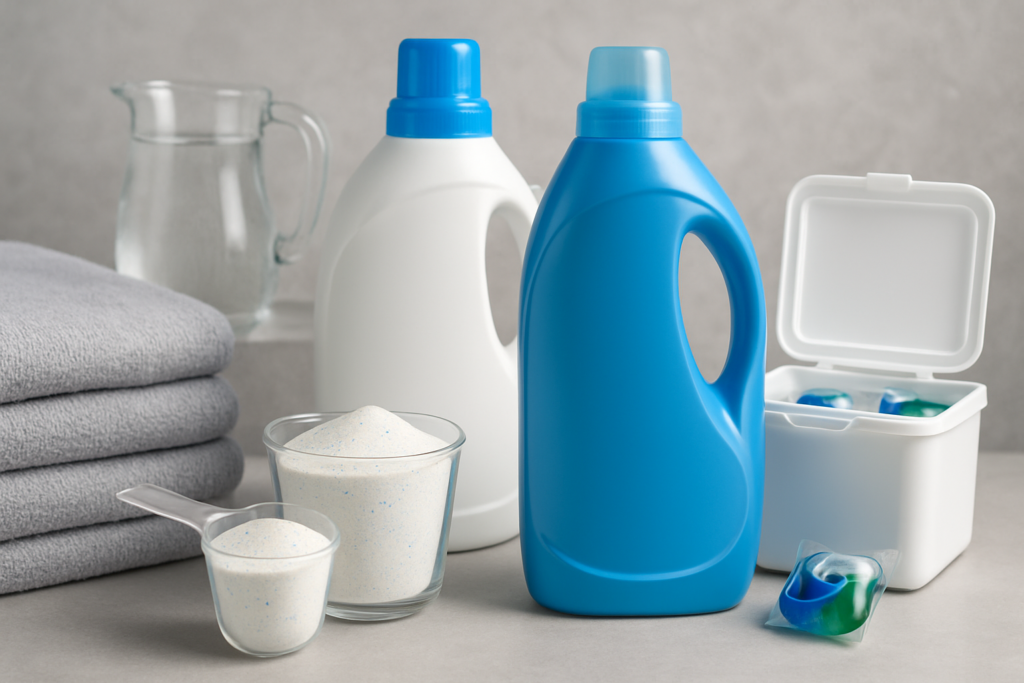
Consider switching to powder detergent if you have persistent buildup issues with liquid products. Powder formulations rinse more completely in some water conditions and leave less residue.
Water Softening Solutions
Hard water significantly increases mineral buildup and reduces cleaning efficiency. Install a whole-house water softener system for the best long-term results, or use individual water softening products with each load.
Test your water hardness annually and adjust your cleaning routine accordingly. Very hard water may require bi-weekly machine cleaning instead of monthly treatments.
Water Test Strips for Hardness
Know your water conditions to optimize your cleaning routine and product choices.
Machine Habits
Leave the door open between uses to promote air circulation and moisture evaporation. This simple step dramatically reduces mold and mildew growth, especially in front-loading machines.
Remove wet clothes promptly after cycles complete. Leaving damp items in the drum creates humidity and encourages bacterial growth. Set a timer if necessary to remind yourself when cycles finish.
Frequently Asked Questions
How often should I clean my washing machine?
Clean your washing machine monthly for optimal performance and odor prevention. Machines in hard water areas or those used heavily may need bi-weekly cleaning. Front-loading machines typically require more frequent attention than top-loaders due to their design.
Can I use bleach to clean my washing machine?
Chlorine bleach can clean washing machines effectively, but use it sparingly and never mix it with other cleaning products. Run an empty hot water cycle with one cup of bleach, followed by a plain water rinse cycle. Avoid bleach on machines with stainless steel drums or if you have a septic system.
Why does my front-load washer still smell after cleaning?
Persistent odors in front-loaders often come from the rubber door gasket, which requires separate attention. Clean the gasket folds manually with vinegar or a commercial cleaner. Also check and clean the detergent dispenser drawer and drain pump filter, which can harbor odor-causing residues.
Are expensive commercial cleaners worth the cost compared to DIY solutions?
Commercial cleaners offer convenience and consistent results, while DIY solutions cost less but require more effort. For monthly maintenance, either option works well. Commercial products excel for tough buildup or when you need guaranteed results. DIY methods work fine for regular maintenance in soft water areas.
This article contains affiliate links. We may earn a small commission at no extra cost to you.