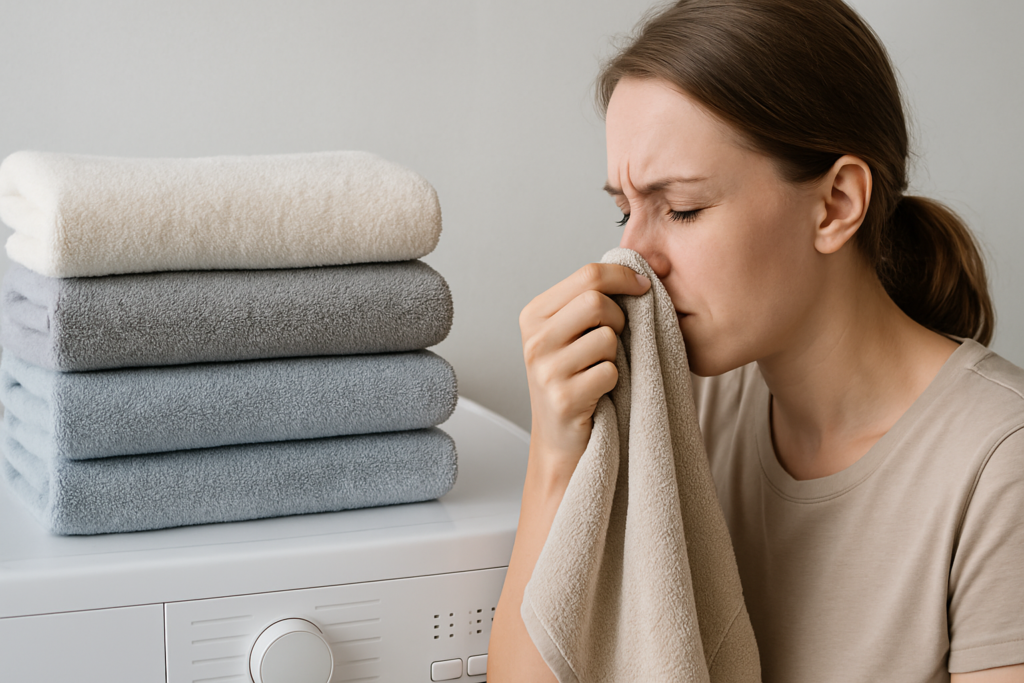
Nothing ruins your post-shower bliss quite like wrapping yourself in a towel that smells like a wet dog or musty basement. You’ve washed it multiple times, used extra detergent, even tried that fancy fabric softener, but the stench persists. This isn’t just about cleanliness anymore – it’s personal.
Towel odors are stubborn because they’re caused by bacteria, mildew, and detergent buildup that regular washing can’t always eliminate. The good news is that with the right techniques, you can rescue even the most offensive towels without throwing them in the trash. Let’s tackle this smelly problem once and for all.
Why Regular Washing Fails Against Towel Odors
Your washing machine isn’t broken, and you’re not doing anything wrong. Towel odors develop when bacteria and mildew find the perfect breeding ground in damp, warm conditions. Every time you use a towel and hang it up slightly damp, you’re creating a five-star hotel for microorganisms.
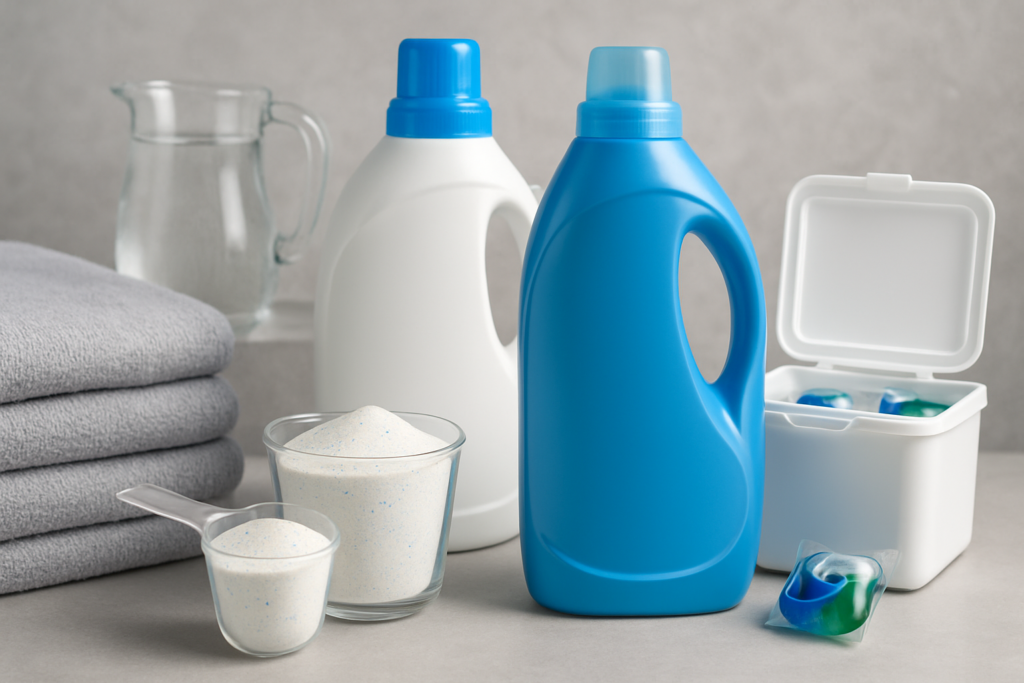
Regular detergent focuses on removing dirt and surface stains, but it often can’t penetrate the buildup of soap scum, fabric softener, and dead skin cells that accumulate in towel fibers over time. This residue traps moisture and creates an ideal environment for odor-causing bacteria to thrive.
Fabric softener makes the problem worse by coating fibers with a waxy residue that prevents proper cleaning and reduces absorbency. Even high-efficiency washers can struggle with towels because their gentle water action isn’t aggressive enough to break down stubborn buildup.
The Strip Washing Method
Strip washing is your nuclear option for towel odors. This method removes years of buildup that’s been accumulating in your towels, revealing their original absorbency and eliminating embedded smells.
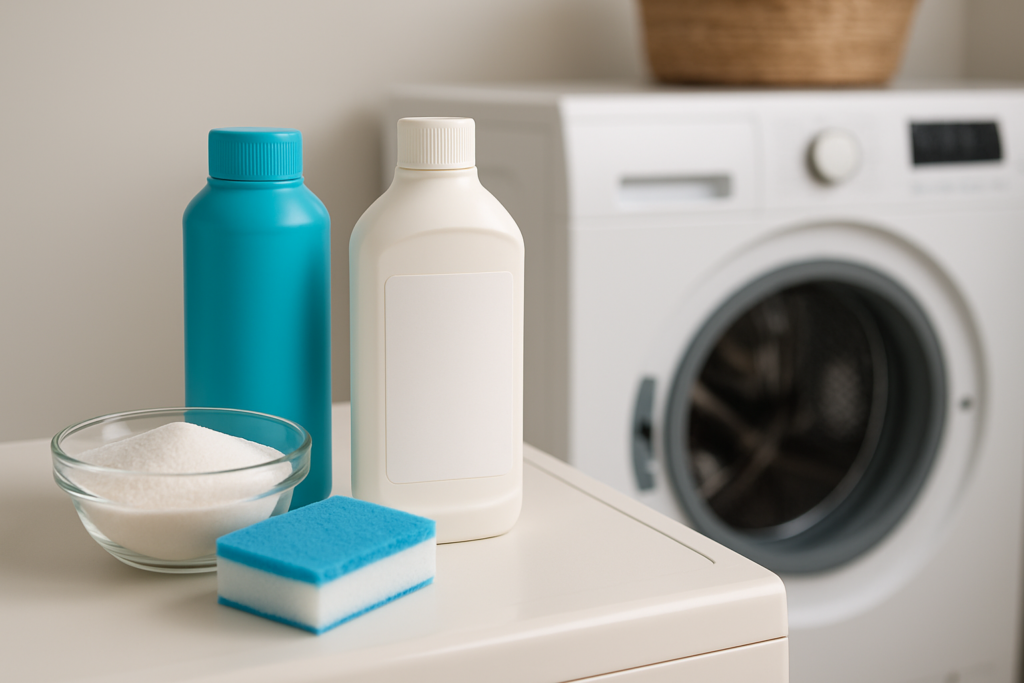
Fill your bathtub with hot water and add 1/4 cup borax powder, 1/4 cup washing soda, and 1/2 cup powdered laundry detergent. Stir until everything dissolves completely. The water will look clear at first, but don’t worry – the magic happens gradually.
Submerge your clean towels in this solution and let them soak for 4 to 6 hours. Stir occasionally with a wooden spoon or clean plunger to help loosen buildup. You’ll be amazed at how murky and brown the water becomes as years of soap residue, fabric softener, and grime leach out of the fibers.
Borax Laundry Booster
This natural mineral is essential for strip washing and breaks down stubborn residue that regular detergent can’t touch
After soaking, drain the disgusting water and rinse the towels thoroughly with cold water until the water runs clear. Then run them through a normal wash cycle with your regular detergent, followed by an extra rinse cycle to remove any remaining residue.
The Vinegar Deep Clean Method
White vinegar is your secret weapon against towel odors because it’s acidic enough to kill bacteria and break down mineral deposits, but gentle enough not to damage towel fibers. This method works especially well for towels with mildew smells or those washed in hard water.
Start by running your towels through a hot wash cycle using one cup of white distilled vinegar instead of detergent. Don’t add fabric softener or anything else. The vinegar will penetrate deep into the fibers, neutralizing odors and dissolving buildup.
After the vinegar cycle completes, immediately run another hot wash cycle using your regular amount of detergent. This two-step process ensures that both the odor-causing bacteria and any remaining vinegar smell are completely eliminated.
For extremely stubborn odors, extend the first step by pausing the wash cycle after the tub fills with hot water and vinegar. Let the towels soak for 30 minutes before continuing the cycle. This extra soaking time gives the vinegar more opportunity to work its magic.
Baking Soda Treatment for Persistent Smells
Baking soda neutralizes odors rather than just masking them, making it perfect for towels that smell clean when wet but develop odors as they dry. This alkaline powder also helps remove residue and brighten dingy towels.
Add 1/2 cup of baking soda directly to your washing machine drum along with your usual amount of detergent. Run the longest, hottest cycle your towels can handle. The baking soda will boost your detergent’s cleaning power while neutralizing any lingering odors.
Arm & Hammer Baking Soda
Pure sodium bicarbonate that’s perfect for laundry use and won’t leave residue like some specialized products
For towels with deeply embedded smells, create a pre-treatment paste by mixing 3 tablespoons of baking soda with just enough water to form a thick paste. Rub this mixture into any particularly smelly areas and let it sit for 15 minutes before washing as usual.
You can also combine the vinegar and baking soda methods for maximum effectiveness. Use vinegar in the first wash, then immediately follow with a baking soda wash. Just don’t use them in the same cycle, as they’ll neutralize each other.
Proper Drying Techniques That Prevent Future Odors
Fixing smelly towels is only half the battle. Preventing future odors requires changing how you dry and store your towels. Most towel odor problems start with improper drying, not washing issues.
Always dry towels completely before storing them. This means using the highest heat setting your towels can handle and running the dryer long enough to eliminate every trace of moisture. Slightly damp towels will develop mildew and bacterial odors within hours.
If you prefer air drying, hang towels in direct sunlight with good air circulation. Ultraviolet rays naturally kill bacteria and mildew while the breeze helps moisture evaporate quickly. Avoid hanging towels in humid bathrooms or dark closets where they can’t dry thoroughly.
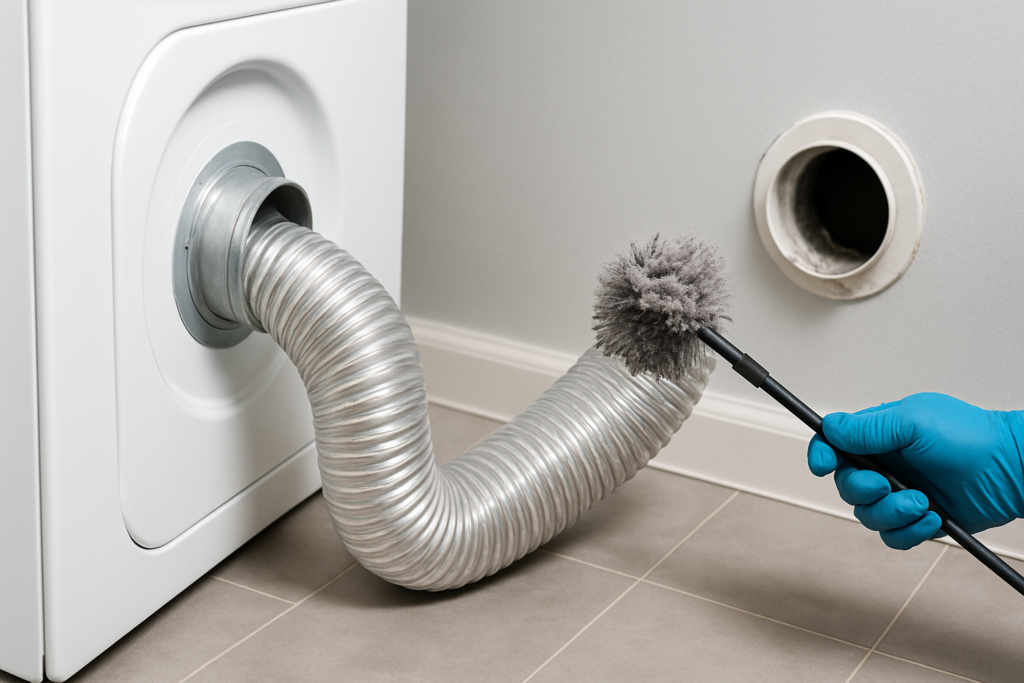
Clean your dryer’s lint trap before every load and deep clean the vent system annually. Restricted airflow forces your dryer to work harder and prevents towels from drying completely. A dryer vent cleaning kit makes this maintenance task much easier.
Consider using dryer balls instead of fabric softener sheets. Wool dryer balls improve air circulation in the dryer, reduce drying time, and naturally soften towels without leaving residue that can trap odors and reduce absorbency.
Washing Machine Maintenance for Odor Prevention
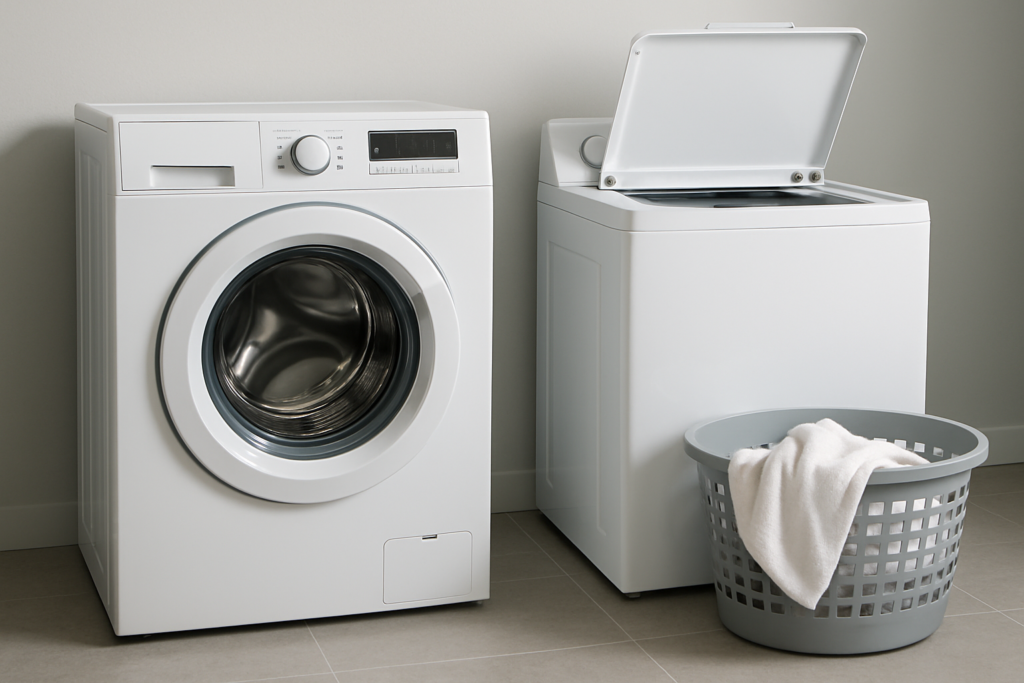
A dirty washing machine can’t produce clean, odor-free towels. Soap scum, fabric softener residue, and mildew in your washer will transfer to your towels no matter how much detergent you use.
Run a cleaning cycle monthly using 2 cups of white vinegar or a commercial washing machine cleaner. Run the hottest, longest cycle available, then wipe down the drum, gaskets, and detergent dispensers with a clean cloth.
Affresh Washer Cleaner
These tablets are specifically formulated to remove odor-causing residue from all washer types including HE machines
Leave your washer door or lid open between loads to allow moisture to evaporate and prevent mildew growth. This simple habit prevents that musty smell that can transfer to your towels.
Clean the detergent dispensers regularly by removing them (if possible) and soaking in hot, soapy water. Built-up detergent and fabric softener in these dispensers can create clogs that prevent proper cleaning and rinsing.
When to Replace Your Towels
Sometimes towels are beyond saving, and continuing to fight the odor battle isn’t worth your time or energy. Towels that have been used daily for more than two years or show signs of significant wear may never smell completely fresh again.
Replace towels that feel rough or scratchy even after proper washing, as damaged fibers can’t be fully cleaned and will continue to harbor bacteria. Towels with visible mildew stains that don’t respond to bleach treatment should also be discarded for health reasons.
Thin, worn towels that have lost their absorbency are prime candidates for replacement. When towels can’t properly absorb moisture, they stay damp longer and develop odors more quickly. These towels can be repurposed as cleaning rags rather than thrown away.
If you’ve tried strip washing, vinegar treatment, and baking soda methods without success, it’s time to invest in new towels. Quality towels made from 100% cotton or bamboo will resist odors better than cheap synthetic blends and last longer with proper care.
Frequently Asked Questions
How often should I wash my towels to prevent odors?
Wash bath towels after 3 to 4 uses, or more frequently if you live in a humid climate or have skin conditions. Hand towels should be washed every 1 to 2 days since they’re used more frequently and often stay damp longer.
Can I use bleach to eliminate towel odors?
Chlorine bleach can kill odor-causing bacteria, but it also weakens towel fibers and can cause yellowing over time. Oxygen bleach is gentler and more effective for regular use. Reserve chlorine bleach for white towels with severe mildew problems.
Why do my towels smell worse when they get wet?
Moisture activates dormant bacteria and mildew spores trapped in towel fibers. This is why towels that smell fine when dry can develop strong odors when dampened. It’s a sure sign that bacteria is present and needs to be eliminated through deep cleaning.
Should I use fabric softener on towels?
Avoid fabric softener on towels completely. It coats fibers with a waxy residue that reduces absorbency and creates a breeding ground for bacteria. Use white vinegar in the rinse cycle occasionally if you want softer towels without the negative effects.
This article contains affiliate links. We may earn a small commission at no extra cost to you.