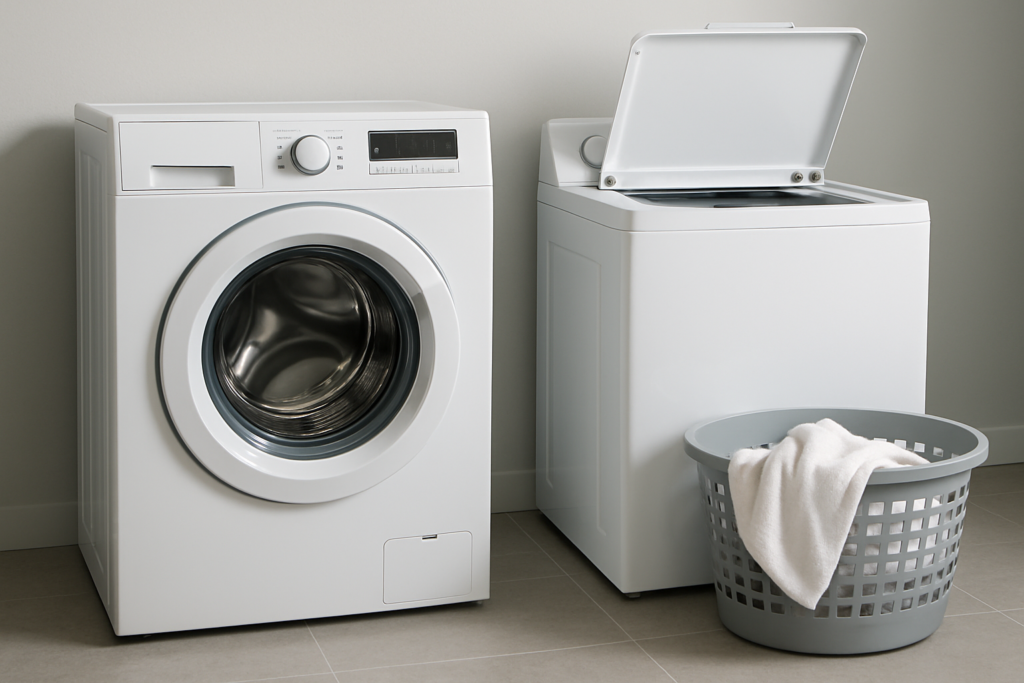
Choosing between a front load and top load washer can feel overwhelming, especially when you’re trying to balance cleaning power, maintenance needs, and long-term value. Both types have their devoted fans and vocal critics, but the differences go far deeper than just how you load your laundry.
After researching performance data and talking to appliance repair technicians, I’ve found that each design has distinct advantages depending on your priorities. Let’s break down what really matters when it comes to cleaning effectiveness, water usage, and the maintenance headaches you might face down the road.
Cleaning Performance: Which Gets Clothes Actually Clean?
Front load washers typically deliver superior cleaning performance, and the science backs this up. These machines use gravity and a tumbling action that repeatedly drops clothes through water and detergent, creating mechanical action that loosens soil more effectively than the swishing motion of traditional top loaders.
The drum design in front loaders allows for higher spin speeds, often reaching 1,200-1,400 RPM compared to 600-800 RPM in most top loaders. This translates to better soil removal and significantly less moisture remaining in your clothes after the wash cycle.
Top load washers with agitators can be tough on fabrics but surprisingly gentle on stains. The central agitator creates vigorous water movement, but this action isn’t always efficient at removing ground-in dirt or oils. High-efficiency top loaders without agitators fall somewhere in the middle, using wash plates or impellers that create currents to move clothes around.
LG Front Load Washer
Excellent cleaning performance with steam options and allergen cycle for thorough soil removal
Independent testing consistently shows front loaders removing more stains across different soil types. They excel particularly with oily stains, ground-in dirt, and body oils that build up in clothing over time.
Water and Energy Efficiency: The Numbers Don’t Lie
Front load washers use approximately 40% less water than traditional top load models. A typical front loader uses 13-17 gallons per load, while standard top loaders consume 23-28 gallons. This difference adds up quickly if you do multiple loads weekly.
The water savings come from the horizontal drum design. Front loaders only need enough water to saturate the clothes as they tumble, rather than filling an entire tub. This also means you’re using less detergent per load, which saves money and reduces chemical residue in fabrics.
Energy efficiency follows a similar pattern. Front loaders heat less water and extract more moisture during the spin cycle, reducing drying time. Many front load models qualify for Energy Star certification, potentially lowering your utility bills by competitively priced-60 annually compared to older top load washers.
High-efficiency top loaders bridge this gap somewhat, using 16-20 gallons per load and featuring improved insulation. However, they still can’t match the resource efficiency of a well-designed front loader.
The Mold and Mildew Problem: Real Talk
Front load washers have earned a reputation for developing mold and mildew issues, and this concern isn’t entirely unfounded. The horizontal door seal and low-water design can create conditions where moisture lingers, especially if you don’t follow proper maintenance routines.
The rubber gasket around the door is the primary culprit. Soap residue, fabric softener, and lint can accumulate in the folds, creating a perfect breeding ground for mold. You’ll notice black spots or a musty smell if this problem develops.
Modern front loaders have largely addressed these issues through design improvements. Look for models with improved drainage, ventilation systems, and automatic door-ajar features that help air circulation. Manufacturers like Whirlpool and Samsung now include self-cleaning cycles and better ventilation.
Top loaders rarely develop mold problems because the vertical design and open top allow better air circulation. Water drains completely after each cycle, and there’s no rubber seal to trap moisture and debris.
Maytag Top Load Washer
Reliable cleaning with deep water wash option and no mold concerns from door seals
Maintenance Requirements and Long-Term Care
Front load washers demand more attention to prevent problems, but the maintenance isn’t complicated. You’ll need to wipe down the door seal after loads, leave the door cracked open for air circulation, and run cleaning cycles monthly with specialized washing machine cleaner or white vinegar.
The detergent dispenser drawers in front loaders also need regular cleaning. Liquid fabric softener and detergent residue can build up, leading to clogs and poor dispensing. Remove these drawers monthly for thorough cleaning.
Top load washers are generally more forgiving. Basic maintenance involves occasional cleaning of the lint filter (if present) and wiping down the exterior. The open design means you don’t need to worry about door seals or trapped moisture.
However, top loaders with agitators may require more frequent repairs. The agitator mechanism has more moving parts that can wear out or break, particularly the agitator dogs that help reverse the direction of movement.
Durability and Lifespan Expectations
Both washer types can last 10-15 years with proper care, but they face different wear patterns. Front loaders typically have fewer mechanical components, which should translate to better reliability. The absence of an agitator eliminates one major potential failure point.
The main vulnerability in front loaders is the door seal and bearing assembly. Door seals may need replacement after 8-10 years, especially if mold damage occurs. Bearing replacement is a major repair that often costs enough to justify buying a new machine.
Top load washers with agitators see more wear on transmission components and the agitator itself. However, these repairs are often more accessible and affordable than front loader bearing issues. High-efficiency top loaders without agitators fall between these extremes for repair complexity.
Build quality varies significantly by manufacturer and price point. Entry-level models in both categories may only last 7-10 years, while premium models from brands like Speed Queen are built for 20+ year lifespans.
GE Top Load Washer
Solid mid-range option with traditional agitator design and deep fill capability for better cleaning
Cost Considerations Beyond the Purchase Price
Front loaders typically cost more upfront, but the total cost of ownership can be lower due to reduced water and energy usage. You’ll also use less detergent per load, which adds up over time.
Installation costs may be higher for front loaders if you want to stack them with a matching dryer or install them on pedestals for easier loading. These additions can add several hundred dollars to your total investment.
Repair costs tend to be higher for front loaders when major components fail. Door seal replacement, control board issues, or bearing problems can be expensive. Top loader repairs are often simpler and more affordable, though they may be needed more frequently depending on the model.
Consider the value of your time as well. Front loaders require more hands-on maintenance to prevent problems, while top loaders are more set-and-forget in their operation.
Making the Right Choice for Your Situation
Choose a front load washer if you prioritize cleaning performance, water efficiency, and have the time for regular maintenance. They’re ideal for households that do frequent loads, have hard water, or want to stack units to save floor space.
Top load washers make more sense if you want low-maintenance operation, frequently add items mid-cycle, or have mobility issues that make loading a front loader difficult. They’re also better for washing single large items like comforters or sleeping bags.
For families with young children, consider how each design fits your routine. Front loaders can’t be opened mid-cycle without stopping completely, while top loaders allow you to add forgotten items easily.
Electrolux Front Load Washer
Premium cleaning performance with steam and sanitize options plus excellent build quality
Frequently Asked Questions
Do front load washers really clean better than top loaders?
Yes, independent testing consistently shows front loaders remove more types of stains more effectively. The tumbling action and higher spin speeds create better mechanical cleaning action than the swishing motion in most top loaders.
How can I prevent mold in my front load washer?
Leave the door cracked open after each load, wipe down the rubber seal regularly, use powder detergent when possible, and run a cleaning cycle monthly. These simple steps prevent most mold issues in modern front loaders.
Are high-efficiency top loaders worth considering?
HE top loaders offer a middle ground with better water efficiency than traditional models and no door seal issues. However, they may not clean as thoroughly as front loaders and can have longer cycle times than traditional top loaders.
Which type lasts longer with heavy use?
Both can last 10-15 years with proper maintenance, but top loaders typically have lower repair costs when issues arise. Front loaders may have fewer mechanical problems initially but can be more expensive to fix when major components fail.
This article contains affiliate links. We may earn a small commission at no extra cost to you.