Stains happen to everyone, and knowing how to tackle them quickly can save your favorite clothes from the donation pile. The key to successful stain removal lies in acting fast and using the right technique for each specific type of stain.
This quick-reference guide covers 20 common stains with specific pre-treatment methods for each. Keep this handy in your laundry room for those inevitable spill emergencies.
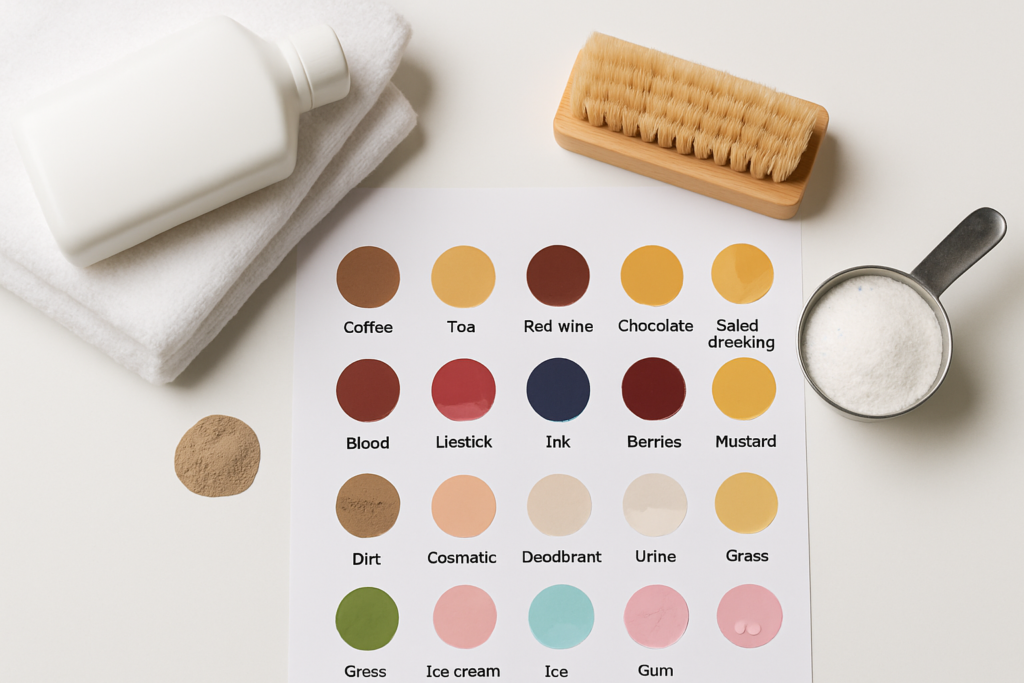
Quick-Reference Stain Treatment Chart
Protein-Based Stains
Blood: Rinse with cold water immediately. Apply hydrogen peroxide directly to fresh stains, or make a paste with cold water and meat tenderizer for set-in stains. Let sit for 30 minutes before washing.
Sweat: Mix equal parts white vinegar and water. Soak the stained area for 30 minutes, then scrub gently with an old toothbrush before washing.
Food stains (meat, dairy): Scrape off excess, then soak in cold water with enzyme detergent for at least 30 minutes. Avoid hot water, which sets protein stains permanently.
OxiClean Versatile Stain Remover
Excellent oxygen-based cleaner that works on most protein and organic stains
Oil and Grease Stains
Cooking oil: Blot excess oil, then sprinkle cornstarch or baby powder on the stain. Let it absorb for 10 minutes, brush off, then apply dish soap directly and work in with your fingers.
Butter: Scrape off excess, then apply Dawn dish soap directly to the stain. Work in gently and let sit for 5-10 minutes before washing in the hottest water safe for the fabric.
Makeup (foundation, lipstick): Use makeup wipes or micellar water first, then apply dish soap to any remaining residue. For stubborn makeup, try shaving cream as a pre-treatment.
Deodorant: Make a paste with baking soda and water. Rub into the stain and let sit for one hour before washing. White vinegar also works well for yellow deodorant stains.
Tannin and Dye Stains
Coffee: Rinse with cold water immediately. Mix one tablespoon white vinegar with two cups cold water and soak for 30 minutes. For cream-based coffee drinks, treat as both a tannin and protein stain.
Tea: Rinse with cold water, then apply lemon juice directly to the stain. Let sit for 10 minutes before washing. For black tea, white vinegar works better than lemon.
Red wine: Blot immediately, then cover with salt to absorb liquid. After 10 minutes, rinse with cold water and apply white wine or club soda. Follow with hydrogen peroxide for white fabrics.
Berries: Don’t rub the stain. Rinse with cold water from the back of the fabric, then soak in lemon juice for 15 minutes before washing.
Carbona Stain Devils
Targeted stain removers for specific stain types, including ink, grease, and food stains
Other Common Stains
Ink (ballpoint pen): Place a towel under the fabric and dab with rubbing alcohol using a cotton ball. Work from outside the stain inward to prevent spreading.
Permanent marker: Try hand sanitizer or hairspray (the alcohol content breaks down the ink). Test on a hidden area first, as this can damage some fabrics.
Grass: Mix equal parts white vinegar and water, then soak for 30 minutes. For stubborn grass stains, make a paste with baking soda and hydrogen peroxide.
Mud: Let it dry completely, then brush off as much as possible. Soak in cold water with enzyme detergent for 30 minutes before washing.
Chocolate: Scrape off excess, then rinse with cold water. Apply liquid laundry detergent directly and work in gently before washing in warm water.
Tomato sauce: Rinse with cold water from the back of the stain. Apply white vinegar, let sit for 15 minutes, then treat with liquid detergent before washing.
Yellow underarm stains: Make a paste with baking soda, hydrogen peroxide, and water. Apply and let sit for one hour before washing. This works on both fresh and set-in stains.
Collar stains: Rub liquid laundry detergent or shampoo directly into the stain. The surfactants break down body oils effectively.
Essential Stain-Fighting Supplies
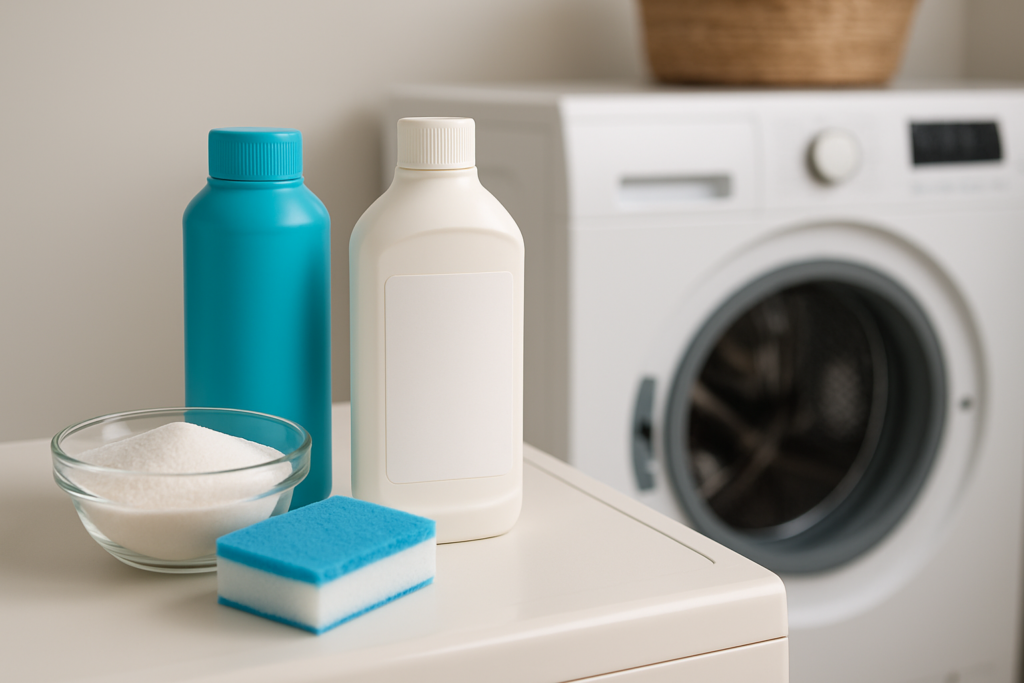
Keep these items in your laundry room for quick stain treatment: white vinegar, hydrogen peroxide, baking soda, liquid dish soap, rubbing alcohol, and enzyme-based detergent. Having the right tools on hand makes all the difference when treating stains quickly.
Always test any treatment on a hidden area first, especially on delicate fabrics or dark colors. Some treatments can cause color changes or fabric damage if not used properly.
Frequently Asked Questions
Should I use hot or cold water for stains?
Cold water is safer for most stains, especially protein-based ones like blood and sweat. Hot water sets protein stains permanently. Use cold water for the initial rinse and pre-treatment, then follow the care label for washing temperature.
What if the stain doesn’t come out after the first wash?
Don’t put the item in the dryer. Heat from the dryer will set any remaining stain permanently. Repeat the pre-treatment process and wash again. Sometimes it takes two or three attempts to completely remove stubborn stains.
This article contains affiliate links. We may earn a small commission at no extra cost to you.