Choosing the right vacuum can transform your cleaning routine from a chore into something almost effortless. With dozens of models flooding the market each year, finding one that actually matches your specific home and lifestyle feels overwhelming.
Your ideal vacuum depends on five key factors: home size, floor types, pets, allergies, and budget. Get these right, and you’ll wonder why you waited so long to upgrade. Get them wrong, and you’ll end up with an expensive dust collector in your closet.
Match Your Home Size to Vacuum Type
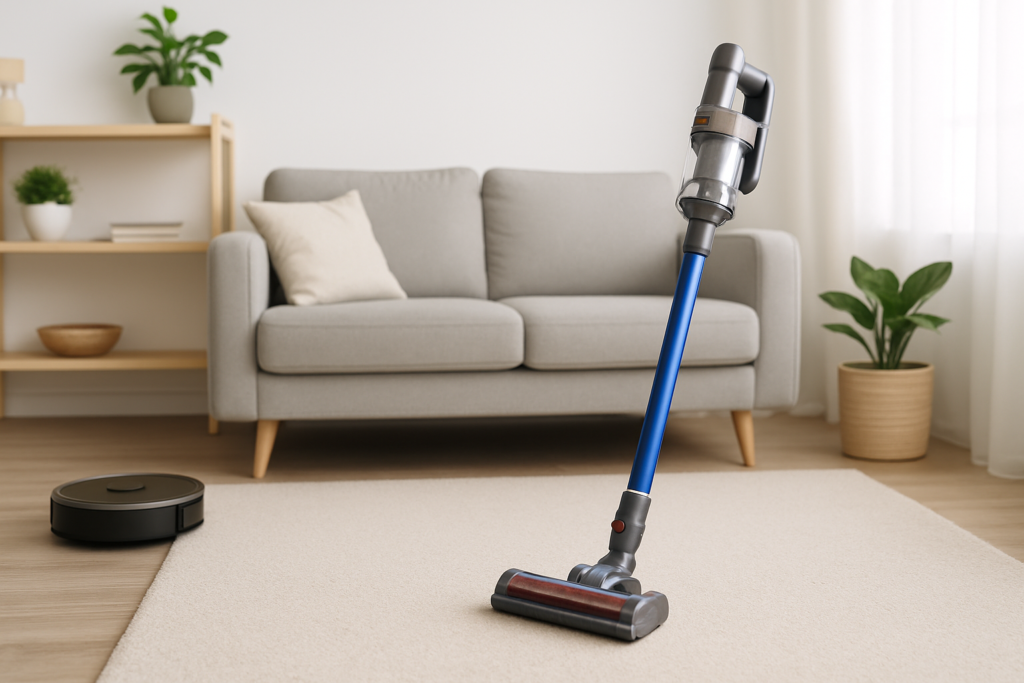
Small apartments under 1,000 square feet work best with cordless stick vacuums. They’re lightweight, store easily, and handle quick cleanups without the hassle of plugging and unplugging cords.
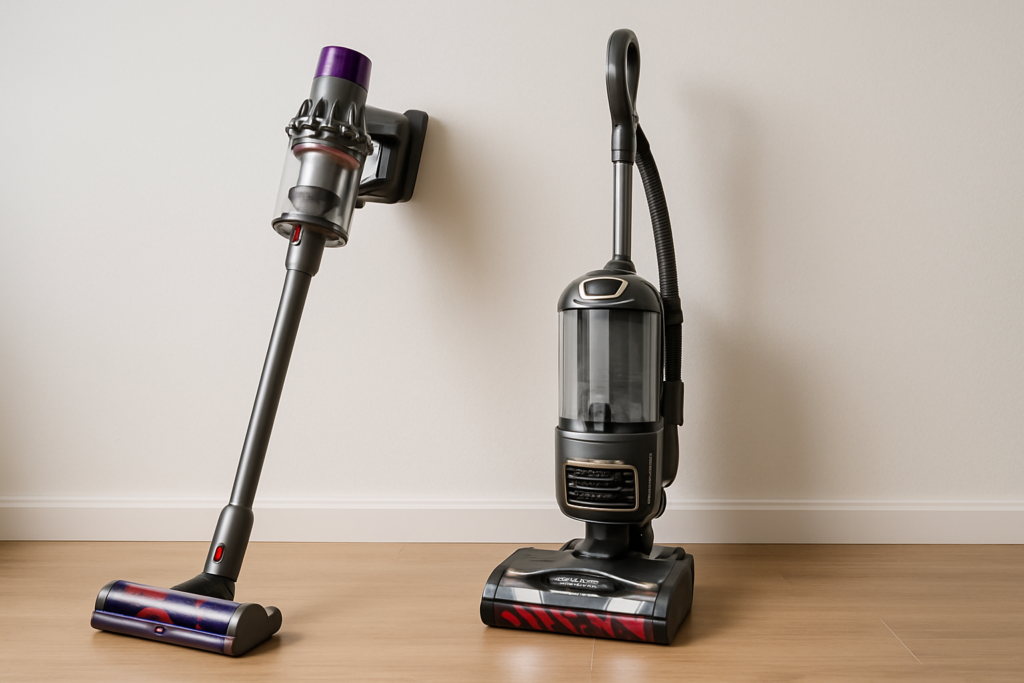
Medium homes (1,000-2,500 square feet) benefit from upright vacuums with long cords and large dust bins. The Shark Navigator Lift-Away series offers excellent value here, switching between upright and portable modes for stairs and furniture.
Shark Navigator Lift-Away Professional
Perfect balance of power and versatility for most homes
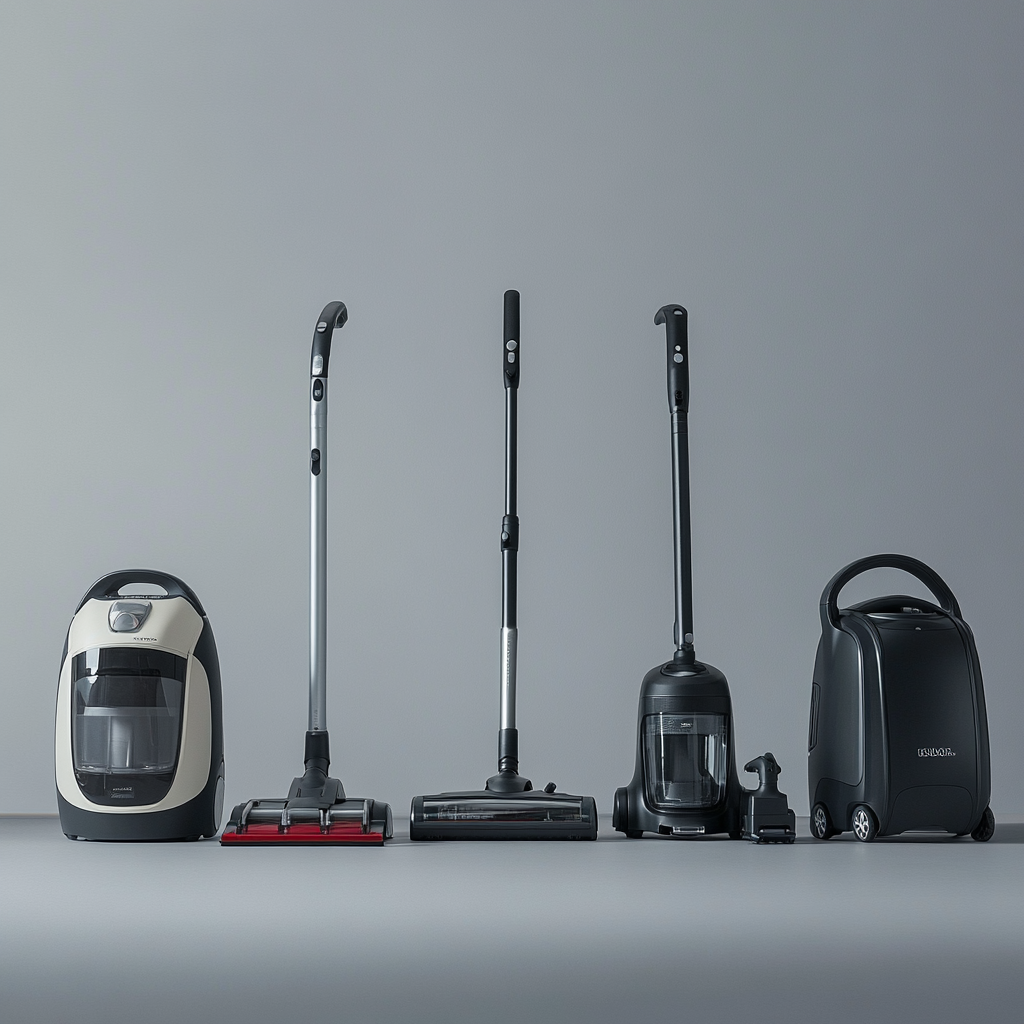
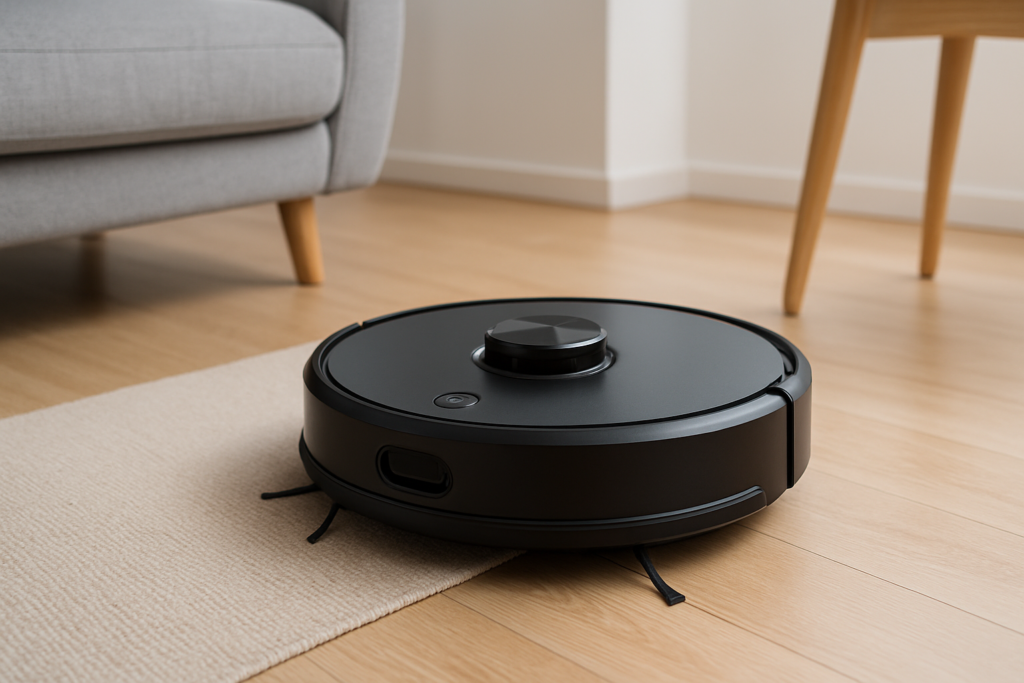
Large homes over 2,500 square feet need serious power and capacity. Canister vacuums like the Miele Complete C3 provide superior suction with specialized attachments for different surfaces. Alternatively, invest in a quality robot vacuum with mapping technology to handle daily maintenance while you focus on weekly deep cleans.
Floor Types Drive Your Decision
Hardwood and tile floors need gentle bristles and excellent debris pickup. Canister vacuums excel here, but many modern cordless models like the Dyson V15 Detect offer specialized hard floor attachments that won’t scratch surfaces.
Carpet-heavy homes require strong suction and rotating brush rolls. Upright vacuums traditionally dominate this category. Look for models with adjustable height settings and brush roll controls to switch between carpet types.
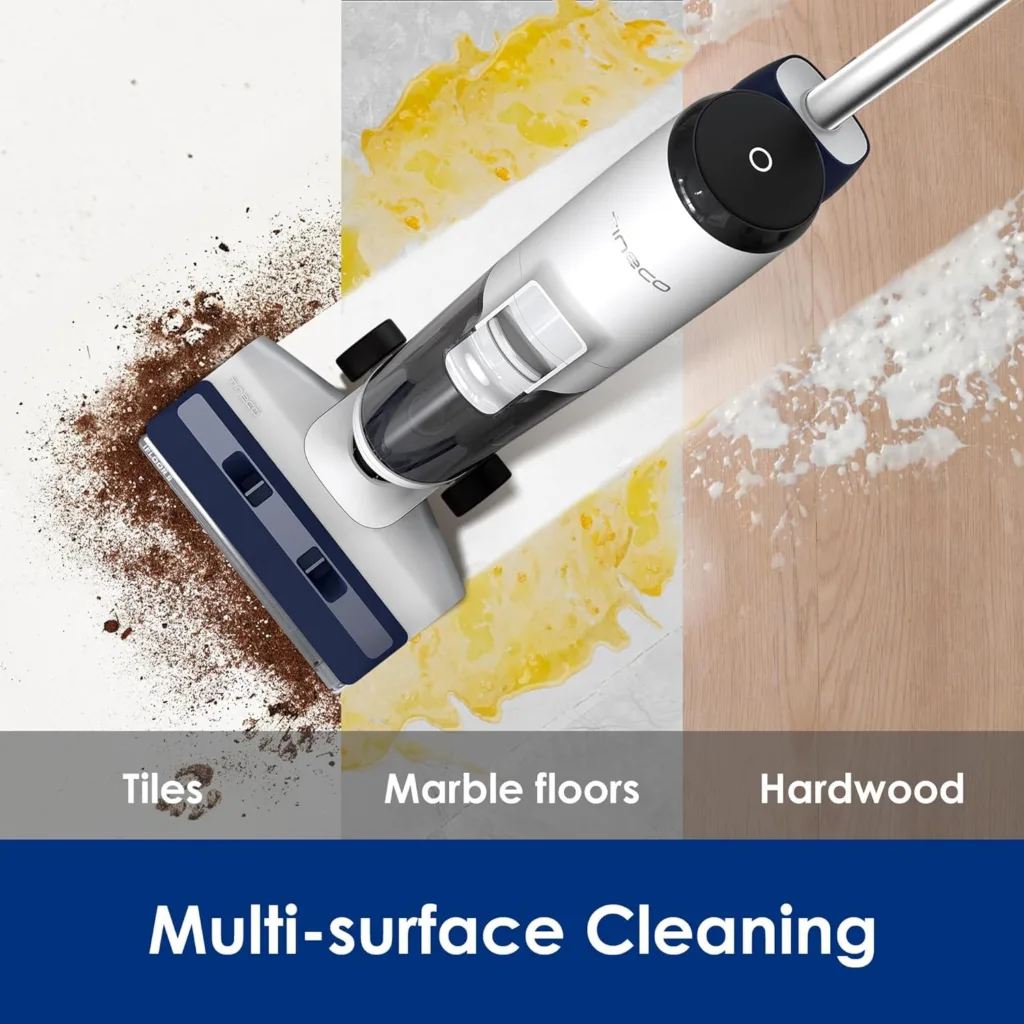
Mixed flooring presents the biggest challenge. You need a vacuum that transitions smoothly between surfaces without manual adjustments. The Bissell CrossWave series can vacuum and mop simultaneously, perfect for homes with multiple floor types.
Dyson V15 Detect Cordless Vacuum
Top-tier performance with laser detection for microscopic dust
Pet Owners and Allergy Sufferers Need Special Features
Pet hair requires specialized brush rolls and strong suction. The Shark Pet Pro models include anti-wrap technology that prevents hair from tangling around the brush. Bissell Pet Hair Eraser vacuums focus specifically on pet cleanup with tangle-free brush rolls and specialized pet tools.
Allergies demand HEPA filtration and sealed systems that prevent dust from escaping back into your air. Miele vacuums consistently rate highest for allergen containment, but several budget-friendly options with HEPA filters provide solid allergen control.
Multiple pets or severe allergies might justify investing in both a high-quality upright for deep cleaning and a robot vacuum for daily hair pickup. This two-vacuum approach keeps pet hair from accumulating between your weekly deep cleans.
Budget Considerations and Long-Term Value
Entry-level vacuums under the mid-range price point include reliable options like the Eureka Groove for basic carpet cleaning or the Black+Decker Dustbuster for quick pickups.
Mid-range vacuums offer the best value for most households. Shark and Bissell models in this category provide excellent performance with useful features like lift-away canisters and specialized pet tools.
Miele Complete C3 Marin Canister Vacuum
Premium build quality and superior allergen containment for serious cleaning
Premium vacuums justify their cost through durability, superior filtration, and specialized features. Dyson cordless models and Miele canisters typically last 8-10 years with proper maintenance, making them cost-effective long-term investments.
Consider replacement part availability and warranty coverage. Miele offers extensive parts availability, while Dyson provides strong warranty support. Cheaper brands often lack readily available filters and belts.
Frequently Asked Questions
How often should I replace vacuum filters?
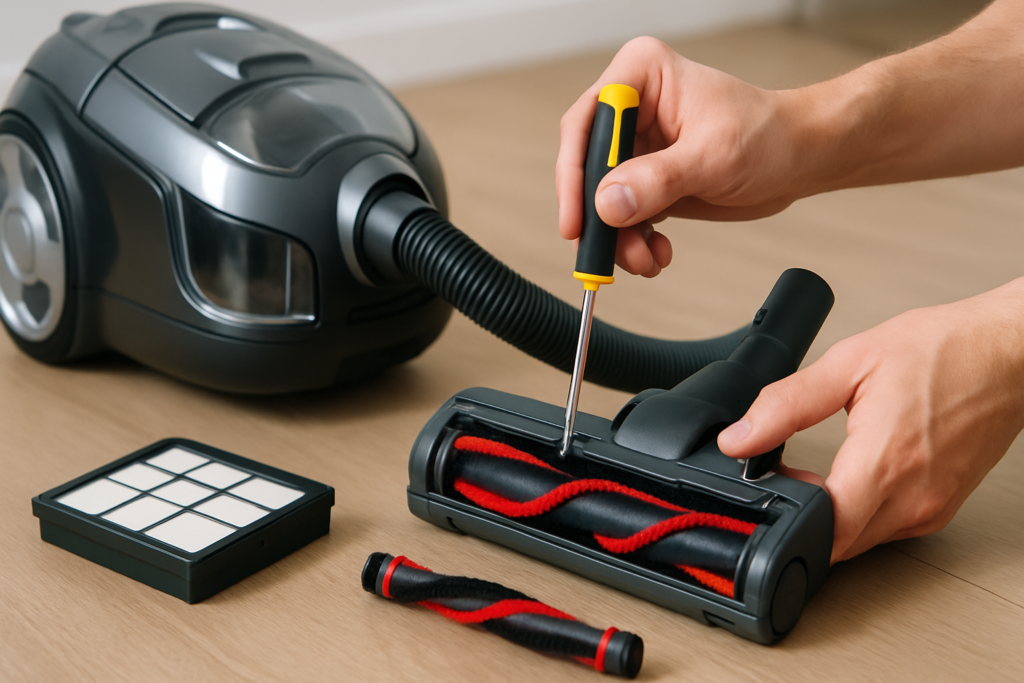
HEPA filters need replacement every 6-12 months depending on usage, while pre-motor filters typically last 3-6 months. Pet owners and allergy sufferers should replace filters more frequently. Some models include washable filters that last longer but require regular cleaning.
Are robot vacuums worth buying if I already own a traditional vacuum?
Robot vacuums excel at daily maintenance but can’t replace deep cleaning from uprights or canisters. They’re most valuable for pet hair control and keeping floors clean between your weekly vacuuming sessions. Homes with mostly hard floors benefit more from robot vacuums than heavy carpet areas.
This article contains affiliate links. We may earn a small commission at no extra cost to you.