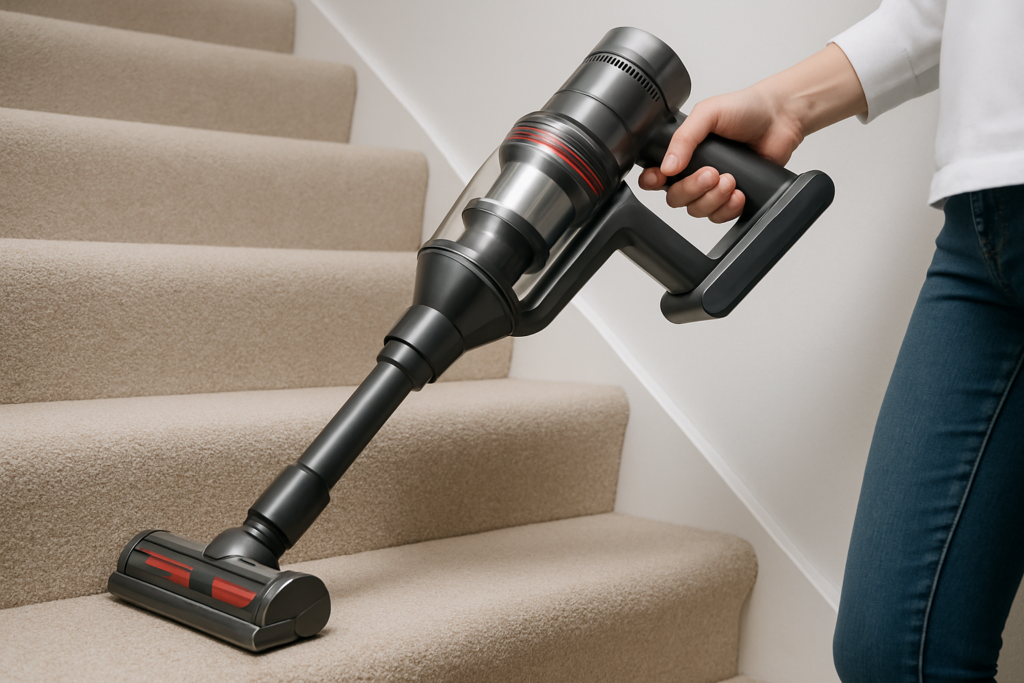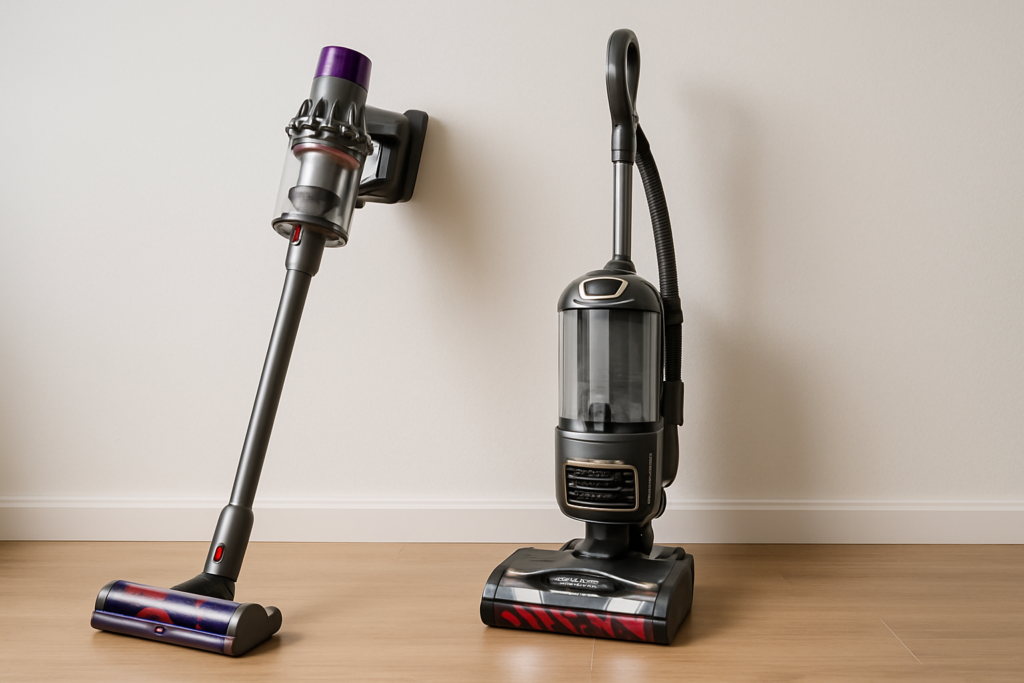
Choosing between Dyson and Shark vacuums feels like picking between a luxury car and a reliable workhorse. Both brands dominate the market, but they take completely different approaches to cleaning your home. Dyson positions itself as the premium innovator with sleek designs and advanced technology, while Shark focuses on practical features and value for money.
After testing dozens of models from both brands over the past year, I’ve found that the “better” choice depends entirely on your cleaning needs, budget, and priorities. Some Dyson models justify their higher price tags with superior performance, while certain Shark vacuums deliver surprisingly impressive results at more accessible price points.
Build Quality and Design Philosophy
Dyson vacuums feel like precision instruments. The brand invests heavily in engineering and materials, resulting in machines that look and feel premium. Most Dyson models feature sleek plastic construction with metallic accents, and the attention to detail is evident in every component.
Shark takes a more utilitarian approach. Their vacuums prioritize function over form, often incorporating features like LED headlights and lift-away canisters that Dyson overlooks. While Shark models might not win design awards, they’re built to handle real-world cleaning challenges.
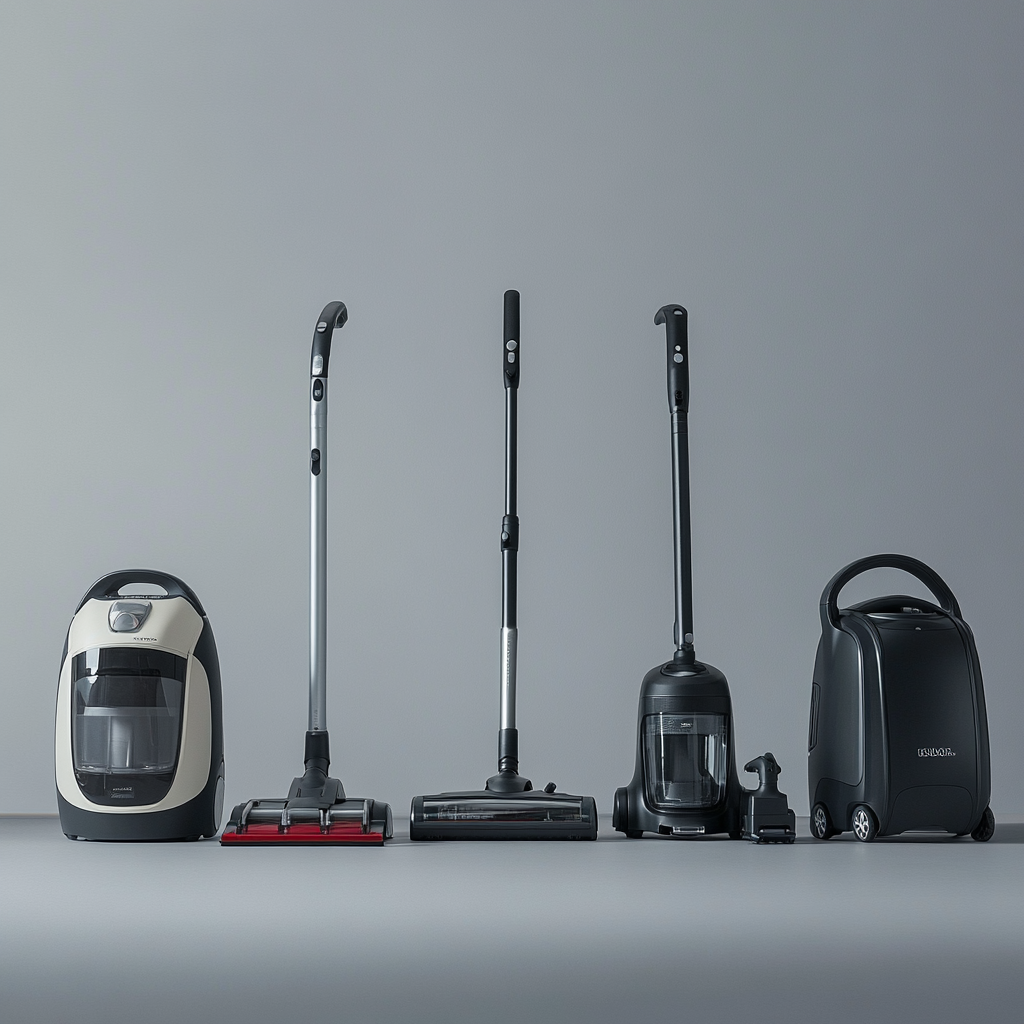
Both brands offer cordless stick vacuums, traditional uprights, and canister models. However, Dyson has largely shifted focus to cordless technology, while Shark continues to innovate across all vacuum types.
Suction Power and Cleaning Performance
Dyson’s cyclonic technology genuinely delivers impressive suction power. The V15 Detect and V11 models consistently outperform most competitors in standardized tests, maintaining strong suction even as the dustbin fills.
Shark vacuums compensate for slightly lower raw suction power with smart brush design and airflow optimization. The Shark Navigator Lift-Away series, for example, excels on carpets due to its aggressive brush roll and sealed suction path.
Dyson V15 Detect
The most advanced cordless vacuum with laser dust detection and scientific debris analysis
For pet hair removal, both brands perform well, but they use different strategies. Dyson relies on powerful suction and specialized pet tools, while Shark incorporates self-cleaning brush rolls that prevent hair wrap.
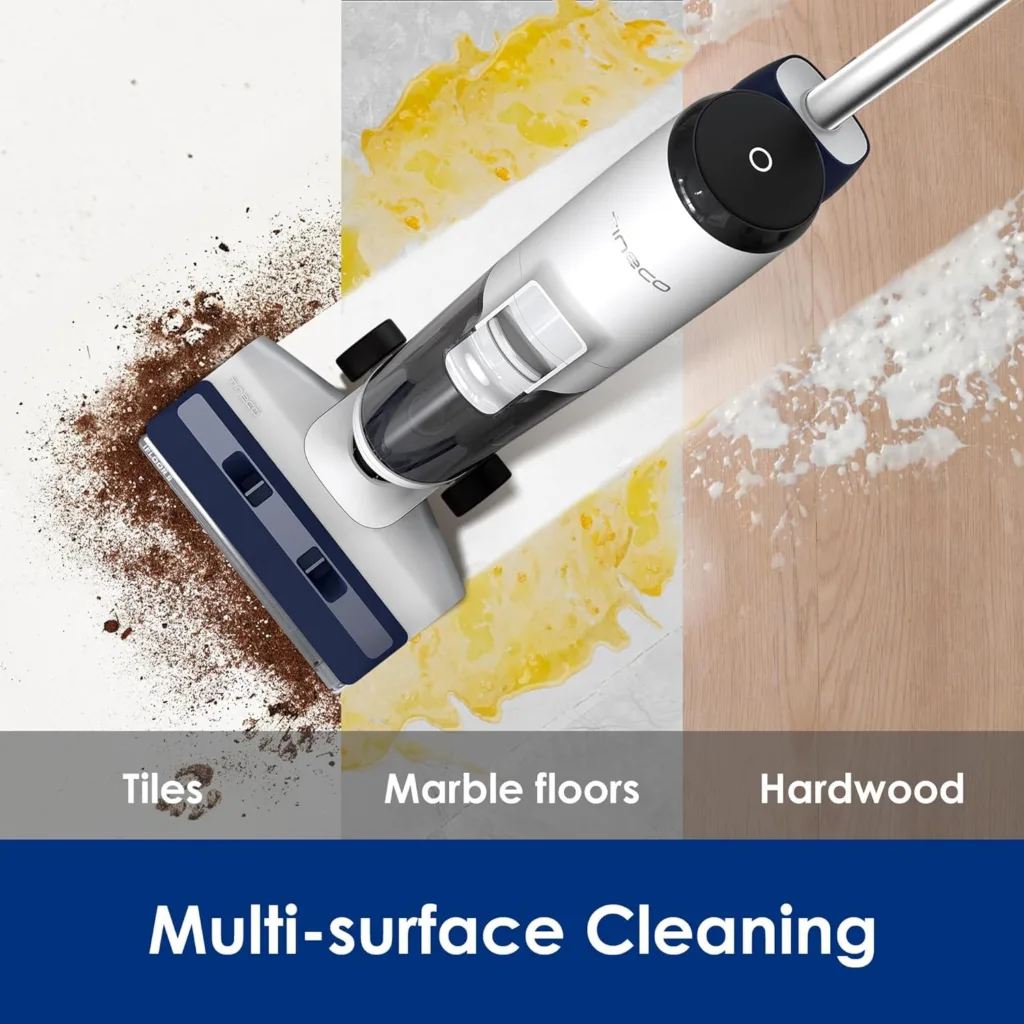
On hard floors, Dyson’s soft roller heads excel at picking up fine debris without scratching surfaces. Shark’s recent models include similar soft brush options, though they’re not quite as refined as Dyson’s offerings.
Battery Life and Cordless Performance
Dyson cordless vacuums typically provide 20-60 minutes of runtime depending on the power setting and attachments used. The newer models like the V15 and V12 include intelligent power management that adjusts suction based on floor type.
Shark’s cordless offerings generally match or exceed Dyson’s battery life. The Shark Vertex series provides up to 60 minutes of runtime and includes removable batteries on some models, allowing you to swap in a fresh battery mid-clean.
Charging time favors Shark slightly. Most Shark cordless models fully charge in 3-4 hours, while Dyson vacuums typically require 4-5 hours for a complete charge.
Attachments and Versatility
Dyson includes fewer attachments with most models, but the ones they provide are precisely engineered. The crevice tool, dusting brush, and mini-motorized tool cover most cleaning scenarios effectively.
Shark takes a different approach, often including 8-10 attachments with their higher-end models. While some attachments feel redundant, others prove genuinely useful. Their pet multi-tool and under-appliance wand extend your cleaning reach significantly.
Shark Navigator Professional
Reliable upright vacuum that delivers consistent performance across all floor types
Both brands offer wall-mounted charging docks that store attachments, though Dyson’s docks integrate more elegantly into home decor.
Maintenance and Filter Systems
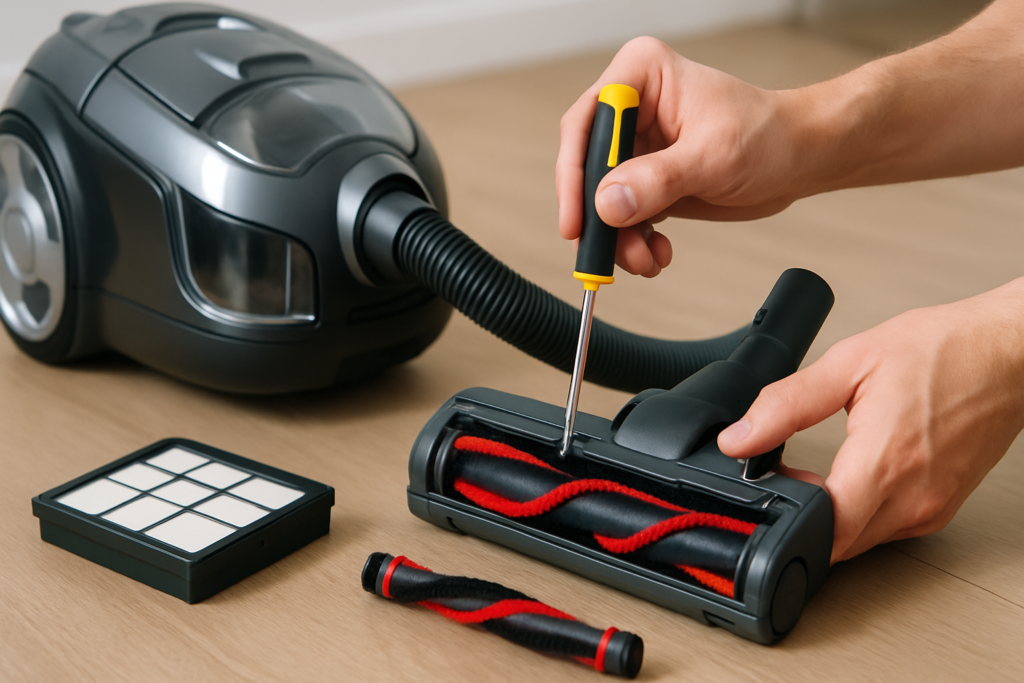
Dyson’s maintenance requirements are minimal. Most models feature washable filters that need cleaning every 1-3 months. The bagless design means you’ll only need to empty the dustbin and occasionally wash filters.
Shark vacuums also use bagless systems with washable filters. However, some Shark models require more frequent filter maintenance, especially if you have pets or live in a dusty environment.
Filter replacement costs favor Shark. When filters eventually need replacement, Shark’s are generally more affordable than Dyson’s specialized components.
Warranty and Customer Support
Dyson provides a 2-year warranty on most vacuum models, with some premium units receiving extended coverage. Their customer support is generally responsive, though replacement parts can be expensive.
Shark offers a 5-year warranty on many models, which provides better long-term protection. Their customer service receives mixed reviews, but the longer warranty period demonstrates confidence in their products.
Both brands have authorized service centers in major cities, though Dyson’s network is slightly more extensive.
Model Recommendations by Use Case
Best for Small Apartments
The Dyson V8 offers excellent maneuverability and sufficient power for smaller spaces. Its compact size and multiple attachments handle quick daily cleaning efficiently.
Best for Large Homes
Shark’s corded uprights excel in larger homes where battery life becomes a concern. The extended reach and consistent power make them ideal for whole-home cleaning sessions.
Shark Rotator Professional
Heavy-duty upright vacuum perfect for large homes with mixed flooring
Best for Pet Owners
Both brands offer pet-specific models. Dyson’s V11 Animal provides powerful suction and specialized pet tools, while Shark’s self-cleaning brush rolls prevent the hair tangles that frustrate many pet owners.
Best Budget Option
The Shark Navigator Lift-Away delivers solid performance at an accessible price point. It lacks the premium feel of Dyson models but handles most cleaning tasks effectively.
Value Analysis: Which Brand Wins?
Dyson justifies its premium pricing with superior engineering, longer-lasting performance, and innovative features. If you prioritize cutting-edge technology and don’t mind paying more upfront, Dyson delivers excellent long-term value.
Shark provides better immediate value for most households. Their vacuums offer 80% of Dyson’s performance at 60% of the price, making them the practical choice for budget-conscious buyers.
For cordless convenience and advanced features, Dyson leads. For traditional upright performance and versatility, Shark often provides better value.
Frequently Asked Questions
Which brand lasts longer, Dyson or Shark?
Dyson vacuums typically last 7-10 years with proper maintenance, while Shark models average 5-7 years. However, Shark’s longer warranty period and lower replacement cost can offset this difference.
Are Dyson vacuums really worth the extra money?
For households that vacuum frequently and value advanced features like laser dust detection or intelligent suction adjustment, Dyson’s premium pricing is justified. Casual users will find better value with Shark models.
Which brand is better for thick carpets?
Both brands handle thick carpets well, but through different approaches. Dyson relies on raw suction power, while Shark uses aggressive brush action. Test both if possible, as carpet type affects performance significantly.
Do Shark vacuums really perform as well as Dyson?
In everyday cleaning tasks, many Shark models perform comparably to Dyson vacuums. Dyson pulls ahead in fine debris pickup and sustained suction, but Shark excels in brush design and practical features like LED lights.
Your choice between Dyson and Shark ultimately depends on your priorities. Dyson offers premium performance and innovative features for those willing to invest more upfront. Shark provides practical, reliable cleaning at more accessible prices. Both brands will keep your home clean, but they’ll do it in distinctly different ways.
This article contains affiliate links. We may earn a small commission at no extra cost to you.