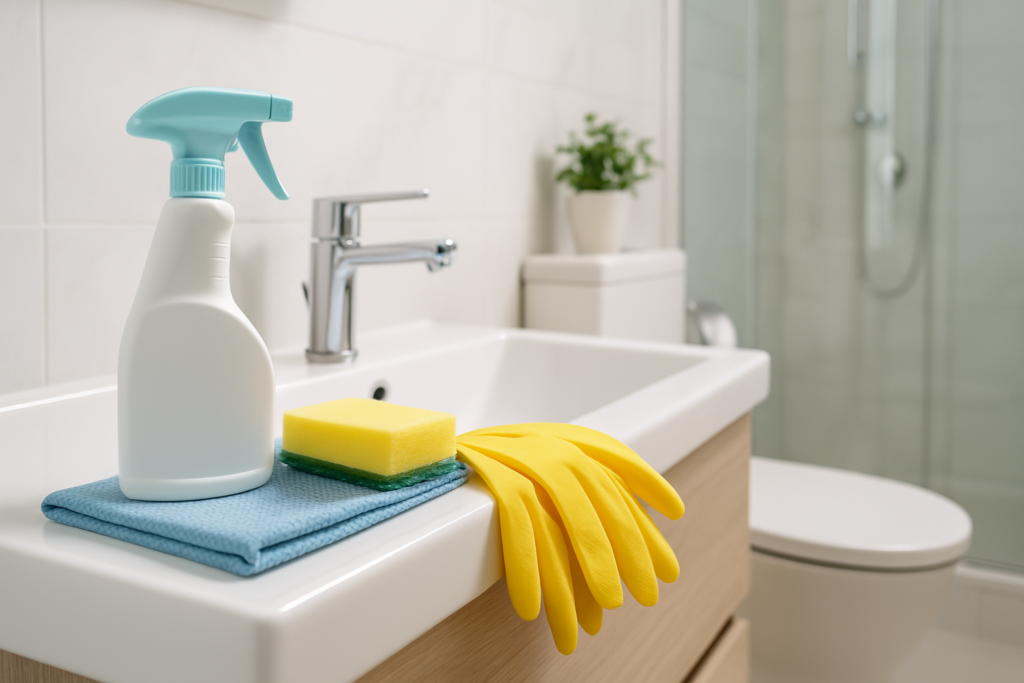
A clean bathroom doesn’t have to be a time-consuming chore that dominates your weekend. With the right techniques and a few smart shortcuts, you can tackle soap scum, eliminate mildew, banish hard water stains, and keep your toilet sparkling without spending hours scrubbing.
These 15 proven bathroom cleaning hacks will transform your cleaning routine from a dreaded task into a quick and efficient process. Whether you’re dealing with stubborn buildup or just want to maintain a spotless space, these tips will save you time and effort while delivering professional-level results.
Smart Soap Scum Solutions
1. Dawn and Vinegar Powerhouse
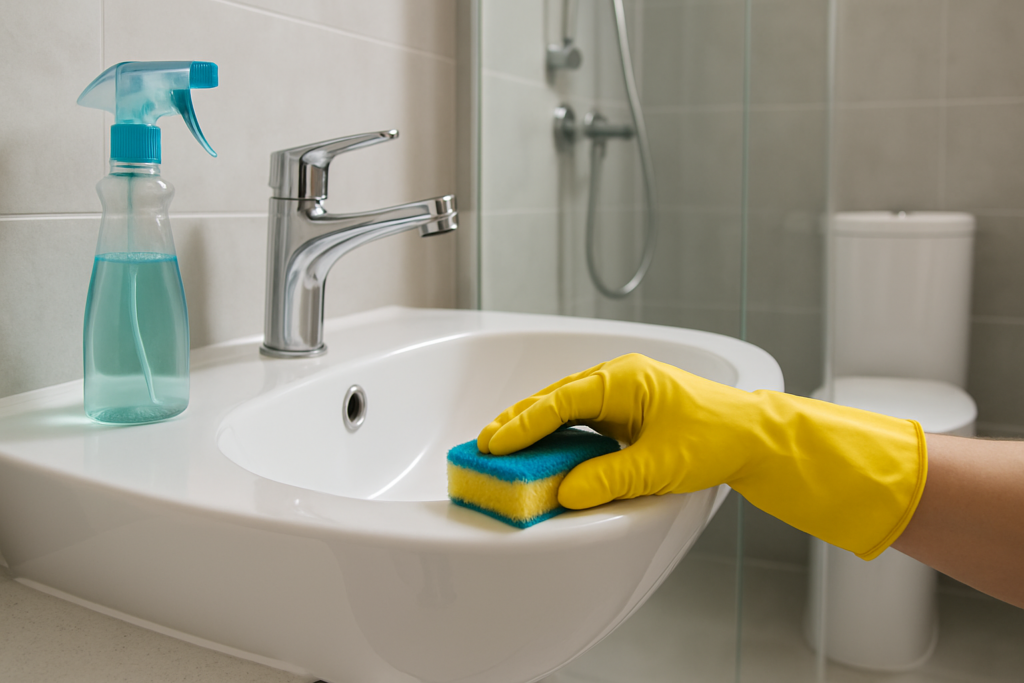
Mix equal parts Dawn dish soap and white vinegar in a spray bottle. Heat the mixture in the microwave for 30 seconds before applying. This combination cuts through soap scum better than most commercial cleaners, and the heat helps it penetrate deeper into the buildup.
Spray it on shower doors and tub surfaces, let it sit for 15 minutes, then wipe clean with a microfiber cloth. You’ll be amazed at how easily even thick soap scum dissolves.
Magic Eraser Cleaning Pads
These melamine foam pads remove soap scum with minimal scrubbing effort.
2. Fabric Softener Sheet Trick
Used dryer sheets work wonders on glass shower doors. The anti-static properties help repel future soap scum buildup while removing existing residue. Simply dampen the sheet slightly and wipe the glass in circular motions.
3. Daily Shower Spray Prevention
Make your own daily shower spray with 1 cup water, 1/2 cup vinegar, and 1/2 cup rubbing alcohol. Spray surfaces after each shower to prevent soap scum from forming. This simple step eliminates 90% of deep cleaning later.
Mildew and Mold Elimination
4. Hydrogen Peroxide Deep Clean
Pour 3% hydrogen peroxide into a spray bottle and apply directly to moldy grout lines. Let it sit for 10 minutes, then scrub with an old toothbrush. The peroxide kills mold spores at the root level, preventing quick regrowth.
5. Tea Tree Oil Natural Solution
Mix 2 teaspoons of tea tree oil with 2 cups of water in a spray bottle. This natural antifungal solution works particularly well in shower corners and around tub edges. The smell dissipates quickly, but the mold-fighting properties last for weeks.
6. Ventilation Boost Strategy
Run your bathroom fan during showers and for at least 30 minutes afterward. Install a humidity monitor to keep levels below 50%. High humidity is mildew’s best friend, so controlling moisture prevents problems before they start.
Bathroom Exhaust Fan Timer Switch
Automatically runs your fan for optimal moisture control without remembering to turn it off.
Hard Water Stain Removal
7. CLR Alternative Recipe
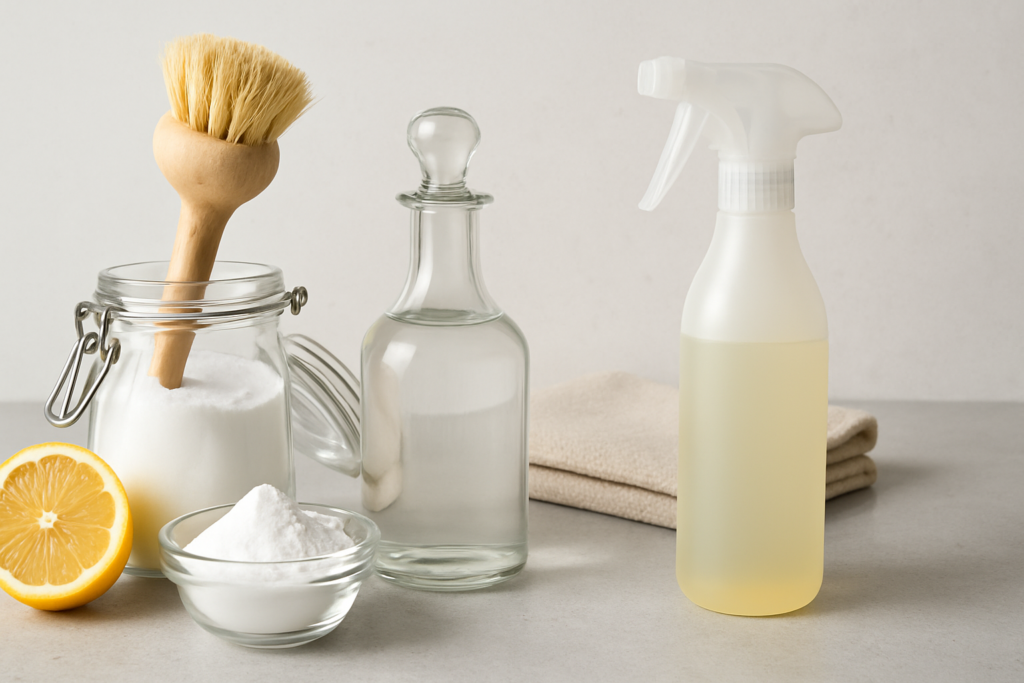
Create a powerful calcium and lime remover by mixing 1 cup white vinegar with 1/4 cup baking soda and 1 tablespoon of lemon juice. Apply to faucets, showerheads, and fixtures. Let it work for 20 minutes before scrubbing with a soft brush.
8. Showerhead Overnight Soak
Fill a plastic bag with white vinegar and secure it around your showerhead with a rubber band. Leave it overnight, then run hot water for a few minutes in the morning. This removes mineral buildup that restricts water flow and creates uneven spray patterns.
9. Bar Keepers Friend for Stubborn Stains
Bar Keepers Friend contains oxalic acid that dissolves the toughest mineral deposits. Make a paste with water and apply to glass doors, chrome fixtures, and tile. Let it sit for 2 minutes, then scrub gently and rinse thoroughly.
Toilet Cleaning Shortcuts
10. Pumice Stone for Ring Removal
A wet pumice stone removes toilet bowl rings that resist chemical cleaners. Wet both the stone and the porcelain, then gently rub the stained area. The stone won’t scratch properly wetted porcelain but will eliminate even years of buildup.
11. Denture Tablets Deep Clean
Drop two denture cleaning tablets into your toilet bowl before bed. The effervescent action and cleaning agents work overnight to dissolve stains and kill bacteria. Brush lightly in the morning and flush for a sparkling bowl.
12. Coca-Cola Rust Remover
Pour a can of Coca-Cola around the toilet bowl rim and let it sit for an hour. The phosphoric acid in the soda dissolves rust stains and mineral deposits. This works particularly well on toilets with iron-rich water stains.
Time-Saving Surface Strategies
13. Microfiber Cloth System
Use different colored microfiber cloths for different bathroom areas. Blue for mirrors and glass, yellow for counters and sinks, red for toilets. This prevents cross-contamination and makes cleaning more efficient.
Squeegee for Shower Doors
Daily squeegee use prevents 80% of water spots and soap scum buildup on glass surfaces.
14. Steam Cleaning Power
Fill your bathroom with steam by running the hottest shower water for 5 minutes with the door closed. The steam loosens grime, making everything easier to wipe clean. This technique works especially well before cleaning grout lines and textured surfaces.
15. Top-Down Cleaning Method
Always start with light fixtures and work your way down to the floor. Clean mirrors and windows first, then countertops, finally the toilet and floor. This prevents you from re-cleaning surfaces as dust and debris fall from higher areas.
Preventive Maintenance Tips
Prevention beats deep cleaning every time. Apply car wax to glass shower doors twice yearly to create a water-repelling surface. Replace old caulk before it becomes moldy rather than trying to clean it. Keep a small squeegee in your shower and use it after each use.
Install water softening systems if you have extremely hard water. The investment pays for itself in reduced cleaning time and longer-lasting fixtures. Consider upgrading to easier-to-clean materials like quartz countertops or glass tile when renovating.
Product Recommendations by Surface Type
For natural stone surfaces like marble or travertine, avoid acidic cleaners completely. Use pH-neutral stone cleaners to prevent etching and damage. Porcelain and ceramic tiles can handle stronger cleaners, but test in an inconspicuous area first.
Chrome fixtures respond well to baby oil for streak-free shine after cleaning. Brushed nickel and oil-rubbed bronze need gentler treatment with mild soap solutions. Glass surfaces benefit from newspaper for the final polish to eliminate streaks.
Frequently Asked Questions
How often should I deep clean my bathroom?
With these preventive measures in place, a thorough deep clean every 2-3 weeks is sufficient. Daily maintenance and weekly touch-ups will keep your bathroom consistently clean without major scrubbing sessions.
Can I mix different cleaning products safely?
Never mix bleach with ammonia or vinegar, as this creates toxic gases. Stick to one cleaning solution at a time, and always ventilate the area properly. When in doubt, finish with one product completely before starting with another.
What’s the best way to clean bathroom exhaust fans?
Turn off power at the breaker first. Remove the cover and soak it in warm, soapy water. Use a vacuum with a brush attachment to remove dust from the fan blades and housing. Clean fans work more efficiently and last longer.
This article contains affiliate links. We may earn a small commission at no extra cost to you.