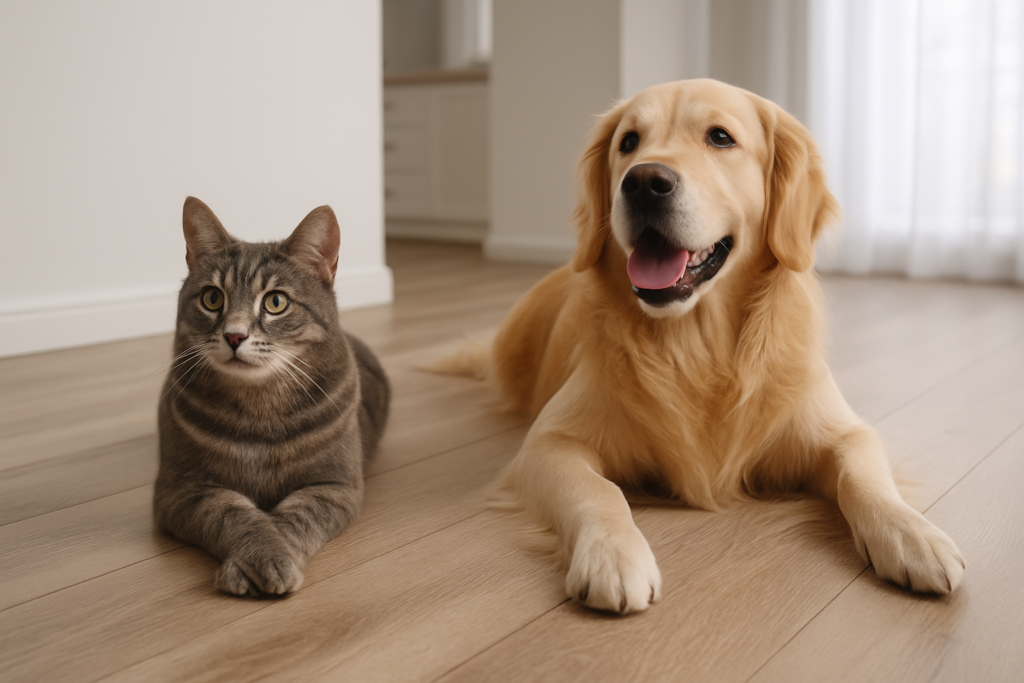
Living with pets means dealing with scratches, spills, accidents, and endless paw prints across your floors. Your furry friends bring joy to your home, but they can also turn beautiful flooring into a battlefield of damage and stains. The right flooring choice makes all the difference between constant stress about your floors and actually enjoying life with your pets.
The best pet-friendly floors combine durability, water resistance, and easy maintenance without sacrificing style. After researching dozens of options and talking to pet owners who’ve been through multiple flooring disasters, three types consistently rise to the top: luxury vinyl, tile, and engineered hardwood. Each offers unique advantages for pet households, but your specific situation will determine which works best for your home.
What Makes Flooring Pet-Friendly
Pet-proof flooring needs to handle four main challenges: scratches from claws, moisture from spills and accidents, odors that penetrate porous surfaces, and the constant wear from active animals. Traditional hardwood fails on multiple fronts, while carpet becomes a magnet for pet hair and embedded odors.
Scratch resistance comes from surface hardness and protective coatings. Water resistance prevents damage from accidents and makes cleanup easier. Easy cleanability means you can tackle messes quickly without special products or techniques. The best pet flooring excels in all three areas.
Consider your pet’s specific habits too. Large dogs with long nails create different challenges than cats who prefer scratching posts. Puppies have more accidents than house-trained adult dogs. Multiple pets multiply the wear and tear significantly.
Luxury Vinyl: The All-Around Winner
Luxury vinyl plank (LVP) and luxury vinyl tile (LVT) dominate the pet flooring market for good reason. Modern vinyl floors look remarkably similar to hardwood or stone but offer superior performance for pet owners. The wear layer protects against scratches, while the waterproof core handles any liquid your pets can dish out.
Quality vinyl floors feature scratch-resistant surfaces that stand up to even large dogs with untrimmed nails. The best options include brands like COREtec, which uses a rigid core construction that won’t dent or buckle. Their stone-plastic composite (SPC) cores provide stability while maintaining complete waterproof properties.
COREtec Luxury Vinyl Plank Flooring
Top choice for pet owners needing maximum scratch and water resistance
Installation matters significantly with vinyl floors. Floating floors with click-lock systems work well for most pet owners, but full adhesive installation provides the most stability for homes with multiple large dogs. Proper installation prevents gaps where moisture could penetrate.
Maintenance couldn’t be simpler. Regular sweeping and occasional mopping with pet-safe cleaners keeps vinyl floors looking new. Unlike hardwood, you don’t need to worry about refinishing or special treatments. Accidents wipe up immediately without staining or damage.
Ceramic and Porcelain Tile: Maximum Durability
Tile floors offer unmatched durability and complete water resistance. Porcelain tiles, in particular, provide extremely hard surfaces that resist scratches from even the most destructive pets. Large format tiles minimize grout lines, reducing maintenance and preventing dirt accumulation.
Porcelain’s density makes it nearly impervious to odors and stains. Pet accidents clean up completely without leaving lasting evidence. The hard surface won’t harbor bacteria or allergens that can accumulate in softer flooring materials.
Grout selection becomes critical for pet owners. Epoxy grouts resist staining and don’t require sealing like traditional cement grouts. They cost more initially but save significant maintenance time over the floor’s lifetime. Dark grout colors hide dirt better than light colors in pet households.
Porcelain Wood Look Tile
Combines the durability of tile with the appearance of hardwood
The main drawback of tile is comfort. Hard surfaces can be tough on older pets’ joints, and tile feels cold underfoot. Area rugs help address both issues while remaining easy to clean or replace when needed.
Professional installation ensures proper waterproofing and prevents cracked tiles from pet impacts. DIY installation is possible but requires careful attention to substrate preparation and proper spacing.
Engineered Hardwood: Beauty with Better Performance
Pet owners don’t have to give up the warmth and beauty of wood floors entirely. Engineered hardwood offers better stability and moisture resistance than solid wood while maintaining authentic wood appearance. The key lies in choosing the right species, finish, and construction.
Harder wood species resist scratches better. Oak, maple, and hickory outperform softer woods like pine or cherry. Distressed or wire-brushed finishes help hide scratches that do occur. Hand-scraped textures camouflage pet damage better than smooth, glossy surfaces.
Aluminum oxide finishes provide the best scratch resistance for engineered floors. Multiple coat applications create a more durable surface. Some manufacturers offer specialized pet-friendly finishes with enhanced durability specifically for households with animals.
Quality engineered floors use waterproof adhesives and moisture barriers, but they’re not completely waterproof like vinyl or tile. Quick cleanup of accidents prevents damage, but standing water will eventually cause problems. This makes engineered hardwood better suited for well-trained pets rather than puppies or cats that miss litter boxes.
Flooring Options to Avoid with Pets
Solid hardwood tops the list of pet-unfriendly flooring. Beautiful but impractical, solid wood scratches easily, shows every claw mark, and suffers permanent damage from pet accidents. Water penetrates between boards and causes warping, cupping, and odor retention.
Carpet presents multiple challenges for pet owners. Pet hair embeds deeply in fibers, accidents penetrate padding and create persistent odors, and thorough cleaning requires professional equipment. Even pet-specific carpets struggle with heavy use from multiple animals.
Laminate flooring looks similar to engineered hardwood but performs poorly with pets. The fiberboard cores swell when exposed to moisture, causing permanent damage. Surface scratches can’t be repaired like real wood, and the artificial appearance becomes obvious once damaged.
Natural stone requires too much maintenance for busy pet households. Marble and travertine stain easily, while slate can be rough on pet paws. The porous nature of many natural stones makes odor removal difficult.
Installation and Maintenance Tips
Proper installation prevents most pet-related flooring problems. Waterproof barriers protect subfloors from accidents that seep through joints. Quality underlayments reduce noise from running pets and provide cushioning for their joints.
Regular maintenance extends flooring life significantly. Daily sweeping removes abrasive dirt that causes micro-scratches. Weekly mopping with pet-safe cleaners prevents buildup of oils and dander. Trim your pet’s nails regularly to minimize scratch damage.
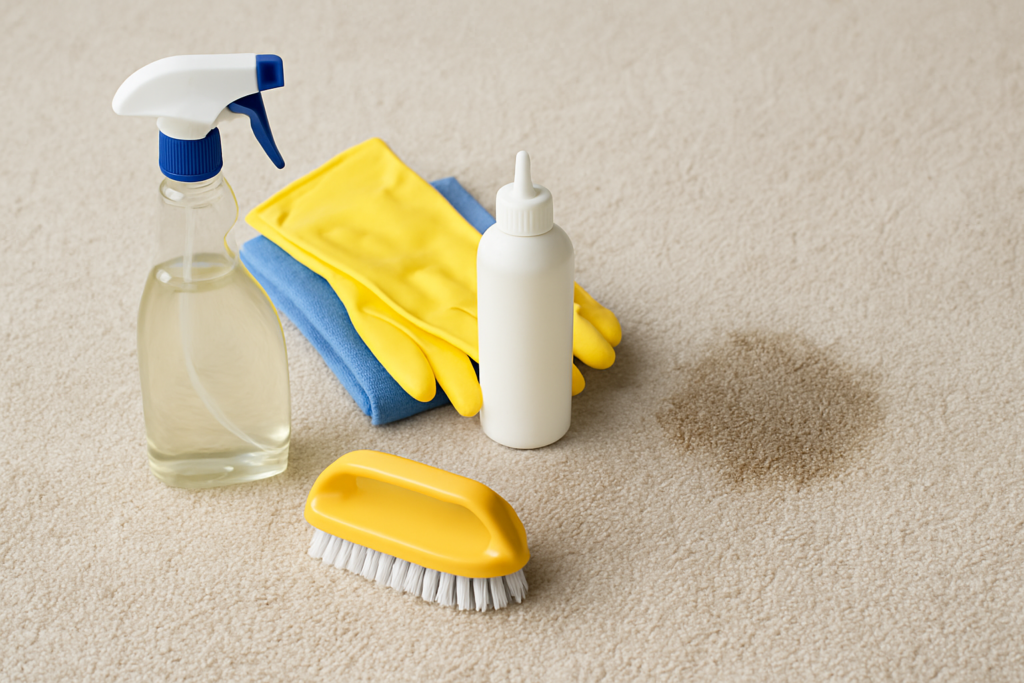
Keep pet-safe floor cleaners readily available for quick accident cleanup. Enzyme cleaners break down odor-causing compounds that regular cleaners leave behind. Address accidents immediately to prevent permanent staining or damage.
Area rugs provide extra protection in high-traffic areas and can be easily cleaned or replaced. Choose washable rugs or ones specifically designed for pet households. Rubber-backed rugs prevent slipping but may discolor some flooring types over time.
Cost Considerations for Pet Flooring
Budget-conscious pet owners often choose basic vinyl options that provide good performance at entry-level prices. Mid-range luxury vinyl offers better appearance and longer warranties while remaining affordable for most households. Premium options include enhanced wear layers and realistic textures that rival natural materials.
Tile installation costs vary significantly based on size, pattern, and substrate preparation requirements. Large format tiles reduce installation time and costs compared to smaller tiles. Professional installation ensures proper waterproofing but adds to overall project costs.
Engineered hardwood generally costs more than vinyl but less than solid hardwood. Factor in potential replacement costs from pet damage when making decisions. Less expensive floors that need frequent replacement may cost more long-term than durable options with higher upfront prices.
Waterproof Luxury Vinyl Plank
Best value for pet owners seeking durability and style
Professional installation typically pays for itself through proper preparation and warranty coverage. DIY installation saves money but requires tool investment and skill development. Mistakes during installation can void warranties and create expensive problems later.
Frequently Asked Questions
What’s the most scratch-resistant flooring for dogs with long nails?
Porcelain tile offers the highest scratch resistance, followed closely by high-quality luxury vinyl with thick wear layers. COREtec and similar rigid core vinyl floors resist scratches from even large dogs with untrimmed nails. Regular nail trimming helps protect any flooring type.
Can pet urine permanently damage waterproof vinyl floors?
True waterproof vinyl floors won’t be damaged by pet urine on the surface, but liquid can potentially seep through seams if not cleaned promptly. Quality installation with proper sealing prevents moisture penetration. Clean accidents immediately and check seams periodically for any separation.
How do I remove pet odors from existing floors?
Enzyme cleaners specifically designed for pet odors work best on most flooring types. For persistent odors in porous materials, you may need professional cleaning or complete replacement. Hard surfaces like tile and quality vinyl typically clean completely with proper enzymatic treatment.
Is radiant floor heating safe for pets?
Radiant heating works well with most pet-friendly flooring options and provides comfort for older pets with joint issues. Ensure temperatures stay within manufacturer specifications for your flooring type. Luxury vinyl and tile work excellently with radiant systems, while some engineered hardwood options may have temperature restrictions.
This article contains affiliate links. We may earn a small commission at no extra cost to you.