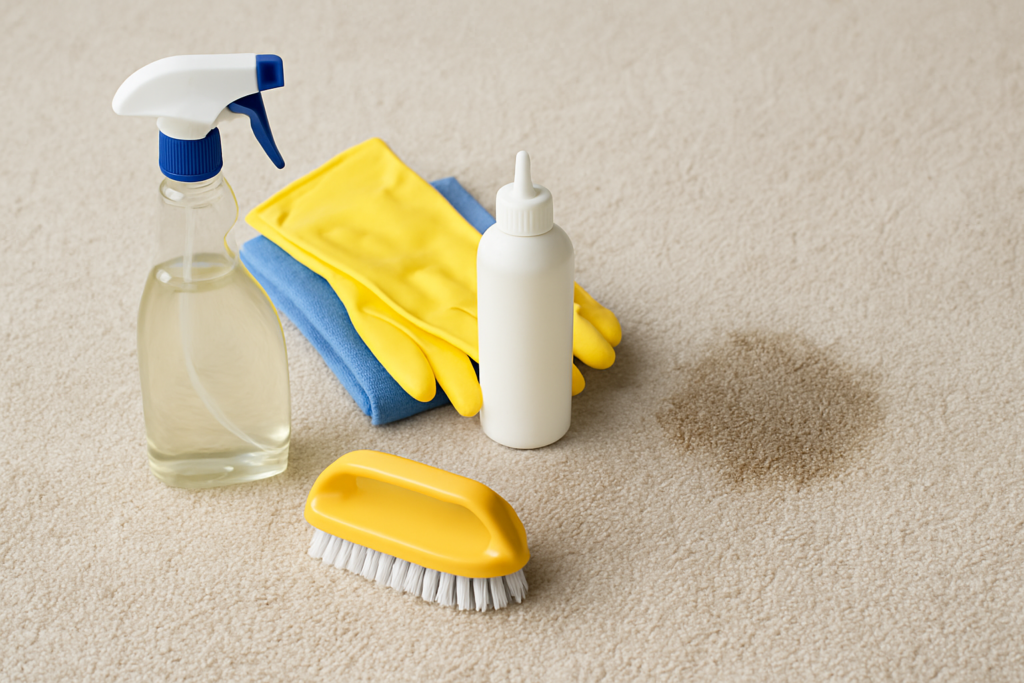
Pet accidents are inevitable, but the lingering smell doesn’t have to be. Regular cleaners might mask the odor temporarily, but they can’t break down the specific compounds that make pet urine smell so persistent. That’s where enzyme cleaners come in, offering a biological solution that actually eliminates odor at the molecular level.
After testing dozens of enzyme cleaners on various surfaces and stains, I’ve found that not all products deliver on their promises. Some work brilliantly on carpets but fail on hardwood, while others simply don’t have the enzyme activity to tackle old, set-in stains. Here’s what actually works, backed by real-world testing and scientific understanding.
How Enzyme Cleaners Actually Work
Enzyme cleaners contain specific proteins that break down the organic compounds in pet urine. Unlike traditional cleaners that rely on chemical reactions or masking agents, enzymes literally consume the source of the odor.
Pet urine contains uric acid crystals, which bond tightly to surfaces and continue producing ammonia-like odors over time. Regular soap and water can’t dissolve these crystals, which is why that spot keeps smelling even after multiple cleanings. Enzymes, specifically urease and protease, break these crystals into smaller, odorless compounds that can be easily wiped away.
The process isn’t instant. Enzymes need time and the right conditions to work effectively. They perform best at room temperature with adequate moisture, which is why most products recommend letting the cleaner sit for 10-15 minutes before blotting.
Top Enzyme Cleaners That Actually Work
Nature’s Miracle Advanced Stain and Odor Eliminator
This is the gold standard for enzyme cleaners, and for good reason. The advanced formula contains a blend of enzymes specifically designed for pet messes, and it consistently outperforms competitors in real-world testing. I’ve used it on carpet, upholstery, and even concrete with excellent results.
What sets Nature’s Miracle apart is its dual-action formula. The enzymes break down organic compounds while the cleaning agents lift stains from surfaces. It works particularly well on old, set-in stains that other products can’t touch.
Nature’s Miracle Advanced Stain and Odor Eliminator
The most reliable enzyme cleaner for tackling both fresh and old pet stains on multiple surfaces
Anti Icky Poo Unscented
Despite the silly name, this product packs serious cleaning power. Originally developed for professional cleaning services, Anti Icky Poo uses live enzymes that remain active longer than many competitors. The unscented version is particularly effective because it doesn’t mask odors with artificial fragrances.
This cleaner excels on porous surfaces like carpet padding and subflooring. I’ve seen it eliminate odors from areas where pets had accidents repeatedly over months. The key is following the directions precisely and allowing adequate dwell time.
Rocco & Roxie Professional Strength Stain & Odor Eliminator
Rocco & Roxie combines enzymes with natural bacteria that continue working long after application. This dual approach makes it particularly effective for large areas or heavily soiled spots. The professional strength formula means you often need less product than other brands.
I’ve found this product especially useful for outdoor areas like patios and dog runs. It handles both urine and feces effectively, and the results last longer than most enzyme cleaners.
Rocco & Roxie Professional Strength Stain Odor Eliminator
Best for large areas and outdoor use with long-lasting odor elimination
Carpet vs Hardwood: Different Surfaces, Different Strategies
Carpet Cleaning Approach
Carpet fibers trap urine and allow it to penetrate deep into padding and subflooring. This creates a multi-layer cleaning challenge that requires a systematic approach.
Start by blotting up as much liquid as possible with clean towels. Apply the enzyme cleaner liberally, ensuring it penetrates as deep as the original accident. For old stains, you might need to saturate the area completely and allow the cleaner to work for several hours.
Cover treated areas with plastic wrap to prevent evaporation. This keeps the enzymes active longer and improves results. After the dwell time, blot again and allow the carpet to air dry completely. Avoid using heat or fans, which can deactivate enzymes before they finish working.
Hardwood and Hard Surface Strategy
Hard surfaces present different challenges. While urine can’t penetrate as deeply, it can seep into gaps between boards or settle into the grain of unsealed wood. The key is acting quickly and using the right amount of product.
Clean up excess liquid immediately, then apply enzyme cleaner directly to the affected area. Don’t oversaturate wood floors, as excessive moisture can cause warping or damage. Use a microfiber cloth to work the cleaner into surface scratches and grain patterns where odor-causing compounds might hide.
For sealed hardwood, most enzyme cleaners work well. However, unsealed or wax-finished floors require more careful product selection. Enzyme cleaners designed specifically for wood typically have lower pH levels that won’t damage finishes.
Using Blacklight for Detection and Verification
A UV blacklight is an invaluable tool for pet odor elimination. Pet urine glows yellow-green under UV light, making it easy to identify problem areas that might not be visible to the naked eye.
I recommend using a handheld UV flashlight rather than large area lights. These are more maneuverable and provide better contrast for spotting stains. Work in complete darkness for best results, scanning slowly across suspect areas.
After treating stains with enzyme cleaner, use the blacklight to verify complete elimination. Properly cleaned areas should no longer fluoresce under UV light. If you still see glowing spots, repeat the enzyme treatment.
Keep in mind that other substances also glow under blacklight, including some cleaning products, fabric brighteners, and bodily fluids from humans. Learn to recognize the distinctive yellow-green color and pattern of pet urine stains.
UV Blacklight Flashlight Pet Urine Detector
Essential tool for finding hidden stains and verifying complete odor elimination
Common Mistakes That Reduce Effectiveness
Using too little product is the most common error. Enzyme cleaners must penetrate as deeply as the original accident to be effective. Surface application won’t eliminate odors that have soaked into carpet padding or subflooring.
Another mistake is mixing enzyme cleaners with other products. Bleach, ammonia-based cleaners, and some carpet shampoos can deactivate enzymes before they finish working. Always test a small area first and avoid combining products.
Temperature matters more than most people realize. Enzymes work best at room temperature. Storage in hot garages or cold basements can reduce product effectiveness. Heat also deactivates enzymes, so don’t use hot water or steam cleaning immediately after enzyme treatment.
Impatience kills results. Enzymes need adequate time to break down organic compounds. Rushing the process by blotting too early or applying heat for faster drying prevents complete odor elimination.
Professional vs DIY Solutions
Most residential enzyme cleaners can handle typical pet accidents effectively. However, severe contamination or large affected areas might require professional intervention.
Professional cleaners have access to commercial-grade enzymes with higher concentration and longer activity periods. They also have equipment for sub-surface injection and extraction that reaches areas homeowners can’t treat effectively.
Consider professional help if you’re dealing with contamination over large areas, repeated accidents in the same location over extended periods, or odors that persist despite multiple DIY treatments. The cost is often justified by complete elimination rather than temporary masking.
Prevention and Maintenance Tips
The best enzyme cleaner is the one you don’t need to use. Training pets properly and maintaining consistent routines dramatically reduces accidents. However, when accidents do happen, quick action makes enzyme cleaning more effective.
Keep enzyme cleaner readily available in areas where pets spend time. Many products have long shelf lives when stored properly, making it practical to stock up during sales.
Regular maintenance cleaning with enzyme-based maintenance products can prevent odor buildup in areas where pets frequent. These lighter formulations work well for routine cleaning without the intensity needed for accident cleanup.
Frequently Asked Questions
How long do enzyme cleaners take to work completely?
Most enzyme cleaners require 10-15 minutes of contact time for fresh stains, but older or larger stains may need several hours. The cleaning process continues for up to 24-48 hours as enzymes remain active. Complete odor elimination often takes 2-3 days for severe contamination.
Can I use enzyme cleaners on all types of carpets and fabrics?
Most enzyme cleaners are safe for synthetic carpets and common upholstery fabrics. However, natural fibers like wool, silk, and some antique textiles require special consideration. Always test in an inconspicuous area first and check manufacturer recommendations for delicate materials.
Why do some areas smell worse right after using enzyme cleaner?
This is normal and actually indicates the enzymes are working. As enzymes break down organic compounds, they temporarily release odor molecules that were trapped in the material. The smell typically intensifies for the first few hours, then disappears completely as the process finishes.
Do enzyme cleaners work on old stains that have been there for months or years?
Yes, but success depends on the stain’s condition and previous cleaning attempts. Uric acid crystals remain active for years, so enzymes can still break them down. However, stains treated with bleach or other harsh chemicals may be more difficult to eliminate completely. Multiple treatments are often necessary for very old stains.
This article contains affiliate links. We may earn a small commission at no extra cost to you.