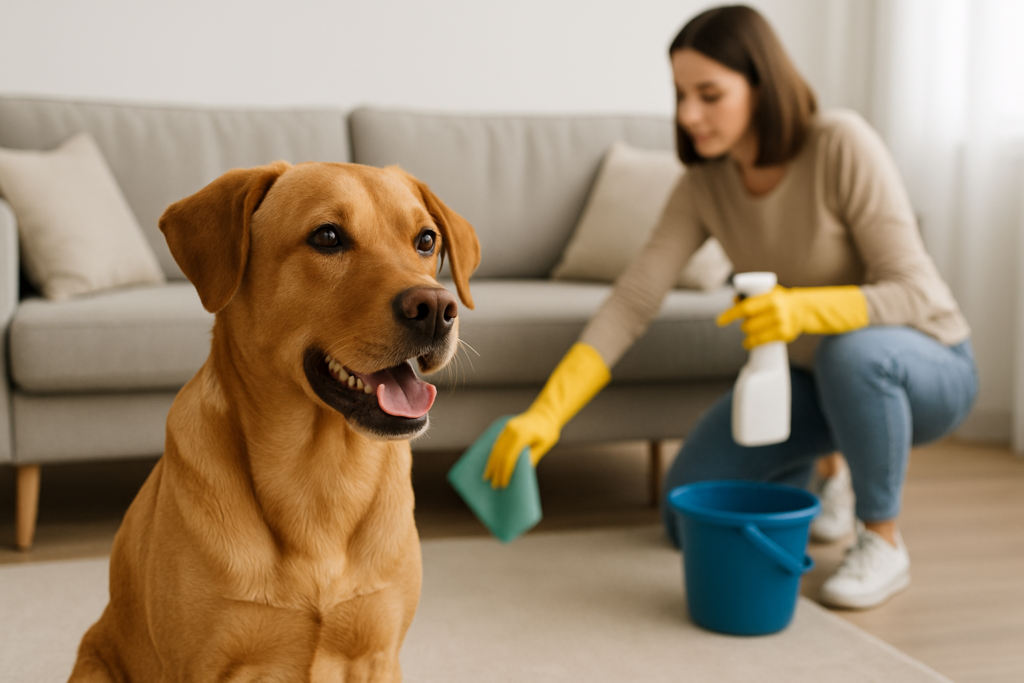
Living with dogs brings incredible joy, but let’s be honest: it can also bring some unwelcome smells. Whether it’s wet dog odor after a rainy walk, lingering pet dander, or accidents that seem to stick around no matter how much you clean, dog smells can make your home feel less fresh than you’d like.
The key to eliminating dog odors isn’t just masking them with air fresheners. You need to tackle the source and use proven methods that actually neutralize the smell molecules. Here are eight effective strategies that will help you reclaim your home’s fresh scent.
Deep Clean Your Carpets and Rugs
Carpets act like giant sponges, absorbing pet odors, dander, and moisture. Regular vacuuming helps, but you’ll need deeper cleaning to eliminate embedded smells.
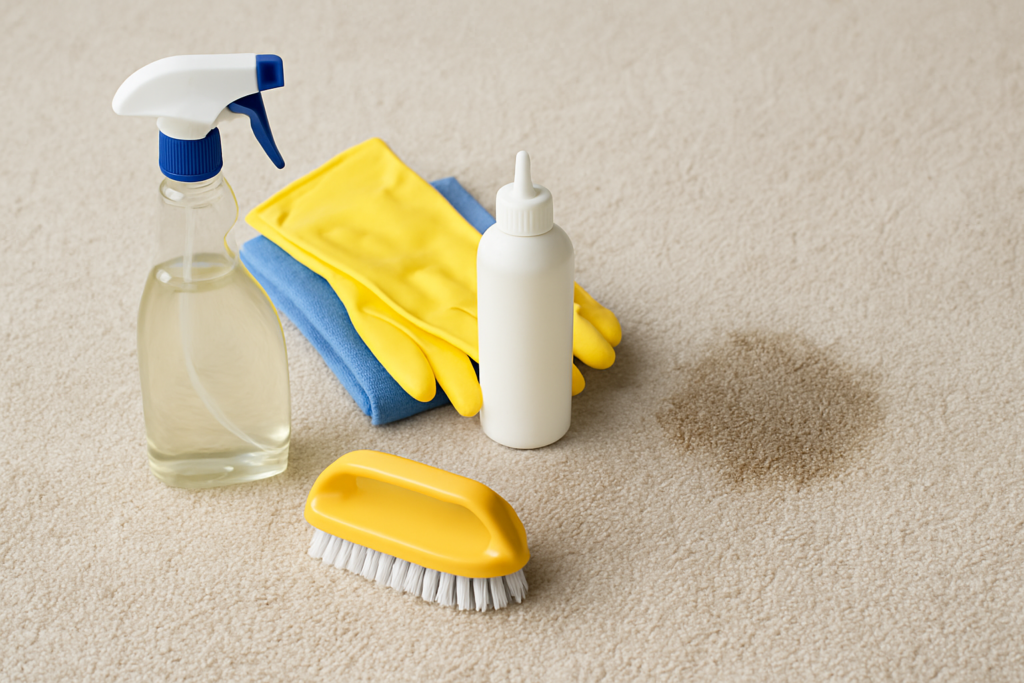
Start with an enzymatic carpet cleaner designed specifically for pet odors. These cleaners break down the organic compounds causing the smell rather than just covering them up. Apply the cleaner generously to affected areas and let it sit for the recommended time before blotting or extracting.
For whole-room carpet cleaning, rent or buy a carpet cleaning machine. Add a pet-specific cleaning solution to the water tank, and make sure to go over high-traffic areas twice. Allow carpets to dry completely, using fans if necessary, as damp carpets can develop musty odors.
Bissell ProHeat Pet Carpet Cleaner
Professional-grade carpet cleaning with pet-specific features and powerful suction.
Tackle Furniture and Upholstery
Your dog’s favorite couch spot probably holds more odor than you realize. Fabric furniture absorbs oils from your pet’s skin and fur, creating persistent smells that worsen over time.
Remove all cushion covers and wash them according to the care label instructions. For non-removable upholstery, use a handheld steam cleaner or upholstery cleaning machine. Work in small sections, applying cleaning solution, agitating gently with a brush, then extracting the moisture.
Leather furniture requires different care. Wipe down with a leather-safe cleaner, then condition to prevent cracking. For fabric protection going forward, consider applying a fabric protector spray once everything is clean and dry.
Wash and Replace Dog Bedding Regularly
Dog beds and blankets are ground zero for pet odors. Even if they don’t smell bad to you, they’re constantly releasing scent molecules into your air.
Wash all dog bedding weekly in hot water with regular detergent plus a cup of white vinegar. The vinegar helps break down odor-causing bacteria without leaving its own smell behind. For heavily soiled items, pre-treat with an enzyme cleaner before washing.
Some dog beds aren’t machine washable, which makes them odor magnets over time. Invest in beds with removable, washable covers, or consider waterproof liner covers that protect the inner cushion. Replace foam inserts every 6-12 months, as they absorb odors that are nearly impossible to eliminate.
PetFusion Ultimate Dog Bed
Features a completely removable, machine-washable cover and water-resistant liner for easy maintenance.
Clean and Replace HVAC Filters
Your heating and cooling system circulates air throughout your home, and a dirty filter can spread pet odors to every room. Standard fiberglass filters don’t capture pet dander and odor particles effectively.
Upgrade to MERV 8-11 pleated filters, which trap smaller particles including pet dander. Replace them every 30-60 days instead of the typical 90 days, especially during heavy shedding seasons. Mark your calendar or set phone reminders, as a clogged filter not only spreads odors but reduces system efficiency.
Consider adding an in-duct air purifier to your system for continuous odor control. These units use UV light or ionization to neutralize odor molecules as air passes through your ductwork.
Don’t Forget the Ductwork
If you’ve had pets for years, your air ducts may harbor accumulated dander and debris. Professional duct cleaning every 3-5 years can eliminate these hidden odor sources and improve your overall indoor air quality.
Use Air Purifiers Strategically
Air purifiers work best when placed in rooms where your dog spends the most time. Look for models with both HEPA filters for dander and activated carbon filters for odor absorption.
Size matters when choosing an air purifier. Check the Clean Air Delivery Rate (CADR) and make sure it’s appropriate for your room size. A unit that’s too small will run constantly without making much difference, while an oversized unit wastes energy.
Run your air purifier continuously on a lower setting rather than intermittently on high. This provides consistent filtration and is usually more energy-efficient. Place units away from walls and furniture to ensure proper airflow.
Try Ozone Generators for Severe Odors
For persistent odors that other methods haven’t eliminated, ozone generators can be effective, but they require careful use. Ozone neutralizes odor molecules by oxidizing them, essentially breaking them apart.
You must vacate the house during ozone treatment, as ozone can be harmful to breathe. Remove pets, plants, and people, then run the ozone generator according to manufacturer instructions. After treatment, ventilate the house thoroughly before returning.
Use ozone generators sparingly and only for severe odor problems. They can damage rubber and some plastics with repeated exposure, and the ozone smell itself needs time to dissipate.
Enerzen Commercial Ozone Generator
Industrial-strength odor elimination for severe pet odor problems when used properly.
Address the Source
While cleaning helps, preventing odors is more effective than constantly fighting them. Regular dog grooming reduces the oils and dander that cause household odors.
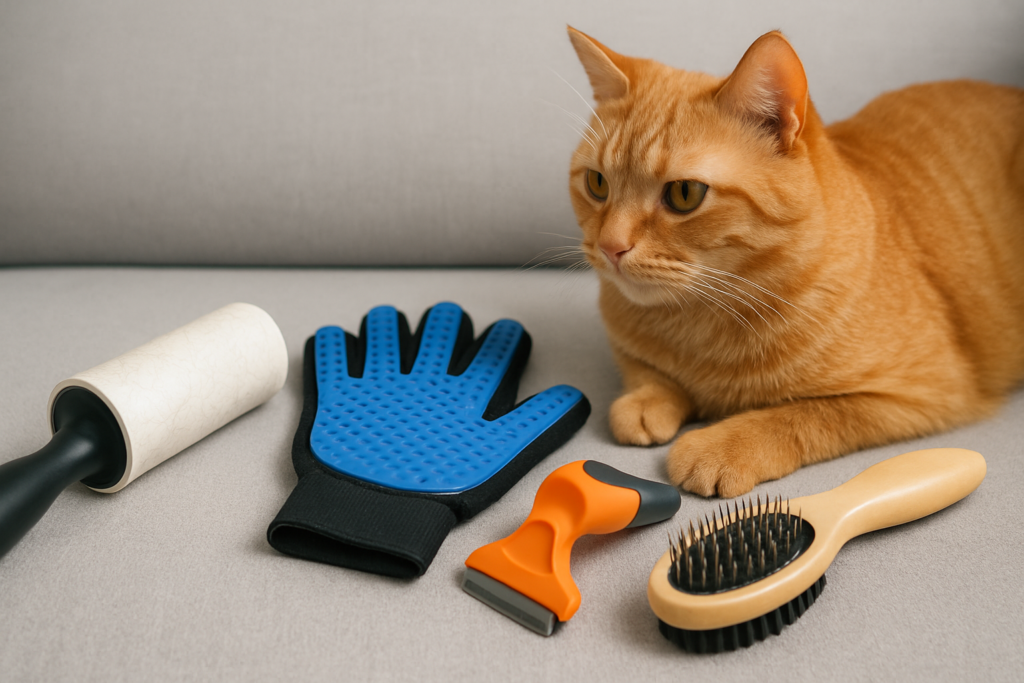
Bathe your dog every 4-6 weeks, or more frequently if they have skin conditions or spend lots of time outdoors. Use a high-quality dog shampoo that won’t strip natural oils and cause overproduction. Brush daily to remove loose fur and distribute natural oils evenly.
Check for underlying health issues if your dog suddenly develops stronger odors. Skin infections, dental problems, or digestive issues can all contribute to household smells. Address these with your veterinarian rather than just masking symptoms.
Natural Odor Absorbers
Several household items can help absorb odors between deep cleaning sessions. Place bowls of white vinegar around odorous rooms overnight, then remove them in the morning. Activated charcoal bags work similarly but can be left in place longer.
Baking soda sprinkled on carpets and upholstery absorbs odors when left for several hours before vacuuming. Don’t expect instant results, but these methods can help maintain freshness between more intensive cleaning efforts.
Coffee grounds, while popular for odor absorption, can stain fabrics and aren’t recommended for carpet or upholstery use. Stick with proven methods like activated charcoal or commercial odor absorbers.
Frequently Asked Questions
How long does it take to completely eliminate dog odors from a house?
Depending on the severity and how long odors have been building up, it can take anywhere from a few days to several weeks of consistent effort. Surface cleaning might provide immediate improvement, but embedded odors in carpets and furniture require multiple treatments. Most homeowners see significant results within one to two weeks of implementing multiple methods simultaneously.
Are air fresheners effective for dog odors?
Air fresheners only mask odors temporarily and can actually make the problem worse by mixing artificial scents with pet smells. Instead of eliminating odor-causing molecules, they simply add more fragrance to the air. Focus on cleaning and odor elimination methods first, then use light air fresheners sparingly if desired.
Will professional cleaning services completely eliminate pet odors?
Professional cleaners have powerful equipment and specialized products that can eliminate most pet odors, but success depends on how deeply the odors have penetrated and how long they’ve been present. Severe cases might require multiple professional treatments combined with your own ongoing maintenance efforts. Always discuss pet odor concerns upfront so cleaners can use appropriate products and techniques.
This article contains affiliate links. We may earn a small commission at no extra cost to you.