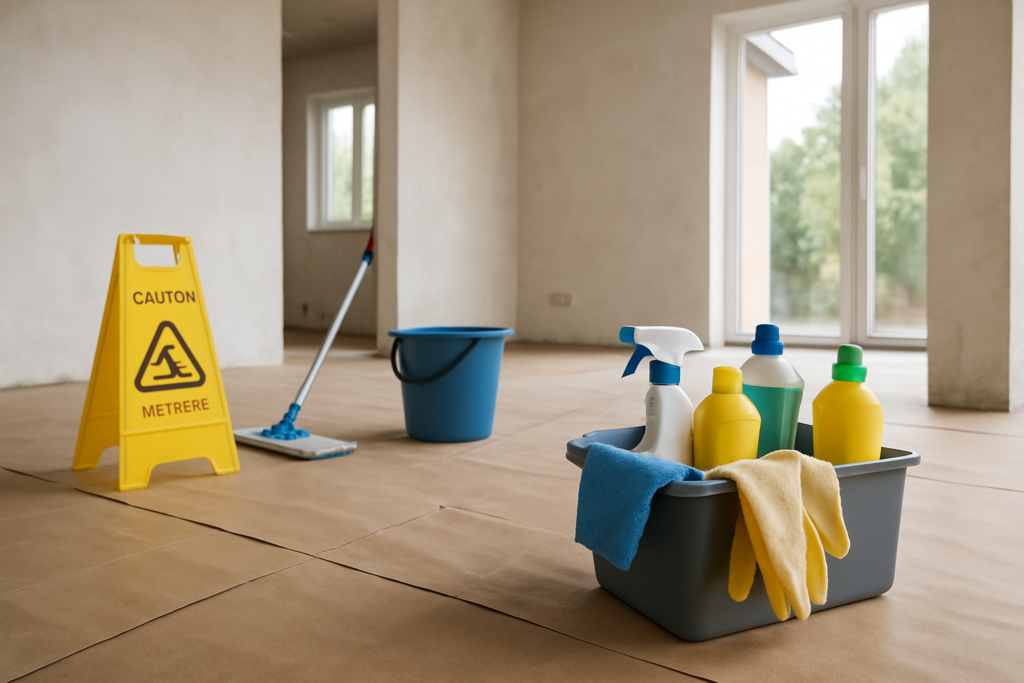
Stepping into your newly built or freshly renovated space should feel exciting, not overwhelming. Unfortunately, construction projects leave behind a layer of dust, debris, and residue that regular cleaning just won’t tackle. Post-construction cleaning requires a strategic approach and the right tools to transform your space from a construction zone into a livable home.
The dust settling on every surface isn’t just unsightly. Construction debris can damage your HVAC system, irritate allergies, and make moving in uncomfortable. This checklist will walk you through the essential steps to clean your space properly, protecting your investment and your health.
Phase 1: Safety and Initial Debris Removal
Before you touch anything else, ensure your safety. Wear protective gear including dust masks, safety glasses, and work gloves. Construction sites can have sharp objects, chemical residues, and hazardous dust particles.
Start by removing large debris and construction materials. Pick up nails, screws, wood scraps, and packaging materials by hand. Don’t use your regular vacuum for this step as it can damage the motor.
Check your HVAC system immediately. Construction dust can clog filters and damage expensive equipment. Replace all air filters with new ones before running your heating or cooling system. This single step can save you thousands in repair costs.
HVAC Air Filter 16x25x1 MERV 8
Higher MERV ratings capture more construction dust particles effectively
Phase 2: Tackling Construction Dust and Residue
Drywall dust is your biggest enemy. It’s fine, gets everywhere, and becomes airborne easily. Start cleaning from top to bottom, working your way down so falling dust doesn’t contaminate cleaned areas.
Use a heavy-duty shop vacuum with a fine dust filter. Regular household vacuums aren’t designed for construction dust and will blow particles back into the air. Focus on corners, baseboards, and window sills where dust accumulates heavily.
For surfaces, use microfiber cloths slightly dampened with water. Dry dusting just moves particles around. Work systematically through each room, cleaning light fixtures, ceiling fans, walls, and all horizontal surfaces.
Paint overspray and adhesive residue require special attention. Use a plastic scraper for dried paint drops on floors and trim. For stubborn adhesive residue, apply a small amount of adhesive remover and let it sit before gently scraping.
Microfiber Cleaning Cloths Pack
These trap fine dust particles instead of spreading them around like paper towels
Phase 3: Deep Cleaning and Final Details
Windows need special care after construction. Remove any protective film or tape residue. Clean both sides of the glass using a quality glass cleaner and squeegee. Don’t forget window tracks and sills, which collect substantial amounts of dust.
Floors require different approaches depending on material. For hardwood, use a slightly damp mop after thorough vacuuming. Tile and stone floors can handle more moisture, but avoid flooding grout lines. Carpet may need professional cleaning if heavily contaminated with construction dust.
Clean all switch plates, outlet covers, and hardware. These small details make a big difference in the final appearance. Use appropriate cleaners for different materials like brass, chrome, or painted surfaces.
Replace your HVAC filters again after completing the cleaning process. Run the system for a few hours, then check the filter. If it’s dirty, replace it once more and consider upgrading to a higher MERV rating for better filtration.
Construction Dust Mask N95
Essential protection from fine particles that can irritate lungs during cleanup
Timeline and Professional Considerations
Plan for multiple cleaning sessions. Construction cleaning typically takes 2-3 times longer than regular house cleaning. Budget at least a full weekend for a typical home renovation, longer for new construction.
Consider hiring professionals for extensive projects. They have industrial equipment and experience with construction debris. Professional cleaning services can complete the job faster and more thoroughly, especially for large homes or commercial spaces.
Frequently Asked Questions
How long should I wait after construction before cleaning?
Wait at least 24-48 hours after construction work stops to allow dust to settle. This makes initial cleaning more effective and reduces the amount of airborne particles you’ll encounter.
Can I use regular household cleaners on construction residue?
Most regular cleaners work fine, but avoid harsh chemicals on new finishes. Test cleaners in inconspicuous areas first. For tough residues like caulk or adhesive, use specialized removers designed for construction cleanup.
This article contains affiliate links. We may earn a small commission at no extra cost to you.