You walk into your bathroom and notice those telltale dark spots creeping along the grout lines. Or maybe there’s a musty smell in your basement and white, powdery patches on the walls. Both scenarios point to fungal growth, but you’re dealing with two different problems that require different solutions.
Many homeowners use “mold” and “mildew” interchangeably, but these fungi have distinct characteristics, health risks, and treatment methods. Getting the identification wrong can lead to ineffective cleaning efforts or, worse, letting a serious mold problem spread throughout your home.
Visual Identification: Spotting the Key Differences
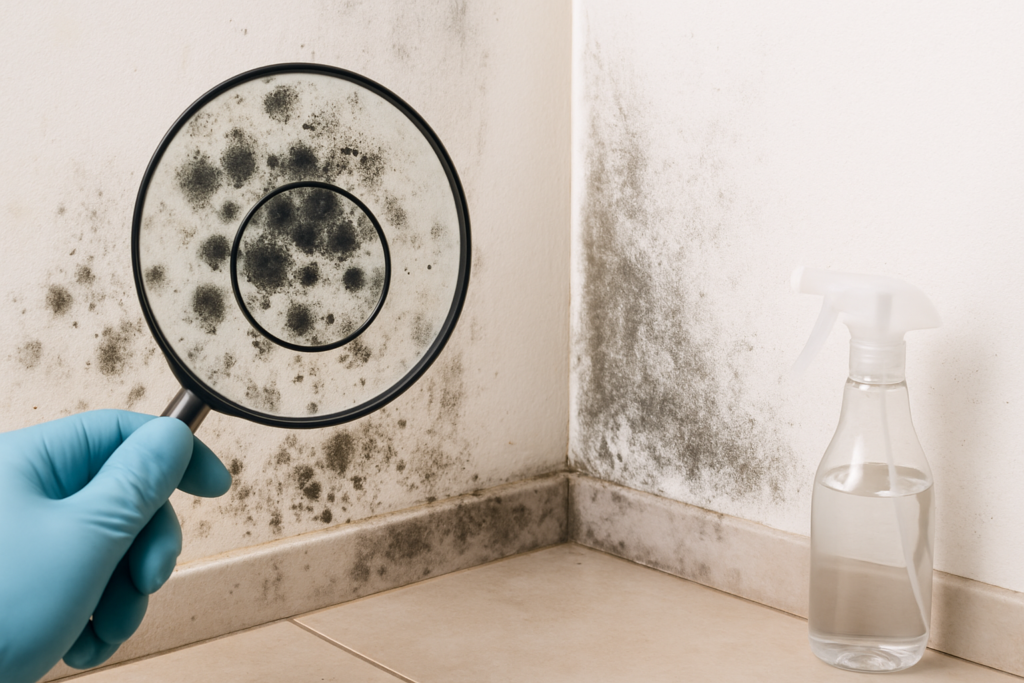
The easiest way to distinguish between mold and mildew is through visual inspection. Mildew typically appears as a flat, powdery substance that’s white, gray, or light brown. You’ll often find it on surfaces like bathroom tiles, shower curtains, or fabric that stays damp. It looks almost dusty and can sometimes be wiped away relatively easily.
Mold, on the other hand, presents as fuzzy or slimy patches that can be black, green, blue, red, or even orange. It tends to grow in irregular patterns and often appears raised from the surface. Unlike mildew’s uniform appearance, mold colonies can look quite varied and textured.
Another key difference lies in where you’ll find each type of growth. Mildew prefers surfaces and rarely penetrates deep into materials. You’ll typically spot it on shower walls, window sills, or the surface of fabrics. Mold is more aggressive and can grow both on surfaces and within porous materials like drywall, wood, or insulation.
Health Risks: Understanding the Danger Levels
Both mold and mildew can cause health problems, but mold poses significantly greater risks. Mildew exposure typically results in minor respiratory irritation, coughing, or headaches. While unpleasant, these symptoms usually resolve quickly once you remove the mildew and improve ventilation.
Mold exposure can trigger much more serious health issues. Some people experience severe allergic reactions, asthma attacks, or persistent respiratory problems. Certain types of mold, like black mold (Stachybotrys chartarum), produce mycotoxins that can cause neurological symptoms, chronic fatigue, and other serious health complications.
Children, elderly individuals, and people with compromised immune systems face higher risks from both fungi, but mold exposure can be particularly dangerous for these vulnerable populations. If anyone in your household experiences persistent coughing, skin irritation, or respiratory problems that worsen at home, take fungal growth seriously.
Surface Growth vs Structural Contamination
Understanding whether you’re dealing with surface contamination or structural infiltration determines your entire approach to treatment. Mildew almost always remains on surfaces, making it relatively simple to clean and prevent.
Surface mold can often be handled similarly to mildew, but you need to be more thorough. However, when mold penetrates into porous materials like drywall, wooden studs, or insulation, you’re facing a structural contamination issue that’s much more complex to address.
Signs of structural mold contamination include persistent musty odors even after cleaning, visible mold growth returning quickly after removal, or discovering mold behind walls or under flooring. Water damage from leaks, floods, or persistent moisture problems often leads to this deeper infiltration.
You can test for structural issues by checking areas that have experienced water damage. Remove a small section of drywall or pull up a corner of flooring in affected areas. If you find mold growth on the back sides of materials or on wooden framing, you’re dealing with structural contamination.
DIY Treatment Methods That Actually Work
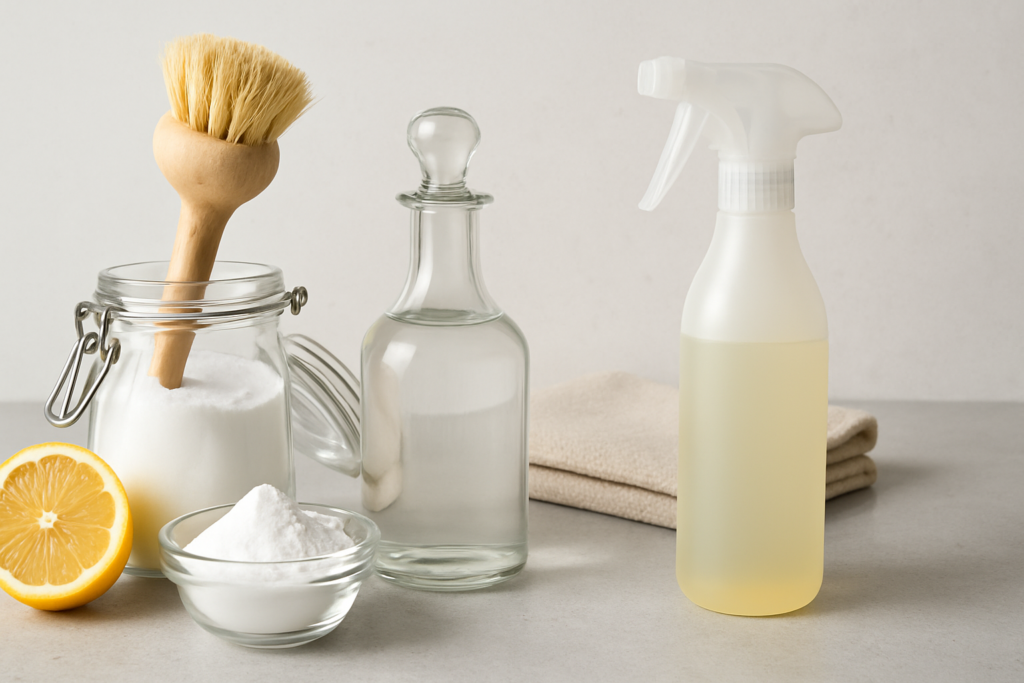
For mildew and surface mold, several DIY approaches can be effective. White vinegar works well for both types of fungi. Spray undiluted white vinegar directly on the affected area, let it sit for an hour, then scrub with a brush and rinse with water. The acetic acid in vinegar kills most mold and mildew species.
Baking soda offers another reliable solution, especially for porous surfaces where you don’t want to use harsh chemicals. Mix one tablespoon of baking soda with a cup of water, spray the solution on the growth, scrub gently, and rinse. Baking soda also helps absorb moisture and odors.
Concrobium Mold Control
This EPA-registered solution crushes mold spores and leaves an invisible barrier to prevent regrowth.
For tougher mold situations, hydrogen peroxide (3% solution) can be more effective than vinegar. Spray it on the moldy surface, wait 10 minutes, then scrub and wipe clean. Never mix hydrogen peroxide with vinegar or other cleaning products.
Commercial mold and mildew removers can be worth the investment for stubborn growth. Look for products that contain EPA-registered fungicides rather than just bleach-based cleaners. While bleach can kill surface mold, it doesn’t penetrate porous materials effectively and can actually feed mold growth in some cases.
When to Call Professional Remediation Services
Professional intervention becomes necessary when you’re dealing with large areas of contamination, structural infiltration, or recurring growth despite your cleaning efforts. The EPA recommends professional remediation for mold coverage exceeding 10 square feet, but even smaller areas may require professional help if they’re in HVAC systems or involve sewage contamination.
Structural mold problems almost always need professional attention. Remediation specialists have the equipment to safely remove contaminated materials, treat affected structural elements, and address underlying moisture issues. They also understand proper containment procedures to prevent spreading spores to uncontaminated areas during cleanup.
Don’t attempt DIY remediation if you have health conditions that make you particularly vulnerable to mold exposure, if the contamination resulted from sewage or contaminated water, or if mold has affected your home’s HVAC system. These situations require specialized equipment and expertise.
Professional remediation typically involves moisture detection equipment, HEPA filtration systems, antimicrobial treatments, and sometimes complete removal of contaminated materials. While more expensive than DIY approaches, professional treatment addresses root causes and provides longer-lasting solutions for serious contamination.
Prevention Strategies for Long-Term Success
Preventing mold and mildew growth requires controlling the moisture conditions that allow these fungi to thrive. Both need moisture levels above 60% to establish colonies, so maintaining indoor humidity between 30-50% creates an inhospitable environment for growth.
Improve ventilation in high-moisture areas like bathrooms, kitchens, and laundry rooms. Install exhaust fans that vent to the outside, not into attics or crawl spaces. Run these fans during and for 30 minutes after activities that generate moisture, like showering or cooking.
hOmeLabs Dehumidifier
Excellent for maintaining optimal humidity levels in basements and other problem areas.
Address water leaks immediately, no matter how minor they seem. Mold can begin growing within 24-48 hours of water exposure, so quick action prevents establishment of colonies. This includes fixing leaky pipes, repairing roof damage, and sealing foundation cracks that allow moisture infiltration.
Regular cleaning with mold-inhibiting products can prevent small problems from becoming major infestations. Wipe down shower walls after use, wash bathroom rugs frequently, and clean areas prone to condensation with vinegar or commercial anti-fungal cleaners.
For homes with persistent moisture problems, consider installing a whole-house dehumidification system or using portable dehumidifiers in problem areas. Monitor humidity levels with a digital hygrometer to ensure you’re maintaining optimal conditions.
Cleaning Tools and Equipment You’ll Need
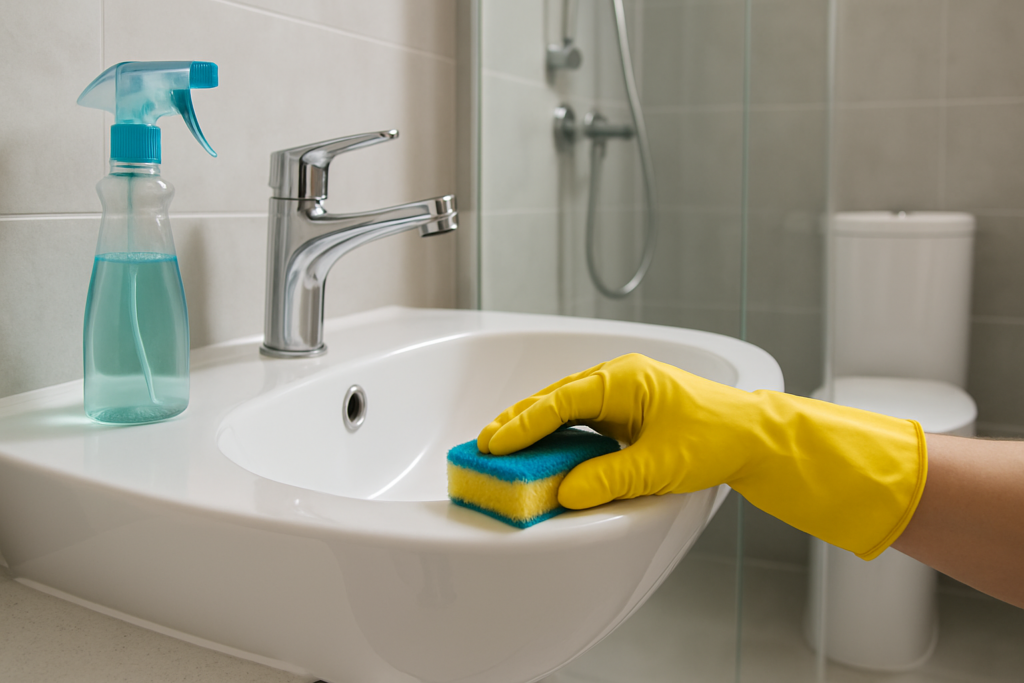
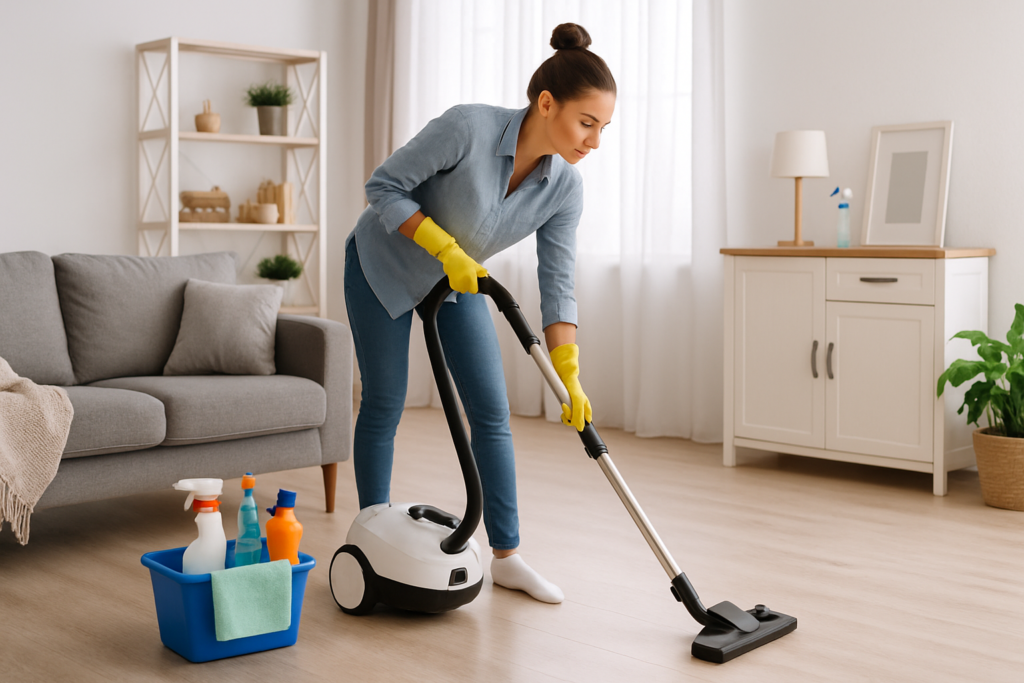
Having the right tools makes mold and mildew removal much more effective and safer. Start with personal protective equipment: N95 or P100 respirator masks, rubber gloves, and eye protection. Even for minor cleaning jobs, these fungi can release spores that irritate your respiratory system.
Stiff-bristled scrub brushes help remove growth from textured surfaces like grout lines or concrete. Avoid using brushes that are too abrasive on delicate materials, but you need enough scrubbing power to physically remove the fungal colonies, not just kill them.
HEPA Vacuum Cleaner
Essential for capturing mold spores during cleanup and preventing them from spreading to other areas.
Microfiber cloths work better than paper towels for final cleaning steps because they trap particles rather than spreading them around. Have plenty on hand because you’ll want to use fresh cloths frequently and wash used ones in hot water immediately.
A spray bottle allows you to apply cleaning solutions evenly and control the amount of moisture you’re adding to the area. For larger areas, a pump sprayer can be more efficient than repeatedly refilling a small spray bottle.
Frequently Asked Questions
Can I use bleach to kill mold and mildew?
Bleach can kill mold and mildew on non-porous surfaces, but it’s not the best choice for several reasons. It doesn’t penetrate porous materials effectively, can damage surfaces, and may actually provide nutrients for future mold growth. Vinegar, hydrogen peroxide, or specialized mold cleaners are generally more effective and safer options.
How long does it take for mold to grow after water damage?
Mold can begin growing within 24 to 48 hours after materials become wet. Visible colonies typically appear within a few days to a week, depending on temperature, humidity, and the type of material affected. This is why immediate action after water damage is so critical for prevention.
Is it safe to stay in my home while treating mold?
For small areas of surface mold or mildew, it’s generally safe to remain in your home during DIY treatment if you use proper ventilation and protective equipment. However, for large infestations, structural contamination, or if household members have respiratory sensitivities, temporary relocation during professional remediation may be necessary.
Will painting over mold kill it and prevent future growth?
Painting over mold without proper cleaning and treatment is ineffective and potentially harmful. The mold will continue growing under the paint and will eventually break through. Always clean and treat the underlying mold problem before applying any primers or paints designed for mold-prone areas.
This article contains affiliate links. We may earn a small commission at no extra cost to you.