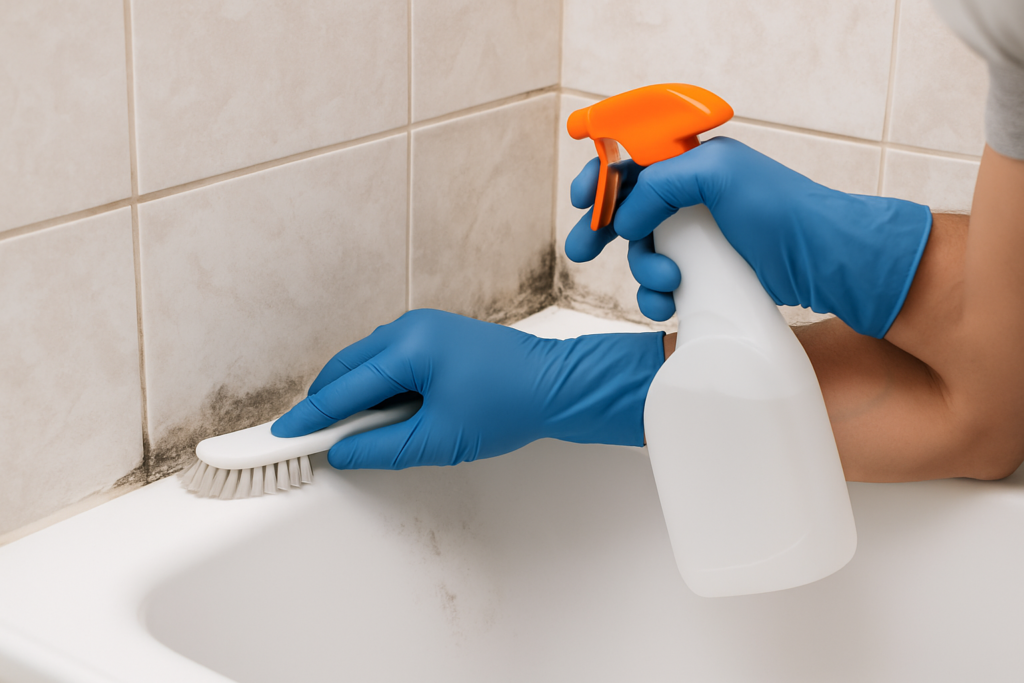
That musty smell hits you the moment you step into your bathroom. You spot the telltale black spots creeping along your shower caulk, climbing up the grout lines, or worse, spreading across the ceiling. Bathroom mold isn’t just unsightly, it’s a health hazard that thrives in the warm, humid environment your bathroom provides.
The key to winning the war against bathroom mold is understanding where it grows, how to remove it safely, and most importantly, how to prevent it from coming back. Let’s tackle this problem step by step so you can reclaim your bathroom and breathe easier.
Identifying Different Types of Bathroom Mold
Bathroom mold appears in three main problem areas, each requiring a slightly different approach. Caulk mold typically shows up as black or dark green streaks along the edges of your tub, shower, or sink. This happens because caulk retains moisture and often has small cracks where mold spores can settle.
Grout mold appears between tiles and can range from black to green to pink. The porous nature of grout makes it a perfect breeding ground. Ceiling mold usually manifests as dark spots or patches above your shower area, especially if ventilation is poor.
You should be particularly concerned if you notice mold covering large areas (more than 10 square feet), if you have respiratory issues that worsen in the bathroom, or if the mold keeps returning despite cleaning efforts. These situations may require professional remediation.
Safe and Effective Mold Removal Methods
Before you start scrubbing, protect yourself with gloves, eye protection, and a mask rated for mold spores. Open windows and run exhaust fans to improve ventilation during cleaning.
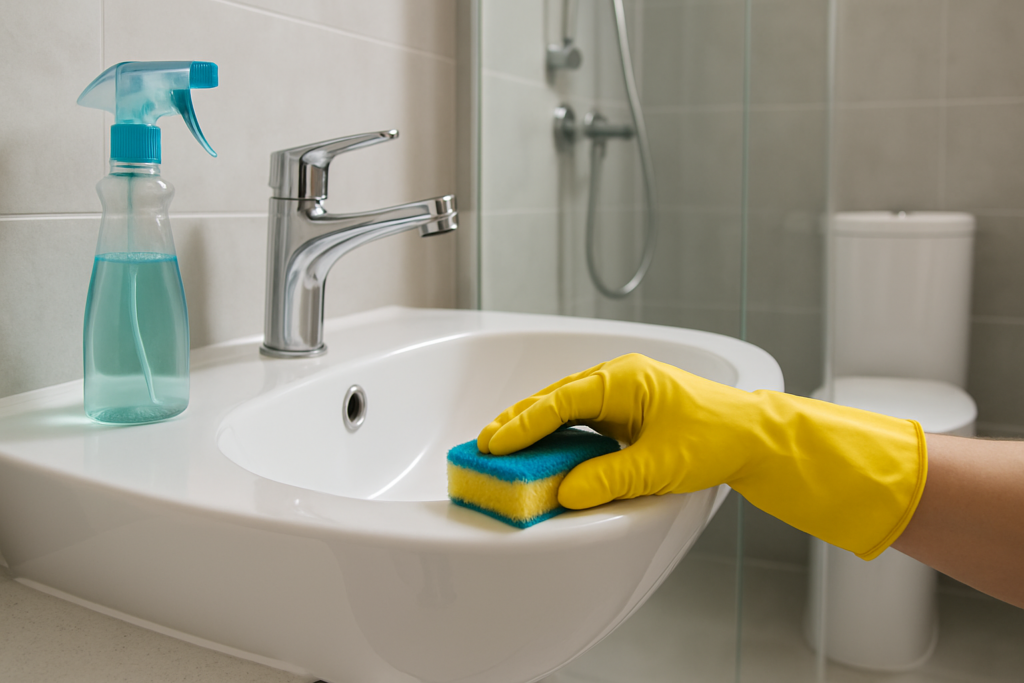
For caulk mold, start with a mold and mildew remover spray designed specifically for bathrooms. Spray the affected area, let it sit for 10-15 minutes, then scrub with an old toothbrush. If the mold has penetrated deep into the caulk, you may need to remove and replace the caulking entirely.
Concrobium Mold Control Spray
This EPA-registered formula eliminates mold without bleach and helps prevent regrowth.
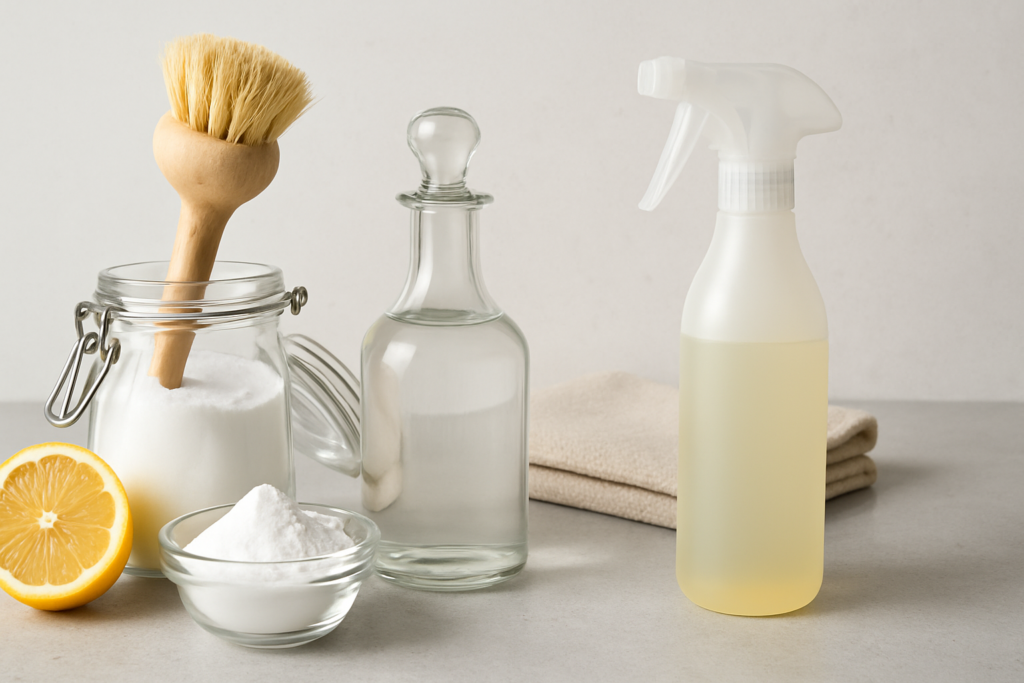
Grout mold responds well to a paste made from baking soda and water. Apply the paste, let it sit for several hours, then scrub with a stiff grout brush. For stubborn mold, follow up with a bleach solution (one part bleach to ten parts water), but never mix bleach with other cleaning products.
Ceiling mold requires extra caution since you’re working overhead. Use a sturdy ladder and wear eye protection. A foam mold remover works well because it clings to vertical surfaces longer than liquid sprays.
Prevention: Your Best Defense Against Future Mold
Proper ventilation is your most powerful weapon against bathroom mold. Run your exhaust fan during every shower and for at least 30 minutes afterward. If your current fan is loud or ineffective, consider upgrading to a quiet, high-CFM exhaust fan that can move more air efficiently.
Panasonic WhisperCeiling Exhaust Fan
Known for ultra-quiet operation and reliable performance in humid environments.
Keep humidity levels below 50% by wiping down wet surfaces after showers, fixing leaky faucets promptly, and ensuring proper caulking around all water fixtures. A small bathroom dehumidifier can help in particularly humid climates.
Regular maintenance prevents small mold problems from becoming big ones. Clean your bathroom weekly with mold-preventing products, inspect caulk and grout monthly for early signs of growth, and recaulk annually or whenever you notice cracks or gaps.
Frequently Asked Questions
Can I use bleach on all types of bathroom mold?
Bleach works well on hard, non-porous surfaces like tile and fiberglass, but it’s less effective on porous materials like grout because it only kills surface mold. For grout, use specialized mold removers or the baking soda paste method first, then follow with bleach for disinfection. Never use bleach on natural stone surfaces as it can cause permanent damage.
How do I know if the mold problem is too big to handle myself?
Call professionals if mold covers more than 10 square feet, if you have health conditions that make you sensitive to mold exposure, or if the mold keeps returning despite proper cleaning and prevention efforts. Also seek professional help if you suspect the mold problem extends behind walls or into your home’s ventilation system.
This article contains affiliate links. We may earn a small commission at no extra cost to you.