Your mattress collects more than just good dreams over time. Dead skin cells, sweat, dust mites, and occasional spills create an environment that’s far from the clean sanctuary you deserve for quality sleep. While you can’t toss your mattress in the washing machine, deep cleaning it regularly extends its lifespan and creates a healthier sleeping environment.
The process isn’t complicated, but it does require the right approach and some patience. With a few simple techniques and the proper tools, you can eliminate stains, neutralize odors, and reduce allergens that accumulate in your mattress over months and years of use.
The Baking Soda Deep Clean Method
Baking soda works as nature’s deodorizer and moisture absorber, making it perfect for mattress maintenance. This method tackles odors and helps draw out oils and moisture that have penetrated the surface.
Start by stripping all bedding and vacuuming your mattress thoroughly. Use your vacuum’s upholstery attachment to get into seams and crevices where debris accumulates. Pay special attention to the head and foot areas where oils and dead skin cells concentrate.
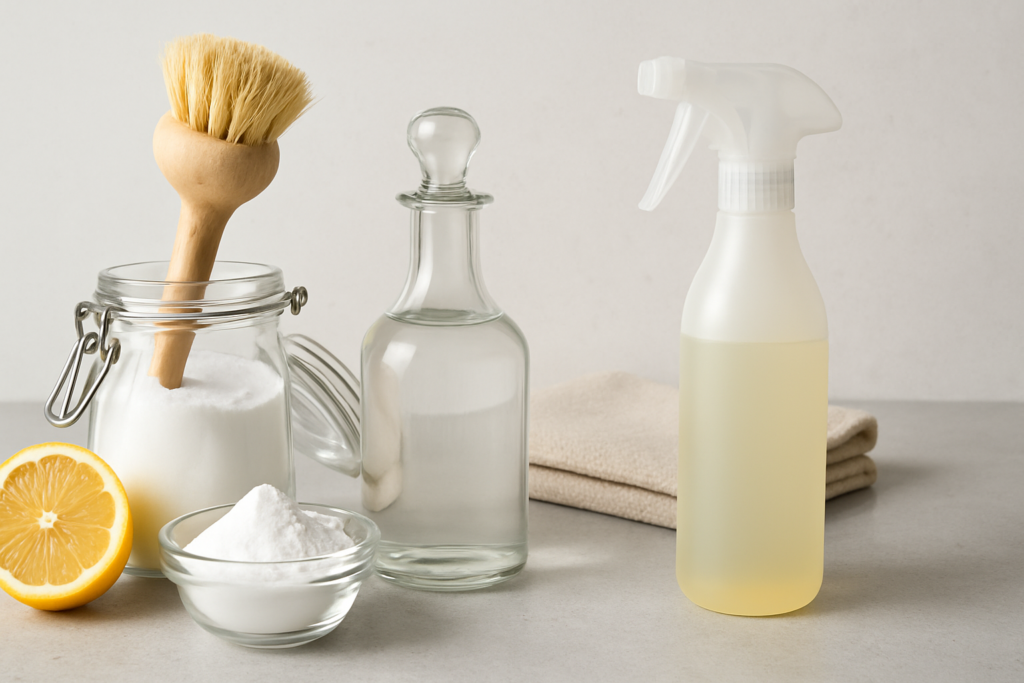
Sprinkle a generous layer of baking soda across the entire surface. You’ll need about one cup for a queen-size mattress. Work it in gently with a clean brush or cloth, focusing on stained areas. Let the baking soda sit for at least 8 hours, though 24 hours produces better results.
Pure Baking Soda
Food-grade baking soda works perfectly for mattress deodorizing and is safe for sensitive sleepers
During this waiting period, open windows or use fans to improve air circulation. The baking soda needs time to absorb odors and moisture, and good airflow helps the process along.
Vacuum thoroughly to remove all baking soda residue. Make multiple passes to ensure you get everything, as leftover powder can attract moisture later.
Targeting Stains with Enzyme Cleaners
Biological stains like sweat, urine, or blood require enzyme cleaners that break down organic compounds. These cleaners work by using specific enzymes to digest the proteins and other materials that cause stains and odors.
For fresh stains, blot first with clean towels to absorb as much liquid as possible. Don’t rub, as this pushes the stain deeper into the mattress fibers. Apply the enzyme cleaner according to package directions, usually by spraying directly onto the affected area.
Most enzyme cleaners need 10-15 minutes of contact time to work effectively. Some stubborn stains may require a second application. After the contact time, blot with clean, damp cloths to remove the cleaner and loosened stain material.
Enzyme Stain Remover
Professional-strength enzyme cleaners handle biological stains that regular cleaners can’t touch
For set-in stains, you might need to repeat this process. Old stains often require multiple treatments spaced a few days apart. Be patient and persistent rather than oversaturating the area, which can lead to mold and mildew problems.
Steam Cleaning for Deep Sanitization
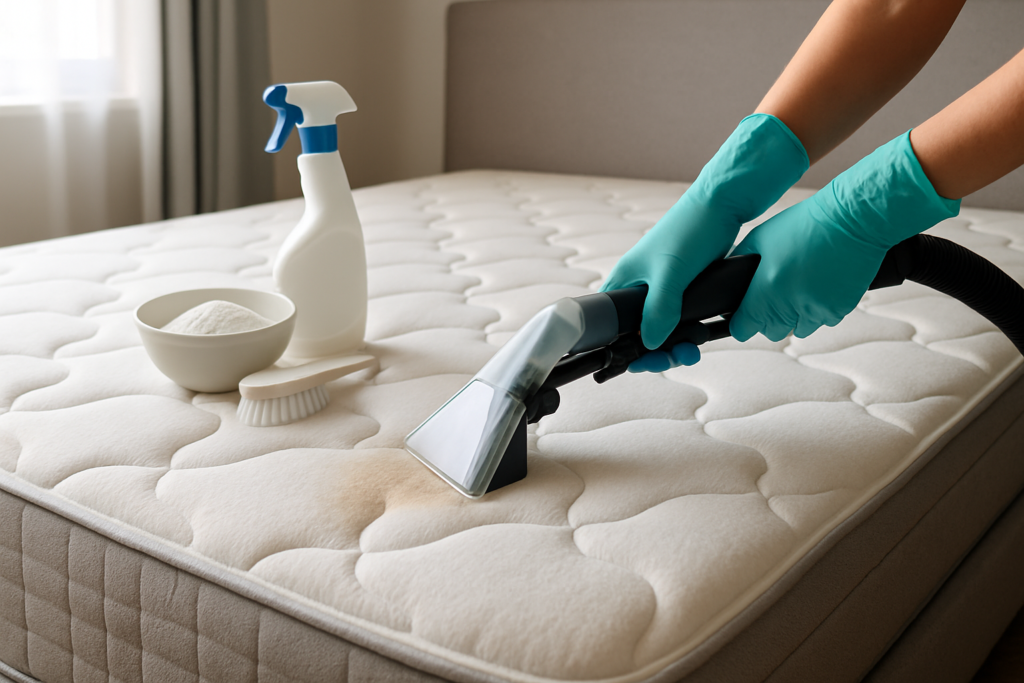
Steam cleaning provides the deepest level of sanitization by using high-temperature steam to kill dust mites, bacteria, and other microorganisms. The heat penetrates several inches into the mattress, reaching areas that surface cleaning can’t touch.
Rent or purchase a steam cleaner designed for upholstery. Handheld units work fine for spot cleaning, but larger units with upholstery attachments handle full mattress cleaning more efficiently. Test the steam cleaner on an inconspicuous area first to ensure it won’t damage your mattress fabric.
Work in sections, moving the steamer slowly across the surface. Don’t oversaturate any area, as excess moisture takes too long to dry and can cause problems. Pay extra attention to areas where you sleep most, typically the center and upper third of the mattress.
After steam cleaning, allow at least 4-6 hours for complete drying. Use fans and dehumidifiers to speed the process. The mattress should be completely dry before you put bedding back on to prevent mold growth.
Establishing a Mattress Protection and Maintenance Schedule
Prevention beats treatment every time. A quality mattress protector acts as a barrier against spills, sweat, and allergens while still allowing airflow for comfort.
Look for protectors that are waterproof but breathable. Avoid plastic covers that trap heat and create uncomfortable sleeping conditions. The best protectors use moisture-wicking fabrics with waterproof backing that you won’t even notice during sleep.
Waterproof Mattress Protector
High-quality protectors prevent 99% of stains and allergens from reaching your mattress
Create a regular maintenance schedule that includes vacuuming your mattress monthly and deep cleaning every 6 months. Mark these dates on your calendar just like other household maintenance tasks.
Flip or rotate your mattress every 3 months if the manufacturer recommends it. Many modern mattresses aren’t designed for flipping, but rotation helps prevent uneven wear patterns and extends mattress life.
Wash your mattress protector monthly along with your sheets. This regular cleaning prevents buildup of oils and allergens that can eventually penetrate through to the mattress itself.
Professional vs. DIY Deep Cleaning
Most mattress cleaning tasks you can handle yourself with the right tools and techniques. The methods above work for 90% of situations and cost much less than professional services.
Consider professional cleaning for severe infestations, extensive liquid damage, or when dealing with health issues that require medical-grade sanitization. Professionals have access to stronger cleaning agents and industrial-grade equipment that can handle situations beyond typical household needs.
Professional services typically cost between the price of a few cleaning products and a modest appliance purchase, so weigh the cost against the time and effort of DIY methods. For routine maintenance, stick with the DIY approach and call professionals only when facing serious problems.
Frequently Asked Questions
How often should I deep clean my mattress?
Deep clean your mattress every 6 months for normal use, or every 3-4 months if you deal with allergies, pets, or excessive sweating. Light monthly maintenance with vacuuming and spot cleaning keeps it fresh between deep cleans.
Can I use regular household cleaners on my mattress?
Avoid harsh chemicals, bleach, or ammonia-based cleaners that can damage mattress materials and leave strong odors. Stick with mild dish soap solutions, enzyme cleaners, or specialized mattress cleaning products designed for fabric surfaces.
How long does a mattress take to dry after cleaning?
Surface cleaning typically requires 2-4 hours of drying time, while deep steam cleaning or heavy stain treatment may need 6-12 hours. Use fans, open windows, and dehumidifiers to speed drying and prevent moisture problems.
This article contains affiliate links. We may earn a small commission at no extra cost to you.