Your favorite couch shows every movie night, family dinner, and pet nap session. Those mysterious stains and dulled fabric don’t have to be permanent reminders of life’s messier moments. With the right approach and tools, you can restore your upholstery to its former glory without calling in expensive professionals.
The key lies in understanding what you’re working with and choosing the right cleaning method. Different fabrics demand different treatments, and using the wrong approach can set stains permanently or damage your furniture beyond repair.
Decode Your Fabric’s Cleaning Requirements
Before you start scrubbing, locate the cleaning code tag on your furniture. It’s usually stapled under cushions or on the furniture frame. This single letter determines your entire cleaning strategy.
W (Water-based cleaning): You can use water-based cleaners and steam cleaning methods. Most synthetic fabrics and cotton blends fall into this category.
S (Solvent-based cleaning only): Water will damage these fabrics. Use only dry-cleaning solvents or professional-grade solvent cleaners. Many silk and wool fabrics require this treatment.
WS (Either method works): The most flexible option. You can choose water-based or solvent-based cleaning depending on the type of stain.
X (Professional cleaning only): Don’t attempt home cleaning. These delicate fabrics need professional attention to avoid permanent damage.
Spot Cleaning Techniques That Actually Work
Most upholstery problems start with spots and spills. Acting quickly makes the difference between a minor cleanup and a permanent stain.
Blot spills immediately with clean, absorbent cloths. Never rub or scrub, as this pushes liquid deeper into the fabric and spreads the stain. Work from the outside edges toward the center to prevent the stain from expanding.
For W-coded fabrics, mix a small amount of dish soap with warm water. Test this solution on a hidden area first. Dab the solution onto the stain with a clean cloth, then blot with a damp cloth to remove soap residue.
S-coded fabrics need a different approach. Dry cleaning solvents work best for oil-based stains and delicate materials. Apply sparingly and always ventilate the room well.
Bissell Little Green Portable Carpet Cleaner
Perfect size for spot cleaning furniture without the bulk of full-size machines
Machine Cleaning Options for Deep Cleaning
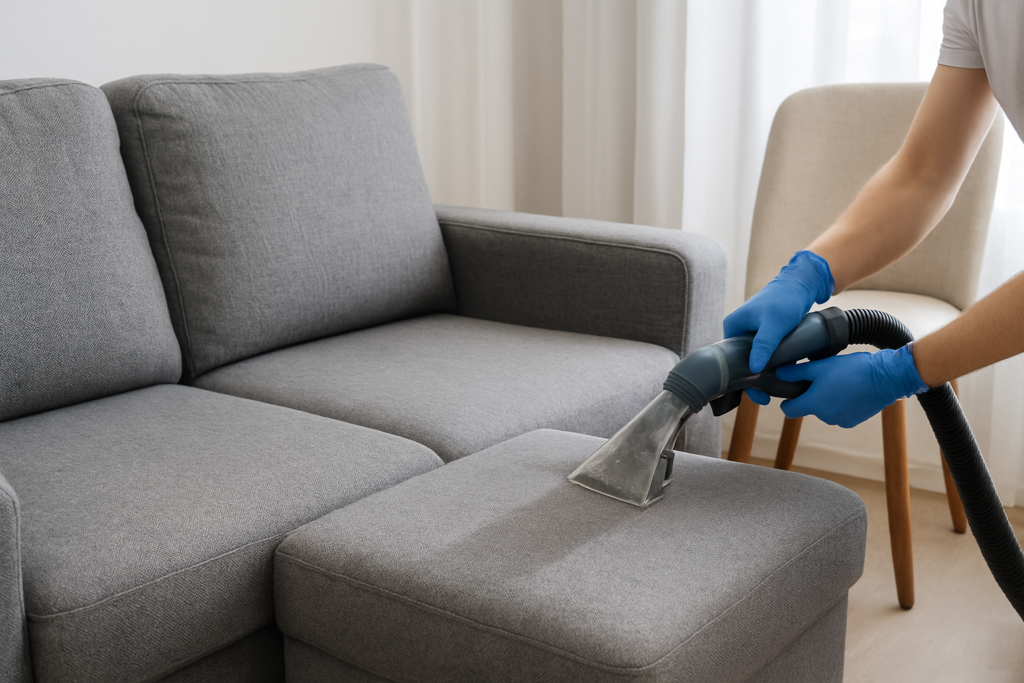
When spot cleaning isn’t enough, machine cleaning can refresh entire pieces of furniture. Portable upholstery cleaners work well for regular maintenance and deeper stains.
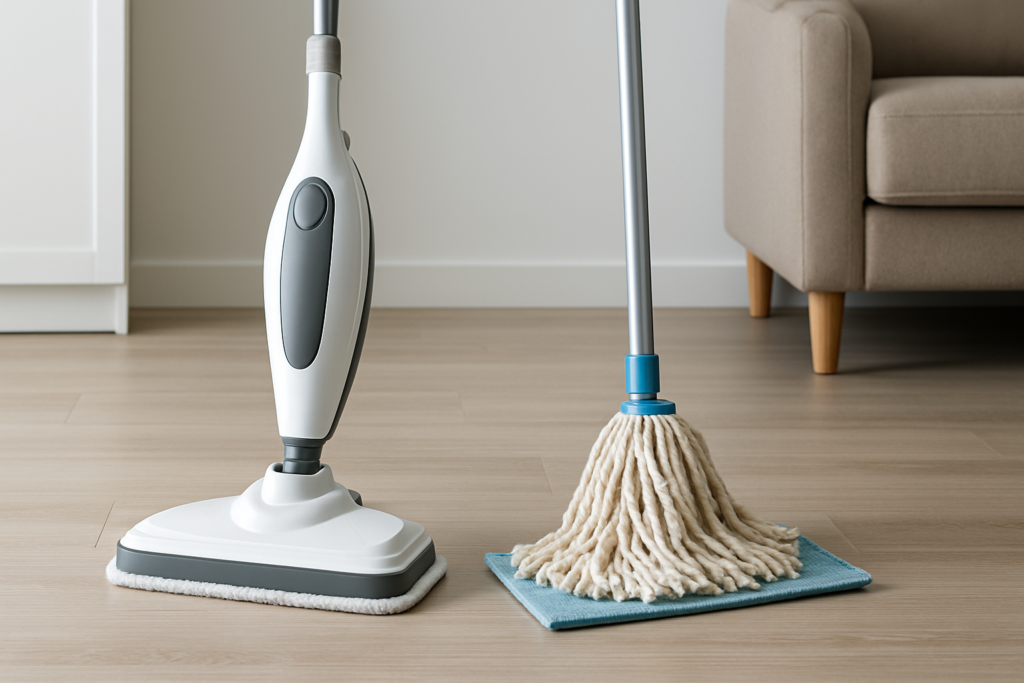
Steam cleaners excel at sanitizing and refreshing fabric without chemicals. They work best on W and WS-coded fabrics. The high temperature kills bacteria and dust mites while lifting embedded dirt.
Wet extraction machines combine cleaning solution with powerful suction to remove dirt and excess moisture. These machines work similarly to professional equipment but on a smaller scale.
Hoover PowerDash Pet Compact Carpet Cleaner
Lightweight option that handles both carpets and upholstery with specialized pet stain formulas
Always check fabric codes before using any machine. Test cleaning solutions on hidden areas and allow furniture to dry completely before use. Poor ventilation or insufficient drying can lead to mold and mildew problems.
Leather vs Fabric: Different Materials Need Different Care
Leather furniture requires completely different maintenance than fabric pieces. Water-based cleaners that work perfectly on fabric can permanently damage leather by causing cracking, discoloration, and stiffening.
Clean leather with specialized leather cleaners and conditioners every 3-6 months. These products clean gently while maintaining the leather’s natural oils and flexibility.
For routine maintenance, dust leather weekly with a microfiber cloth. Vacuum crevices with a soft brush attachment. Address spills immediately by blotting, never wiping or rubbing.
Fabric furniture benefits from regular vacuuming with upholstery attachments. Remove loose cushions and vacuum all surfaces, including the areas underneath. This prevents dirt from grinding into fibers and extends the time between deep cleanings.
How often should I deep clean my upholstery?
Deep clean fabric furniture every 12-18 months under normal use, or more frequently with pets, children, or heavy use. Leather needs conditioning every 3-6 months but less frequent deep cleaning. Regular maintenance extends these intervals significantly.
Can I use regular carpet cleaner on upholstery?
Many carpet cleaning solutions work on upholstery, but check fabric codes first and always test in hidden areas. Upholstery-specific cleaners often work better because they’re formulated for the different fiber types and backing materials used in furniture.
This article contains affiliate links. We may earn a small commission at no extra cost to you.