Your beautiful patio furniture has endured another season of sun, rain, and outdoor entertainment. But now it’s looking a bit worse for wear. Dirt, mildew, and general grime have taken their toll, and you’re wondering how to restore that fresh, clean appearance without damaging different materials.
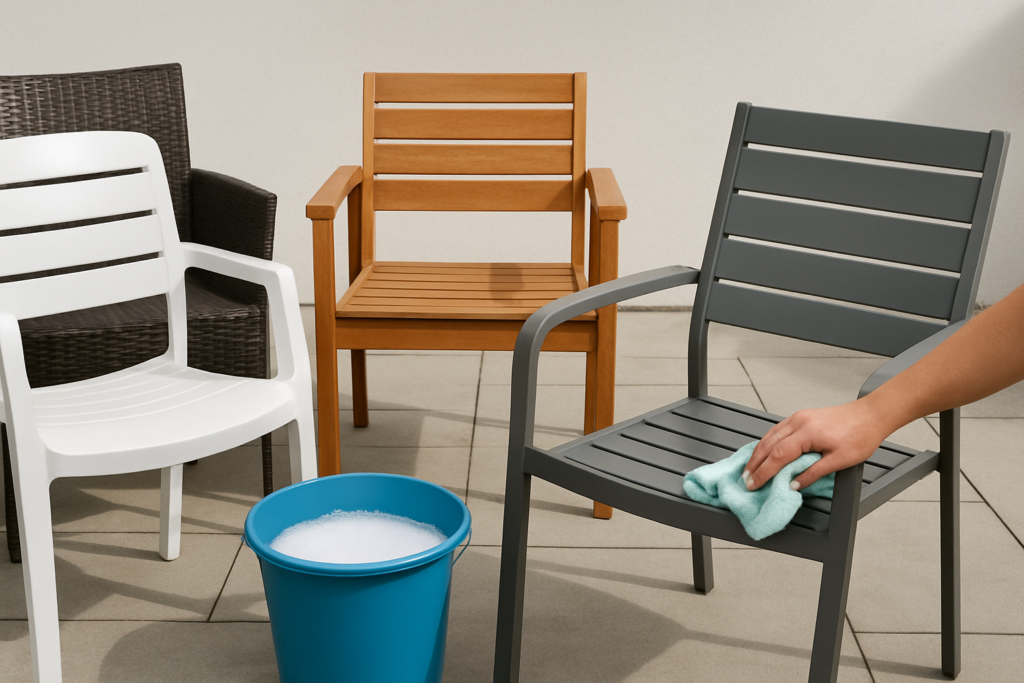
Each type of patio furniture requires its own cleaning approach. What works perfectly for aluminum could ruin wicker, and the wrong cleaner might strip the natural oils from your expensive teak pieces. Let’s break down the best cleaning methods for every material you’ll encounter in your outdoor space.
Cleaning Aluminum Patio Furniture
Aluminum furniture is popular for good reason. It’s lightweight, rust-resistant, and relatively easy to maintain. However, it can develop white chalky residue from oxidation and collect stubborn dirt in textured surfaces.
Start with a simple solution of warm water and mild dish soap. Mix about two tablespoons of soap per gallon of water. Use a soft cloth or sponge to wipe down all surfaces, paying attention to crevices where dirt accumulates.
For tougher stains and oxidation, create a paste using baking soda and water. Apply this paste to problem areas and let it sit for 10-15 minutes before scrubbing gently with a soft brush. The mild abrasive action helps remove stubborn buildup without scratching the aluminum surface.
White vinegar works exceptionally well on aluminum. Mix equal parts white vinegar and water in a spray bottle. Spray the solution on your furniture and let it work for a few minutes before wiping clean. This method tackles both dirt and mineral deposits effectively.
Simple Green All-Purpose Cleaner
This concentrated cleaner works excellently on aluminum and many other patio furniture materials.
Avoid using abrasive cleaners or steel wool on aluminum, as these can create permanent scratches. Also, don’t use cleaners containing ammonia, as they can cause discoloration over time.
Wicker and Rattan Furniture Care
Wicker furniture adds natural beauty to any patio, but cleaning it requires extra care. The woven construction traps dirt and debris, while harsh cleaners can dry out natural fibers or damage synthetic materials.
Begin by removing loose dirt and debris with a vacuum cleaner using the brush attachment. Get into all the nooks and crannies where dust loves to hide. This step prevents you from grinding dirt deeper into the weave during wet cleaning.
For natural wicker, use a solution of one tablespoon of Murphy’s Oil Soap per gallon of warm water. Dip a soft brush or cloth into the solution, wring out excess liquid, and gently scrub the wicker. Work in small sections and avoid oversaturating the material.
Synthetic wicker is more forgiving and can handle slightly stronger cleaning solutions. A mixture of warm water and mild detergent works well. You can even use a soft bristle brush more aggressively on synthetic materials without worry.
After cleaning, rinse thoroughly with clean water and allow the furniture to air dry completely. Place natural wicker in shade while drying, as direct sunlight can cause cracking. Once dry, consider applying a coat of paste wax to natural wicker to protect and restore its luster.
Teak Furniture Maintenance
Teak is a premium outdoor furniture material known for its natural weather resistance. However, it requires specific care to maintain its appearance and longevity. Many people make the mistake of treating teak like other wood types, which can damage its natural properties.
Never use regular wood cleaners, bleach, or pressure washers on teak. These can strip away the natural oils that give teak its weather resistance. Instead, start with a gentle cleaning using warm water and a mild soap solution.
For deeper cleaning, invest in a dedicated teak cleaner. These products are specifically formulated to clean teak without damaging its natural oils. Follow the manufacturer’s instructions carefully, as application methods vary between products.
Star Brite Teak Cleaner
Specifically designed for teak furniture and removes tough stains while preserving the wood’s natural oils.
If your teak has developed black spots or mildew stains, you might need a two-part teak cleaning system. These typically include a cleaner followed by a brightener. The cleaner removes stains and grime, while the brightener restores the wood’s natural color.
After cleaning, you have two options for finishing. You can let the teak weather naturally to its distinctive silver-gray patina, or apply a teak oil or sealer to maintain the original golden color. Both approaches are perfectly acceptable and depend on your aesthetic preferences.
Plastic and Resin Furniture
Plastic patio furniture is affordable and low-maintenance, but it’s notorious for developing stubborn stains and looking dingy over time. White plastic furniture particularly shows dirt, mildew, and oxidation.
Start with basic cleaning using warm water and dish soap. For most dirt and grime, this simple solution does the job effectively. Use a sponge or soft cloth to avoid scratching the plastic surface.
For tougher stains, create a cleaning paste using baking soda and water. Apply this paste to stained areas and scrub gently with a soft brush. This method works particularly well on food stains and general discoloration.
Bleach can be effective on plastic furniture, but use it sparingly. Mix one part bleach with ten parts water, apply to stained areas, and let sit for a few minutes before rinsing thoroughly. Always test this solution in an inconspicuous area first, as some plastics may discolor.
An unexpected but effective cleaner for plastic furniture is automotive car wax. After cleaning your furniture, apply a thin coat of car wax and buff it out. This creates a protective barrier that makes future cleaning easier and helps prevent stains from setting in.
For severe staining or oxidation on white plastic furniture, try the “magic eraser” approach. Melamine foam sponges can remove stubborn marks that other methods can’t touch. Use them sparingly, as they work by abrading the surface slightly.
Cleaning Cushions and Fabric
Patio furniture cushions and fabric elements require careful attention to prevent damage while ensuring thorough cleaning. Different fabric types and levels of soiling call for different approaches.
Always check the care label first. Many outdoor cushions have removable covers that are machine washable. If yours are machine washable, use cold water and a gentle cycle with mild detergent. Air dry only, as heat can shrink fabrics and damage water-resistant coatings.
For spot cleaning or non-removable cushions, create a cleaning solution using one-fourth cup of dish soap and one cup of warm water. Whip this mixture until it forms suds, then apply only the foam to the fabric using a soft brush. Work the foam into the fabric, then rinse with clean water and blot dry.
Scotchgard Heavy Duty Water Shield
Apply after cleaning to help your cushions resist water and stains throughout the season.
Mildew is a common problem with outdoor cushions. Mix equal parts white vinegar and water in a spray bottle, add a few drops of dish soap, and spray the affected areas. Let the solution sit for 10-15 minutes, then scrub gently and rinse thoroughly.
For tough stains like food, grease, or tree sap, you might need an enzyme-based cleaner. These break down organic materials effectively. Apply the cleaner, let it work for the recommended time, then rinse and air dry.
After cleaning, ensure cushions are completely dry before storing them. Trapped moisture leads to mildew and unpleasant odors. Consider investing in breathable storage bags or a deck box with ventilation holes.
General Cleaning Tips and Maintenance
Regardless of your furniture material, some universal principles apply to keep your patio furniture looking its best throughout the seasons.
Clean regularly rather than waiting for major buildup. A monthly light cleaning prevents stubborn stains and reduces the need for harsh chemicals. Weekly dusting or hosing down during heavy-use periods makes deep cleaning much easier.
Address spills and stains immediately when possible. Fresh stains come out much more easily than set-in ones, regardless of the furniture material. Keep a spray bottle with mild soapy water handy for quick cleanup.
Use furniture covers when pieces aren’t in use for extended periods. Quality covers prevent UV damage, reduce cleaning frequency, and extend your furniture’s lifespan significantly. Make sure covers are completely dry before putting them on to prevent trapped moisture issues.
Store cushions indoors when possible, especially during harsh weather. Even weather-resistant fabrics benefit from indoor storage during winter months or extended rainy periods.
Consider the timing of your cleaning. Avoid cleaning in direct sunlight, as cleaning solutions can dry too quickly and leave streaks or residue. Early morning or evening cleaning sessions typically yield better results.
Frequently Asked Questions
Can I use a pressure washer on my patio furniture?
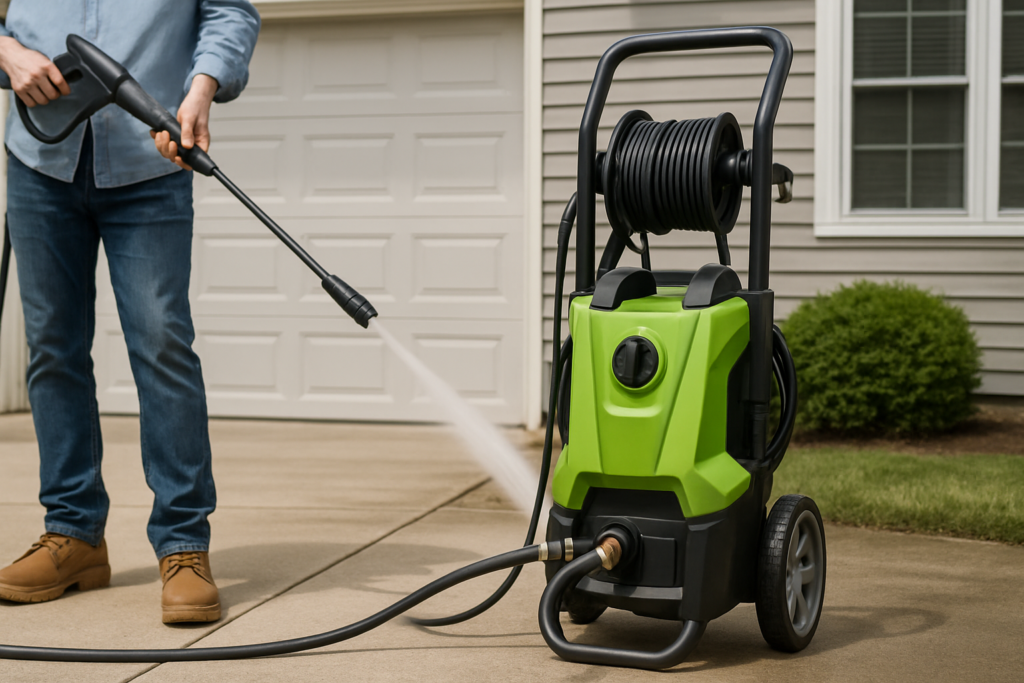
Pressure washers can be used on aluminum and plastic furniture if you use a wide spray pattern and keep the nozzle at least 18 inches away. Never use pressure washers on wicker, teak, or fabric cushions, as the force can cause permanent damage to these materials.
How often should I deep clean my patio furniture?
Deep clean your patio furniture at least twice per season, typically at the beginning and end of your main outdoor entertaining months. However, furniture in dusty areas, near trees, or subject to heavy use may need monthly deep cleaning.
What’s the best way to remove rust stains from my patio?
For rust stains on non-metal surfaces, create a paste using lemon juice and salt. Apply the paste, let it sit for several hours, then scrub and rinse. For metal furniture showing actual rust, use a rust remover specifically designed for the material, followed by touch-up paint if needed.
Should I oil my teak furniture every year?
Oiling teak is optional and based on your aesthetic preference. If you like the golden color, apply teak oil 2-3 times per season. If you prefer the natural weathered gray look, simply clean your teak and let it age naturally. Both approaches are perfectly acceptable for maintaining healthy teak furniture.
This article contains affiliate links. We may earn a small commission at no extra cost to you.