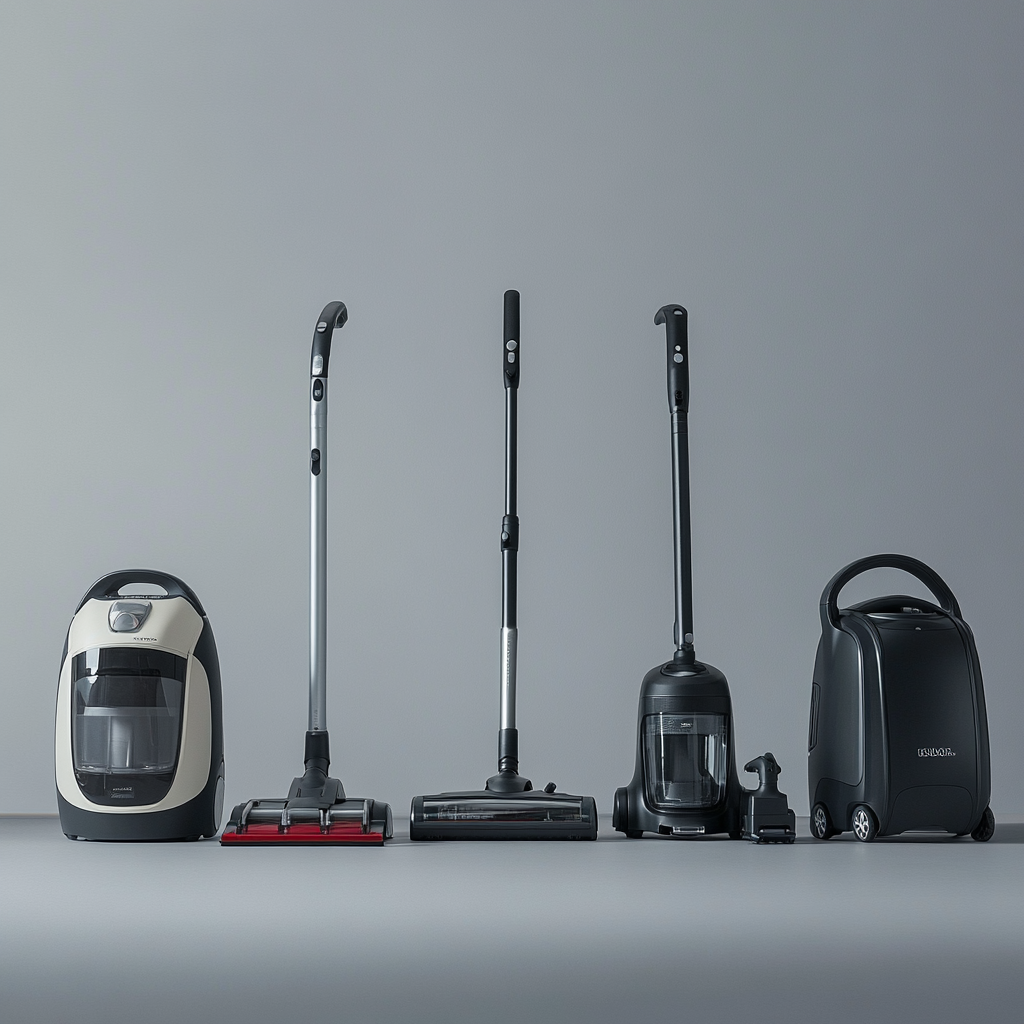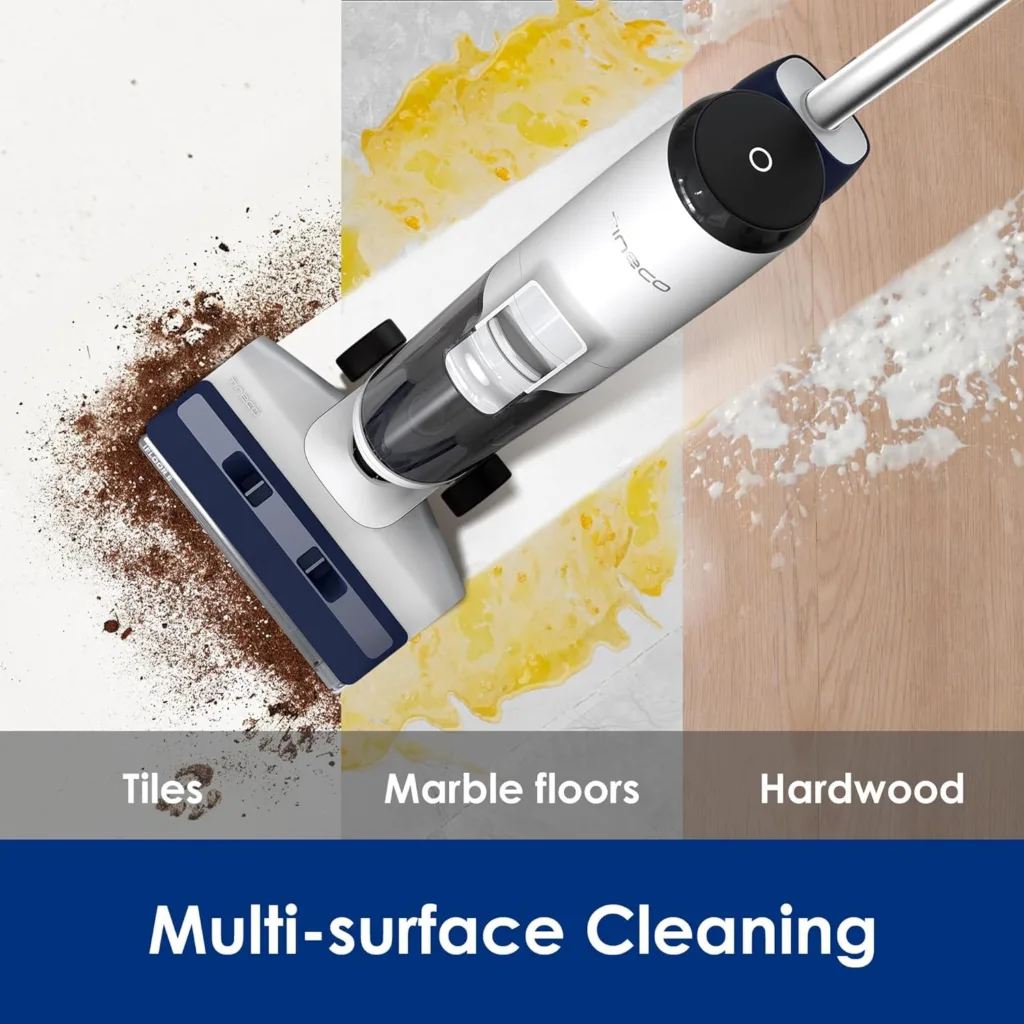
Choosing between a bagless and bagged vacuum cleaner might seem simple, but the decision affects your cleaning routine, budget, and indoor air quality for years to come. Both types have evolved significantly, making the choice more nuanced than ever.
Your cleaning habits, home environment, and health considerations all play crucial roles in determining which style works best for you. Let’s break down the real differences so you can make an informed decision.
Bagless Vacuums: The Convenience Factor
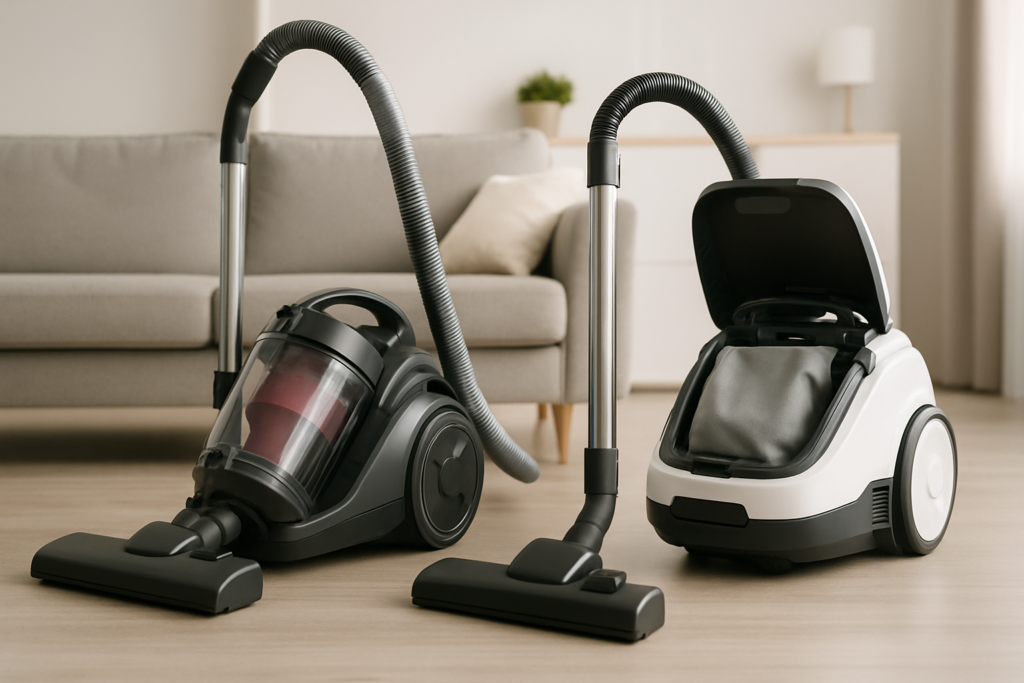
Bagless vacuums offer immediate visual feedback about your cleaning progress. You can see exactly what you’ve picked up, which feels satisfying and helps you know when the canister needs emptying.
The main advantage is ongoing cost savings. Once you buy the vacuum, you won’t spend money on replacement bags for the life of the machine. This makes bagless models appealing for budget-conscious households that vacuum frequently.
However, emptying bagless canisters creates dust clouds that can trigger allergies. The cyclone technology works well initially, but suction power often decreases as the canister fills up. You’ll also need to clean or replace filters regularly to maintain performance.
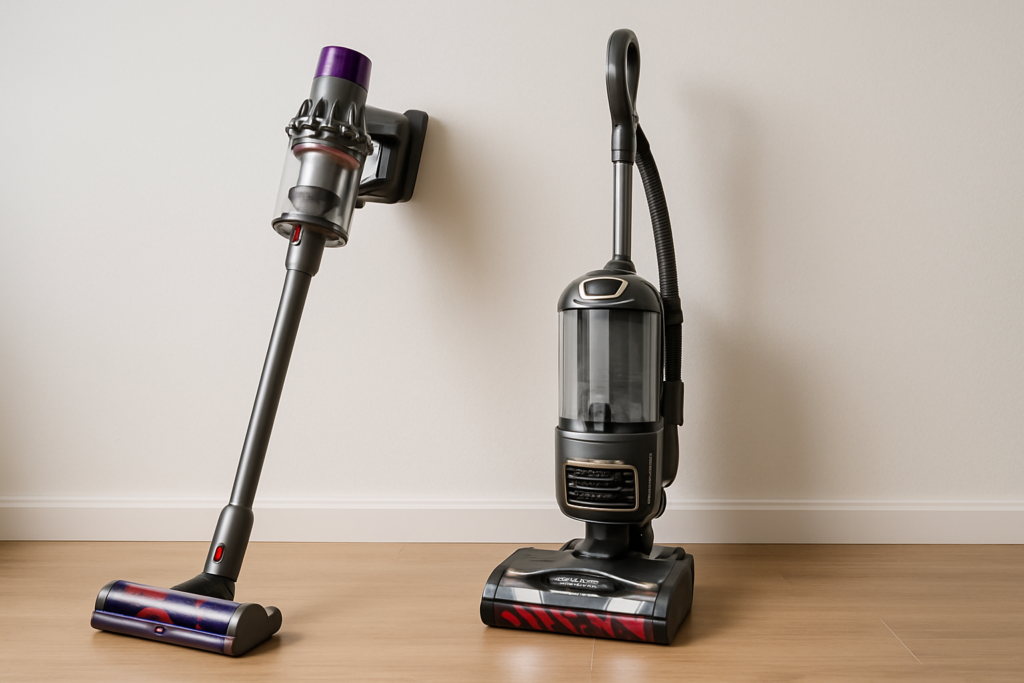
Popular bagless options like the Shark Navigator series and Dyson cordless models have proven reliable for many households.
Dyson V15 Detect Cordless Vacuum
Excellent suction power with laser dust detection technology for thorough cleaning.
Bagged Vacuums: Superior Filtration and Power
Bagged vacuums maintain consistent suction power throughout the cleaning session. As the bag fills, it actually improves filtration by creating additional layers for dirt and debris to pass through.
For allergy sufferers, bagged models offer significant advantages. The sealed bag system contains dust and allergens during disposal, preventing them from escaping back into your home’s air. Many bagged vacuums also feature HEPA filtration systems that capture microscopic particles.
The ongoing cost of replacement bags adds up over time, but this expense often pays for itself through better air quality and consistent performance. Quality bags typically cost between pennies and a few dollars each, depending on your vacuum model.
Professional-grade options like Miele Complete C3 series and SEBO Felix models deliver exceptional performance and longevity.
Miele Complete C3 Marin Canister Vacuum
German engineering with superior filtration and multiple floor type attachments.
Making Your Decision: Key Considerations
Your household’s specific needs should drive this decision. Homes with pets, multiple carpeted rooms, or family members with allergies typically benefit more from bagged vacuums due to superior filtration and odor control.
Budget considerations extend beyond the initial purchase price. Calculate the annual cost of replacement bags against the time and effort required to maintain bagless filters. For light cleaning in small spaces, bagless models often make more sense.
Consider your storage situation too. Bagless vacuums require space to store and dry filters after washing, while bagged models need room for replacement bag inventory.
Frequency of use matters significantly. Daily vacuum users might prefer bagless convenience, while weekly cleaners often appreciate bagged performance and containment.
Which Type Lasts Longer?
Bagged vacuums typically outlast bagless models due to simpler mechanisms and less exposure to debris. The sealed bag system protects internal components from dust damage. Quality bagged vacuums from brands like Miele or SEBO often operate effectively for 15-20 years with proper maintenance.
Bagless vacuums have more complex cyclone systems and exposed filters that can clog or wear out. However, modern bagless designs have improved durability considerably, with many lasting 8-12 years under normal use.
Do Bagged Vacuums Really Work Better for Pet Hair?
Bagged vacuums excel at pet hair removal because they maintain consistent suction as the bag fills. Pet hair doesn’t reduce airflow as dramatically in bagged systems compared to bagless canisters where hair can wrap around cyclones and block airflow.
The sealed disposal system also prevents pet dander from escaping during emptying, which benefits family members with pet allergies. Many bagged models include specialized pet attachments that work more effectively due to sustained suction power.
This article contains affiliate links. We may earn a small commission at no extra cost to you.