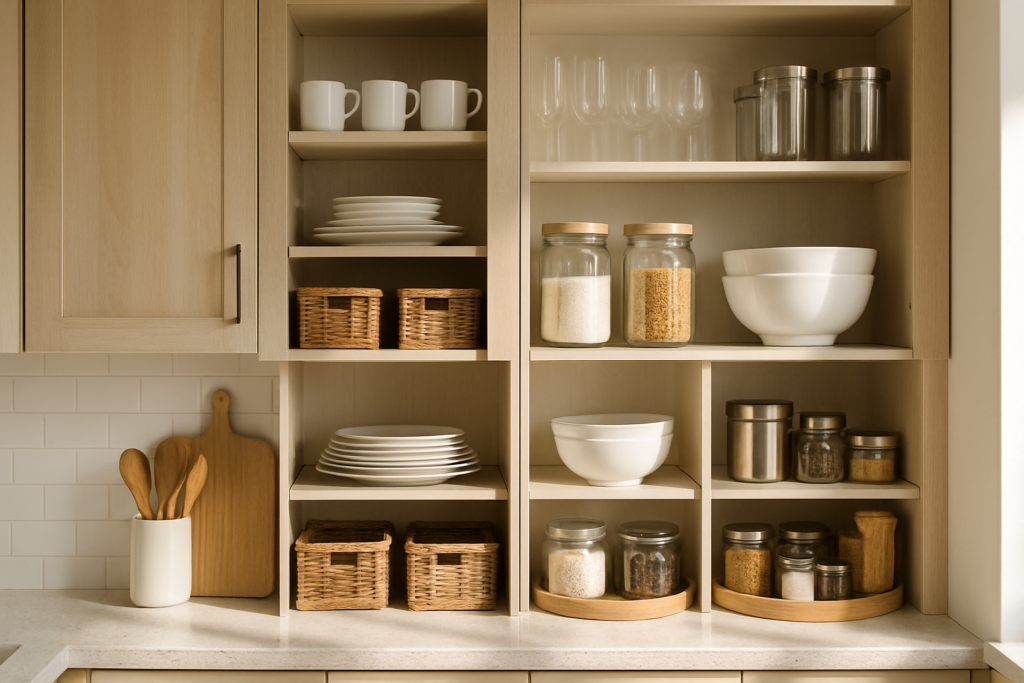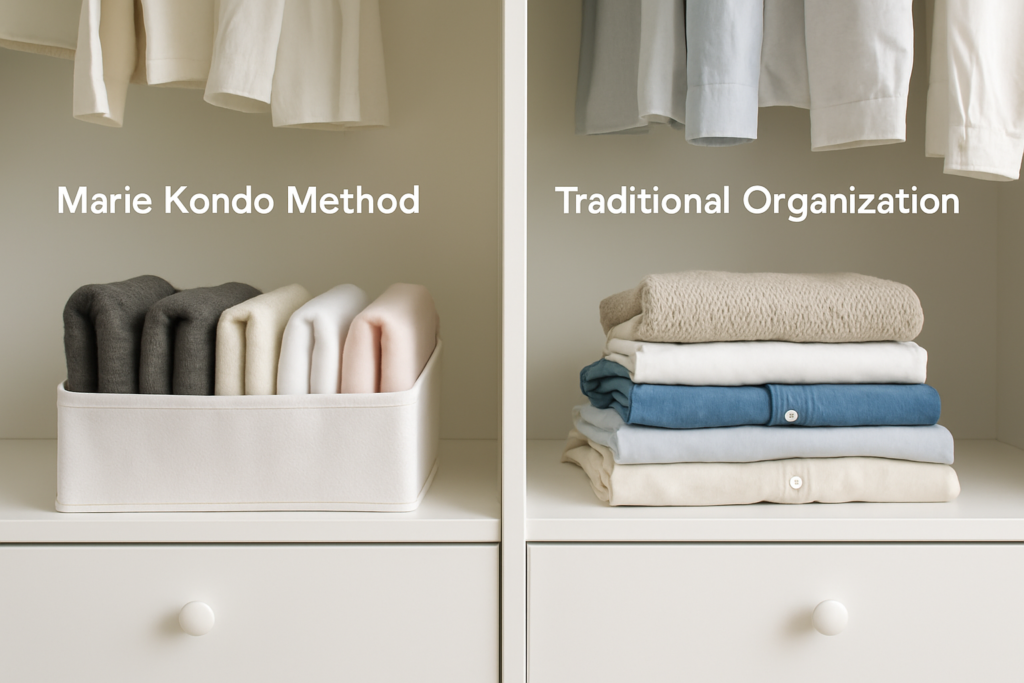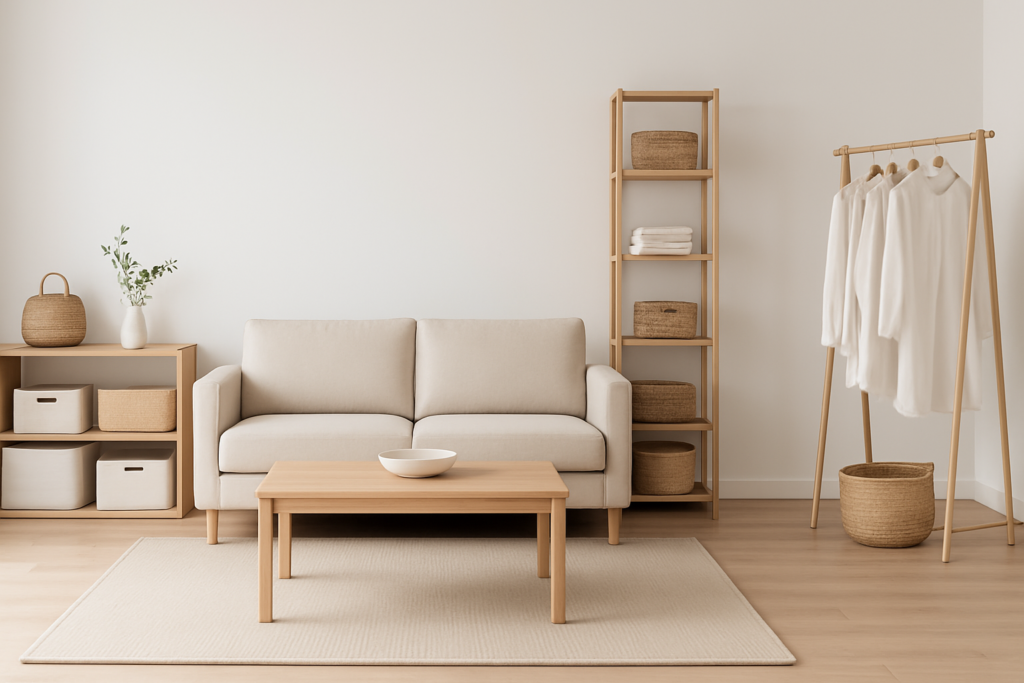
Living with less isn’t just about having fewer things. It’s about creating intentional systems that prevent chaos from creeping back into your space. Minimalist home organization goes beyond the initial decluttering phase to establish sustainable habits that keep your home functional and peaceful.
These ten rules will transform how you think about organizing your space. Instead of managing endless amounts of stuff, you’ll learn to curate what you own and create simple systems that actually work.
Rule 1: Everything Must Have a Home
This fundamental principle drives every other organizing decision. Before you bring anything into your space, identify exactly where it will live. Not approximately where, but the specific drawer, shelf, or container.
Walk through your home and notice items that tend to migrate or pile up. These are things without proper homes. A stack of mail on the kitchen counter, keys scattered on different surfaces, or phone chargers that disappear suggest missing organizational systems.
Create designated spots for these homeless items. Install a wall-mounted key organizer near your entrance, establish a mail sorting station, or designate specific drawers for tech accessories.
Clear Storage Bins with Labels
Essential for creating visible, organized homes for similar items throughout your house
Rule 2: Master the One-In-One-Out System
This rule prevents accumulation at the source. For every new item that enters your home, one similar item must leave. Buy a new shirt, donate an old one. Add a kitchen gadget, remove one that rarely gets used.
The key is applying this rule immediately, not weeks later when you remember. Keep a donation bag in your closet and another in a utility area. When you bring something new home, complete the exchange right then.
Some categories need stricter ratios. Books, decorative items, and hobby supplies tend to multiply quickly. Consider a two-out-one-in approach for these problem areas until you reach your ideal quantity.
Rule 3: Quality Over Quantity Every Time
Minimalist organizing becomes infinitely easier when you own fewer, better things. One excellent chef’s knife beats a block full of mediocre blades. Three perfectly fitting pairs of jeans trump twelve that are okay.
This principle extends to organizational tools themselves. Instead of multiple cheap storage solutions that break or look cluttered, invest in fewer, well-made organizers that will last years.
Research purchases thoroughly before buying. Read reviews, compare materials, and choose items that serve multiple functions when possible. A bamboo expandable drawer organizer adapts to different spaces better than fixed plastic dividers.
Bamboo Expandable Drawer Organizer
Adjusts to fit various drawer sizes and looks great while organizing utensils, tools, or office supplies
Rule 4: Create Systems, Not Just Storage
Storage holds things. Systems move things through your life efficiently. The difference determines whether your organization efforts stick long-term.
Think about your daily routines and design systems around them. If you always drop your bag and jacket when you walk in, create a landing zone with hooks and a small bench near the entrance. Don’t fight your natural habits, work with them.
Your morning routine reveals the most important system needs. Where do you get dressed, prepare breakfast, grab work items? Streamline these pathways by removing obstacles and grouping related items together.
Evening routines matter too. Establish where keys, wallets, and tomorrow’s essentials go each night. A simple wooden valet tray keeps daily carry items together and prevents morning scrambles.
Rule 5: Vertical Space Is Your Best Friend
Most people organize horizontally, cramming items into drawers and onto surfaces. Minimalist organization maximizes vertical space to keep surfaces clear and items visible.
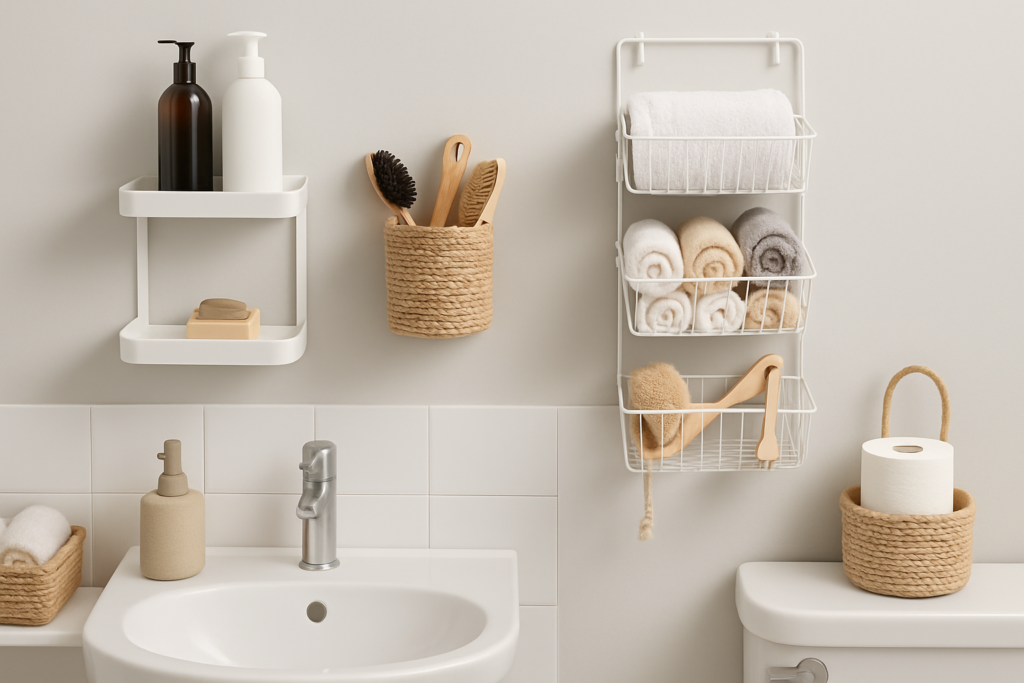
Wall-mounted storage works in every room. Kitchen walls can hold spice racks, utensil bars, and pot hooks. Bathroom walls accommodate towel bars, corner shelves, and medicine cabinet organizers. Even bedroom walls can support floating nightstands and reading lights.
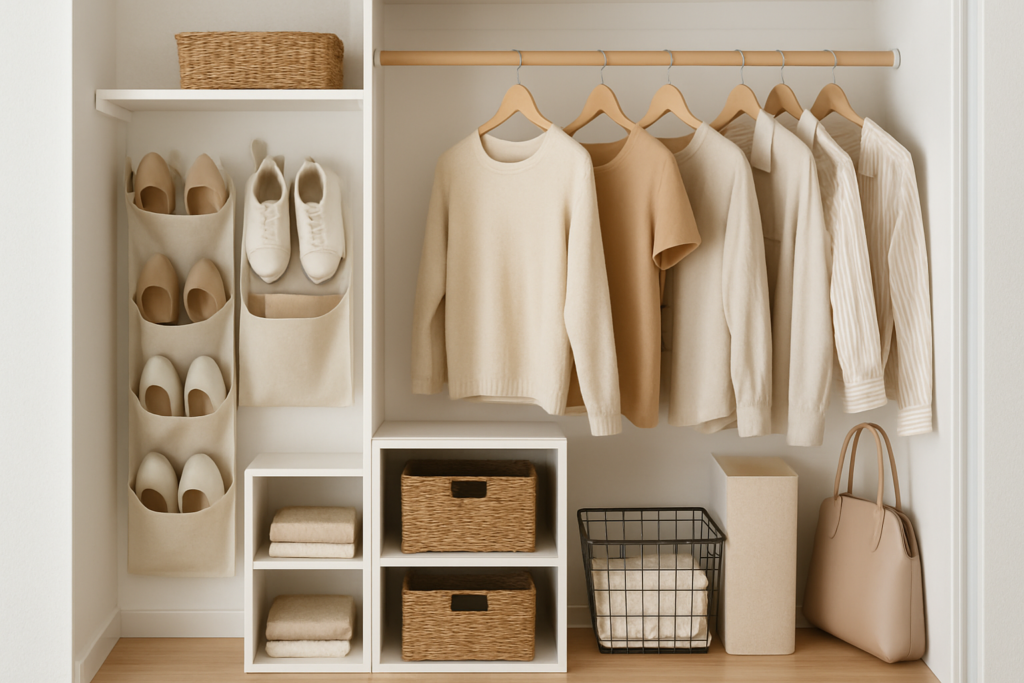
Inside storage areas, think vertically too. Use stackable bins, shelf dividers, and hanging organizers to multiply your space. The back of closet doors offers prime real estate for shoes, cleaning supplies, or pantry items.
Over-the-Door Shoe Organizer
Perfect for shoes, cleaning supplies, or small items while keeping them visible and accessible
Rule 6: Label Everything You Can’t See
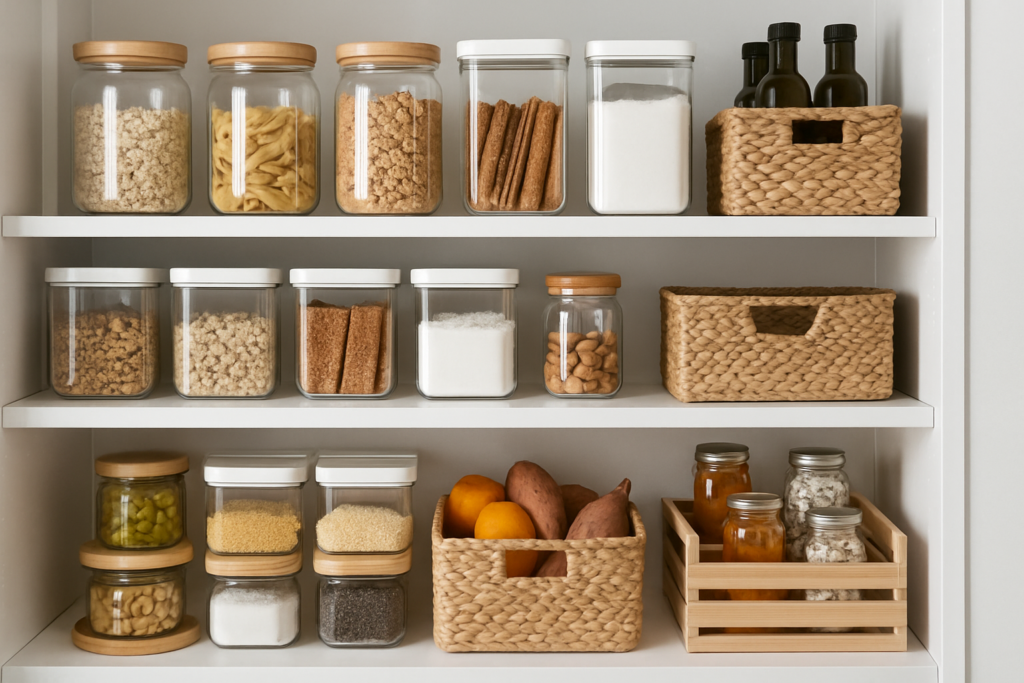
Clear containers eliminate the need for labels, but opaque storage requires clear identification. Labels prevent the “mystery box” syndrome that leads to duplicate purchases and wasted time searching.
Use a consistent labeling system throughout your home. Whether you prefer printed labels, handwritten tags, or a label maker, stick with one style and font. This creates visual cohesion and makes your systems feel intentional.
Label both the outside and inside of storage areas. A label on a closet shelf reminds you where sweaters belong when putting laundry away. Labels inside pantry containers show family members where items return after use.
Rule 7: Keep Counters and Surfaces Clear
Clear surfaces create an immediate sense of calm and spaciousness. They also force you to maintain good organizational habits since clutter becomes immediately obvious.
Establish a maximum number of items allowed on key surfaces. Kitchen counters might allow a coffee maker and knife block, nothing else. Bathroom vanities could hold only daily-use items, with everything else stored in drawers or cabinets.
Create hidden storage near problem surfaces. A small basket under the coffee table corrals remotes and reading glasses. A drawer divider near the kitchen sink organizes sponges and dish soap. Quick access prevents surface dumping.
Rule 8: Group Like with Like
This basic organizing principle becomes more powerful with fewer possessions. When you own three types of pasta instead of eight, storing them together makes perfect sense. With two backup deodorants instead of six, bathroom organization becomes simple.
Apply this grouping rule at multiple levels. All bathroom items live in the bathroom, but within that space, hair products group together, skincare items share a drawer, and first aid supplies occupy a specific shelf.
Consider how often you use grouped items together. Baking supplies should cluster in one area since recipes often require multiple ingredients. Travel items belong together since you’ll need several when packing.
Rule 9: Maintain Weekly, Don’t Marathon Clean
Minimalist organization thrives on consistent, small efforts rather than occasional massive overhauls. Spend 15 minutes each week returning items to their homes and assessing what’s working.
Choose one day for this weekly reset. Sunday evenings work well since they prepare you for the week ahead. Walk through each room, straighten organizational systems, and note any problems that need attention.
During these weekly sessions, enforce the one-in-one-out rule. Check for items that have accumulated beyond your ideal limits. Remove them immediately rather than letting excess build up over time.
Rule 10: Design for Your Actual Life, Not Your Ideal One
The most beautiful organizational system fails if it doesn’t match how you actually live. Don’t organize for the person you think you should be, organize for who you are right now.
If you never fold fitted sheets perfectly, don’t create a system that requires it. Roll them instead or designate a specific shelf for imperfectly folded linens. Organize around your real habits and preferences.
Consider your energy levels throughout the day. Don’t put frequently needed items in hard-to-reach places if you know you won’t climb a step stool after work. Place daily essentials at eye level and within easy reach.
Lazy Susan Turntable Organizer
Makes corner cabinet items easily accessible without requiring you to dig through deep spaces
Common Questions About Minimalist Organization
How do I convince family members to follow these rules?
Start with your own spaces first and let results speak for themselves. Focus on shared areas that affect everyone, like entryways and kitchens. Make systems so simple that following them requires less effort than ignoring them. Involve family members in creating solutions rather than imposing rules they didn’t help develop.
What if I need seasonal items or rarely used things?
Seasonal and occasional items still need homes, just not prime real estate. Store them in less accessible areas like high shelves, under beds, or in closets. Use clear containers and detailed labels so you can find items when needed. Review these stored items annually and donate anything unused for two consecutive seasons.
How do I organize without buying lots of storage products?
Use containers you already own first. Shoe boxes, mason jars, and small baskets can organize many areas effectively. Focus on decluttering before purchasing organizers, you might need fewer than expected. When you do buy storage, choose versatile pieces that adapt to different uses over time.
Can minimalist organization work with kids and pets?
Absolutely, but systems must account for their needs and habits. Create accessible storage for items kids use independently. Accept that some areas will be messier and plan accordingly. Use washable organizers and avoid anything fragile or complex. The key is simplifying systems so children can maintain them with minimal adult help.
Minimalist organization isn’t about living with nothing. It’s about living intentionally with things that serve your life well. These rules create sustainable systems that grow with your needs rather than overwhelming your space.
This article contains affiliate links. We may earn a small commission at no extra cost to you.