Moving out of a rental property comes with its own set of stresses, and getting your full security deposit back shouldn’t be one of them. Yet countless tenants lose hundreds or even thousands of dollars because they underestimated what landlords actually look for during move-out inspections.
The difference between getting your deposit back and watching it disappear often comes down to details most people miss. After years of helping tenants navigate move-outs successfully, I’ve seen which cleaning strategies work and which ones leave money on the table. This guide will walk you through exactly what to clean, when to clean it, and how to document everything properly.
Understanding What Landlords Really Look For
Landlords and property managers have specific areas they focus on during inspections, and these aren’t always obvious to tenants. They’re looking for damage beyond normal wear and tear, cleanliness issues that require professional intervention, and signs of neglect that could affect future rentability.
The biggest red flags for landlords include stained carpets, damaged walls, dirty appliances, and neglected bathrooms. They also pay close attention to areas that attract odors like kitchens, bathrooms, and anywhere pets spent time. Understanding this mindset helps you prioritize your cleaning efforts effectively.
Document the property’s condition when you first move in, and keep those photos handy during your move-out cleaning. This baseline helps you understand what constitutes normal wear and tear versus damage you’re responsible for.
Kitchen Deep Cleaning Checklist
The kitchen often requires the most intensive cleaning because grease, food stains, and cooking odors accumulate over time. Start with the appliances, as these take the longest and often require multiple cleaning sessions.
For the oven, remove all racks and drip pans, then use a commercial oven cleaner or create a paste with baking soda and water. Let it sit overnight, then scrub thoroughly. Don’t forget the oven door, especially between the glass panels where grease often hides.
Easy Off Professional Oven Cleaner
This heavy-duty cleaner tackles even the most stubborn baked-on grease and food residue.
The refrigerator needs complete emptying, defrosting if necessary, and thorough cleaning of all shelves, drawers, and surfaces. Wipe down the exterior, clean the coils underneath, and don’t forget the drip tray. Many tenants skip the freezer compartment, but ice buildup and stains here definitely catch landlords’ attention.
Clean the stovetop thoroughly, including removing burner grates and drip pans for gas stoves or lifting the top on electric models to clean underneath. The range hood filter often gets overlooked but collects significant grease buildup that’s immediately visible during inspections.
Scrub the sink and faucet until they shine, paying special attention to the area around the base where soap scum and mineral deposits accumulate. Clean inside the garbage disposal by grinding ice cubes and citrus peels, then running plenty of water.
Bathroom Restoration Techniques
Bathrooms can make or break your deposit return because they’re prone to mold, mildew, and mineral deposits that landlords consider damage rather than normal cleaning issues. Focus on areas where moisture accumulates and staining is most likely to occur.
Start with the shower and tub, using a strong mildew remover on grout lines and caulking. A grout brush helps remove stubborn stains that regular cleaning misses. Replace any severely stained or moldy caulking entirely, as this relatively inexpensive fix can save you significant deposit deductions.
The toilet needs attention beyond regular cleaning. Remove the seat completely for thorough cleaning around the bolts and hinges where grime accumulates. Clean behind and around the base where dust and hair collect, and don’t forget the tank lid and handle.
CLR Calcium Lime Rust Remover
Essential for removing mineral deposits and hard water stains that regular cleaners can’t touch.
Mineral deposits around faucets, showerheads, and drain fixtures require specific attention. Soak fixtures in vinegar or use a commercial lime remover to dissolve buildup that makes everything look neglected. Replace the showerhead if mineral deposits have caused permanent staining or reduced water flow.
Clean mirrors and light fixtures thoroughly, as these are among the first things people notice when entering a bathroom. Wipe down all surfaces including baseboards, window sills, and the exhaust fan cover.
Bedroom and Living Area Deep Clean
While bedrooms and living areas might seem easier to clean, they have hidden trouble spots that can cost you deposit money if missed. Focus on areas that accumulate dust, stains, and odors over time.
Start with the walls, looking for scuff marks, nail holes, and any stains or discoloration. Small nail holes can be filled with spackling compound and touched up with matching paint. Larger holes or significant wall damage might require professional repair, but addressing minor issues yourself can save substantial deposit deductions.
Clean all light fixtures, ceiling fans, and air vents thoroughly. Dust buildup in these areas is immediately noticeable and suggests overall neglect to landlords. Remove light fixture covers and wash them properly, replacing any burned-out bulbs.
Baseboards and trim collect dust and scuff marks that regular cleaning misses. Wipe them down completely, paying attention to corners and areas behind furniture where buildup is worst. Clean window sills and tracks, removing any debris or water damage stains.
If the rental has hardwood floors, clean and polish them properly to restore shine and remove any dulling from foot traffic. For tile floors, clean grout lines just as thoroughly as in bathrooms, as discolored grout is equally noticeable in living areas.
Commonly Missed Spots That Cost Deposits
Certain areas get overlooked consistently, and these oversights often result in deposit deductions. Learning where to look can save you significant money and frustration.
Interior windows and screens rarely get proper attention during regular cleaning, but they’re obvious to landlords during inspections. Clean both sides of all windows, including tracks and sills. Remove screens and wash them thoroughly, as dirty screens make clean windows look dingy.
Light switches and outlet covers accumulate fingerprints and grime that becomes nearly invisible to residents but stands out to fresh eyes. Wipe down all switch plates and outlet covers throughout the property.
Magic Eraser Cleaning Pads
Perfect for removing scuff marks and stubborn stains from walls and surfaces without damaging paint.
The area behind appliances often gets ignored but can harbor significant dirt and debris. Pull out the refrigerator, stove, and washer/dryer to clean behind and underneath them. This also prevents pest issues that could affect your deposit.
Door frames and the tops of doors collect dust and fingerprints that are easily missed during regular cleaning. Wipe down all door frames, paying attention to areas around handles where hand oils cause discoloration.
Closet interiors, including shelving, hanging rods, and floors, need the same attention as main living areas. Vacuum or sweep closet floors and wipe down all surfaces, as neglected closets suggest overall poor maintenance.
Carpet and Flooring Recovery
Flooring issues represent some of the most expensive deposit deductions, but many problems can be addressed with proper cleaning techniques and products. The key is distinguishing between normal wear and damage that requires professional intervention.
For carpets, rent or purchase a quality carpet cleaner and use professional-grade cleaning solution. Focus extra attention on high-traffic areas, stains, and anywhere pets spent time. Multiple cleaning passes might be necessary for heavily soiled areas.
Address specific stains with appropriate treatments before doing overall carpet cleaning. Pet stains require enzymatic cleaners to eliminate odors completely, while other stains might need specialized spot treatments. Document heavily stained areas with photos, as some damage might be beyond DIY repair.
Hard surface floors need appropriate cleaning products for their specific material. Hardwood floors might need professional refinishing if damage is extensive, but proper cleaning and polishing can restore appearance significantly. Stone or tile floors often just need proper cleaning products and technique to look like new.
Pay special attention to transitions between flooring types, as these areas collect debris and show wear patterns clearly. Clean and vacuum all transitions thoroughly, including under any transition strips that can be safely removed.
Timeline and Organization Strategy
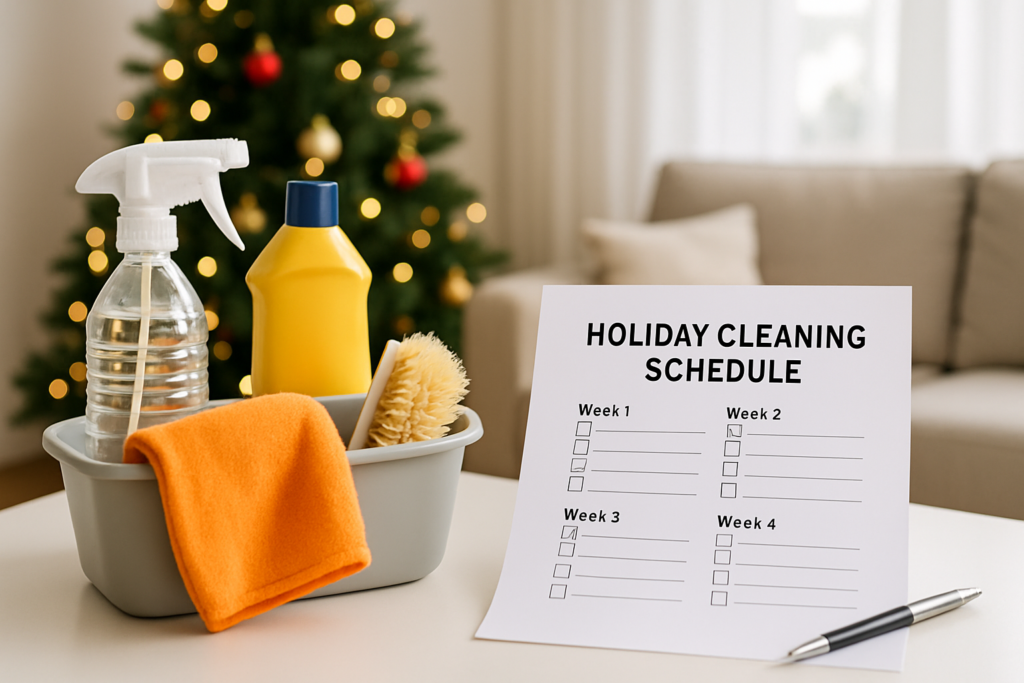
Successful move-out cleaning requires proper timing and organization to avoid rushing through important tasks or missing deadlines. Start planning your cleaning schedule at least two weeks before your move-out date.
Begin with tasks that require drying time or multiple sessions, like oven cleaning, carpet shampooing, and any repairs that need paint touch-ups. These jobs can’t be rushed and often need to be repeated for best results.
Schedule one room per day for deep cleaning, starting with the kitchen and bathrooms since these take the most time. Leave bedrooms and living areas for later in the process, as these are generally quicker and easier to complete.
Complete all cleaning before your final walk-through with the landlord. This gives you time to address any issues they identify and prevents disputes about cleaning quality. Having everything done early also reduces stress during an already hectic moving period.
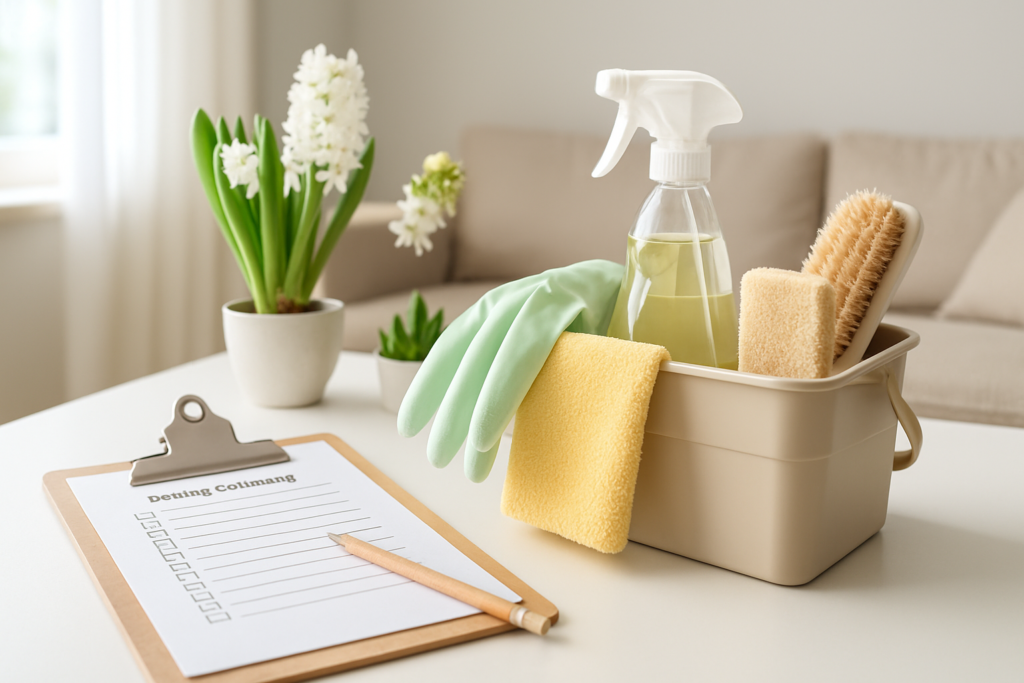
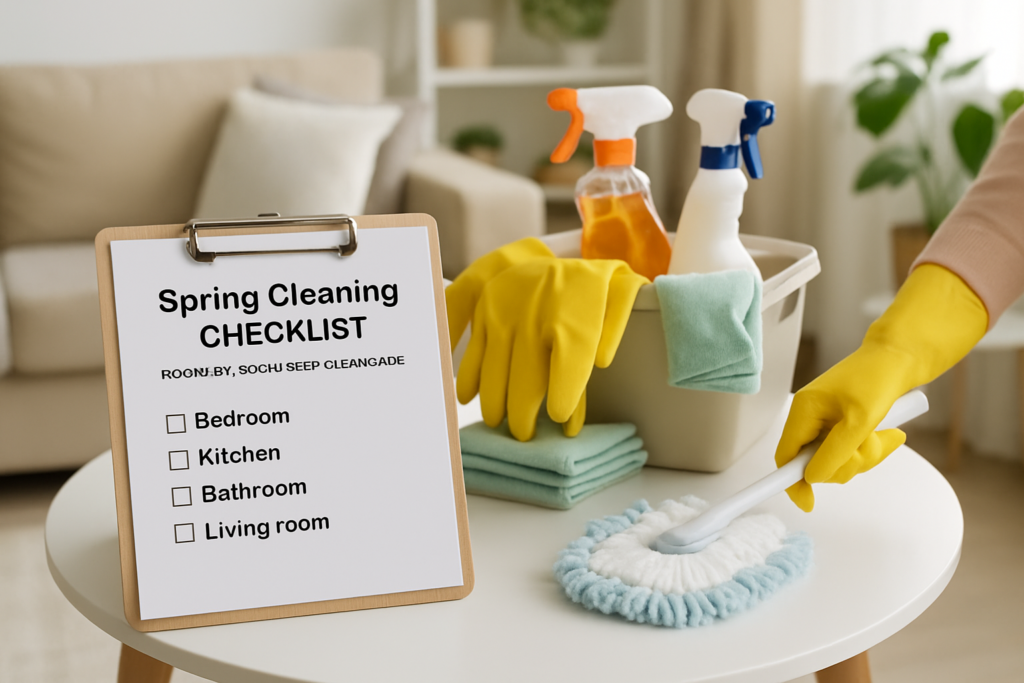
Create a cleaning supply checklist and gather everything you need before starting. Running out to buy supplies interrupts your workflow and wastes valuable time. Stock up on heavy-duty cleaners, scrubbing tools, and replacement items like light bulbs and caulk.
Documentation and Final Walk-Through
Proper documentation protects you from unfair deposit deductions and provides evidence if disputes arise later. Take comprehensive photos and videos of the property’s condition after cleaning but before the final inspection.
Photograph every room from multiple angles, focusing on areas that commonly cause deposit issues like appliances, bathrooms, and any previous damage. Time-stamp your photos if possible, and consider using a camera or phone that automatically embeds date and time information.
During the walk-through with your landlord, take notes about any issues they identify and ask for specific explanations of any proposed deposit deductions. Don’t sign anything immediately; request time to review any deduction claims and supporting documentation.
Keep copies of all communications with your landlord, including emails, texts, and written notices. This documentation becomes crucial if you need to dispute deposit deductions later through small claims court or mediation services.
Frequently Asked Questions
How long before moving out should I start deep cleaning?
Start your move-out cleaning process at least two weeks before your move-out date. This gives you adequate time for tasks that require multiple sessions, drying time, or professional services. Kitchen appliances and carpet cleaning often need several attempts to achieve rental-quality results, and rushing these tasks usually leads to poor outcomes and lost deposits.
Should I hire professional cleaners or do it myself?
The decision depends on your budget, available time, and the property’s condition. Professional cleaning typically costs less than losing your deposit, especially for challenging issues like carpet stains or extensive kitchen cleaning. However, if you have time and the property isn’t heavily soiled, DIY cleaning can be effective and save money.
What cleaning issues most commonly result in deposit deductions?
The most expensive deposit deductions typically involve carpet staining, appliance cleaning, bathroom mold or mineral deposits, and wall damage from nails or scuffs. Kitchen grease buildup and neglected areas like behind appliances also frequently result in charges. These issues often require professional intervention if not addressed properly during move-out cleaning.
Can I dispute deposit deductions after moving out?
Yes, you can dispute unfair deposit deductions through various means including direct negotiation with your landlord, mediation services, or small claims court. Success depends largely on having proper documentation of the property’s condition and evidence that claimed damages existed before your tenancy or constitute normal wear and tear. Most states have specific laws governing security deposits and timelines for disputes.
This article contains affiliate links. We may earn a small commission at no extra cost to you.