The leaves are changing, temperatures are dropping, and winter is knocking at your door. While you might be tempted to cozy up inside with a warm drink, fall is actually the perfect time to tackle essential home maintenance tasks that will protect your property and keep your family comfortable through the cold months ahead.
Think of fall cleaning as an investment in your home’s health and your own comfort. The tasks you complete now can prevent costly repairs, reduce energy bills, and ensure everything runs smoothly when winter weather hits. Plus, there’s something deeply satisfying about checking items off a well-organized maintenance list.
This checklist breaks down the most important fall cleaning and preparation tasks into manageable steps. You’ll want to start these projects in early to mid-October, giving yourself plenty of time to complete everything before the first hard freeze arrives in your area.
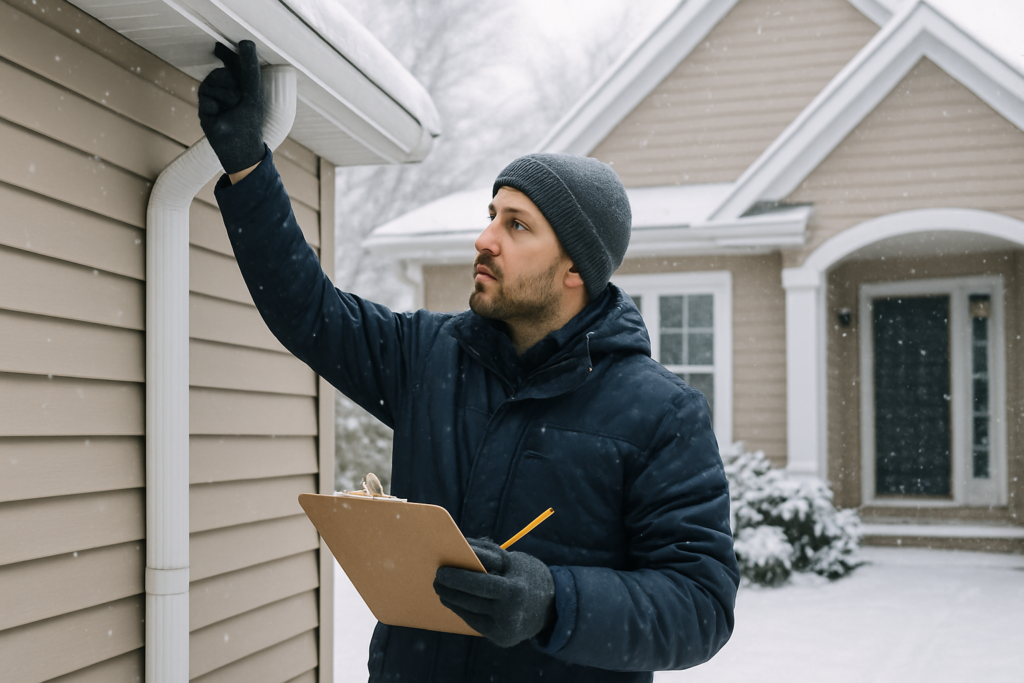
1. Clean and Inspect Your Gutters
Your gutters work overtime during fall, collecting leaves, twigs, and debris that can cause serious problems if left unchecked. Clogged gutters can lead to ice dams, foundation damage, and even roof leaks.
Start by clearing out all debris from the gutters and downspouts. You can use a gutter scoop or even a small garden trowel to remove stubborn buildup. Flush the gutters with a garden hose to check for proper drainage and identify any leaks or loose connections.
Gutter Guard System
Installing gutter guards now can prevent future clogs and reduce maintenance
Check that downspouts direct water at least six feet away from your foundation. If they don’t, consider adding downspout extensions. This simple step can prevent basement flooding and foundation issues that cost thousands to repair.
2. Service Your HVAC System
Your heating system has been sitting idle for months, and you don’t want to discover problems when you need warmth most. Schedule a professional HVAC inspection if you haven’t had one in the past year, or tackle the basic maintenance yourself.
Replace your furnace filter with a fresh one. A dirty filter makes your system work harder, increases energy costs, and reduces air quality. Mark your calendar to check it monthly during heating season.
Test your heating system by running it for 15-20 minutes. Listen for unusual noises, check that air flows from all vents, and ensure the thermostat responds properly. Clean the area around your furnace, removing any stored items or debris that could pose a fire hazard.
Don’t Forget About Fireplaces
If you have a fireplace, arrange for chimney cleaning and inspection before your first fire of the season. Creosote buildup and animal nests can create dangerous conditions. Check that your damper opens and closes properly, and test your smoke and carbon monoxide detectors.
3. Seal Windows and Doors
Air leaks around windows and doors can increase heating costs by 10-20%. Walk around your home on a windy day, holding a lit candle or incense stick near windows and door frames. Flickering indicates air leaks that need attention.
Apply weatherstripping to doors and windows where you notice gaps. For larger gaps, use expanding foam sealant. Don’t forget about areas where utilities enter your home, like around pipes, electrical outlets, and cable connections.
Foam Weatherstrip Tape
This self-adhesive foam creates an effective seal and installs in minutes
Consider installing storm windows if you have older single-pane windows. Even temporary plastic window kits can make a noticeable difference in drafty rooms.
4. Winterize Your Outdoor Water Systems
Frozen pipes can burst and cause thousands of dollars in damage. Prevent this disaster by properly winterizing your outdoor plumbing before temperatures drop below freezing.
Shut off water to outdoor faucets at the interior valve, then open the outdoor faucets to drain remaining water. Remove and store garden hoses indoors, as water left in hoses can freeze and damage both the hose and the faucet.
If you have an irrigation system, hire a professional to blow out the lines with compressed air. This typically costs less than replacing damaged sprinkler heads and pipes in spring.
5. Clean and Store Outdoor Furniture
Properly caring for outdoor furniture extends its life and keeps it looking good for years. Clean all pieces thoroughly with appropriate cleaners for the material type.
Store cushions and fabric items in a dry location like a garage, basement, or shed. If you must leave furniture outside, invest in quality covers that fit properly and allow air circulation to prevent mold and mildew.
Drain water from umbrella bases and fountain features. Apply protective treatments to wood furniture and check metal pieces for rust that needs attention.
6. Inspect and Clean Your Roof
Your roof takes a beating from summer heat and will soon face winter snow and ice. A visual inspection from the ground can reveal obvious problems like missing or damaged shingles, but you might need to get on a ladder for a closer look.
Remove debris like leaves and branches that can trap moisture and cause rot. Check for loose or damaged shingles and make repairs promptly. Look for signs of wear around chimneys, vents, and flashing.
Trim tree branches that hang over your roof or come within six feet of it. This prevents damage from falling limbs and reduces the amount of debris that collects in gutters.
7. Prepare for Storm Season
Fall storms can bring high winds, heavy rain, and early snow. Stock up on emergency supplies including flashlights, batteries, first aid supplies, and non-perishable food for at least three days.
Test your backup power sources like generators or battery banks. If you have a whole-house generator, schedule professional maintenance. For portable generators, check oil levels, test the engine, and ensure you have adequate fuel storage.
Weather Radio with Hand Crank
This emergency radio works without power and includes multiple charging options
Create or update your family emergency plan, including contact information and meeting locations. Keep important documents in a waterproof container or safe deposit box.
8. Deep Clean Indoor Spaces
You’ll be spending more time indoors during the coming months, making this the perfect time for deep cleaning projects you’ve been postponing.
Clean ceiling fans and light fixtures that have collected dust over summer. Vacuum or wash window treatments, including curtains and blinds. These items trap allergens and dust that circulate through your home’s air.
Deep clean carpets and upholstery to remove summer’s accumulated dirt and prepare for increased indoor activity. Consider professional cleaning for valuable rugs or heavily soiled areas.
Focus on High-Traffic Areas
Pay special attention to entryways where wet shoes and boots will soon track in snow and mud. Add extra mats both inside and outside doors. Consider waterproof boot trays to protect floors.
9. Check Safety Systems
Fall marks the ideal time to test and maintain all your home’s safety systems. The combination of increased heating system use and more time spent indoors makes these checks crucial.
Test smoke detectors and carbon monoxide alarms monthly, but use fall cleaning time to replace batteries in all units, even those that seem to be working fine. Clean the sensors with a soft brush to remove dust that can interfere with proper operation.
Check your fire extinguishers to ensure they’re properly charged and easily accessible. Review escape routes with family members and practice your fire evacuation plan.
10. Winterize Your Lawn and Garden
Your outdoor spaces need preparation for winter’s harsh conditions. Proper fall care ensures they bounce back beautifully in spring.
Continue mowing your lawn until growth stops, but raise the cutting height for the final few cuts. Rake leaves regularly, as thick layers can smother grass and create fungal problems.
Apply winter fertilizer to your lawn if recommended for your grass type and region. This strengthens roots and provides nutrients for early spring growth.
Leaf Mulching Mower Attachment
This attachment lets you mulch leaves directly into your lawn for natural fertilization
Drain and store garden hoses, shut off outdoor water valves, and bring tender plants indoors or into protected areas. Cover or wrap plants that stay outside but need protection from freezing temperatures.
Timing Your Fall Cleaning Tasks
The key to successful fall preparation lies in timing your tasks appropriately. Start with outdoor projects that depend on decent weather, like gutter cleaning and roof inspection. Save indoor deep cleaning projects for days when weather keeps you inside.
Weather-dependent tasks should be completed first. You need dry conditions for exterior painting, roof work, and window cleaning. These jobs become difficult or impossible once rain and snow arrive regularly.
Create a schedule that spreads tasks over several weekends rather than trying to complete everything in one marathon session. This approach prevents burnout and allows you to do quality work on each project.
Frequently Asked Questions
When should I start my fall cleaning checklist?
Begin fall cleaning tasks in early October, or about 4-6 weeks before your area’s average first hard freeze. This gives you adequate time to complete outdoor projects during favorable weather conditions. Check your local climate data to determine the best starting time for your region.
Which tasks should I hire professionals to handle?
Consider hiring professionals for HVAC system maintenance, chimney cleaning, roof repairs, and any electrical work. These jobs require specialized knowledge and equipment, and mistakes can be costly or dangerous. Tree trimming near power lines also requires professional expertise for safety reasons.
How can I remember to do these tasks every year?
Set annual reminders in your phone or calendar for early October. Create a physical checklist that you can reuse each year, checking off completed items. Many homeowners find success in dedicating one weekend per month during September and October to fall maintenance tasks.
What should I do if I discover major problems during my inspection?
Address urgent safety issues immediately, such as gas leaks, electrical problems, or structural damage. For less critical but important issues like roof leaks or HVAC problems, get quotes from reputable contractors and schedule repairs as soon as possible. Document problems with photos for insurance purposes and contractor consultations.
This article contains affiliate links. We may earn a small commission at no extra cost to you.