Pet hair has a sneaky way of turning your beautiful home into what looks like a fur factory explosion. You vacuum religiously, yet somehow there’s always another tumble of hair rolling across your hardwood floors or embedded so deep in your carpet it might as well have grown there.
The truth is, your regular vacuum probably wasn’t designed to handle the unique challenges that come with furry family members. Pet hair wraps around brush rolls like it’s been trained in knot-tying. It floats through the air with the stealth of a ninja. And don’t even get me started on what happens when your golden retriever decides to have a full grooming session right after you’ve finished cleaning.
You need a vacuum that’s specifically engineered to tackle pet hair, dander, and all the other surprises our beloved animals leave behind. Let’s explore the essential features that separate pet-friendly vacuums from their basic counterparts.
Tangle-Free Brush Rolls: Your First Line of Defense
Traditional brush rolls are basically pet hair magnets with a twist. They grab every strand of fur and wind it around the bristles until you’re left with what looks like a furry burrito wrapped around your vacuum’s brush. You’ve probably spent more time with scissors and tweezers trying to free these tangles than you care to admit.
Tangle-free brush rolls solve this problem through clever engineering. Some models use rubber fins instead of traditional bristles, creating a surface that hair can’t grip onto effectively. Others feature specially designed bristle patterns that allow hair to pass through rather than wrap around.
The Shark Navigator Lift-Away Professional features a self-cleaning brushroll that prevents hair wrap completely. The design creates enough airflow to pull hair directly into the suction path rather than letting it accumulate on the brush.
Shark Navigator Lift-Away Professional
Features a truly tangle-free brushroll that keeps pet hair from wrapping around the mechanism
Some premium models take this concept even further with dual brush roll systems. One brush loosens debris while the second captures it, preventing the hair from ever getting a chance to tangle in the first place.
Suction Power That Doesn’t Quit
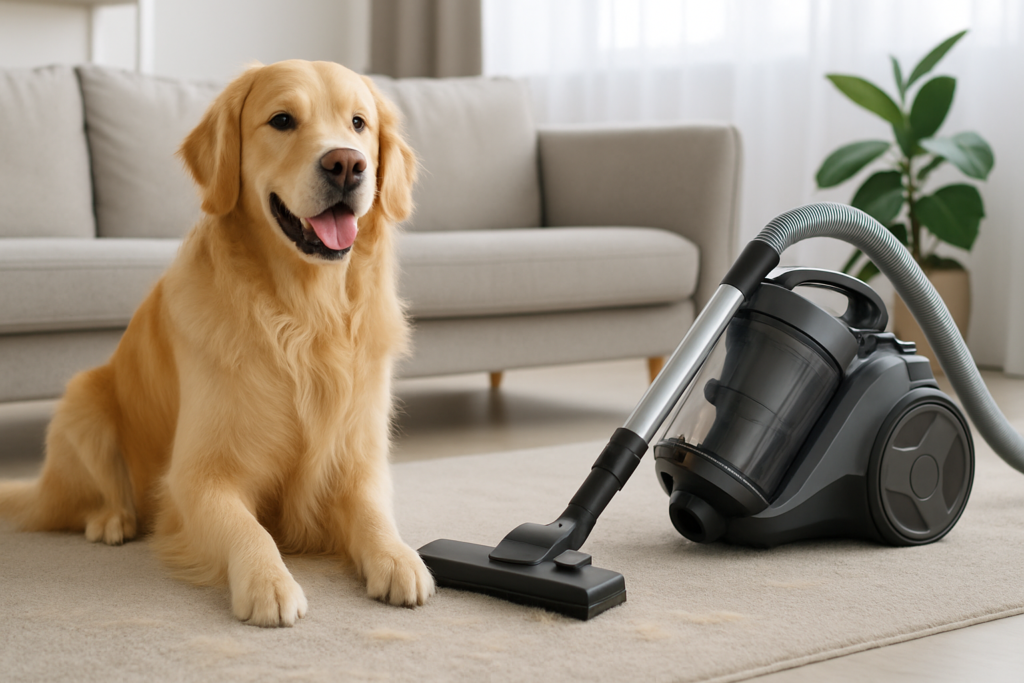
Pet hair isn’t just lying on your carpet surface waiting to be picked up. Long-haired breeds like Golden Retrievers and Maine Coon cats shed fur that works its way deep into carpet fibers, where it creates stubborn mats that regular suction can’t budge.
You’ll want to look for vacuums with adjustable suction settings and cyclonic technology. Cyclonic systems maintain consistent suction power even as the dust bin fills up, which is crucial when you’re dealing with large volumes of pet hair and dander.
Motor specifications matter too. Look for models with at least 12 amps of power for upright vacuums, or around 200 air watts for canister models. However, raw power isn’t everything. The vacuum’s airflow design and brush roll efficiency can make a moderate motor outperform a more powerful but poorly designed system.
Bagless models often provide better sustained suction for pet owners because you can see when the canister needs emptying. With bagged systems, pet hair can clog the bag quickly, reducing suction before the bag appears full.
Specialized Attachments for Every Pet Hair Challenge
Your furniture, stairs, and car interior present unique pet hair removal challenges that your main vacuum head simply can’t handle effectively. This is where specialized attachments become essential tools rather than nice-to-have extras.
Pet hair turbine tools use air-driven brush rolls to agitate upholstery and pull embedded fur to the surface. These work exceptionally well on furniture, car seats, and stairs where your main vacuum head won’t fit or maneuver easily.
Upholstery tools with rubber squeegee edges can grab pet hair through static electricity. Run these across your couch cushions and watch them pull hair that regular suction missed completely.
Crevice tools with flexible extensions help you reach under furniture and into tight spaces where pet hair loves to accumulate. Look for models that can bend at multiple angles.
Bissell Pet Hair Eraser Turbo
Comes with specialized pet tools including a tangle-free brush roll and motorized pet tool attachment
Some manufacturers include specialized pet grooming attachments that let you vacuum loose fur directly from your pet. While not every animal tolerates this, it can dramatically reduce the amount of hair that ends up around your home.
Easy Maintenance Features You’ll Actually Use
Pet hair creates more vacuum maintenance than regular household debris. You’ll be emptying dust bins more frequently, cleaning filters more often, and checking for clogs regularly. A vacuum that makes these tasks difficult will quickly become a source of frustration.
Look for models with tool-free brush roll removal. When pet hair inevitably finds a way to wrap around something, you want to be able to access and clean the brush roll without hunting for screwdrivers or struggling with complex mechanisms.
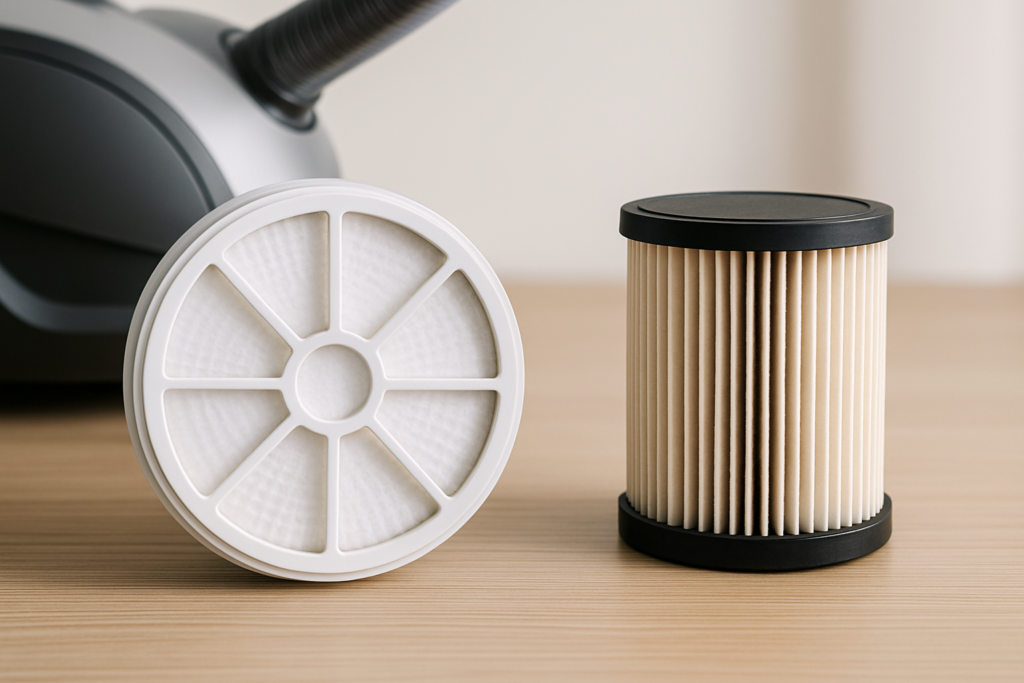
Washable, lifetime filters save money and ensure optimal performance. HEPA filters are particularly important for pet owners since they capture the microscopic dander that triggers allergies. Some models include multiple filter stages specifically designed for pet environments.
Clear dust bins let you monitor fill levels and spot potential clogs before they become problems. Bottom-empty designs prevent the dust cloud that often occurs when emptying traditional top-opening canisters.
Cord length matters more than you might think. Pet hair cleanup often requires covering large areas thoroughly, and constantly switching outlets breaks your cleaning rhythm. Look for models with at least 25 feet of cord length.
Challenges by Pet Type and Hair Length
Different pets create different vacuuming challenges, and your ideal vacuum features depend partly on what type of furry family members you’re dealing with.
Long-Haired Breeds
Golden Retrievers, Persian cats, and similar long-haired breeds shed fur that tangles easily and embeds deeply in carpet fibers. These pets require vacuums with strong suction and aggressive brush roll action.
Motorized pet tools become essential for furniture cleaning since long hair wraps around fabric fibers tenaciously. You’ll also want multiple filter stages since long-haired breeds often shed more dander along with their fur.
Consider models with brush roll height adjustment. Long pet hair sometimes requires different settings for optimal pickup on various surfaces.
Short-Haired Shedders
German Shepherds, Labradors, and many cat breeds shed short, stiff hairs that work their way into upholstery and become nearly invisible until you’re wearing black clothes. These hairs also float in the air longer than long fur.
For short-haired shedders, prioritize strong suction over aggressive brush action. Rubber squeegee attachments work particularly well since they can grab short hairs through static attraction.
HEPA filtration becomes more critical with short-haired pets since their dander tends to become airborne more easily.
Multiple Pet Households
Multiple pets create exponentially more cleaning challenges. You’ll need larger dust bin capacity, more frequent filter cleaning, and attachments that can handle variety.
The Dyson V8 Animal offers the versatility needed for multi-pet homes with its quick-change attachments and strong cordless performance.
Dyson V8 Animal
Versatile cordless design with multiple pet-specific attachments perfect for multi-pet households
Consider investing in a dedicated handheld vacuum for quick daily cleanups between thorough weekly sessions with your main vacuum.
Special Considerations for Allergies
Pet dander consists of microscopic skin flakes that can trigger severe allergic reactions even when you can’t see them. Regular vacuum filtration won’t capture particles this small, making HEPA filtration essential rather than optional.
Sealed system design prevents allergens from escaping through vacuum body joints or around filters. Look for models specifically certified as sealed systems rather than just including HEPA filters.
Some advanced models include UV sanitizing lights or antimicrobial treatments on internal components. While not essential, these features can provide additional allergen control.
Bagless models require more careful emptying to avoid allergen exposure during dust bin cleaning. Consider wearing a mask and emptying outdoor if allergies are severe.
Corded vs. Cordless for Pet Hair
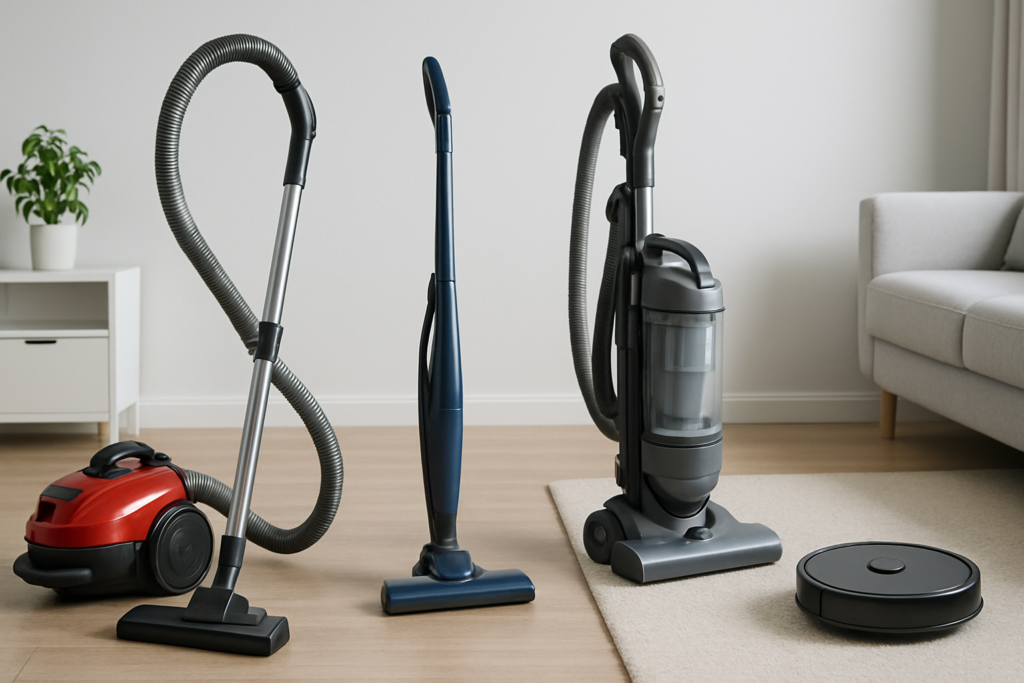
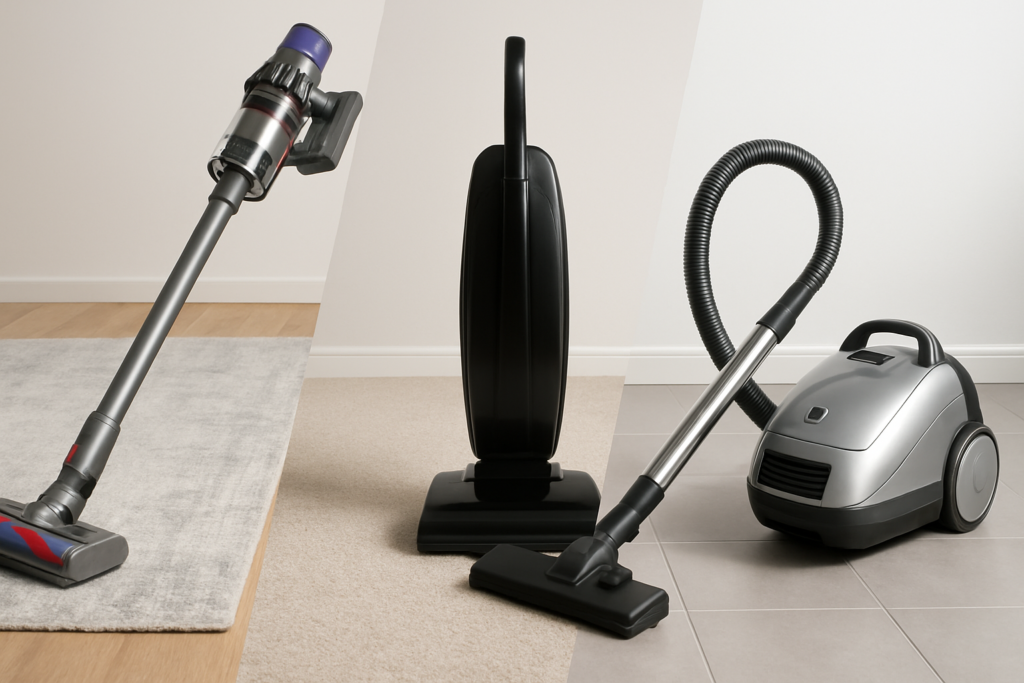
Corded vacuums typically provide stronger, more consistent suction power, which can be crucial for embedded pet hair removal. They also offer unlimited runtime for thorough cleaning sessions.
Cordless models provide convenience for quick cleanups and hard-to-reach areas, but battery life can limit their effectiveness for whole-house pet hair removal. However, newer cordless models like those from Dyson and Tineco offer impressive suction power that rivals many corded units.
For most pet owners, a corded model for weekly deep cleaning plus a cordless handheld for daily touch-ups provides the best of both worlds.
Frequently Asked Questions
How often should I replace filters in a pet hair vacuum?
HEPA filters in pet households typically need replacement every 3-6 months, depending on usage frequency and number of pets. Washable pre-filters should be cleaned monthly. You’ll know it’s time when suction power decreases noticeably or the filter appears darkly discolored even after washing.
Can I vacuum my pet directly with these attachments?
Many pets tolerate direct vacuuming with proper grooming attachments, but introduce the process gradually. Start with the vacuum off to let your pet investigate, then use low suction settings initially. Never force the process if your pet shows stress. Some cats and dogs actually enjoy the sensation once they’re accustomed to it.
What’s the difference between pet-specific vacuums and regular models?
Pet-specific vacuums typically include tangle-free brush rolls, stronger suction motors, specialized attachments for upholstery and tight spaces, enhanced filtration systems, and easier maintenance features. While regular vacuums can pick up pet hair, pet-specific models handle the volume and challenges more efficiently.
Should I vacuum more frequently with pets?
Most pet owners benefit from vacuuming high-traffic areas 2-3 times per week rather than once weekly. Daily spot cleaning with a handheld vacuum can prevent hair buildup and reduce allergens. During shedding seasons, you might need daily vacuuming to maintain clean floors and furniture.
This article contains affiliate links. We may earn a small commission at no extra cost to you.