Living with pets means living with fur, dander, muddy paws, and the occasional accident. But you don’t have to choose between having a fresh-smelling home and enjoying life with your furry companions. The secret isn’t cleaning more often, it’s cleaning smarter with a routine that tackles pet messes before they become overwhelming.
A good cleaning routine for pet owners breaks down into manageable daily habits, weekly deep-cleans, and monthly maintenance tasks. This approach keeps odors under control, reduces allergens, and prevents that “dog smell” or litter box scent from taking over your space.
Daily Pet Cleaning Tasks That Make a Difference
Your daily routine doesn’t need to be complicated. Spending just 10-15 minutes each day on these tasks prevents buildup and keeps your home baseline fresh.
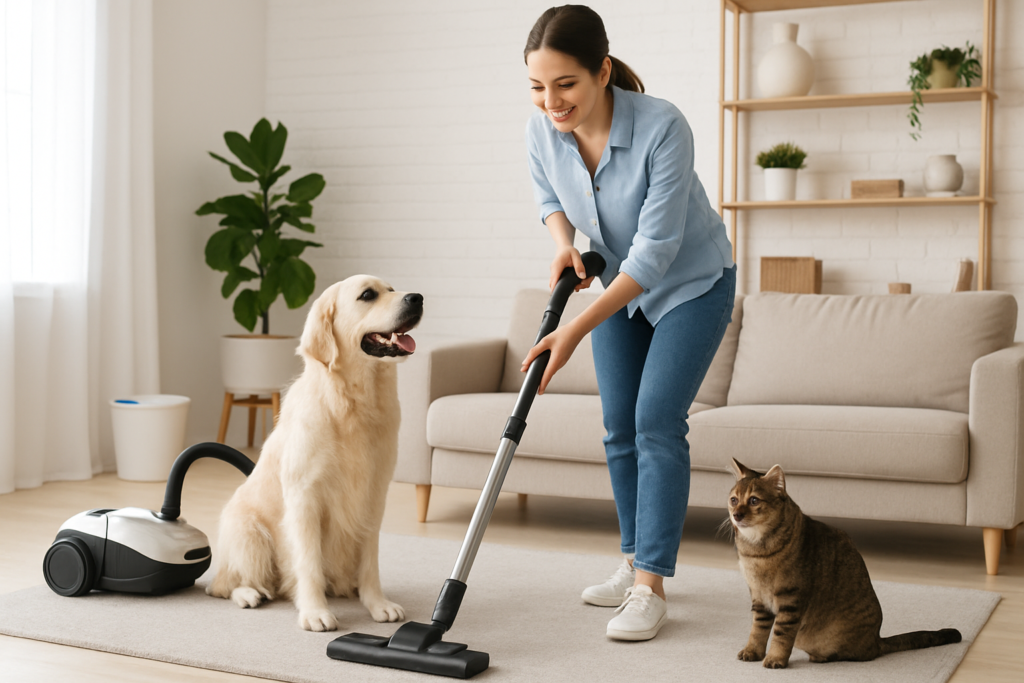
Start with a quick vacuum or sweep of high-traffic pet areas. Focus on where your dog or cat spends most of their time, like the living room, entryway, or their favorite napping spots. A cordless stick vacuum makes this task quick enough that you’ll actually do it daily.
Wipe down food and water bowls every single day. Bacteria builds up fast in pet dishes, and that slimy film you feel isn’t just unpleasant, it’s a health concern. Use hot, soapy water or toss them in the dishwasher if they’re dishwasher-safe.
Scoop litter boxes at least once daily, preferably twice if you have multiple cats. This single habit does more to control odors than any air freshener ever will. Keep a small trash can with a lid near the litter box to make disposal easier.

Pet Odor Eliminator Spray
Enzyme-based formulas actually break down odor-causing bacteria rather than just masking smells
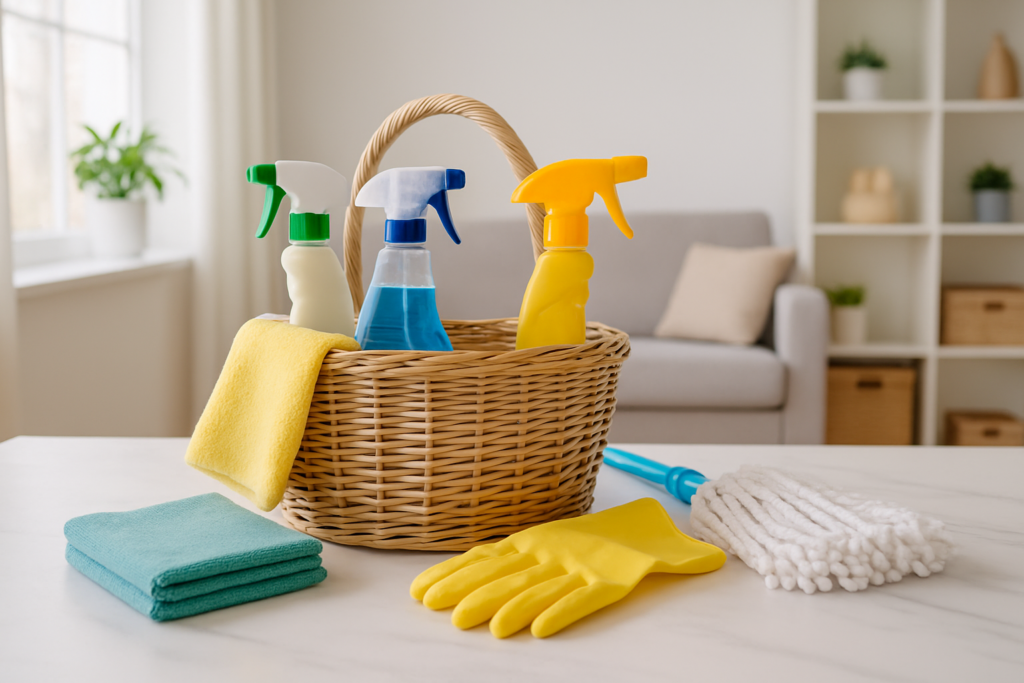
Do a quick spot-check for accidents or stains. The faster you catch these, the easier they are to remove. Keep your cleaning supplies in an accessible spot so you’re not hunting for them when disaster strikes.
Weekly Cleaning Schedule for Pet Owners
Your weekly routine tackles the deeper messes that daily maintenance can’t fully address. Block out about an hour each week, preferably on the same day so it becomes automatic.
Floors and Furniture
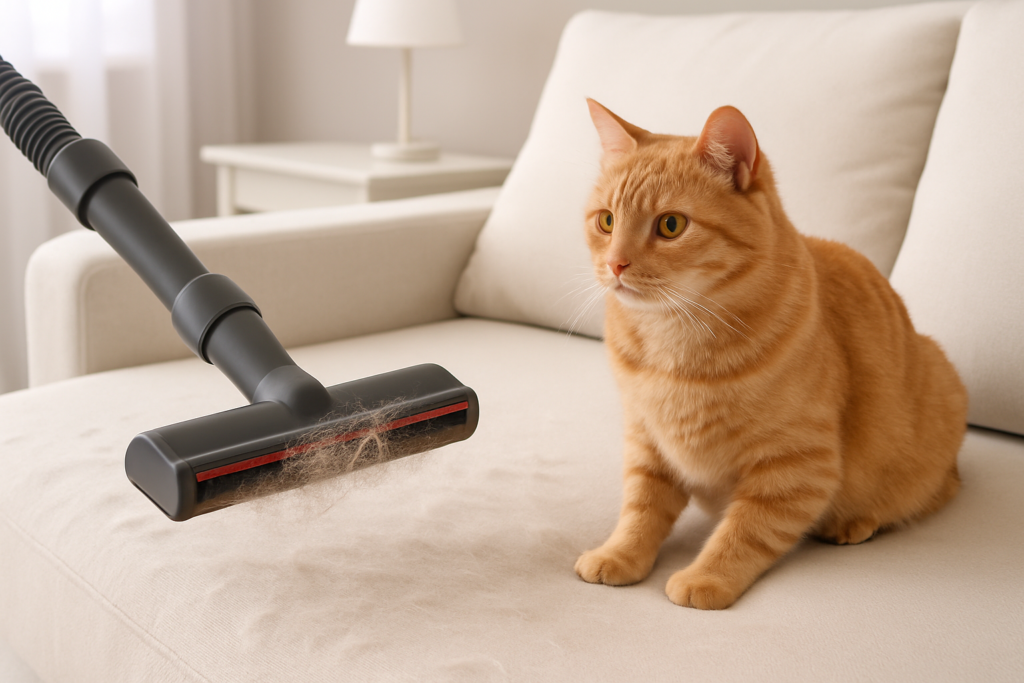
Vacuum all floors, including under furniture and in corners where pet hair collects. Use the upholstery attachment on couches, chairs, and pet beds. Pet hair has a way of weaving itself into fabric fibers, so make multiple passes in different directions.
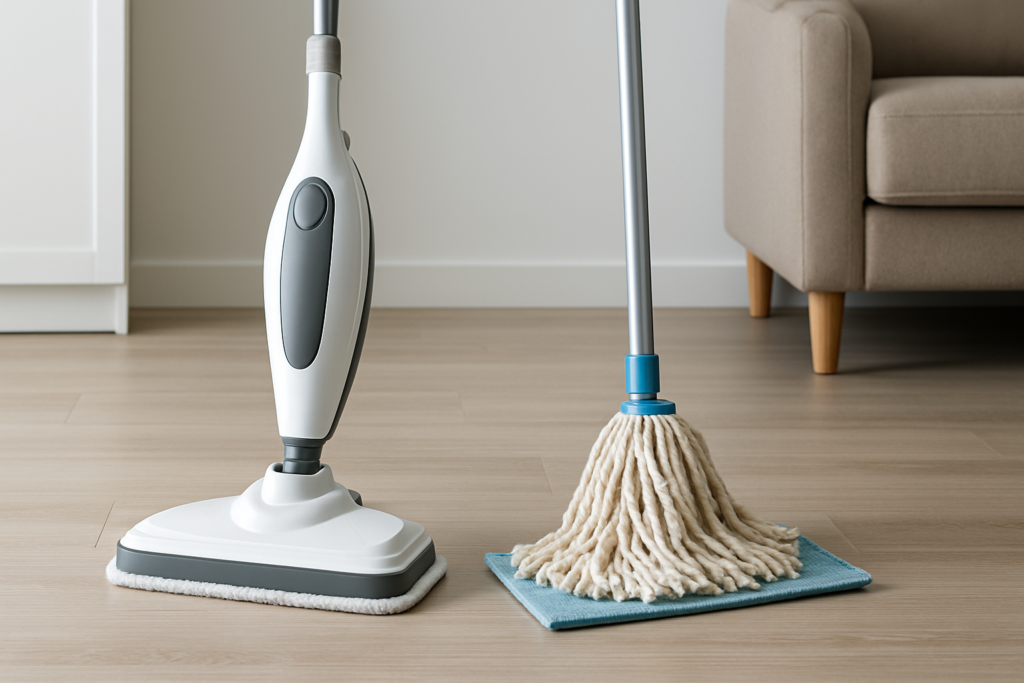
Mop hard floors with a pet-safe cleaner. Avoid products with harsh chemicals, especially anything containing pine oil or phenols, which can be toxic to cats. A simple solution of warm water with a small amount of dish soap works well for most surfaces.
Bedding and Fabric Items
Wash all pet bedding, blankets, and removable furniture covers in hot water. Add a half cup of white vinegar to the rinse cycle to help eliminate odors naturally. Don’t skip drying on high heat, as this helps kill any remaining bacteria and dust mites.
Rotate or flip cushions where pets sleep. This distributes wear and prevents permanent indentations. While you’re at it, vacuum the cushions themselves on both sides.
Litter and Feeding Areas
Completely empty and scrub litter boxes with mild soap and water. Skip the ammonia-based cleaners, as they smell like urine to cats and might discourage litter box use. A good litter mat catches tracked litter and makes cleanup around the box much easier.
Deep clean food and water stations. Move bowls, sweep or vacuum the area, and wipe down any placemats or feeding mats. Check for any spilled kibble that’s rolled under nearby furniture or appliances.
Monthly Deep Cleaning Tasks
Once a month, tackle the jobs that prevent long-term odor and grime buildup. These tasks take more time but only need attention every few weeks.
Wash or replace air filters in your HVAC system. Pet dander clogs filters faster than normal household dust, reducing air quality and system efficiency. Mark your calendar to check filters on the first of each month.

HEPA Air Purifier for Pets
A quality air purifier with a true HEPA filter captures 99.97% of pet dander and allergens
Steam clean carpets and upholstery, focusing on pet areas. You can rent a machine or invest in your own if you have multiple pets or extensive carpeting. Use a pet-specific cleaning solution designed to neutralize odors rather than cover them up.
Clean your vacuum thoroughly. Empty the canister or replace the bag, wash or replace filters, and cut away any hair wrapped around the brush roll. A clogged vacuum just redistributes dirt and dander instead of removing it.
Wash windows and glass doors at pet nose height. Those smudge marks from wet noses and paw prints build up gradually. A microfiber cloth with a vinegar-water solution cuts through the grime quickly.
Tackling Common Pet Odor Problems
Even with regular cleaning, certain odor issues need special attention. Address these problems as soon as you notice them rather than waiting for your scheduled cleaning day.
For urine accidents, blot up as much liquid as possible immediately. Then saturate the area with an enzymatic cleaner and let it sit for the recommended time, usually 10-15 minutes. These cleaners contain bacteria that literally eat the odor-causing compounds.
Dog beds and cat trees often hold onto smells even after washing. Sprinkle baking soda liberally over these items, let sit for several hours, then vacuum thoroughly. For items you can’t wash, this method refreshes them between deeper cleanings.
Combat wet dog smell by keeping towels near all entrances. Dry your dog immediately after walks in wet weather, paying special attention to paws and underbelly where moisture lingers. A high-absorbency microfiber towel works better than regular bath towels.
Smart Tools That Save Time
The right cleaning tools cut your routine time in half. Invest in equipment designed specifically for pet owners rather than trying to make standard household items work.
A rubber broom or squeegee pulls pet hair from carpet more effectively than vacuuming alone. Run it over carpets and rugs before vacuuming to loosen embedded fur. This technique works especially well on low-pile carpets and area rugs.

Robot Vacuum for Pet Hair
Running daily maintenance cleaning while you’re at work means less manual vacuuming on your part
Lint rollers aren’t just for clothes. Keep them in multiple rooms for quick furniture touch-ups. The jumbo refill packs cost less per sheet than the small handheld versions.
Waterproof, washable furniture covers protect your investment and simplify cleaning. Look for covers that stay in place rather than constantly sliding around. Many pet owners keep two sets so one can be in the wash while the other is in use.
Frequently Asked Questions
How do I get rid of pet odor that seems to come from everywhere?
Start by identifying the source, which is usually concentrated in specific areas rather than truly everywhere. Check under furniture, inside closets where pets might hide, and any carpeted areas near litter boxes or pet beds. Clean these problem zones with an enzymatic cleaner, wash all fabric items, and run an air purifier. Sometimes what seems like general odor is actually coming from your HVAC system distributing pet dander, so change those filters first.
Can I use regular household cleaners around my pets?
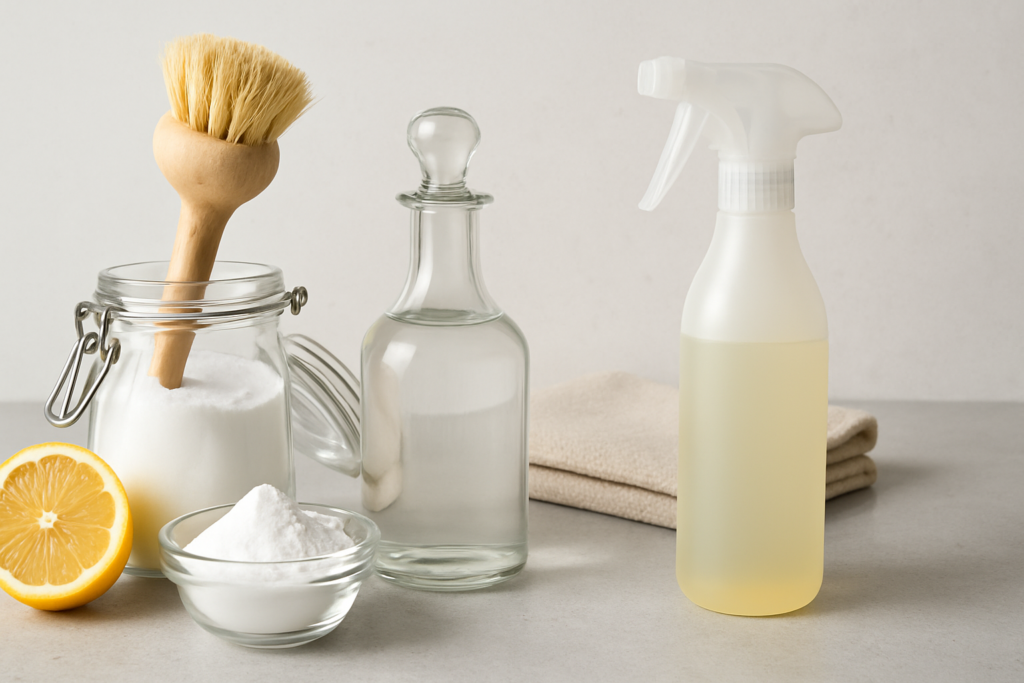
Many common cleaners contain ingredients harmful to pets. Avoid bleach, ammonia, and phenol-based products. Cats are particularly sensitive to essential oils, including tea tree, eucalyptus, and citrus oils found in many “natural” cleaners. Stick with pet-safe products or simple solutions like vinegar and water, baking soda, or mild dish soap. Always let cleaned areas dry completely before allowing pets back into the space.
How often should I bathe my dog to help keep the house clean?
Most dogs need bathing every 4-6 weeks, though this varies by breed, coat type, and lifestyle. Bathing too frequently strips natural oils and can actually increase skin odor problems. Between baths, wipe down your dog with pet-safe grooming wipes after outdoor adventures, and brush regularly to remove loose fur before it ends up on your floors. Regular brushing, especially during shedding seasons, reduces the amount of fur floating around your home more effectively than frequent baths.
This article contains affiliate links. We may earn a small commission at no extra cost to you.