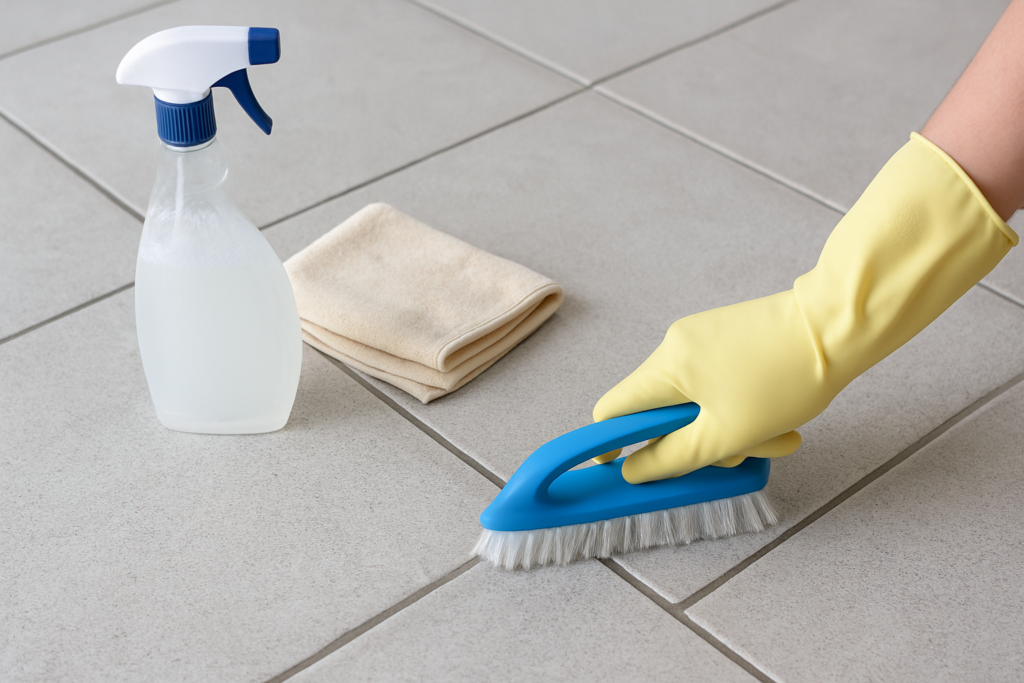
Dirty grout lines can make even the cleanest tile floor or backsplash look grimy and neglected. While plenty of commercial cleaners promise sparkling results, most are loaded with bleach, ammonia, and other harsh chemicals that can irritate your lungs, damage your grout over time, and aren’t great for households with kids or pets.
The good news is that you don’t need industrial-strength chemicals to get your grout looking fresh again. With a few simple household ingredients and the right tools, you can tackle even stubborn stains safely and effectively. Here’s how to restore your grout lines without exposing your family to unnecessary toxins.
Why Avoid Harsh Chemicals on Grout
Before we jump into cleaning methods, it’s worth understanding why ditching harsh chemicals makes sense for grout specifically. Grout is porous by nature, which means it absorbs whatever you put on it. Bleach and acidic cleaners might seem effective initially, but they can actually break down the grout’s structure over time, leading to crumbling and discoloration.
These chemicals also create fumes that linger in bathrooms and kitchens, spaces that often have limited ventilation. People with asthma, allergies, or chemical sensitivities can experience headaches, respiratory irritation, and skin reactions. Plus, many conventional cleaners leave residues that pets and small children can come into contact with.
Natural cleaning methods are gentler on both your grout and your health, while still delivering impressive results when done correctly.
The Baking Soda and Vinegar Method
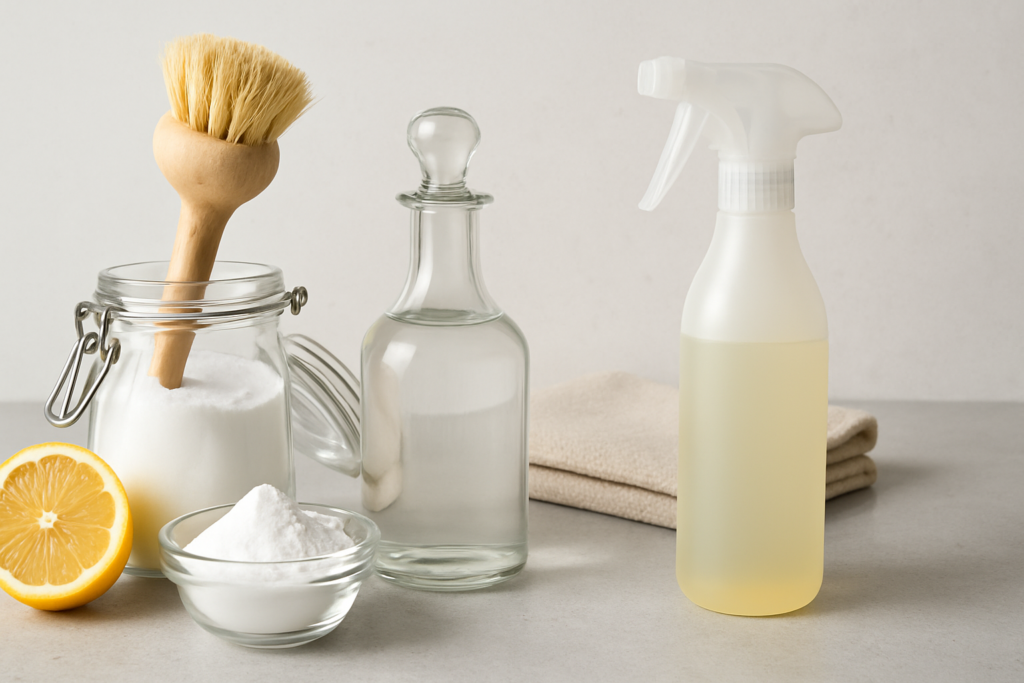
This is the classic natural cleaning combo that works surprisingly well on grout. You’ll need baking soda, white vinegar, warm water, and a good scrub brush. Start by making a paste with three parts baking soda to one part water. The consistency should be thick enough to stick to vertical surfaces without dripping.
Apply the paste directly to your grout lines using your finger or an old toothbrush. Let it sit for about 10 minutes to penetrate the grime. Then spray or dab white vinegar over the baking soda paste. You’ll see it fizz and bubble, which is the chemical reaction working to lift dirt and stains.
After the fizzing subsides, scrub the grout lines with a stiff-bristled brush. A grout cleaning brush with angled bristles makes this job much easier than trying to manage with a regular toothbrush, especially if you’re covering a large floor area.

Grout Cleaning Brush Kit
These specialized brushes have stiff bristles designed to fit into grout lines without damaging surrounding tile.
Rinse thoroughly with warm water and wipe clean with a microfiber cloth. You might need to repeat the process on heavily soiled areas, but most grout will look noticeably brighter after just one treatment.
Hydrogen Peroxide for Stubborn Stains
When baking soda and vinegar aren’t quite cutting it, hydrogen peroxide is your next best option. It’s a mild oxidizer that breaks down organic stains without the harshness of chlorine bleach. You can find 3% hydrogen peroxide at any drugstore or grocery store.
For light cleaning, spray hydrogen peroxide directly onto grout lines and let it sit for 10-15 minutes before scrubbing. For tougher stains, make a paste using two parts baking soda to one part hydrogen peroxide. This creates a powerful but safe cleaning agent that tackles mildew, soap scum, and food stains effectively.
Apply the paste generously to stained grout and let it work for at least 15 minutes. The longer you let it sit (up to an hour for really stubborn areas), the better your results will be. Scrub with your grout brush and rinse clean with warm water.
Hydrogen peroxide is particularly effective in bathrooms where mildew tends to accumulate. Unlike bleach, it won’t release toxic fumes when it comes into contact with other cleaning products, making it safer for regular use.
Steam Cleaning for Deep Sanitization
A steam cleaner might be the best investment you make if you have a lot of tile in your home. Steam cleaning uses nothing but superheated water vapor to break down dirt, kill bacteria, and sanitize surfaces. There are zero chemicals involved, yet the results can be more impressive than traditional scrubbing.
The high temperature of steam (usually above 200°F) loosens grime that’s been embedded in porous grout for months or years. It also kills mold spores and bacteria on contact, which makes it ideal for kitchen backsplashes and bathroom floors where hygiene matters most.

Handheld Steam Cleaner
A handheld model gives you precision control for grout lines and comes with attachments specifically designed for tight spaces.
Most steam cleaners come with specialized nozzle attachments for grout lines. Hold the nozzle close to the grout and move slowly along each line, giving the steam time to penetrate. Follow behind with a microfiber cloth or scrub brush to wipe away the loosened dirt.
Steam cleaning does require an initial equipment investment, but you’ll use it for far more than just grout. The same tool cleans countertops, sanitizes cutting boards, refreshes upholstery, and tackles countless other household tasks without any cleaning products at all.
Oxygen Bleach as a Non-Toxic Alternative
Don’t confuse oxygen bleach with regular chlorine bleach. Oxygen bleach (sodium percarbonate) is a natural compound that releases hydrogen peroxide when mixed with water. It’s completely chlorine-free, produces no toxic fumes, and biodegrades safely.
Brands like OxiClean and similar oxygen bleach powders work exceptionally well on grout. Mix the powder with warm water according to package directions to create a cleaning solution. For general cleaning, mop or sponge the solution over your tile and grout, letting it sit for 15-20 minutes.
For targeted stain treatment, make a thicker paste and apply it directly to discolored grout lines. The oxygen bleach will brighten white and light-colored grout without the yellowing effect that chlorine bleach can cause over time.
This method works particularly well on kitchen floors where food and grease build up. The oxygen bleach cuts through organic matter effectively while being safe enough that you don’t need to evacuate the room or wear protective gear while using it.
Prevention Tips to Keep Grout Clean Longer
Once you’ve invested the effort to get your grout clean, you’ll want to keep it that way. Regular maintenance makes a huge difference and reduces how often you need to do deep cleaning.
Seal your grout after cleaning it thoroughly. A quality grout sealer creates a protective barrier that prevents dirt, liquids, and stains from penetrating the porous surface. You’ll need to reapply sealer every 6-12 months depending on traffic and use, but it dramatically reduces how much grime accumulates.
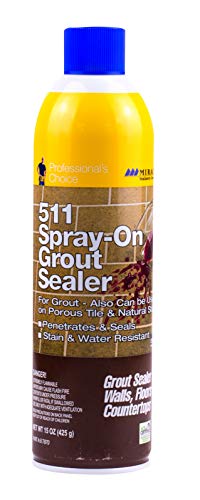
Grout Sealer
Sealing your grout after cleaning creates a protective barrier that makes future cleaning sessions much easier.
Wipe up spills immediately, especially in kitchens. Liquids can soak into unsealed grout within minutes, leaving behind stains that are much harder to remove later. Keep a spray bottle of diluted vinegar or hydrogen peroxide handy for quick spot cleaning between deep cleans.
In bathrooms, run the exhaust fan during and after showers to reduce humidity and moisture accumulation. Mildew thrives in damp conditions, so improving ventilation prevents growth before it starts. Squeegee shower walls after each use to remove standing water from both tile and grout.
For floors, sweep or vacuum regularly to remove abrasive dirt particles that get ground into grout lines with foot traffic. A quick weekly mopping with warm water and a splash of vinegar keeps grime from building up to the point where you need aggressive scrubbing.
Tools That Make the Job Easier
Having the right tools transforms grout cleaning from a dreaded chore to a manageable task. Beyond the brushes already mentioned, consider adding a few specialized items to your cleaning arsenal.
An old electric toothbrush can be surprisingly effective for small areas like shower corners or backsplash edges. The motorized bristles do the scrubbing work for you, saving your wrist and elbow from repetitive stress. Just dedicate one to cleaning duty rather than using it for teeth afterward.
Microfiber cloths are essential for the rinsing and wiping stages. They’re more absorbent than regular rags and don’t leave lint behind. Keep several on hand so you can use fresh ones as they get saturated with dirty water.
For large floor areas, a deck brush with a long handle lets you scrub while standing up, which saves your knees and back. Look for one with stiff nylon bristles that can handle the pressure needed to clean grout without scratching your tile.
Spray bottles make applying cleaning solutions much easier and help you control how much product you’re using. Label them clearly if you’re keeping multiple solutions on hand for different purposes.
Frequently Asked Questions
How often should I deep clean my grout?
For most homes, deep cleaning grout every 3-4 months keeps it looking good. High-traffic areas like kitchen floors or master bathroom showers might need attention every 6-8 weeks. Sealed grout requires less frequent deep cleaning since it resists staining better.
Can I use lemon juice instead of vinegar?
Yes, lemon juice works similarly to vinegar because it’s also acidic. It smells more pleasant and has natural antibacterial properties. However, lemon juice is more expensive for large jobs, so most people reserve it for small areas or when the vinegar smell bothers them.
Will natural methods work on really old, discolored grout?
Natural methods can significantly improve old grout, but deeply ingrained stains that have been there for years might not come out completely. Steam cleaning tends to work best on older, set-in stains. In extreme cases, you might need to apply a fresh layer of grout or use a grout paint to restore the appearance.
Is it safe to mix different natural cleaners?
Never mix vinegar with hydrogen peroxide or oxygen bleach, as this creates peracetic acid, which can be irritating. You can safely use baking soda with either vinegar or hydrogen peroxide, just not at the same time. Stick to one cleaning method per session, and rinse thoroughly before trying a different approach.
This article contains affiliate links. We may earn a small commission at no extra cost to you.