Moving into a new home is exciting, but before you start arranging furniture and unpacking boxes, there’s one crucial step that will make your life infinitely easier: a thorough deep clean. An empty house gives you the perfect opportunity to reach every corner, nook, and cranny that you’ll never access again once your belongings are in place.
This isn’t your typical surface cleaning routine. We’re talking about tackling areas that previous owners might have missed for years, from the inside of kitchen cabinets to air vents that haven’t been touched since installation. Taking the time to deep clean before unpacking means you’ll be placing your belongings in a truly fresh, sanitized space.
Essential Supplies for Your Move-In Clean
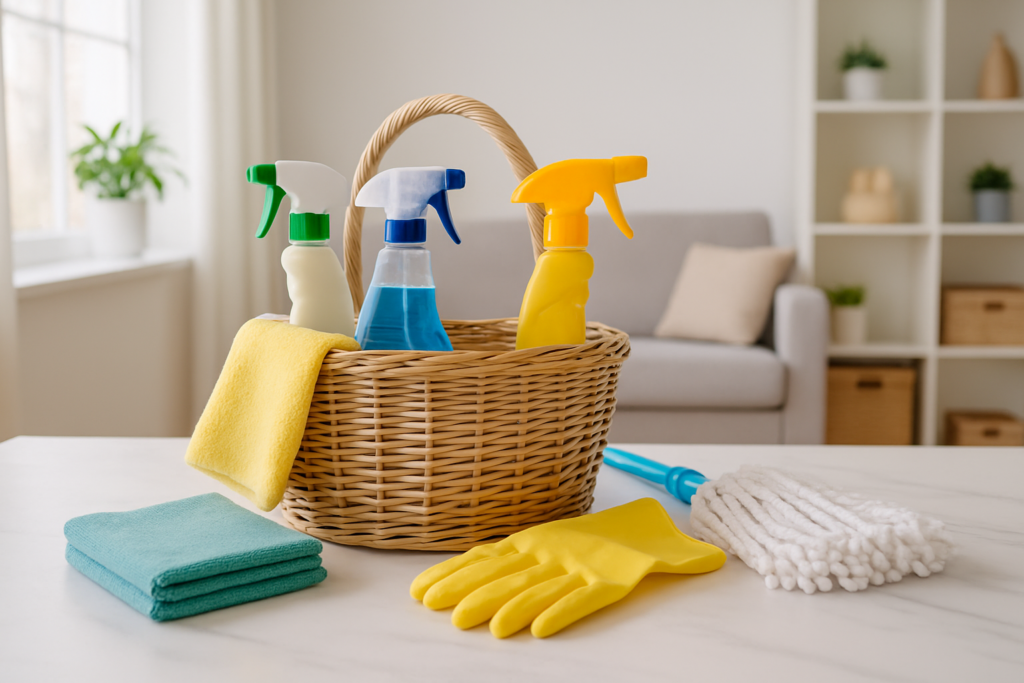
Before diving into the cleaning process, gather the right supplies to tackle every surface and area effectively. You’ll need both general cleaning products and specialized tools for those hard-to-reach spots.
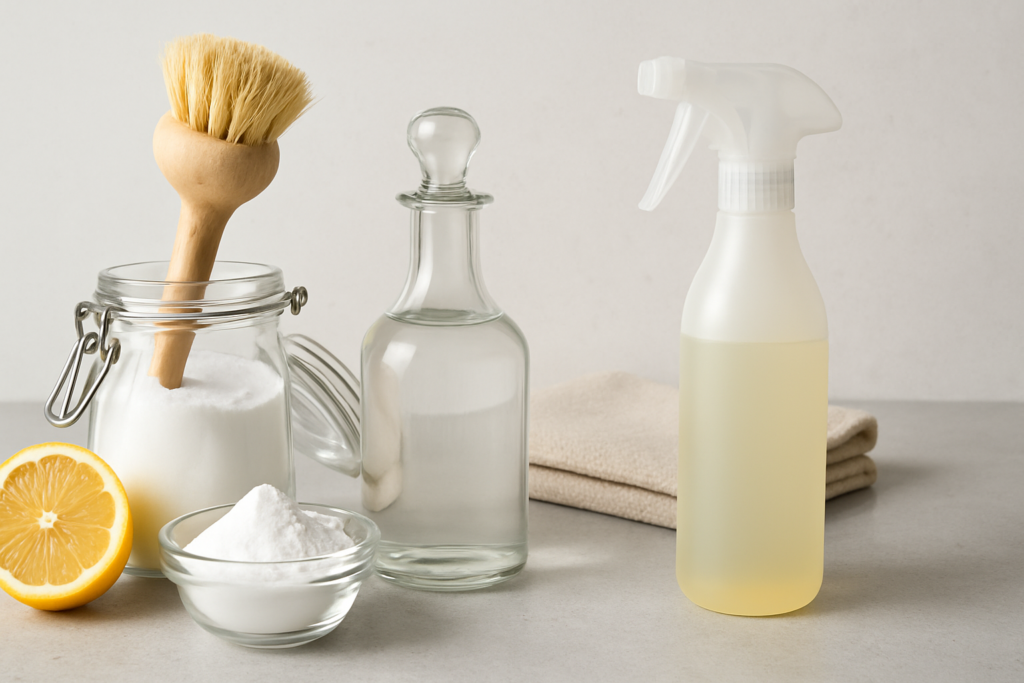
Start with the basics: all-purpose cleaner, microfiber cloths, and a reliable vacuum cleaner. For deeper cleaning tasks, you’ll want degreasing cleaner, disinfectant wipes, and a good scrub brush set.
Extendable Microfiber Duster
Essential for reaching high ceiling fans, light fixtures, and air vents without a ladder
Don’t forget specialized items for often-missed areas: air vent cleaning brushes, cabinet liner paper, and light bulb cleaning cloths. Having everything ready before you start will keep you moving efficiently through your checklist.
Room-by-Room Deep Cleaning Priority
Kitchen: The Heart of Your Home (3-4 hours)
The kitchen requires the most attention since it involves food preparation and storage. Start with the appliances, even if they look clean on the surface. Pull out the refrigerator and clean behind and underneath it. Wipe down all interior surfaces, including shelves, drawers, and door seals.
Clean inside every cabinet and drawer, paying special attention to corners where crumbs and sticky residue accumulate. Many people skip the tops of upper cabinets, but dust and grease collect there heavily. Remove all cabinet hardware and clean both the hardware and the areas underneath.
The inside of the dishwasher needs attention too. Run an empty cycle with dishwasher cleaner to remove built-up soap scum and mineral deposits. Don’t forget to clean the garbage disposal and replace the water filter if your refrigerator has one.
Bathrooms: Deep Sanitization Required (2-3 hours per bathroom)
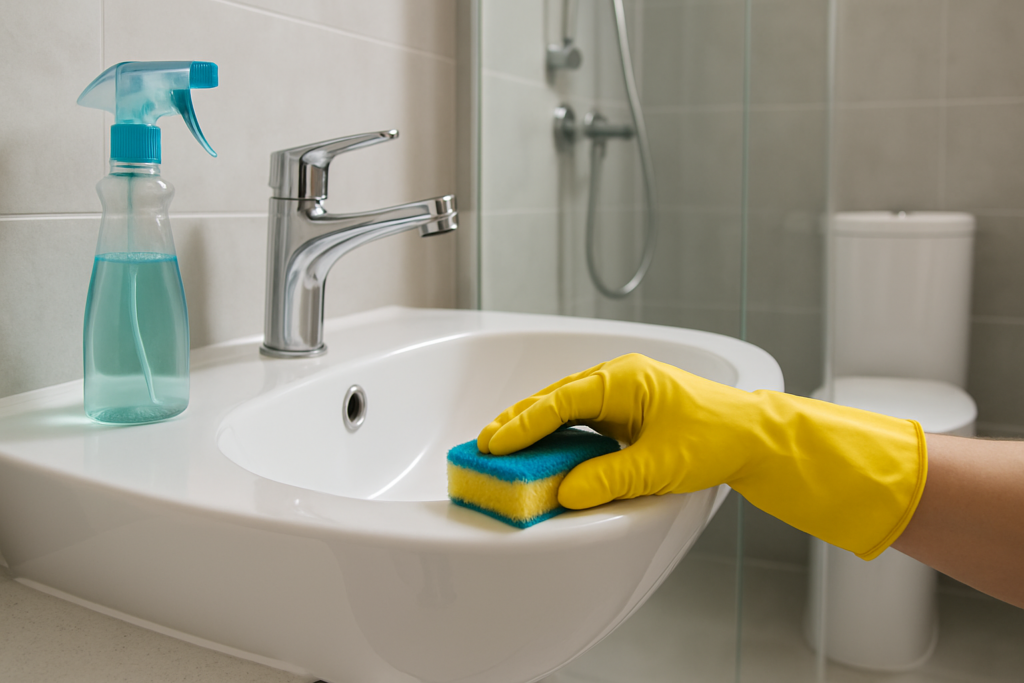
Bathrooms harbor bacteria and mold in places you might not expect. Remove all toilet hardware and clean thoroughly, including the bolts and the area behind the toilet base. Clean inside medicine cabinets and vanity drawers, then line them with fresh drawer liner.
Check all caulking around tubs, showers, and sinks. If you notice discoloration or mold, consider having it professionally replaced before you move in. Clean all light fixtures and replace bulbs as needed. Bathroom exhaust fans often contain years of dust buildup, so remove the cover and clean the fan blades thoroughly.
Grout Cleaning Brush Set
Perfect for deep cleaning tile grout and reaching tight corners around fixtures
Bedrooms and Living Areas: Hidden Dust Magnets (2 hours per room)
Even empty rooms contain surprising amounts of dust and debris. Start by cleaning all light fixtures, including lampshades and bulbs. Dust ceiling fans thoroughly, both the blades and the motor housing.
Clean all window treatments, whether they’re staying or going. If blinds are remaining, clean each slat individually. Wipe down all baseboards, door frames, and window sills. These areas often show scuff marks and accumulated grime from the previous occupants.
Check all electrical outlets and light switches. Remove the cover plates and clean both the covers and the areas around the electrical boxes. Replace any damaged or discolored outlet covers while everything is empty.
Often-Missed Areas That Make a Big Difference
Air Vents and HVAC Components
Air vents are dust collectors that directly affect your indoor air quality. Remove all vent covers and wash them thoroughly in warm soapy water. Use a flexible vent cleaning brush to reach into the ductwork as far as possible.
Replace all air filters before you move in, even if they look relatively clean. This is also an excellent time to have your HVAC system professionally serviced if it hasn’t been done recently. Clean around the exterior HVAC unit and remove any debris from the surrounding area.
Inside Built-In Storage
Closets, pantries, and built-in storage areas need thorough cleaning since you’ll be placing your belongings directly inside them. Remove all shelving if possible and clean each piece individually. Vacuum all corners and crevices where dust and debris accumulate.
Check for signs of pests or water damage in these enclosed spaces. Clean all closet rods and hardware. This is the perfect time to install fresh shelf liner in pantries and storage areas.
Light Fixtures and Ceiling Fans
Light fixtures collect dead bugs, dust, and cooking grease over time. Remove all glass globes and wash them in warm soapy water. Clean light bulbs with a dry cloth, and replace any that are burned out or dim.
Ceiling fans require special attention since their blades can harbor pounds of dust. Clean the top and bottom of each blade, the motor housing, and any pull chains or remote controls. Consider this an opportunity to upgrade to more energy-efficient LED bulbs throughout the house.
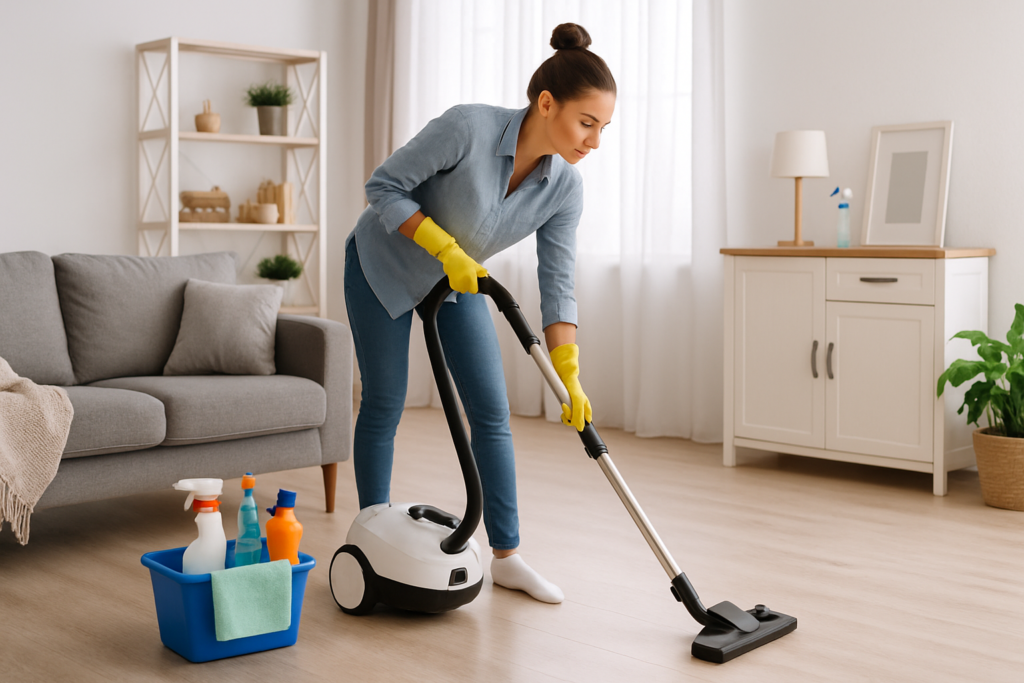
HEPA Vacuum with Attachments
Ideal for capturing fine dust and allergens from air vents, baseboards, and tight spaces
Time-Saving Cleaning Schedule
Day 1: Major Systems and Appliances (6-8 hours)
Focus on the biggest tasks first when your energy is highest. Clean all appliances, HVAC components, and light fixtures. These tasks require the most physical effort and attention to detail.
Start early in the morning and work systematically through each room’s major components. Don’t try to complete entire rooms in one day. Instead, focus on similar tasks throughout the house to maintain momentum and efficiency.
Day 2: Detailed Surface Cleaning (6-8 hours)
Tackle all surfaces, storage areas, and detail work. This includes inside cabinets, closets, baseboards, and window sills. Work from top to bottom in each room to avoid re-cleaning areas.
Save floor cleaning for the very end of each room. Use this day to install any new shelf liners, replace outlet covers, and handle small repairs that are easier to do while the house is empty.
Day 3: Final Touches and Deep Floor Care (4-6 hours)
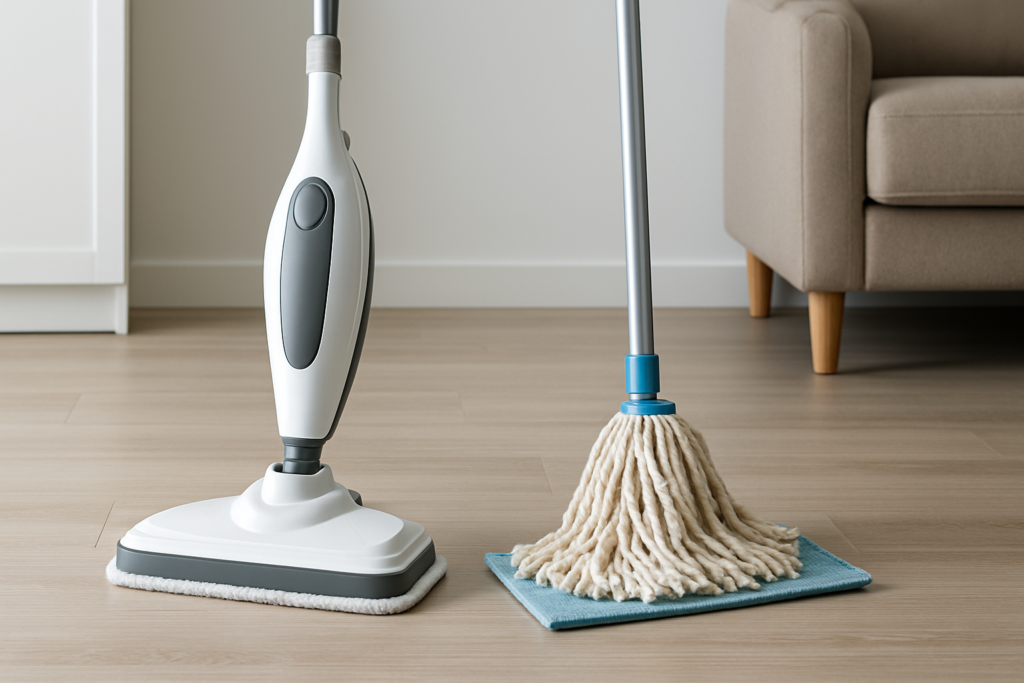
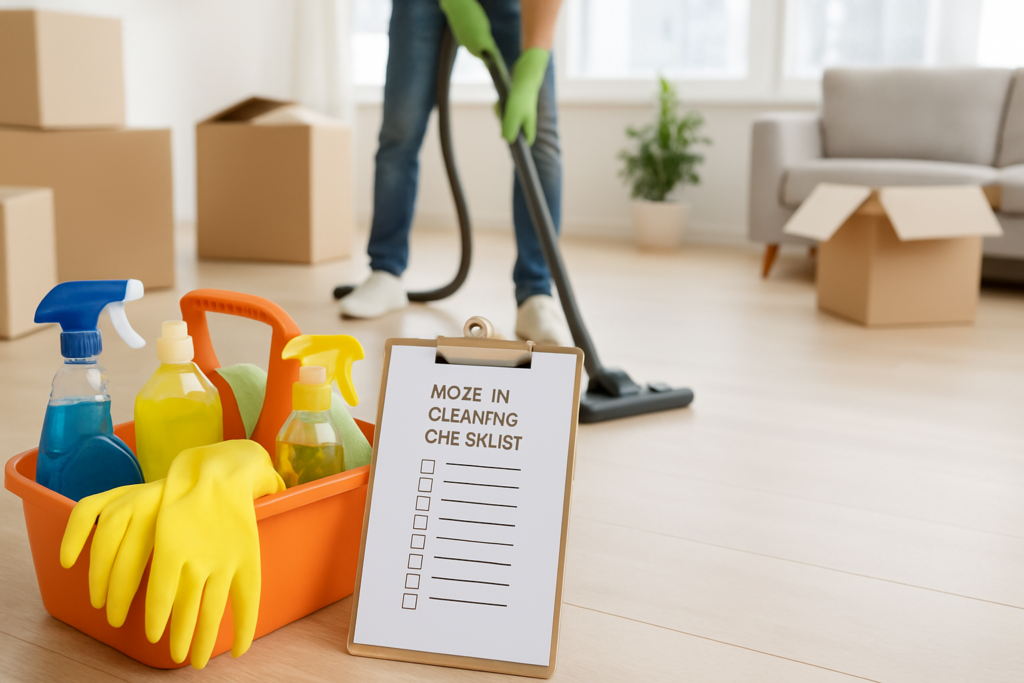
Focus entirely on flooring and final details. Steam clean carpets if needed, deep mop all hard surfaces, and touch up any areas you might have missed. This is also when you should do a final walkthrough with your checklist to ensure nothing was overlooked.
Consider having carpets professionally cleaned at this point, especially if they show wear or staining. It’s much easier to do this before your furniture arrives.
Pro Tips for Efficient Deep Cleaning
Work in sections rather than trying to complete entire rooms at once. This approach helps you maintain quality while staying organized. Keep a donation box handy for any items the previous owners left behind.
Take before and after photos of each room. This documentation can be helpful for insurance purposes and gives you a sense of accomplishment as you progress through the house.
Don’t overlook outdoor areas that you’ll use regularly. Clean porch lights, outdoor fixtures, and entry areas thoroughly. First impressions matter, and clean outdoor spaces set the tone for your entire home.
Consider hiring professionals for specialized tasks like carpet cleaning, window washing, or HVAC servicing. Your time might be better spent on tasks that only you can do, while professionals handle the equipment-intensive work.
When to Call in Professional Help
Some situations warrant professional intervention before you move in. If you notice any mold, extensive water damage, or pest infestations, address these issues immediately with qualified professionals.
HVAC cleaning and maintenance often require specialized equipment and expertise. Professional duct cleaning can improve air quality significantly, especially in older homes or those that housed pets.
Multi-Surface Steam Cleaner
Excellent for sanitizing bathrooms, kitchens, and hard floors without harsh chemicals
Window cleaning, especially for multi-story homes, is often safer and more effective when done professionally. The same applies to carpet cleaning if your new home has extensive carpeting that shows wear or staining.
Setting Up for Ongoing Maintenance
Use this deep cleaning opportunity to establish systems that will make ongoing maintenance easier. Install automatic air fresheners in bathrooms and closets, and set up cleaning supply stations in convenient locations.
Create a maintenance schedule for tasks like changing air filters, cleaning light fixtures, and deep cleaning appliances. Starting with a completely clean slate makes it easier to maintain high standards going forward.
Document any issues you discover during cleaning, such as loose fixtures, minor repairs needed, or areas that require special attention. This information will be valuable for future maintenance and improvements.
Frequently Asked Questions
How long should I plan for a complete move-in deep clean?
Plan for 2-3 full days for an average-sized home, depending on the condition and size of the property. Larger homes or those requiring extensive cleaning may need 4-5 days. Factor in additional time if you’re doing specialized tasks like carpet cleaning or HVAC maintenance.
Should I clean before or after the final walkthrough with my realtor?
Complete your deep cleaning after the final walkthrough and closing. This ensures you won’t need to re-clean areas that might be affected by any last-minute repairs or touch-ups the previous owners might need to complete.
What’s the most important area to focus on if I have limited time?
Prioritize the kitchen and bathrooms since these areas affect health and safety most directly. Focus on sanitizing all surfaces, cleaning appliances thoroughly, and ensuring proper ventilation. These rooms also tend to show dirt and neglect most obviously.
Do I need to clean areas that will be immediately covered by furniture?
Yes, clean all areas thoroughly even if they’ll be covered soon. Dust, allergens, and odors can affect air quality throughout your home. Plus, you’ll eventually need to move furniture for cleaning or rearranging, and you’ll appreciate having clean surfaces underneath.
This article contains affiliate links. We may earn a small commission at no extra cost to you.