Your vacuum cleaner might look clean on the outside, but what’s really happening with the air it’s sucking in and blowing back out? If you suffer from allergies, have pets, or simply want cleaner indoor air, the filter in your vacuum makes all the difference. Not all filters are created equal, and understanding HEPA technology could transform how effectively your vacuum actually cleans your home.
Most people focus on suction power and attachments when buying a vacuum, but the filtration system determines whether you’re truly removing allergens and microscopic particles or just moving them around. Let’s break down everything you need to know about HEPA filters and why your next vacuum should definitely have one.
What Exactly Are HEPA Filters?
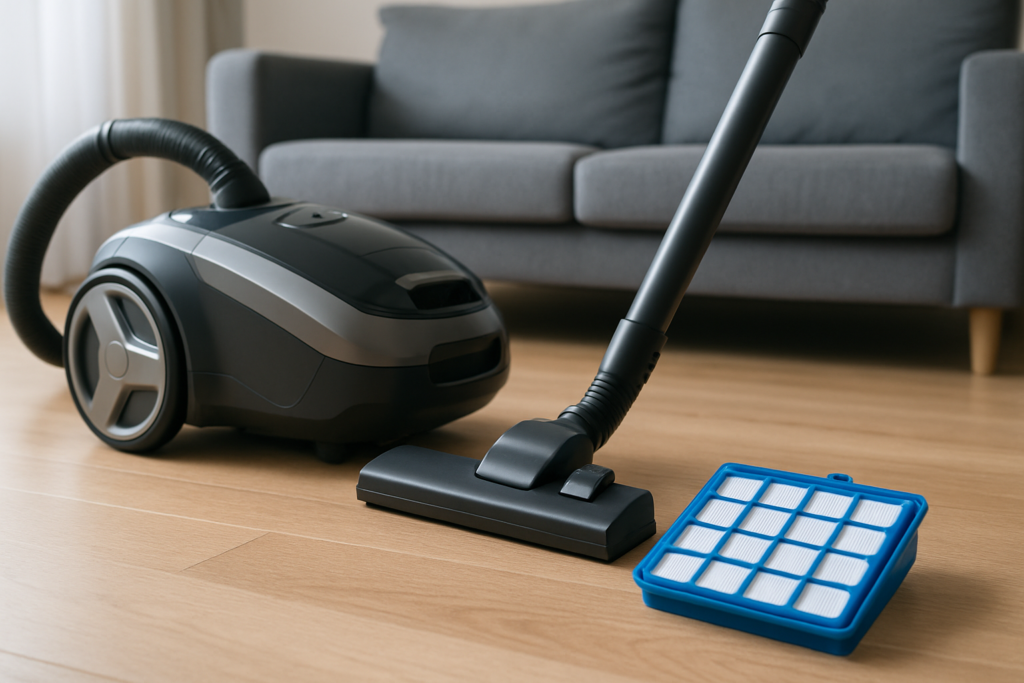
HEPA stands for High Efficiency Particulate Air, and these filters must meet strict standards set by the Department of Energy. A true HEPA filter captures 99.97% of particles that are 0.3 microns or larger. To put that in perspective, that’s about 300 times smaller than the width of a human hair.
The magic happens through a dense mat of randomly arranged fibers that trap particles through three different mechanisms: impaction, interception, and diffusion. Large particles get stuck when they hit the fibers directly. Medium particles get caught when they pass close enough to be grabbed. Tiny particles bounce around and eventually stick to the fibers.
This technology was originally developed during World War II to prevent radioactive particles from escaping nuclear facilities. Today, you’ll find HEPA filters in hospitals, clean rooms, and increasingly in home vacuum cleaners.
True HEPA vs HEPA-Type: Don’t Get Fooled
Here’s where manufacturers get sneaky with their marketing. You’ll see terms like “HEPA-type,” “HEPA-style,” or “HEPA-like” on vacuum boxes. These are not the same thing as true HEPA filters.
True HEPA filters are independently tested and certified to meet the 99.97% efficiency standard. HEPA-type filters might capture anywhere from 85% to 95% of particles, which sounds good but makes a significant difference for allergy sufferers.
Look for certifications from organizations like UL (Underwriters Laboratories) or check if the manufacturer provides actual test data. Reputable brands like Miele, Dyson, and Shark Navigator models use genuine HEPA filtration.
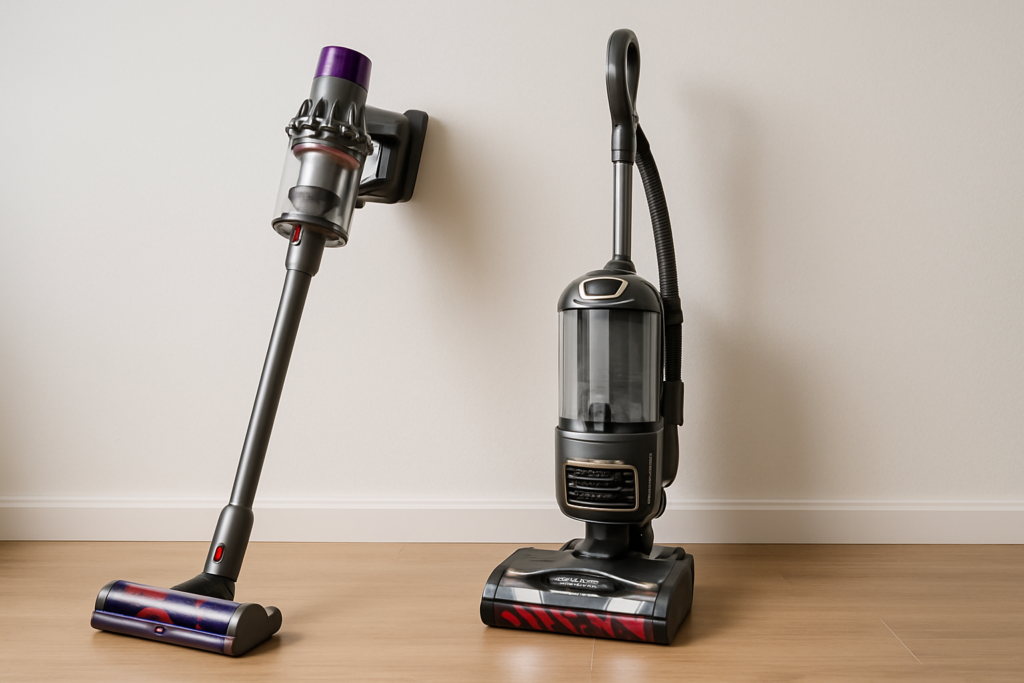
Shark Navigator Lift-Away Professional
Excellent value vacuum with certified HEPA filtration and reliable performance.
Why Your Home Needs HEPA Filtration
The benefits go far beyond just picking up visible dirt and debris. HEPA filters capture the microscopic nasties that trigger allergies and respiratory issues.
Allergen Control
Dust mites, pet dander, and pollen particles are typically between 0.5 and 50 microns in size. A true HEPA filter catches virtually all of these allergens, preventing them from recirculating through your home’s air. This is especially important during cleaning when you’re stirring up settled particles.
Pet Owner Benefits
Pet dander particles are incredibly small and sticky, often clinging to fabrics and surfaces long after your pet has left the room. Regular vacuum filters let much of this dander pass right through and back into your living space. HEPA filtration ensures these proteins get trapped and removed.
Improved Indoor Air Quality
Your vacuum essentially acts as an air purifier while you clean. With HEPA filtration, you’re removing bacteria, some viruses, and even tobacco smoke particles from your environment. This creates noticeably cleaner, fresher air throughout your home.
Miele Complete C3 Marin Canister Vacuum
Premium option with exceptional HEPA filtration and German engineering for long-lasting performance.
Choosing the Right HEPA Vacuum
Not all HEPA vacuums perform equally. Here are the key factors to consider when shopping.
Sealed System Design
Having a HEPA filter doesn’t help if air can leak around it. Look for vacuums with sealed systems that force all air through the HEPA filter before exiting the machine. Many budget vacuums have gaps and leaks that let unfiltered air escape.
Pre-Filtration Matters
The best HEPA vacuum systems use multiple stages of filtration. A pre-filter captures larger debris before it reaches the HEPA filter, extending its life and maintaining performance. Some models include washable pre-filters that save money over time.
Filter Placement
In upright vacuums, look for HEPA filters positioned after the motor rather than before it. This ensures all air blown by the motor gets filtered. Canister vacuums typically have better filter placement since the motor and filter are in the main unit.
Maintenance and Replacement Guidelines
HEPA filters require regular attention to maintain their effectiveness. Here’s what you need to know for different vacuum types.
Replacement Schedules by Brand
Dyson recommends replacing HEPA filters every 12 months with regular use. Their filters aren’t washable despite what some online guides suggest. Replacement Dyson HEPA filters are readily available.
Shark HEPA filters should be replaced every 6-8 months depending on usage. Some Shark models have washable foam pre-filters that should be cleaned monthly.
Miele HEPA filters typically last 12-18 months. Their AirClean sealed system includes multiple filter stages, and Miele replacement filters are model-specific.
Signs Your HEPA Filter Needs Replacement
Reduced suction power is the most obvious indicator. You might also notice dust or odors coming from the vacuum exhaust, or visible dirt accumulation on the filter surface. Never attempt to wash a non-washable HEPA filter, as this destroys the fiber structure.
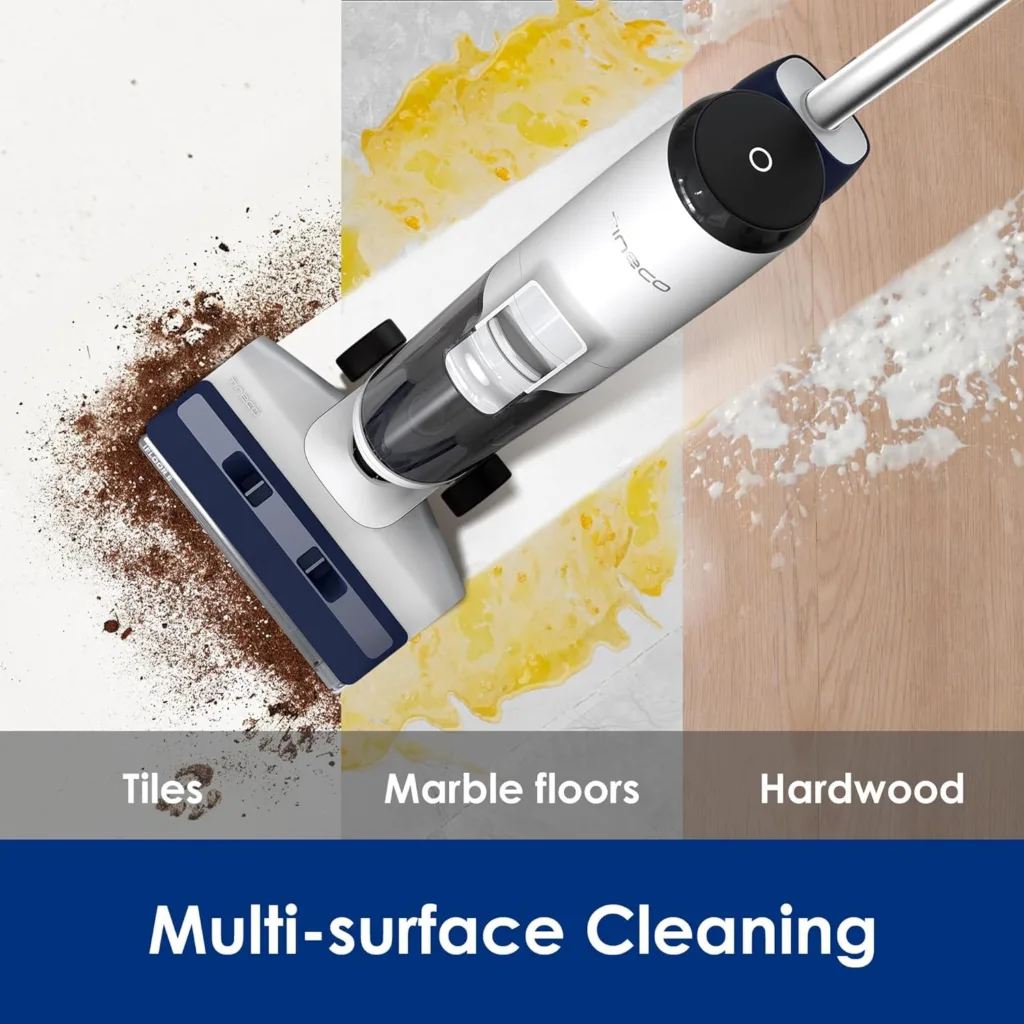
Bissell CrossWave Pet Pro All-in-One Wet Dry Vacuum
Unique wet-dry option with HEPA filtration for homes that need both vacuuming and mopping capabilities.
Installation and Care Tips
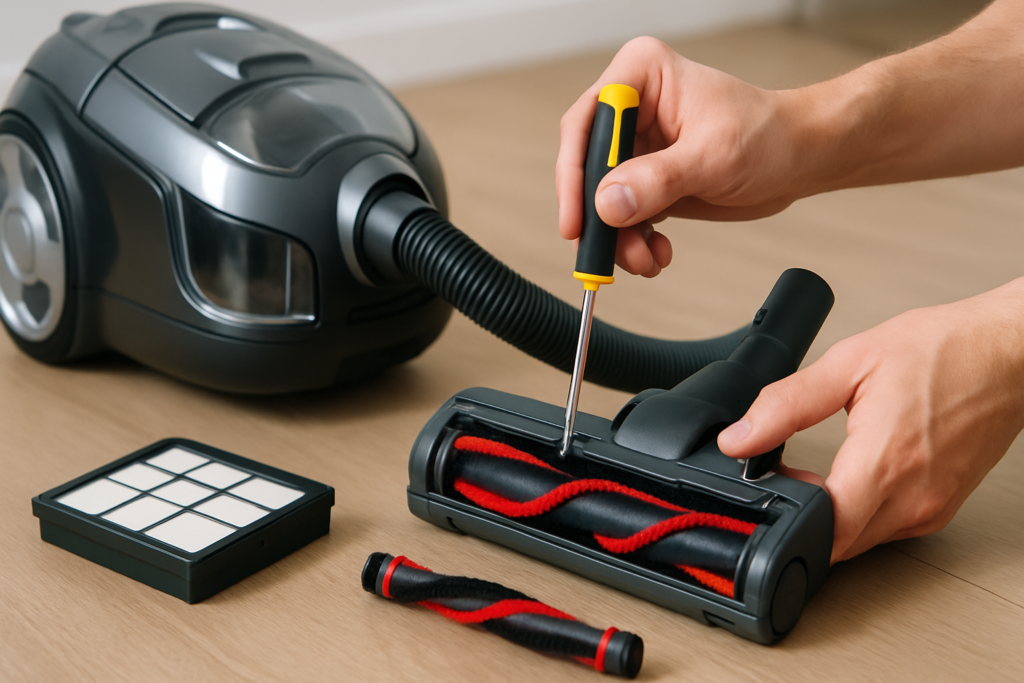
Proper installation ensures maximum effectiveness from your HEPA filter. Always check that filters are seated correctly with no gaps around the edges. Replace any damaged gaskets or seals that could allow air to bypass the filter.
Store replacement filters in their original packaging until use. Exposure to humidity can damage the filter material. When removing old filters, do it outdoors or in a well-ventilated area to avoid releasing trapped particles back into your home.
Clean the filter housing with a damp cloth before installing a new HEPA filter. Any debris or buildup in the housing can prevent proper sealing and reduce filtration efficiency.
Frequently Asked Questions
Can I wash my HEPA filter to extend its life?
Most HEPA filters are not washable. The dense fiber structure breaks down when wet, destroying the filtration capability. Only wash HEPA filters if the manufacturer explicitly states they’re washable. When in doubt, replace rather than wash.
How do I know if my vacuum actually has true HEPA filtration?
Check the product specifications for certification numbers or test data showing 99.97% efficiency at 0.3 microns. Avoid vacuums that only claim “HEPA-type” or “HEPA-style” filtration. Reputable manufacturers clearly state when they use certified HEPA filters.
Do bagless vacuums work well with HEPA filters?
Bagless vacuums can work effectively with HEPA filters, but they require more maintenance. You’ll need to empty the dirt cup more frequently and clean pre-filters regularly. Bagged vacuums often provide better overall filtration since the bag acts as an additional filter stage.
This article contains affiliate links. We may earn a small commission at no extra cost to you.