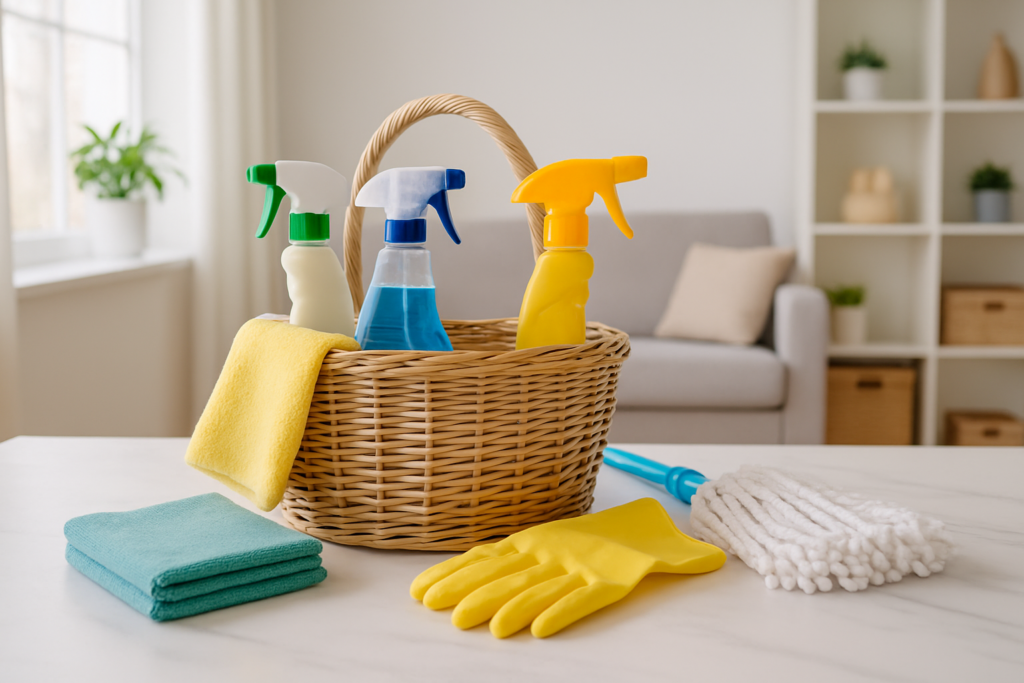
The cleaning aisle at your local grocery store tells quite a story. Eco-friendly products that once occupied a tiny corner shelf now dominate entire sections, promising to clean your home without harming the planet. But here’s what many people wonder: do these green alternatives actually work as well as the chemical-heavy cleaners we grew up with?
After testing dozens of eco-friendly cleaning products and comparing them head-to-head with traditional cleaners, I can tell you the answer isn’t always what you’d expect. Some green products outperform their conventional counterparts, while others fall short. The key is knowing which ones deliver on their promises and understanding how to maximize their effectiveness.
Commercial Eco-Friendly Brands That Actually Deliver
Let’s start with the heavy hitters in the green cleaning space. Method has built a reputation for products that smell amazing and clean effectively. Their all-purpose cleaner handles everyday messes beautifully, though it struggles with heavy grease buildup.
Seventh Generation takes a more serious approach to green cleaning. Their dish soap cuts through grease surprisingly well, and their laundry detergent performs comparably to mainstream brands in most situations. The scents are subtle, which some people love and others find underwhelming.
Ecover Zero Dish Soap
Fragrance-free formula that’s tough on grease but gentle on sensitive skin
Mrs. Meyer’s occupies an interesting middle ground. While not as environmentally strict as some brands, their products work exceptionally well. The multi-surface cleaner handles sticky spills and soap scum with ease, and the seasonal scents make cleaning almost enjoyable.
For serious cleaning power, Branch Basics deserves attention. Their concentrate system lets you mix different strengths for various tasks. The all-in-one formula replaces multiple cleaners, though the initial investment is higher than traditional products.
DIY Green Cleaning Solutions That Work
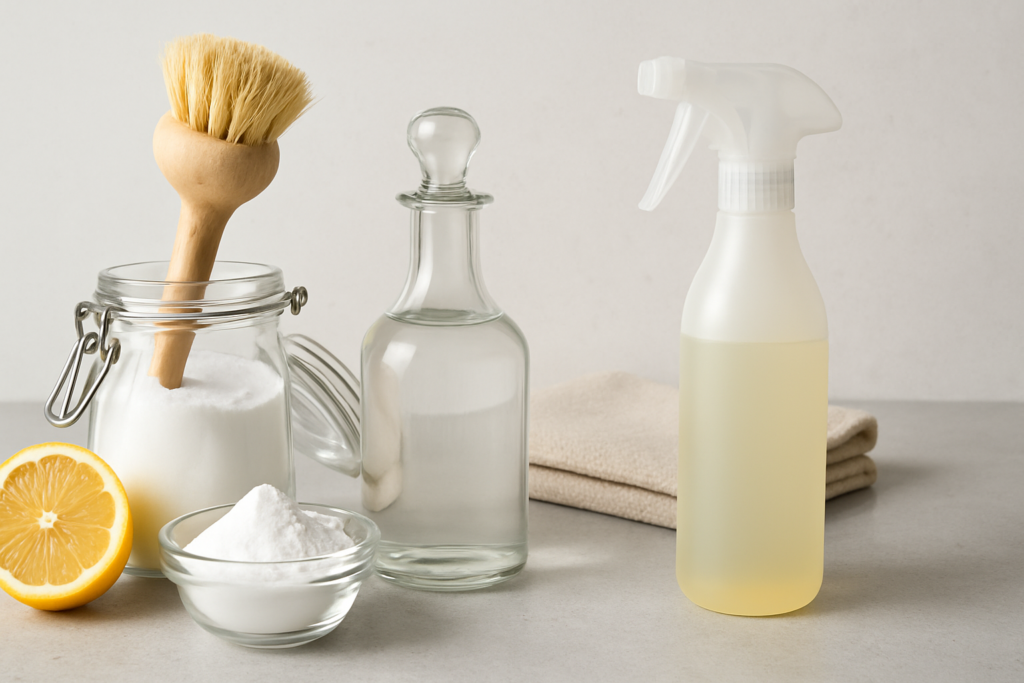
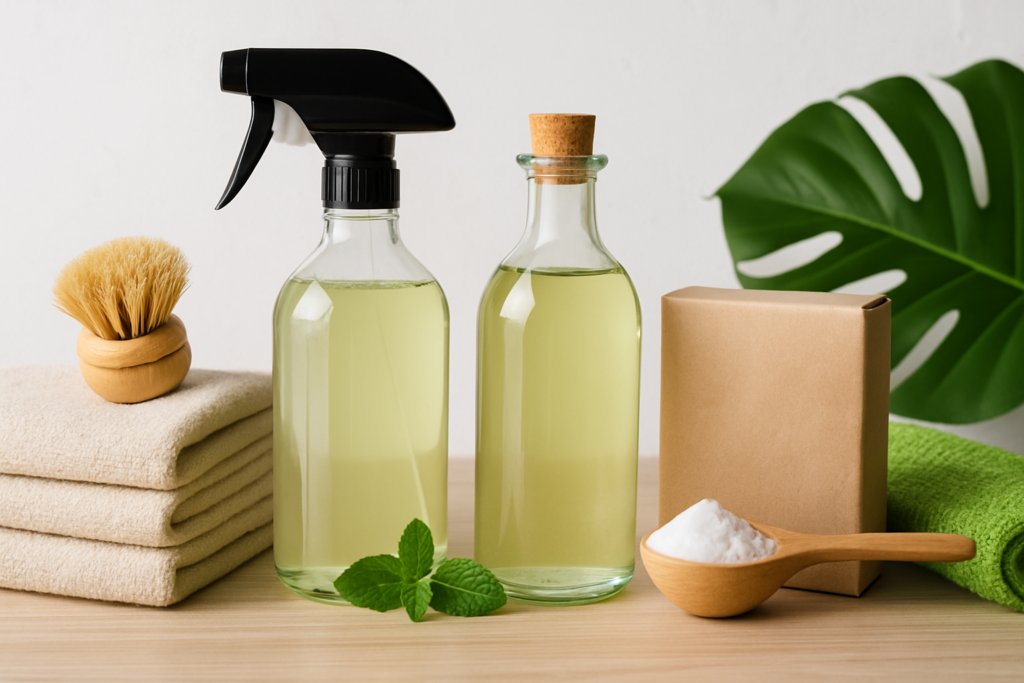
Sometimes the most effective green cleaners come from your pantry. White vinegar mixed with water creates an excellent glass cleaner that leaves no streaks. Use a 1:1 ratio for windows and mirrors, but avoid using it on natural stone surfaces like marble or granite.
Baking soda paste tackles tough stains and odors better than many commercial products. Mix three parts baking soda with one part water to create a paste that works wonders on bathtub rings, oven spills, and carpet stains. Let it sit for 15 minutes before scrubbing for best results.
Castile soap serves as the foundation for numerous homemade cleaners. Dr. Bronner’s is the most widely available brand, and a little goes a long way. Mix 1/4 cup with a gallon of warm water for an effective floor cleaner that works on hardwood, tile, and laminate.
Dr Bronners Pure Castile Soap
Versatile concentrate that forms the base for dozens of homemade cleaning recipes
Essential oils aren’t just for scent. Tea tree oil has natural antimicrobial properties, while lemon oil helps cut through grease. Add 10-15 drops to your homemade cleaners for both fragrance and additional cleaning power.
How Green Cleaners Stack Up Against Traditional Products
In head-to-head comparisons, eco-friendly cleaners excel in certain areas while struggling in others. For everyday cleaning tasks like wiping counters, cleaning glass, and mopping floors, green products perform just as well as conventional cleaners. The difference becomes apparent with heavy-duty jobs.
Traditional oven cleaners contain harsh chemicals that dissolve baked-on grease in minutes. Green alternatives require more time and elbow grease but eventually achieve similar results. You might need to apply the cleaner, wait 30 minutes, then scrub and reapply.
Disinfection presents another challenge. While green cleaners excel at removing dirt and grime, true disinfection requires specific ingredients. Some eco-friendly brands use hydrogen peroxide or citric acid for antimicrobial action, but the kill rates might be slower than bleach-based products.
Laundry represents one area where green products truly shine. Modern eco-friendly detergents handle normal soil loads as effectively as traditional detergents. They’re particularly good at preserving fabric colors and reducing skin irritation for sensitive individuals.
Environmental Benefits Beyond the Obvious
The environmental advantages of green cleaning extend far beyond eliminating harsh chemicals. Manufacturing eco-friendly products typically requires less energy and generates fewer toxic byproducts. The concentrated formulas also reduce packaging waste and transportation emissions.
Indoor air quality improves dramatically when you switch to green cleaners. Traditional products release volatile organic compounds (VOCs) that can trigger respiratory issues and headaches. Green alternatives use plant-based ingredients that don’t off-gas harmful chemicals into your living space.
Water contamination decreases significantly with eco-friendly products. When you rinse conventional cleaners down the drain, those chemicals eventually reach waterways where they can harm aquatic life. Plant-based cleaners biodegrade naturally without accumulating in the environment.
Blueland Cleaning Tablets
Refillable system that eliminates plastic waste while delivering effective cleaning power
Packaging innovation in the green cleaning space leads the industry. Brands like Blueland offer tablet refills that eliminate plastic bottles entirely. Others use recycled plastic or aluminum containers that have a much lower environmental footprint than traditional packaging.
Busting Common Green Cleaning Myths
One persistent myth claims that green cleaners don’t kill germs effectively. While this was true for early eco-friendly products, modern formulations use ingredients like hydrogen peroxide and thymol that provide excellent antimicrobial action. The EPA maintains a list of green disinfectants that meet their efficacy standards.
Another misconception suggests that homemade cleaners are automatically safer than commercial products. Mixing the wrong ingredients can create dangerous reactions. Never combine vinegar with hydrogen peroxide or bleach with any other cleaner, regardless of whether they’re labeled as natural.
Some people believe green products cost significantly more than traditional cleaners. While the upfront price might be higher, concentrated formulas often provide more cleaning power per dollar. When you factor in the health and environmental benefits, the true cost comparison favors eco-friendly options.
The idea that green cleaners require more scrubbing isn’t entirely false, but it’s overblown. For regular maintenance cleaning, they work just as efficiently as conventional products. Only heavily soiled surfaces might require additional effort or longer contact time.
Frequently Asked Questions
Do eco-friendly cleaners expire faster than traditional products?
Most green cleaning products have similar shelf lives to conventional cleaners, typically 1-2 years when stored properly. Products without synthetic preservatives might have slightly shorter lifespans, but the difference is usually measured in months, not weeks. Check expiration dates and store products in cool, dry places for maximum longevity.
Can I use green cleaners if someone in my household has severe allergies?
Green cleaners are generally better for people with chemical sensitivities, but natural doesn’t always mean allergen-free. Essential oils, plant extracts, and even citrus-based ingredients can trigger reactions in sensitive individuals. Look for fragrance-free formulations and test new products in small areas first.
Are green cleaning products safe around pets and children?
Eco-friendly cleaners typically pose fewer risks than conventional products, but they still require proper handling. Many green products use concentrated formulas that can cause irritation if ingested or splashed in eyes. Store all cleaning products safely and read labels carefully, as “natural” ingredients can still be harmful in large quantities.
The green cleaning revolution isn’t just about following trends or feeling good about your environmental impact. These products have evolved to deliver real cleaning power while protecting your health and the planet. By choosing the right combination of commercial eco-friendly products and effective homemade solutions, you can maintain a spotless home without compromising your values or effectiveness.
This article contains affiliate links. We may earn a small commission at no extra cost to you.