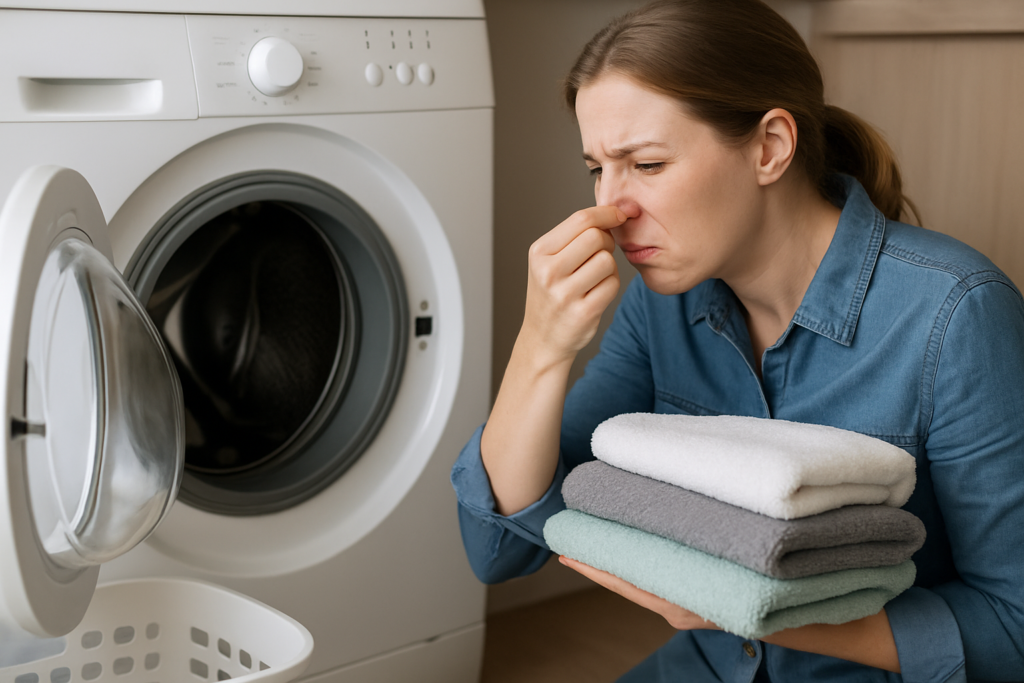
You open your washing machine expecting fresh, clean laundry and instead get hit with a musty, moldy smell that makes you gag. That odor doesn’t just stay in the machine either. It transfers to your clothes, your towels, and pretty much everything you wash. This is one of the most common washing machine problems, and the good news is that it’s fixable with some basic maintenance.
Understanding where these smells come from and how to eliminate them will save you from rewashing loads of laundry and potentially expensive repairs down the line. Let’s break down exactly why your washing machine smells and what you can do about it.
The Main Causes of Washing Machine Odors
Most washing machine smells come from bacterial and mold growth inside the machine. Front-load washers are particularly vulnerable because their door seals create the perfect environment for moisture to get trapped. But top-loaders aren’t immune either.
The culprits are usually hiding in a few key areas. The rubber door gasket on front-loaders collects water, detergent residue, hair, and fabric fibers. This damp environment is a breeding ground for mold and mildew. You might notice black spots or a slimy film when you pull back the rubber seal.
Your detergent drawer is another common problem area. Liquid detergent and fabric softener leave behind sticky residues that trap moisture and grow bacteria. Many people never think to clean this compartment, letting buildup accumulate for months or even years.
The drain pump filter catches lint, coins, buttons, and other debris from your wash water. When this filter gets clogged, standing water sits there and turns foul. On some models, you’ll find this filter behind a small panel at the bottom front of the machine.
Front-Load vs. Top-Load Odor Issues
Front-load washers became popular because they use less water and energy, but their design creates moisture problems. The horizontal drum and airtight door seal mean water doesn’t evaporate as easily after a cycle finishes.
These machines also tend to use more suds-producing detergent formulas, which leave behind more residue. High-efficiency (HE) detergent helps, but many people still use too much.
Top-load washers, especially older models with agitators, generally have fewer odor issues because they drain more completely and air circulation is better. However, newer HE top-loaders with impellers can develop the same problems as front-loaders if you’re not careful about maintenance.
The Deep Clean Your Washing Machine Needs
Start by cleaning the rubber door seal on front-loaders. Pull back the gasket and wipe away any visible gunk with a cloth dampened with white vinegar or a diluted bleach solution (one part bleach to ten parts water). Get into all the folds and crevices where water pools.
Remove the detergent drawer completely and soak it in hot water with dish soap. Use an old toothbrush to scrub away buildup in the compartments. Don’t forget to clean the cavity where the drawer sits, as this area often has hidden mold growth.
Run a cleaning cycle using either a washing machine cleaner tablet or two cups of white vinegar. Set your machine to the hottest, longest cycle without any clothes inside. This flushes out the drum, hoses, and pump.

Affresh Washing Machine Cleaner Tablets
These tablets are specifically formulated to break down residue and eliminate odor-causing bacteria in all washer types
For persistent smells, follow the vinegar cycle with a second cycle using baking soda. Add half a cup directly to the drum and run another hot cycle. The combination of acidic vinegar followed by alkaline baking soda tackles different types of buildup and neutralizes odors.
Check your drain pump filter if your machine has one (consult your manual for location). Place towels on the floor because water will spill out when you open it. Unscrew the filter, clean off any debris, and rinse it thoroughly before replacing it.
Detergent Mistakes That Make Smells Worse
Using too much detergent is probably the biggest mistake people make. More soap doesn’t mean cleaner clothes. Excess detergent doesn’t rinse away completely and creates a sticky film that traps bacteria and smells.
High-efficiency washers need HE detergent, which produces fewer suds. Regular detergent in an HE machine causes over-sudsing, poor rinsing, and residue buildup. Check your detergent bottle and make sure it has the HE symbol if you own a modern washer.
Start with half the amount of detergent the bottle recommends. Detergent manufacturers tend to suggest more product than you actually need. Unless you’re washing extremely dirty items, a smaller amount works just fine and keeps your machine cleaner.
Liquid fabric softener is another culprit. It leaves behind waxy deposits that coat the drum and hoses. Consider switching to wool dryer balls or dryer sheets instead, which don’t affect your washing machine.
Prevention: Monthly Maintenance That Actually Works
Leave your washing machine door open between loads. This seems simple, but it makes a huge difference. Air circulation helps moisture evaporate instead of festering inside the drum and door seal. Keep the door propped open for at least a few hours after your last load of the day.
Wipe down the door seal after your final load. A quick pass with a dry cloth removes standing water and prevents mold from establishing itself. This takes 30 seconds and saves you from major cleaning sessions later.
Run a hot water cycle with vinegar or a cleaning tablet once a month. Think of it as preventive maintenance, like changing your car’s oil. Regular cleaning cycles prevent buildup from accumulating to the point where it causes noticeable odors.
Remove wet clothes immediately after the cycle ends. Leaving damp laundry sitting in the machine creates the perfect conditions for mildew growth, and that smell transfers quickly. Set a timer on your phone if you tend to forget about loads in progress.

White Vinegar
Buy it in gallon jugs for an economical cleaning solution that works as well as specialized products
When the Smell Might Mean a Real Problem
Sometimes persistent odors indicate mechanical issues rather than just cleanliness problems. A sulfur or rotten egg smell often points to bacteria in your water supply or problems with your home’s plumbing vent system.
Check if the smell is coming from your washing machine or your drain. Run water from a nearby sink or tub and see if you notice the same odor. If multiple drains smell bad, you might have a sewer gas issue that needs a plumber’s attention.
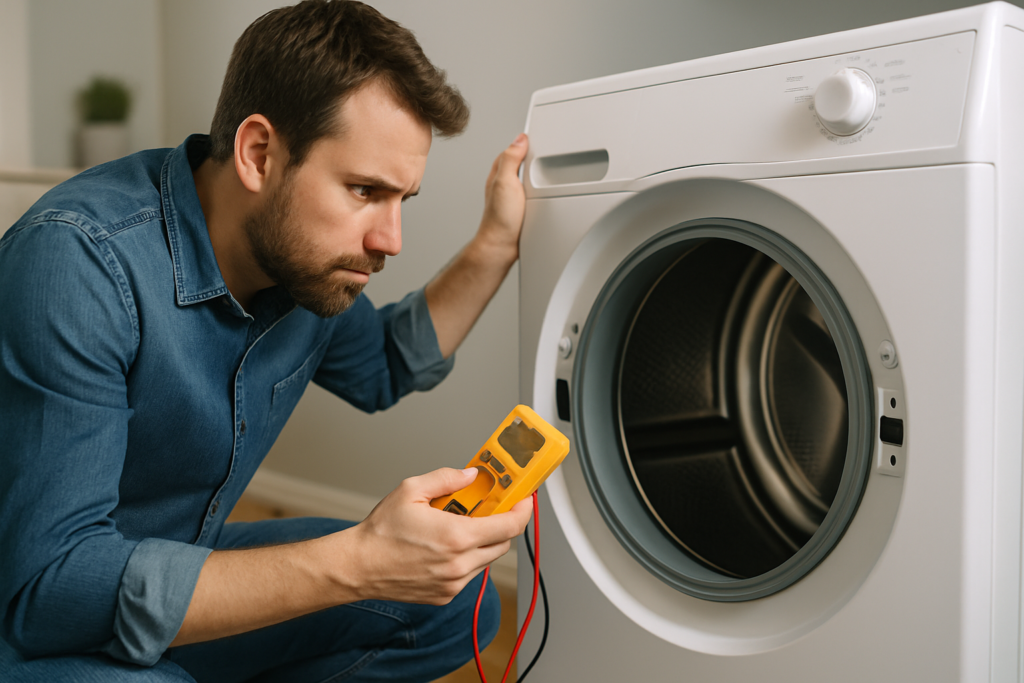
A burning smell during operation could mean the motor or belt is failing. Stop using the machine immediately and call for service. Electrical smells or visible smoke require professional diagnosis.
Standing water that won’t drain properly indicates a clogged pump, kinked drain hose, or failing pump motor. You might hear unusual grinding or humming sounds when the machine tries to drain. A replacement drain pump is relatively affordable if you’re comfortable with DIY repairs, but this job requires some disassembly.
Special Situations and Quick Fixes
Just moved into a place with a smelly washing machine? Run three cleaning cycles back to back before washing any clothes. Use bleach in the first cycle (if your machine allows it), vinegar in the second, and a commercial cleaner in the third. This aggressive approach resets a neglected machine.
Hard water makes odor problems worse by leaving mineral deposits that trap bacteria and soap scum. Installing a water softener or using a water softening additive in your wash helps prevent buildup.
For front-loaders with persistent gasket mold, you can remove and clean the entire boot seal. This requires disassembling the front panel, so check YouTube tutorials for your specific model before attempting it. Sometimes the mold penetrates so deeply into the rubber that surface cleaning won’t eliminate it.
Portable and apartment-sized washers need the same maintenance as full-size models. Their smaller capacity means they often get used more frequently, so monthly deep cleaning becomes even more important.
Frequently Asked Questions
How often should I clean my washing machine?
Run a maintenance cycle with vinegar or a cleaning tablet once a month for regular upkeep. Wipe down the door seal weekly if you use your machine frequently. Deep clean every three months if you notice any musty smells developing or if you use liquid fabric softener regularly.
Can I use bleach to clean my washing machine?
Yes, but check your owner’s manual first. Most machines can handle bleach, but some manufacturers warn against it for certain components. Use one cup of bleach in a hot water cycle with no clothes. Never mix bleach with vinegar or other cleaners, as this creates dangerous fumes. Run a rinse cycle afterward to remove all bleach residue.
Why does my top-load washer smell when front-loaders are supposed to be the problem?
Top-loaders can develop odors too, especially high-efficiency models. The same issues cause smells: detergent buildup, trapped moisture, and bacteria growth. HE top-loaders use less water, which means less rinsing and more potential for residue. Clean these machines the same way you would a front-loader.
Will a smelly washing machine ruin my clothes?
The smell definitely transfers to your laundry, making everything smell musty or mildewy. The bacteria and mold in your machine can also cause skin irritation for sensitive individuals. You’ll end up rewashing loads repeatedly or adding extra fabric softener to mask odors. Cleaning your machine properly solves both problems and actually gets your clothes clean.
This article contains affiliate links. We may earn a small commission at no extra cost to you.