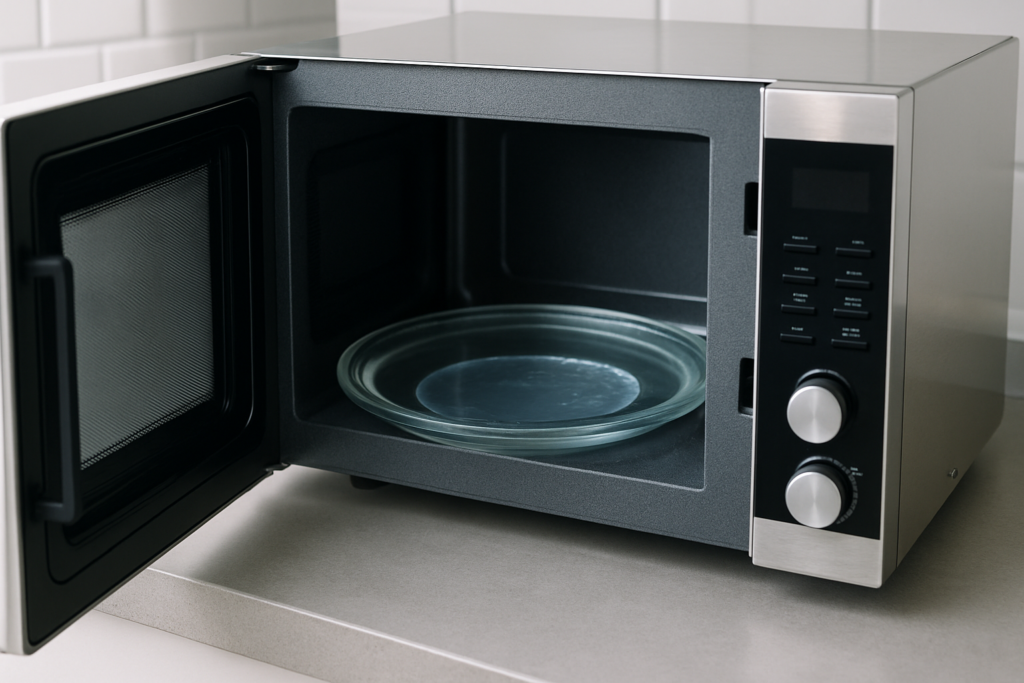
If you’ve noticed water pooling at the bottom of your microwave after cooking, you’re dealing with a drainage issue that’s more common than you might think. While microwaves aren’t typically associated with plumbing problems, many over-the-range models feature a condensation drainage system that can malfunction. When this happens, you’ll find standing water, unpleasant odors, and potentially even mold growth inside your appliance.
The good news is that most microwave drainage problems stem from a few easily fixable causes. Understanding what’s going wrong and how to address it can save you from an expensive service call or premature replacement.
Understanding Your Microwave’s Drainage System
Not all microwaves have drainage systems, but over-the-range models typically do. These units sit above your stove and often include ventilation features that draw steam and moisture from your cooking surface. This moisture needs somewhere to go.
The drainage system collects condensation and directs it through channels and tubes away from the microwave’s interior. Most systems route water down through the unit and out through the back or bottom. When everything works properly, you’ll never notice it’s there.
The system includes several components: drain channels molded into the microwave’s interior, a small pump in some models, drain tubes, and exit points. Any of these can become blocked or malfunction, leading to water accumulation.
Common Causes of Microwave Drainage Problems
Clogged Drain Channels
The most frequent culprit is a simple blockage. Food particles, grease, and mineral deposits accumulate in the drain channels over time. Even small bits of food can create a dam that prevents water from flowing freely.
These blockages often form at bend points in the drainage path or where the channel narrows. You’ll typically find the worst buildup near the drain opening at the bottom of the microwave cavity or in the tubes themselves.
Failed Drain Pump
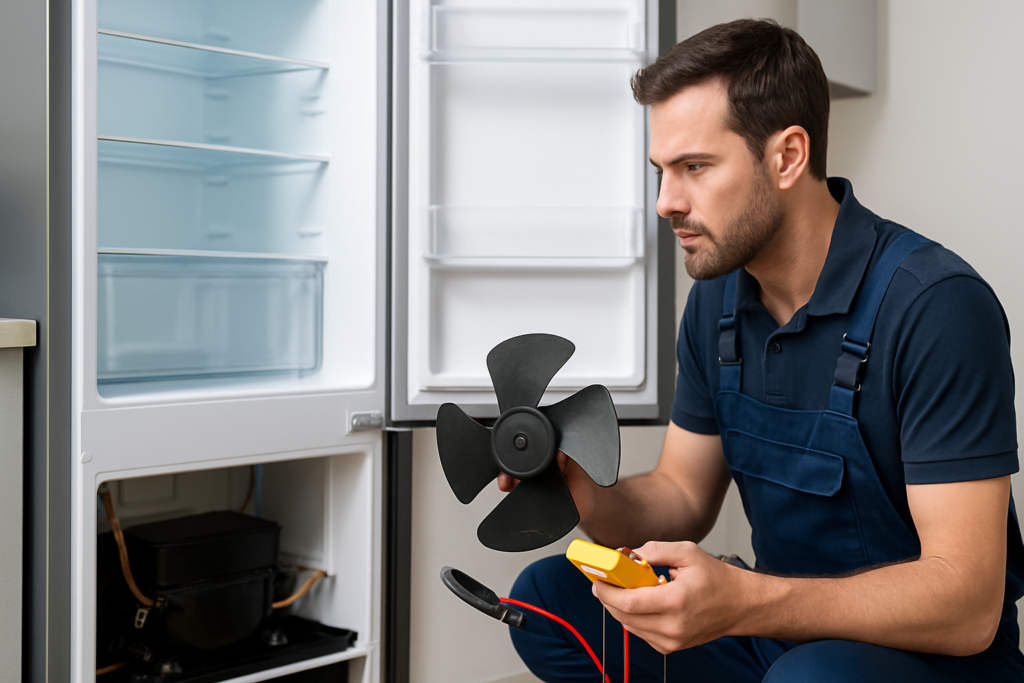
Some microwave models use a small pump to actively move water through the drainage system. If you have a pump-equipped model, its failure will cause immediate drainage issues. You’ll know you have a pump if you hear a faint buzzing or humming sound during or after cooking moist foods.
Pumps can fail due to age, debris jamming the impeller, or electrical issues. A failed pump usually needs replacement rather than repair.
Disconnected or Damaged Drain Tube
The flexible tube that carries water from the microwave to its exit point can become disconnected, kinked, or cracked. This is especially common if your microwave was recently installed or if you’ve had work done on your kitchen cabinets.
Tubes can also deteriorate over time, developing cracks that leak water into your cabinet space instead of directing it properly outside the unit.
Frozen Drain Line
In rare cases, particularly if your microwave vents to the outside in cold climates, the drain line can freeze. This creates an ice blockage that prevents drainage until temperatures rise.
How to Diagnose Your Specific Drainage Issue
Start by unplugging your microwave. Safety first, always. You’ll be working with electrical appliances and water, so eliminate the shock risk.
Open the microwave door and look for standing water. Note where it collects. Most drainage issues leave water pooled in the bottom right or left corner, depending on your model. This tells you where the drain opening is located.
Check the drain opening by removing any visible debris. You can usually spot it as a small hole or slot in the floor of the microwave cavity. Try flushing it with warm water from a turkey baster or syringe to see if water flows through or backs up.
Listen for pump operation. Plug the microwave back in temporarily and heat a cup of water for two minutes. After the cycle ends, listen carefully for a pump activating. If you don’t hear anything and your model should have a pump, that’s your problem.
Inspect accessible tubing. You may need to remove the outer casing to see the drain tubes, but on some models, you can peek underneath or from the back without full disassembly.
Step-by-Step Repair Solutions
Clearing Clogged Drain Channels
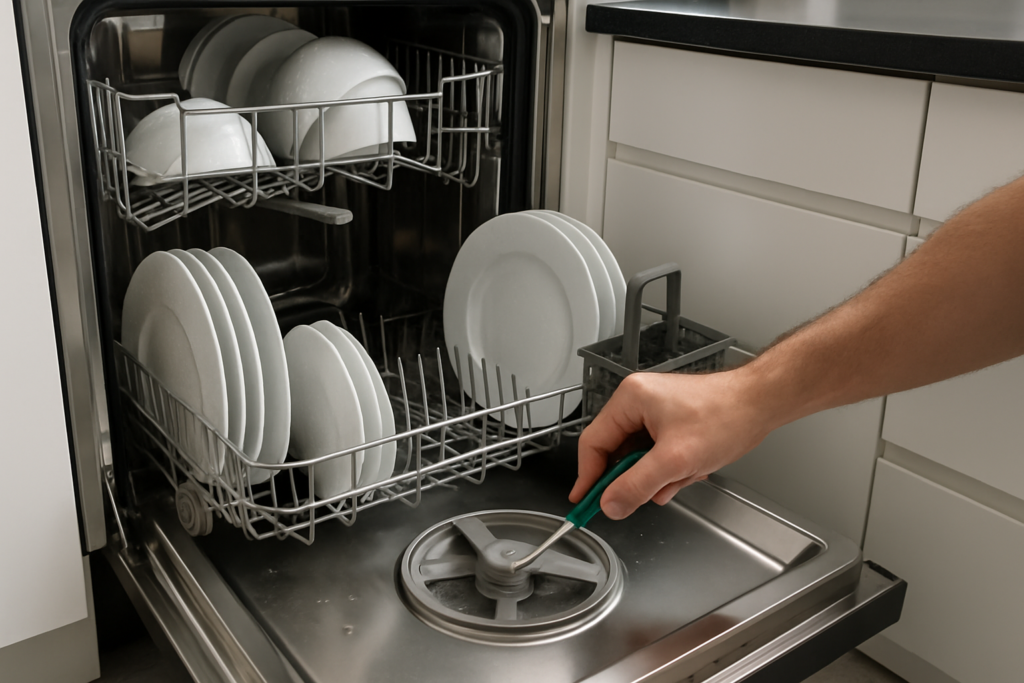
For simple clogs, start with a pipe cleaner or straightened wire hanger. Carefully insert it into the drain opening and work it around to dislodge debris. Be gentle to avoid damaging the channel.
Follow up with a flush of hot water mixed with white vinegar. Use a turkey baster to force the solution through the drain. The vinegar helps dissolve grease and mineral deposits. You may need to repeat this several times.
For stubborn clogs, try a solution of baking soda followed by vinegar. Let it fizz for 15 minutes, then flush with hot water. This combination breaks down organic material effectively.

Flexible Drain Cleaning Brush Set
These small brushes reach into tight drain channels better than improvised tools.
Replacing a Failed Drain Pump
Pump replacement requires opening your microwave’s outer casing. Consult your model’s service manual for specific disassembly instructions. You’ll typically need to remove several screws from the top and sides.
Once inside, locate the pump by following the drain tube from the collection point. The pump will be a small cylindrical or rectangular component with tubes entering and exiting. Disconnect the electrical connector and tube connections.
When ordering a replacement, use your microwave’s exact model number to ensure compatibility. Generic pumps rarely work correctly. Installing the new pump reverses the removal process.

Microwave Drain Pump Replacement Parts
Make sure to match your specific microwave model number for proper fit.
Fixing Tube Issues
Disconnected tubes simply need reattachment. Clean both the tube end and the fitting, then press firmly back into place. Consider using a small zip tie or clamp for extra security if the connection feels loose.
Damaged tubes require replacement. Measure the diameter and length carefully before ordering. Most microwave drain tubes use standard sizing, but verify against your model. When installing the new tube, ensure it has a continuous downward slope with no kinks or loops that could trap water.
Addressing Frozen Lines
If you’ve confirmed a frozen drain line, the immediate fix is warming. Direct warm air from a hair dryer at the exterior vent area where the drain exits. Never use boiling water or excessive heat.
Prevent future freezing by insulating the exterior portion of the drain tube with foam pipe insulation. You can also slightly redirect the drain exit point away from direct cold air exposure.
Preventive Maintenance to Avoid Future Drainage Problems
Monthly cleaning prevents most drainage issues. Run a solution of equal parts water and white vinegar through your microwave’s drain system. Heat the mixture in the microwave, let it sit for five minutes, then use a baster to flush it through the drain.
Wipe down the interior regularly, especially the bottom surface where debris collects. Pay attention to the corners and around the drain opening.
Cover foods during cooking to minimize splatter and condensation. This reduces the amount of material that can enter your drainage system.
Inspect your drain tube annually if accessible. Look for signs of wear, cracks, or loose connections. Catching problems early prevents water damage to your cabinets.
When to Call a Professional
Some drainage problems exceed DIY capabilities. If you’ve cleared obvious blockages and the system still doesn’t drain, you may have internal component failures beyond the pump.
Electrical issues with the pump circuit require professional diagnosis and repair. Working inside the microwave exposes you to high-voltage capacitors that retain dangerous charges even when unplugged. Unless you have specific training in microwave repair, leave electrical troubleshooting to technicians.
Water leaking into your wall or cabinets indicates a serious problem that needs immediate professional attention. This can cause structural damage and mold growth if not addressed quickly.
Models still under warranty should always go to authorized service centers. DIY repairs can void your coverage.
Frequently Asked Questions
Why does water only accumulate after cooking certain foods?
Different foods generate varying amounts of steam and condensation. High-moisture items like soups, sauces, and covered dishes produce more water vapor. If your drainage system operates at its capacity limit, it may handle light condensation fine but overflow with heavy moisture loads. This suggests a partial blockage that should be cleared before it worsens.
Can I just drill a hole in the bottom to let water drain out?
Never drill holes in your microwave. This compromises the unit’s sealed construction, which contains microwave radiation during operation. It also voids warranties and can create electrical hazards. Water draining through an improvised hole will likely damage cabinets and potentially reach electrical components. Fix the existing drainage system properly instead.
How much water in my microwave is normal?
You shouldn’t see any standing water in a properly functioning microwave. Small amounts of condensation on the walls during cooking are normal and should evaporate or drain away within minutes after the cycle ends. If water pools and remains after cooling, you have a drainage problem that needs attention.
Will a clogged drain affect cooking performance?
Not directly. The drainage system handles condensation but doesn’t impact the magnetron or heating elements. However, standing water can eventually cause rust, corrosion, and mold growth. These secondary issues can affect sensors, electrical components, and create health concerns. Additionally, excessive moisture may trigger safety shutoffs in some models.
This article contains affiliate links. We may earn a small commission at no extra cost to you.