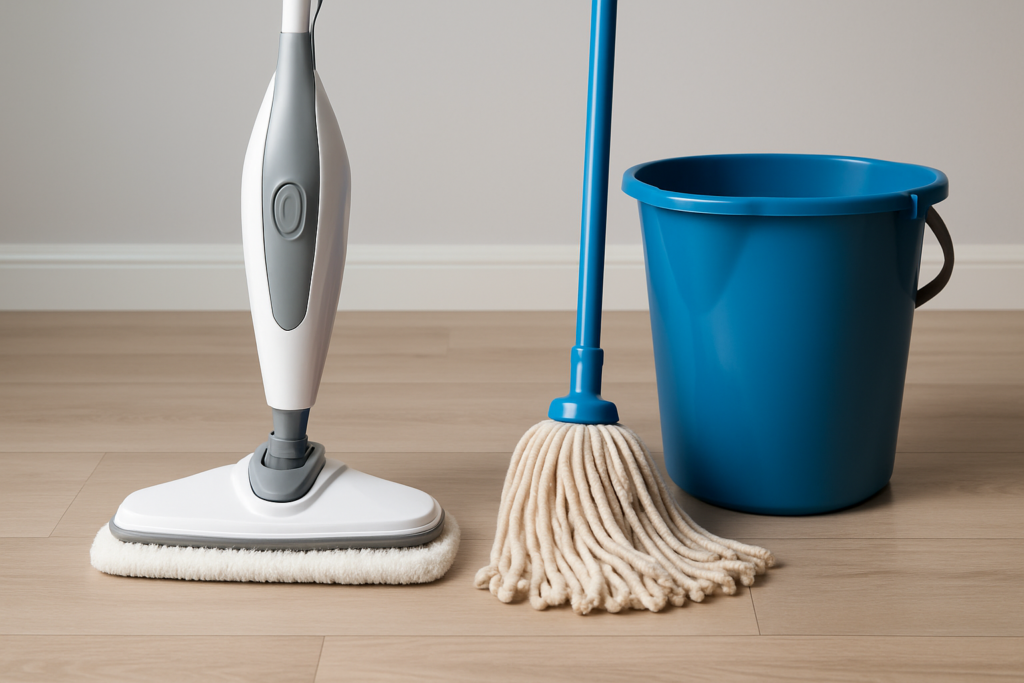
You’re staring at your dirty floors, wondering if it’s time to ditch that old string mop for something more modern. Steam mops have flooded the market with promises of chemical-free cleaning and superior sanitization, but do they actually outperform traditional mopping methods?
After testing both methods extensively, I can tell you the answer isn’t as simple as you might think. Each approach has distinct advantages depending on your specific cleaning needs, floor type, and budget.
Cleaning Power Breakdown
Steam mops excel at sanitization. The high-temperature steam (typically 200-250°F) kills 99.9% of bacteria and germs without chemicals. This makes them particularly effective for homes with pets, kids, or anyone concerned about allergens and pathogens.
Traditional mops with quality cleaning solutions still win for heavy-duty dirt removal. Stubborn stains, sticky spills, and ground-in grime often require the mechanical scrubbing action and chemical power that conventional mopping provides.
I’ve found steam mops work best for regular maintenance cleaning on lightly soiled floors, while traditional methods handle deep cleaning and problem areas more effectively.
Bissell PowerFresh Steam Mop
Popular choice with adjustable steam settings for different floor types
Floor Type Compatibility
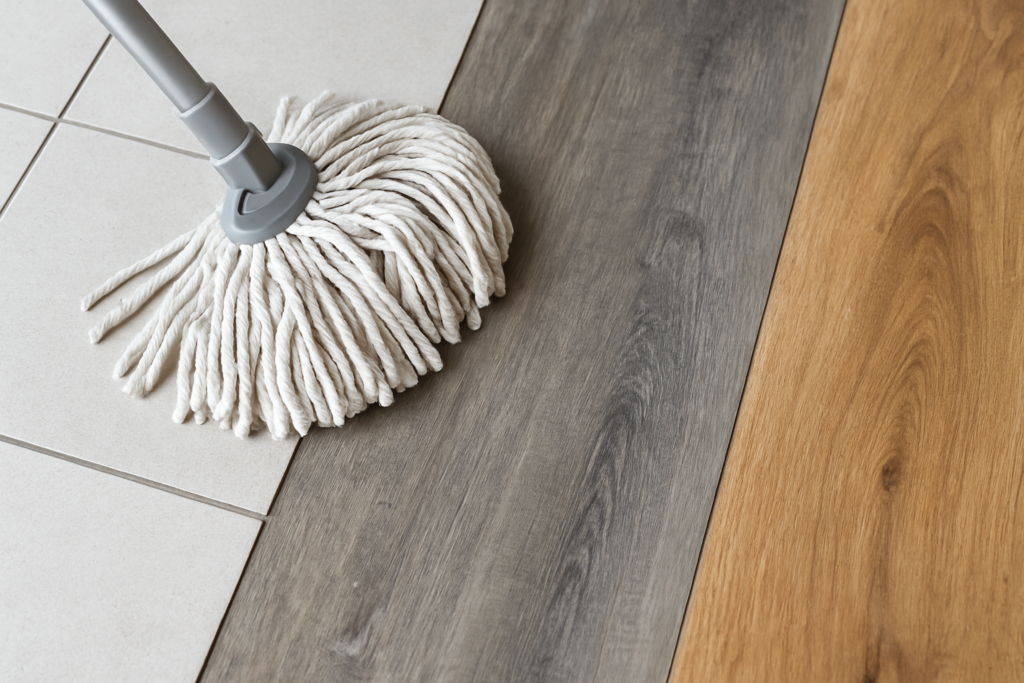
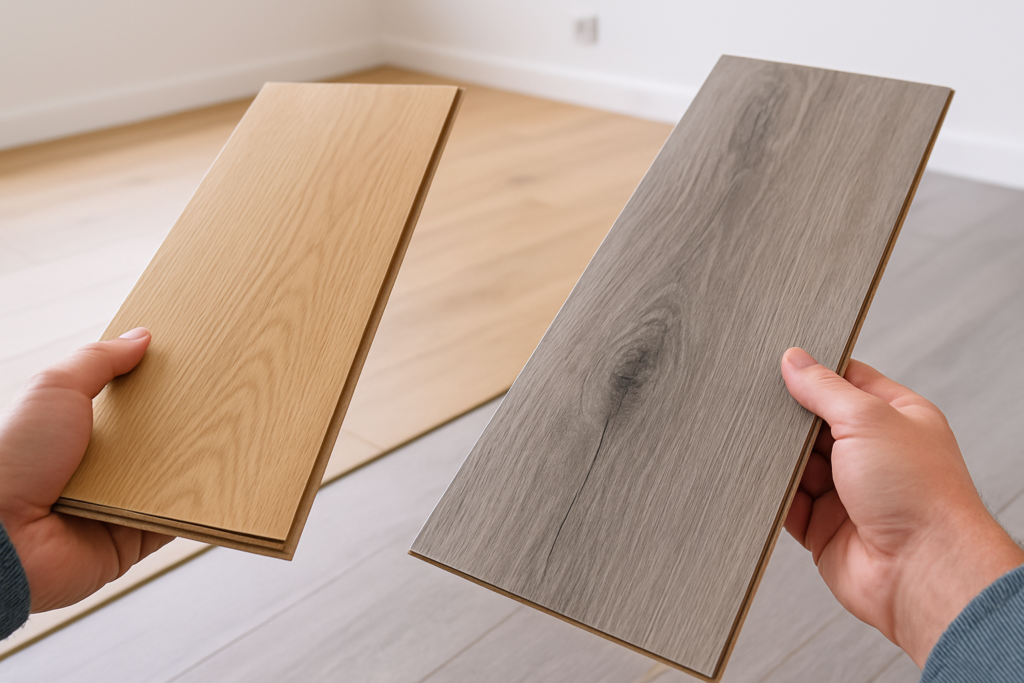
Your flooring material plays a huge role in which method works better. Steam mops are safe for sealed hardwood, tile, laminate, and vinyl floors. However, they can damage unsealed wood, waxed floors, and some delicate surfaces.
Traditional mops offer more versatility. You can adjust cleaning solutions and techniques for virtually any floor type, from natural stone to unfinished wood. This flexibility makes conventional mopping the safer choice for mixed flooring or antique surfaces.
For modern homes with sealed surfaces, steam mops provide excellent results. Older homes with original hardwood or specialty flooring should stick with traditional methods.
Cost and Environmental Considerations
Steam mops require a higher upfront investment but eliminate ongoing chemical costs. You’ll spend more initially but save money over time since water is your only cleaning medium. Replacement pads are the main recurring expense.
Traditional mopping has lower startup costs but ongoing expenses for cleaning products. Quality microfiber mop systems can be quite affordable initially.
From an environmental standpoint, steam mops reduce chemical usage significantly. However, they consume electricity and may have shorter lifespans than simple mop and bucket setups.
O-Cedar EasyWring Microfiber Spin Mop
Top-rated traditional mop system with hands-free wringing
Convenience and Speed
Steam mops heat up in 30-60 seconds and eliminate the need to mix solutions, fill buckets, or dispose of dirty water. They’re ready to go quickly and store compactly.
Traditional mopping involves more setup and cleanup time. You need to prepare cleaning solutions, manage dirty water, and ensure proper disposal. However, you can clean larger areas without stopping to refill water tanks.
For quick touch-ups and small areas, steam mops win on convenience. For whole-house cleaning sessions, traditional methods often prove more efficient.
Which Method Wins?
Steam mops are superior for regular maintenance cleaning, sanitization, and chemical-free households. They work exceptionally well for busy families who want quick, effective cleaning without mixing solutions.
Traditional mops remain the better choice for deep cleaning, versatile floor care, and budget-conscious households. They’re also essential for anyone with unsealed or delicate flooring.
My recommendation? Use both. Keep a lightweight steam mop for weekly maintenance and a quality traditional mop system for monthly deep cleans and problem areas.
Frequently Asked Questions
Can steam mops damage hardwood floors?
Steam mops are safe for sealed hardwood floors but can damage unsealed, waxed, or oil-treated wood. Always check your floor manufacturer’s recommendations before using steam cleaning methods.
Do steam mops really clean without chemicals?
Yes, steam mops use only water heated to high temperatures (200-250°F) to sanitize and clean surfaces. The heat kills bacteria and loosens dirt effectively, though stubborn stains may still require traditional cleaning products.
This article contains affiliate links. We may earn a small commission at no extra cost to you.