There’s nothing quite as frustrating as opening your freezer to find a clump of ice cubes stuck together, or worse, no ice at all. When your ice maker stops spinning, it’s not just an inconvenience. It means warm drinks, last-minute ice runs to the store, and a nagging worry about what’s actually broken inside your freezer.
The good news is that a non-spinning ice maker is usually fixable without calling in a repair technician. Most of the time, you’re dealing with one of three common culprits: a worn-out belt, a faulty motor, or a problematic lid switch. Let’s walk through each issue and how to get your ice maker back in action.
Understanding How Your Ice Maker Works
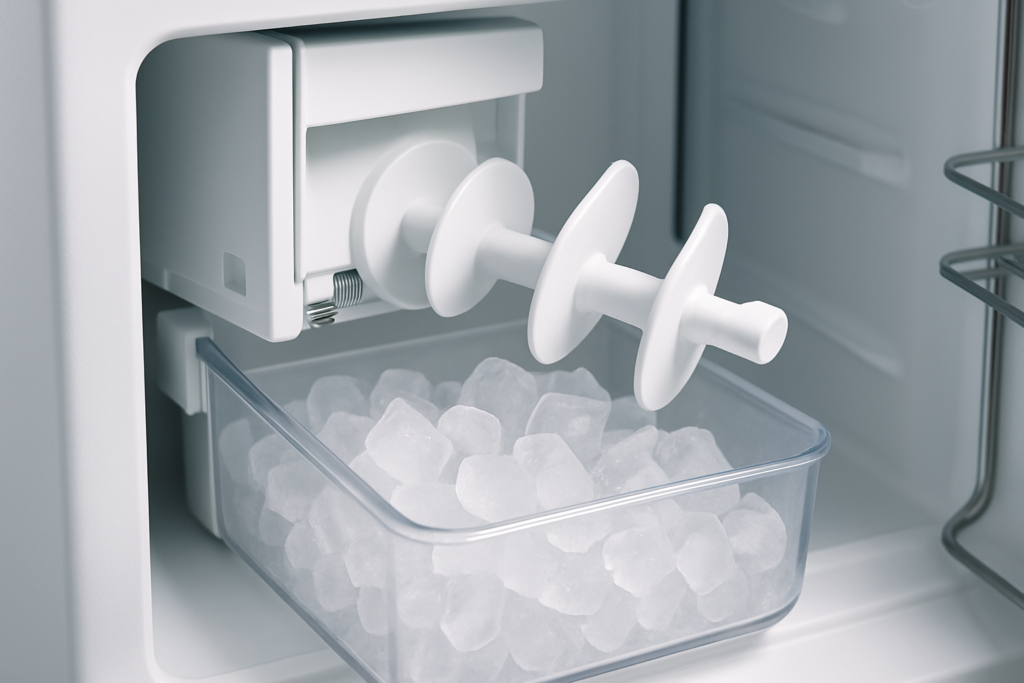
Before you start taking things apart, it helps to know what’s supposed to be happening. Your ice maker has a motor that drives a system of gears or belts, which in turn rotate the ice tray or ejector arm. This spinning motion is what releases the ice cubes once they’re frozen.
When everything works properly, the cycle repeats automatically. Water fills the tray, freezes, the mechanism spins to eject the cubes, and the process starts over. When the spinning stops, the entire cycle breaks down.
Most modern ice makers use either a direct-drive motor system or a belt-driven mechanism. The type you have will determine which parts are most likely to fail and how you’ll need to fix them.
Belt Problems: The Most Common Issue
If your ice maker uses a belt system, this is probably where your problem lies. These rubber belts wear out over time, especially in the constant freeze-thaw environment of your freezer. They can crack, stretch, or snap completely.
You’ll know it’s a belt issue if you hear the motor running but nothing’s moving. The motor spins, but without a functioning belt to transfer that motion, your ice tray stays put.
To check the belt, you’ll need to unplug your refrigerator and remove the ice maker assembly. Look for obvious signs of damage like cracks, glazing, or a belt that’s come off its track. A healthy belt should have some tension and show no visible wear.
Replacing the belt is actually pretty simple once you have the right part. You’ll need to know your refrigerator’s make and model to order the correct replacement belt. Most belts slip right into place without special tools, though you might need a screwdriver to access the assembly.

Ice Maker Belt Replacement Kit
Most kits include multiple belt sizes to fit different models, making it easier to find the right fit.
Motor Failures: When the Heart Stops
The motor is the heart of your ice maker, and like any mechanical component, it can burn out. Motor failures are less common than belt issues, but they do happen, especially in older units that have been running for 5-10 years.
A dead motor usually means complete silence. Unlike a belt problem where you can still hear the motor trying to work, a failed motor gives you nothing. You might also notice a burning smell if the motor overheated before dying.
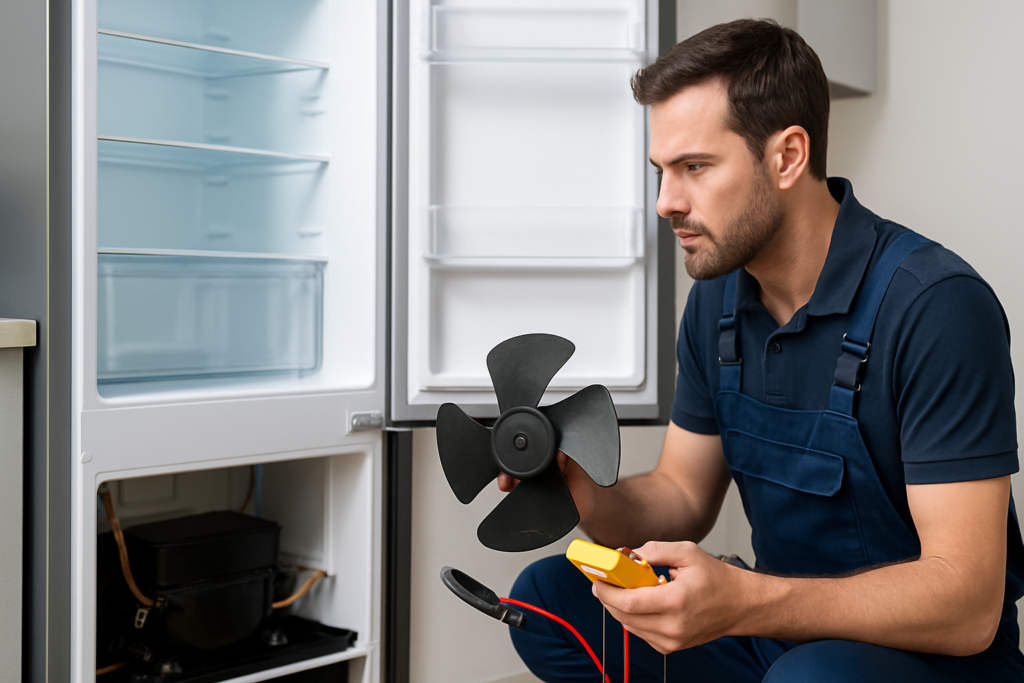
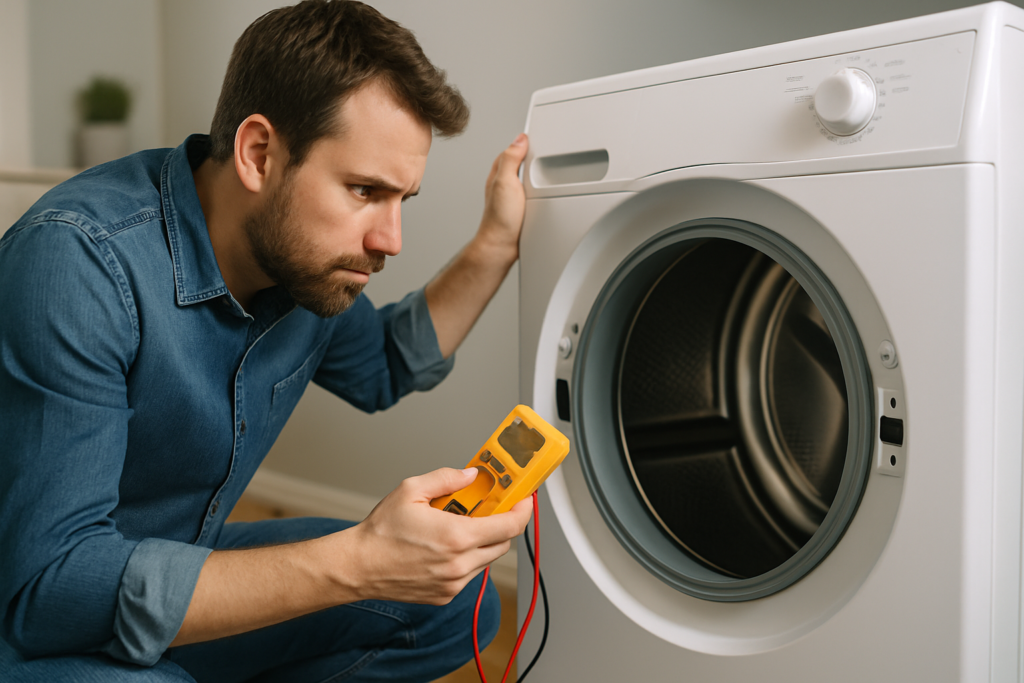
Testing the motor requires a multimeter to check for electrical continuity. Set your multimeter to the resistance setting and touch the probes to the motor terminals. You should get a reading between 200-500 ohms for most ice maker motors. No reading or infinite resistance means the motor is shot.
Replacing the motor is more involved than swapping a belt. You’ll need to disconnect electrical connections, remove mounting screws, and carefully install the new motor in the exact same position. Take photos before you disassemble anything so you remember how it all goes back together.
An ice maker motor replacement specific to your model is critical here. Using the wrong motor can lead to improper operation or even damage other components.
Lid Switch Problems: The Safety Feature That Backfires
Many ice makers, particularly portable and countertop models, have a lid switch that prevents operation when the lid is open. This safety feature keeps the mechanism from spinning when someone’s reaching in for ice. But when the switch fails, your ice maker thinks the lid is always open.
Lid switch failures typically happen due to physical damage or wear on the switch contacts. You might notice that pressing or jiggling the lid makes the ice maker work intermittently. This is a dead giveaway that the switch is on its way out.
To test the lid switch, locate it near the lid hinge or latch. With the unit unplugged, disconnect the switch and test it with a multimeter for continuity. Press the switch button. You should see continuity when pressed and no continuity when released. Reversed readings or no change means you need a new switch.

Ice Maker Lid Switch Replacement
Universal switches work for many models and are typically easier to install than OEM parts.
Replacing a lid switch is usually the easiest of these three repairs. Most switches mount with a single screw or clip and have simple two-wire connections. Just make sure you match the wire colors when reconnecting the new switch.
Other Issues to Check Before Replacing Parts
Before you order parts and start repairs, rule out some simpler problems. Sometimes what looks like a mechanical failure is actually something much easier to fix.
Check if the ice maker is actually getting power. A tripped circuit breaker or blown fuse can make it seem like your ice maker is broken. Test the outlet with another appliance to confirm power is reaching the unit.
Ice buildup can also physically block the spinning mechanism. Remove the ice bin and look for chunks of ice or frost blocking the ejector arm or tray. A hairdryer on low heat can help melt away stubborn ice buildup, but never use sharp objects that could damage plastic components.
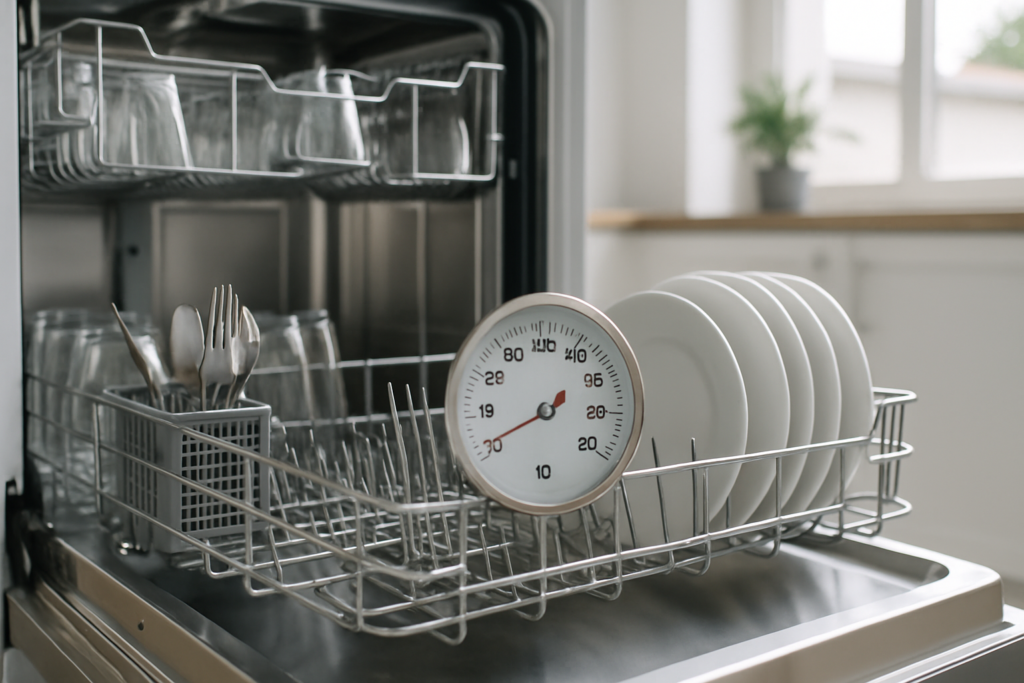
Temperature problems can prevent proper operation too. Your freezer needs to maintain 0-5 degrees Fahrenheit for the ice maker to work correctly. Warmer temperatures mean ice won’t freeze properly, and the ice maker might not cycle as expected.
Finally, check for a jammed ejector arm. Sometimes a misshapen ice cube or piece of debris gets caught in the mechanism. Turn off the ice maker, manually rotate the ejector arm through a complete cycle, and feel for any resistance or obstructions.
When to Call a Professional
Most ice maker spinning problems are DIY-friendly, but some situations call for professional help. If you’ve replaced the belt, motor, and switch but still have problems, there could be an electrical issue in the control board or wiring.
Built-in ice makers that are part of expensive refrigerators sometimes require specialized tools or knowledge of refrigerant systems. If your repair involves anything touching the cooling system, call a technician. Puncturing a refrigerant line turns a simple repair into a very expensive problem.
Water line issues can also masquerade as mechanical problems. If water isn’t reaching the ice maker properly, it might not cycle correctly. This often requires tracing plumbing through walls or floors, which can be complicated.
Frequently Asked Questions
How long should an ice maker motor last?
Most ice maker motors last 5-10 years with regular use. High-quality units in refrigerators that don’t work as hard can last even longer. Portable ice makers that run constantly tend to burn through motors faster. If your ice maker is older than 10 years and the motor fails, consider replacing the entire unit rather than just the motor.
Can I use a universal belt instead of an OEM part?
Sometimes, but it’s risky. Universal belts might fit the pulleys but have different tension or thickness specifications. This can lead to premature wear or improper operation. OEM belts are specifically designed for your model’s torque and speed requirements. The small cost difference usually isn’t worth the potential headaches of using the wrong belt.
Why does my ice maker work sometimes but not others?
Intermittent operation usually points to a loose connection or a component that’s failing but not completely dead. Check all electrical connections for corrosion or looseness. A lid switch that’s worn but not totally broken can cause this symptom. Temperature fluctuations in your freezer can also cause intermittent ice production, as the ice maker needs consistent cold to operate properly.
This article contains affiliate links. We may earn a small commission at no extra cost to you.