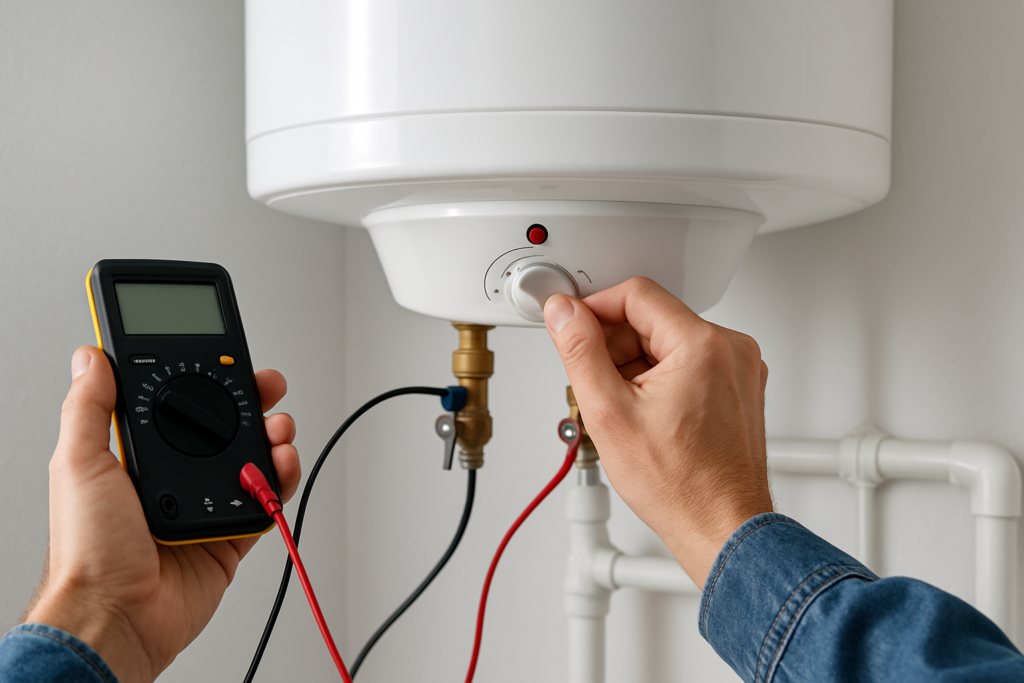
Few things are worse than discovering your water heater has stopped working, especially when you’re ready for a hot shower on a cold morning. A water heater that won’t turn on can bring your entire household to a standstill, but the good news is that many of these issues are easier to fix than you might think.
Before you call an expensive plumber, you can troubleshoot several common problems yourself. This guide will walk you through the most frequent reasons why water heaters fail to turn on and give you clear, actionable steps to get yours working again.
Check Your Power Supply First
The most overlooked cause of a non-functioning water heater is simply a lack of power. Before you start dismantling anything, verify that your water heater is actually receiving electricity or gas.
For electric water heaters, check your home’s circuit breaker panel. A tripped breaker is incredibly common and takes seconds to fix. Look for any switches in the “off” position or sitting halfway between on and off. Reset the breaker by flipping it fully off, then back on again.
If the breaker trips again immediately, you’ve got a more serious electrical problem that requires professional attention. This could indicate a short circuit or ground fault inside the water heater itself.
For gas water heaters, make sure the gas valve is in the “on” position. It sounds basic, but someone might have accidentally turned it during cleaning or maintenance. You should also verify that your home’s main gas supply is active and that the pilot light is lit.
The Reset Button Could Be Your Quick Fix
Electric water heaters have a high-temperature cutoff switch, usually with a red reset button located behind a removable panel on the upper thermostat. This safety feature shuts off power to prevent dangerous overheating.
To reset it, first turn off the circuit breaker feeding your water heater. Remove the access panel and any insulation covering the thermostat. You’ll see a red button, sometimes recessed. Press it firmly until you hear or feel a click.
Replace the insulation and panel, then restore power at the breaker. If the button trips again within a few hours, you’re dealing with a malfunctioning thermostat or heating element that needs replacement.
Keep in mind that frequent tripping indicates something is causing your water heater to overheat. This isn’t normal operation and shouldn’t be ignored. Common culprits include a faulty thermostat, a grounded heating element, or sediment buildup in the tank.
Blown Fuses and Faulty Circuit Breakers
Sometimes the problem isn’t the water heater itself but the electrical components protecting it. A blown fuse or defective circuit breaker can cut power without any visible signs.
If you have an older home with a fuse box instead of circuit breakers, inspect the fuses that control your water heater. A blown fuse will have a blackened window or a broken metal strip inside. Replace any blown fuses with the exact same amperage rating.
Circuit breakers can fail internally even when they appear to be in the correct position. If you’ve reset the breaker multiple times and your water heater still won’t turn on, test the breaker with a multimeter or have an electrician check it. A faulty breaker might not trip visibly but still fails to conduct electricity properly.
You should also inspect the wiring at both the breaker panel and the water heater connection point. Look for signs of corrosion, burning, or loose connections. Any damaged wiring needs immediate professional repair.
Failed Heating Elements Are Common Culprits
Electric water heaters typically have two heating elements: one near the top of the tank and one near the bottom. When one or both fail, you might have no hot water at all or only a small amount before it runs cold.
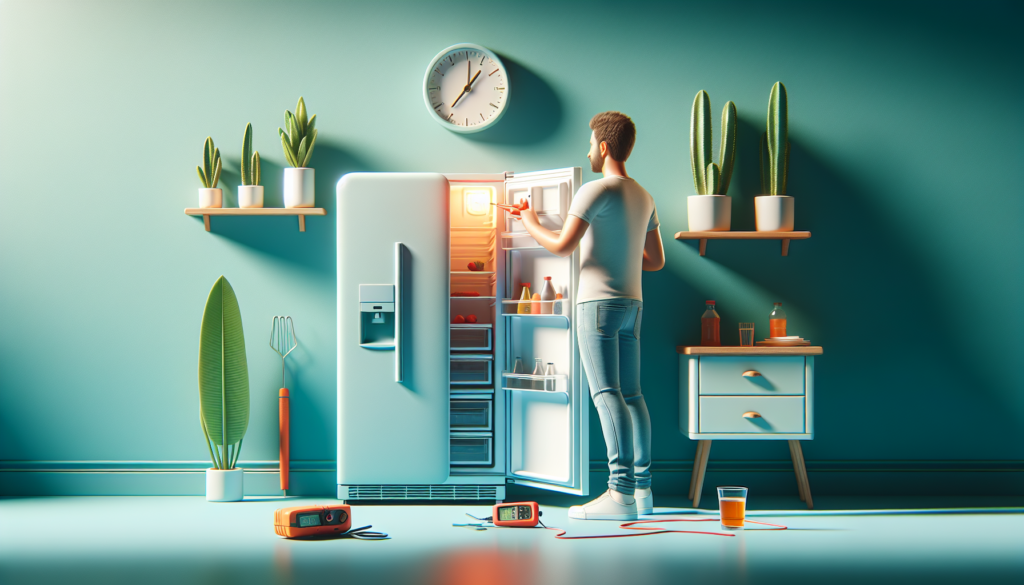
Testing heating elements requires a multimeter and basic electrical knowledge. With power off at the breaker, remove the access panels and disconnect one wire from the element. Set your multimeter to measure resistance (ohms). A functioning element should show between 10 and 30 ohms, depending on its wattage. No reading or infinite resistance means the element is burned out.

Water Heater Heating Element
Replacement heating elements are essential when your old ones burn out and stop producing hot water.
Replacing a heating element is actually doable for homeowners with basic tools. You’ll need an element wrench (a specialized socket tool), a new element that matches your tank’s voltage and wattage, and a garden hose to drain the tank.
Make sure you get the right element for your specific water heater model. Elements come in different wattages (typically 3500W, 4500W, or 5500W) and voltages (120V or 240V). Check your water heater’s data plate for exact specifications.
Thermostat Malfunctions Can Stop Everything
The thermostat controls when your heating elements turn on and off. When it fails, your water heater might not heat at all or might heat constantly until the high-limit switch trips.
Electric water heaters usually have two thermostats: an upper and a lower. The upper thermostat controls power to both elements and is the more critical of the two. A failed upper thermostat means no hot water production whatsoever.
Testing thermostats requires turning off power and using a multimeter to check for continuity through various terminals. This gets technical quickly, and many homeowners find it easier to replace a suspected bad thermostat rather than testing it extensively.
When replacing a thermostat, take a photo of the wire connections before disconnecting anything. The wiring configuration matters, and mixing up connections can prevent your water heater from working or even create safety hazards.
You can find replacement thermostats that fit most standard electric water heaters. Just match the voltage rating to your unit.
Gas Water Heater Specific Issues
Gas water heaters have their own set of potential problems. The pilot light is the first thing to check. If it’s out, you won’t get any hot water. Most modern gas water heaters have electronic ignition systems, but many older units still use standing pilots.
To relight a pilot, turn the gas control valve to “pilot,” press and hold the pilot button, and use a long lighter to ignite the pilot flame. Keep holding the button for about 30 seconds after the pilot lights to allow the thermocouple to heat up. Then release the button. If the pilot stays lit, turn the valve to “on.”
If the pilot won’t stay lit, you likely have a faulty thermocouple. This safety device senses the pilot flame and keeps the gas valve open. When it fails, the gas supply shuts off as a safety measure. Replacing a thermocouple is relatively simple and inexpensive.

Water Heater Thermocouple
A faulty thermocouple is the most common reason a pilot light won’t stay lit.
Another common issue with gas water heaters is a blocked or dirty burner assembly. If you see a yellow or orange flame instead of a crisp blue one, the burner needs cleaning. Sediment, dust, and debris can clog the burner ports over time.
The gas control valve itself can also fail, though this is less common. If you’ve ruled out the pilot, thermocouple, and burner issues, a malfunctioning gas valve might be preventing gas flow to your heater. This repair typically requires professional service.
Sediment Buildup and Its Hidden Effects
While sediment buildup doesn’t directly prevent a water heater from turning on, it can cause overheating that triggers the high-limit switch. Minerals in your water settle at the bottom of the tank, forming an insulating layer between the heating element and the water.
This forces the heating element to work harder and get hotter than intended. Eventually, the high-limit switch detects dangerous temperatures and shuts everything down. You’ll find yourself repeatedly pressing the reset button with only temporary success.
Draining your water heater annually helps prevent sediment accumulation. Connect a garden hose to the drain valve, run it to a floor drain or outside, and open the valve. Let several gallons flush out to remove settled minerals.
For severe sediment buildup, you might need to flush the tank multiple times or even use a water heater descaling solution to dissolve stubborn deposits. In extreme cases, sediment can harden into a cement-like layer that makes flushing ineffective.
When to Call a Professional
Some water heater problems are beyond DIY repair. If you’re uncomfortable working with electricity or gas, calling a licensed plumber or electrician is always the right choice. Your safety is more important than saving a few dollars.
You should definitely call a professional if you smell gas around your water heater, see visible damage to the tank or pipes, notice water pooling around the unit, or if the circuit breaker trips repeatedly even after you’ve checked everything.
Tank leaks can’t be repaired and mean you need a complete water heater replacement. Similarly, if your water heater is more than 10-12 years old and having multiple problems, replacement often makes more financial sense than repeated repairs.
Professional diagnosis makes sense when you’ve tried the basic troubleshooting steps and still can’t identify the problem. A qualified technician has specialized tools and experience to quickly pinpoint issues that would take you hours to figure out.
Frequently Asked Questions
Why does my water heater keep tripping the reset button?
Repeated tripping usually indicates either a faulty thermostat, a grounded heating element, or excessive sediment buildup causing overheating. The high-limit switch is doing its job by preventing dangerous temperatures. You need to identify and fix the underlying cause rather than just resetting it repeatedly. Test your thermostats and heating elements, and flush the tank to remove sediment.
How can I tell if my heating element is bad?
The most reliable method is testing with a multimeter. A good element shows resistance between 10-30 ohms, while a failed element shows no continuity (infinite resistance) or very low resistance indicating a short. You might also notice the element has visible damage, corrosion, or breaks. If you have some hot water but it runs out quickly, the bottom element has likely failed.
Can I replace water heater parts myself?
Many water heater repairs are within the capabilities of homeowners who are comfortable with basic electrical or plumbing work. Replacing heating elements, thermostats, and thermocouples are common DIY projects. However, you must turn off power or gas before working, follow all safety procedures, and consult local building codes. Some jurisdictions require licensed professionals for certain repairs.
How long should a water heater last?
Traditional tank water heaters typically last 8-12 years with proper maintenance. Tankless models can last 15-20 years. Factors affecting lifespan include water quality, frequency of maintenance, proper sizing for your household, and quality of installation. Regular flushing, anode rod replacement, and prompt repair of minor issues can extend your water heater’s life significantly.
This article contains affiliate links. We may earn a small commission at no extra cost to you.