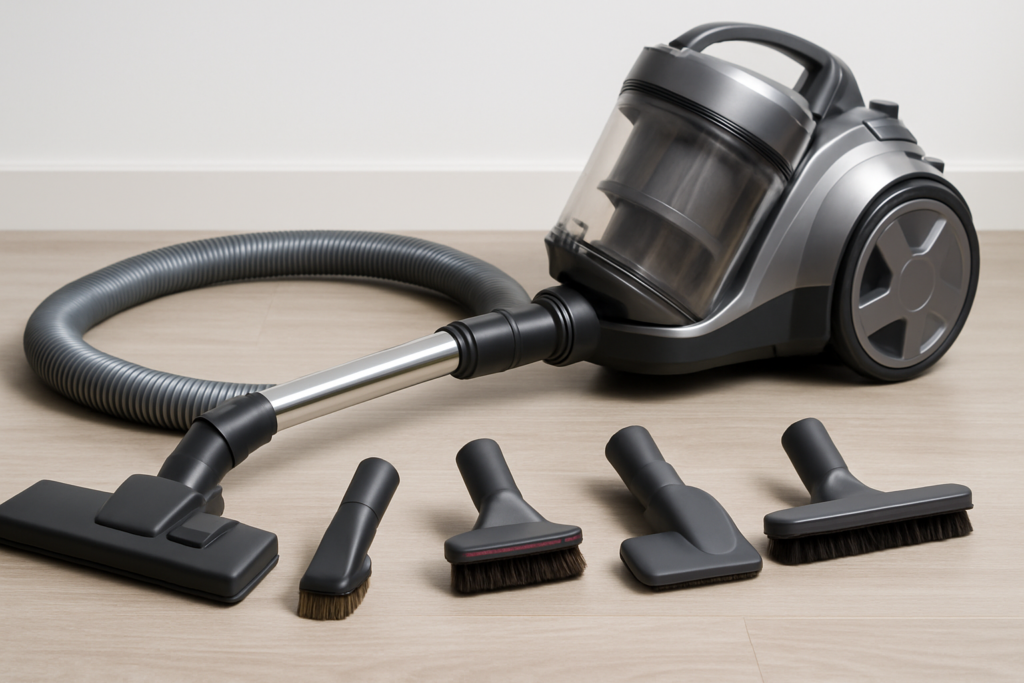
You probably have a closet or drawer somewhere filled with vacuum attachments you’ve never touched. Most vacuum cleaners come with at least four or five different tools, and honestly, it’s not always clear what half of them are supposed to do. Some look nearly identical, while others seem purpose-built for cleaning scenarios you’ll never encounter.
But here’s the reality: a few of these attachments can seriously improve your cleaning routine, while others just take up space. Let’s break down the most common vacuum tools, what they actually do, and which ones deserve a permanent spot in your cleaning arsenal.
The Crevice Tool: Your Tight Space Specialist
This is the long, flat attachment with a narrow opening at the end. You’ll recognize it immediately because every vacuum on the planet includes one.
The crevice tool excels at getting into tight spaces where your main vacuum head can’t reach. Think along baseboards, between couch cushions, in the tracks of sliding doors, and around radiators. The tapered design concentrates suction into a smaller area, making it surprisingly powerful for pulling out debris from narrow gaps.
I use mine constantly for car interiors. The space between the seat and center console is basically engineered to trap crumbs and change, and the crevice tool handles it perfectly. It’s also excellent for window sills and the corners where your walls meet the floor.
This is one attachment you definitely need. Don’t lose it, and if yours breaks, replace it immediately. You can find universal crevice tools that fit most vacuum models.
Dusting Brush: Gentler Than You Think
The dusting brush is the round attachment with soft bristles radiating outward. It looks a bit like a tiny push broom attached to your vacuum.
This tool is designed for delicate surfaces where you need suction without scratching or damaging anything. The soft bristles gently dislodge dust while the vacuum pulls it away. Use it on lampshades, picture frames, bookshelves, blinds, and decorative objects.
I find it particularly useful for electronics. Your computer keyboard, TV screen surround, and speaker grills all collect dust, and the dusting brush cleans them without causing damage. It’s also great for vents and ceiling fans, where you want to remove dust without spreading it everywhere.
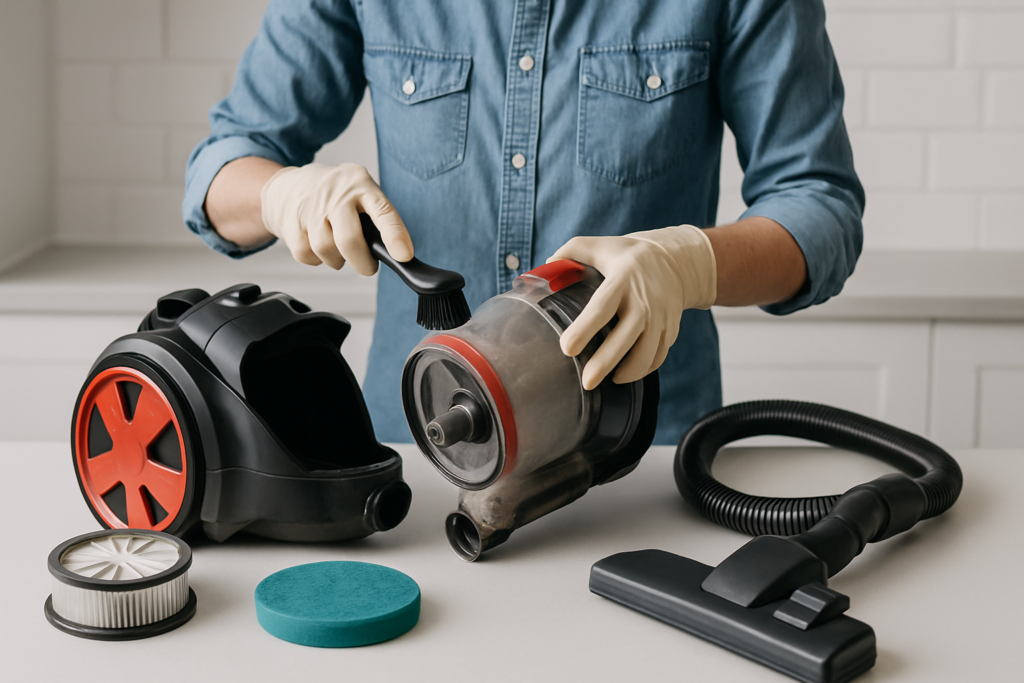
One tip: give the bristles a quick clean every few months. They pick up hair and fibers that reduce their effectiveness. A quick rinse under warm water and they’re good as new.
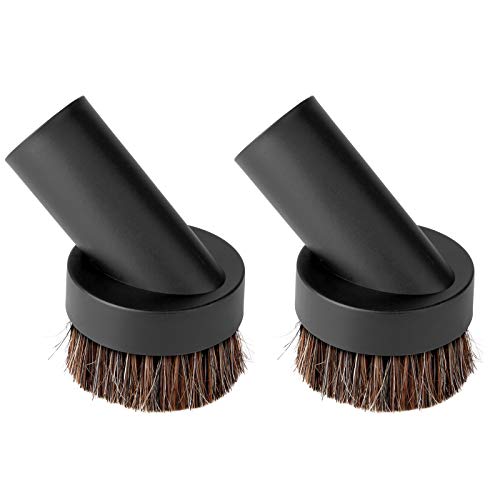
Universal Vacuum Dusting Brush Set
Soft bristles make this perfect for delicate surfaces and electronics throughout your home
Upholstery Tool: Wide and Purpose-Built
This attachment is wider than the crevice tool and usually has a removable fabric strip or rubber edge. Some models include both options.
The upholstery tool is specifically designed for fabric surfaces like couches, chairs, mattresses, and curtains. The wider opening covers more surface area than other attachments, and the fabric strip (when included) helps lift embedded hair and lint from upholstered surfaces.
The version with a rubber squeegee edge is particularly effective on pet hair. The rubber creates static that pulls hair away from fabric, making it much easier to vacuum up. If you have cats or dogs, this becomes an essential tool rather than an optional one.
For mattresses, I recommend using this attachment every time you change your sheets. You’d be surprised how much dead skin, dust mites, and general debris accumulates on mattresses. A quick vacuum with the upholstery tool takes two minutes and genuinely improves sleep quality for allergy sufferers.
Turbo Brush (Motorized Brush Tool): The Pet Hair Solution
The turbo brush looks like a miniature version of your vacuum’s main floor head. It has a rotating brush roll, though on some models it spins from air pressure rather than a motor.
This tool is designed for one primary purpose: removing embedded hair from upholstery, stairs, and car interiors. The rotating brush agitates fabric fibers and pulls out hair that regular suction alone can’t grab.
If you don’t have pets and don’t have long hair yourself, you can probably skip this one. But for pet owners, it’s incredibly useful. I use mine weekly on the living room couch where my dog sleeps, and the amount of hair it pulls out is honestly kind of shocking.
The air-powered versions (sometimes called turbine tools) work well enough for light pet hair. The motorized versions with dedicated power are more effective but usually cost more and only come with higher-end vacuums. For replacement or upgrade options, check out turbo brush attachments designed for pet hair removal.
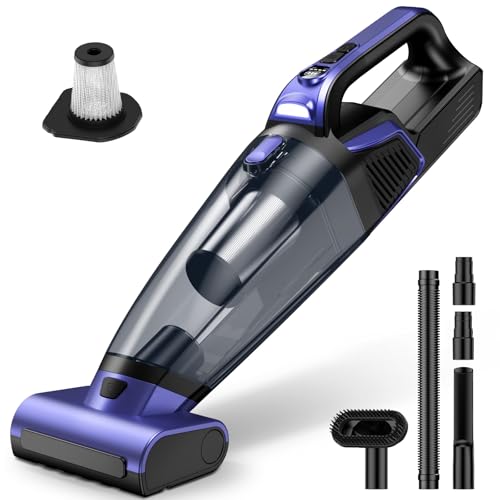
Mini Motorized Pet Hair Vacuum Attachment
The rotating brush makes quick work of embedded pet hair on furniture and car seats
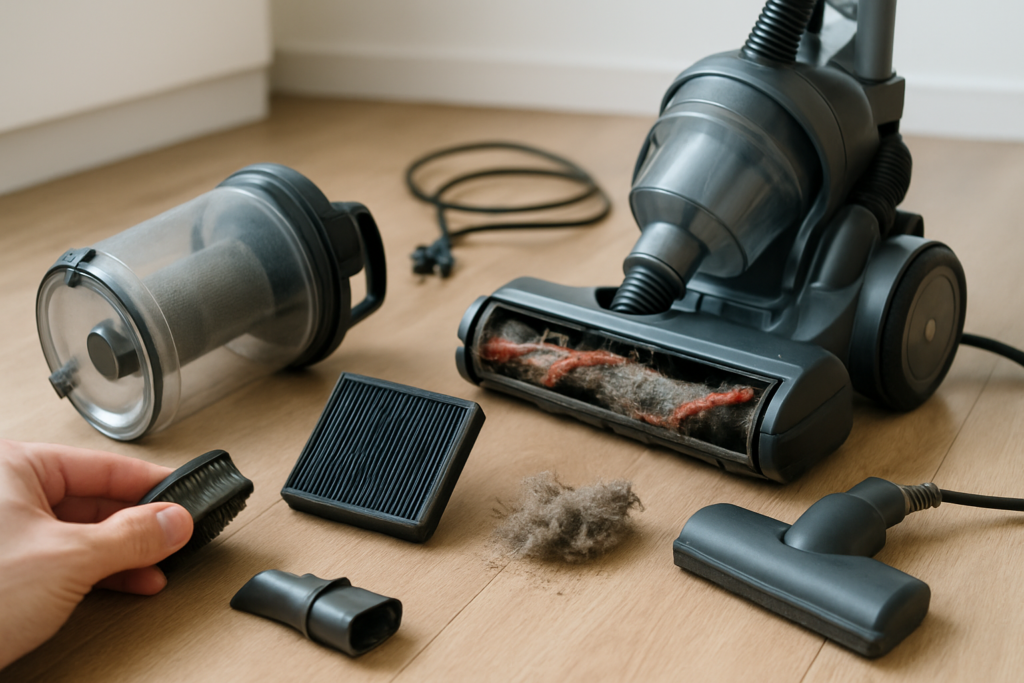
One maintenance note: you need to clean the brush roll regularly. Hair wraps around it and reduces effectiveness. Most models have a removable cover that lets you cut away tangled hair with scissors.
Extension Wands and Flexible Hoses: Reach Matters
While not technically attachments, extension wands dramatically improve the usefulness of all your other tools. Most vacuums come with at least one rigid wand that extends your reach.
The combination of extension wands plus the right attachment lets you clean ceiling corners, tops of cabinets, and high shelves without dragging out a ladder. I keep a dusting brush attached to my extension wand specifically for cobwebs in ceiling corners.
Flexible hose extensions are less common but incredibly useful for awkward angles. The behind-the-toilet area, underneath low furniture, and tight spaces in closets all become accessible with a flexible extension. You can find flexible vacuum hose attachments that connect to most standard vacuum wands.
Less Common Tools You Might Actually Need
Some vacuums include specialized attachments that seem weird until you actually need them.
The mattress tool is wider and flatter than the standard upholstery tool, designed specifically for large flat surfaces. If you have allergies or asthma, this tool paired with regular mattress vacuuming makes a noticeable difference.
Radiator tools are extremely narrow and flat, designed to fit between the fins of old-style radiators. If you have radiator heating, this tool is essential. If you don’t, you’ll never use it.
Stubborn dirt tools have stiff rubber or plastic bristles instead of soft ones. They’re designed for dried-on dirt in garages, mudrooms, and workshop areas. Most people don’t need this, but if you do heavy-duty cleaning in non-carpeted areas, it’s useful.
What You Actually Need (The Honest Assessment)
For most households, you need exactly three attachments: the crevice tool, the dusting brush, and the upholstery tool. These three cover 95% of above-floor cleaning situations you’ll encounter.
Add the turbo brush if you have pets or long hair. It’s not essential otherwise, but if you need it, you really need it.
Everything else is situational. Keep the specialized tools if they came with your vacuum, but don’t feel bad about storing them away. You’re not failing at cleaning just because you’re not using every attachment.
If you’ve lost attachments over the years or bought a used vacuum without them, consider getting a universal vacuum attachment kit. These typically include the essential tools at a reasonable price point.
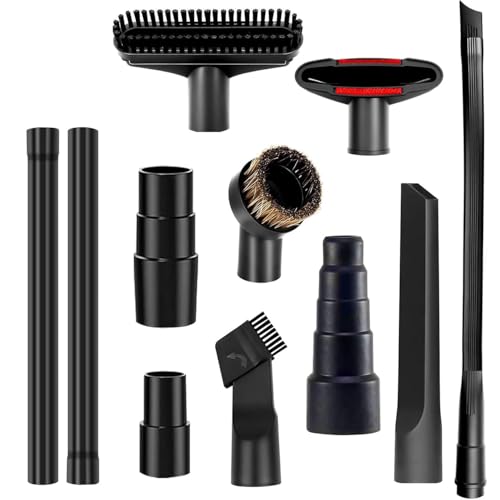
Universal Vacuum Attachment Kit
A complete set of the essential tools that fit most vacuum brands and models
Storage and Organization Tips
Having the right attachments doesn’t help if you can’t find them when you need them. I learned this after spending 10 minutes searching for the crevice tool while crumbs sat on my couch mocking me.
Most modern vacuums have onboard storage clips for at least two attachments. Keep your most-used tools there. For me, that’s the crevice tool and dusting brush.
For the rest, a small hanging organizer in your cleaning closet works well. You can also use a magazine holder or small plastic bin. Just keep everything in one place so you’re not hunting through multiple storage areas.
Label your attachments if multiple people in your household use the vacuum. Not everyone instinctively knows the difference between the upholstery tool and the dusting brush, and a small label solves the confusion.
Frequently Asked Questions
Can I use vacuum attachments from different brands interchangeably?
Sometimes, but not always. Many attachments use a standard 1.25-inch or 1.5-inch connection that fits across multiple brands. Universal attachment kits are designed to fit most vacuums. However, some brands use proprietary connections, particularly Dyson and some Shark models. Check the diameter of your vacuum’s wand or hose before buying third-party attachments.
How often should I clean my vacuum attachments?
Clean them whenever you notice reduced suction or visible debris buildup. For the crevice tool and dusting brush, this usually means every month or two. Rinse them with warm water and let them dry completely before reattaching. The turbo brush needs more frequent attention because hair wraps around the roller. Check it weekly if you have pets, and cut away tangled hair with scissors.
Do I need different attachments for hardwood floors versus carpet?
Your main vacuum head should have settings or separate heads for different floor types. The attachments we discussed are primarily for above-floor cleaning and work the same regardless of your floor type. The one exception is if you’re using a handheld vacuum on floors, in which case a wider floor brush attachment helps cover more area efficiently.
Are expensive attachments worth buying separately?
For most people, the attachments that came with your vacuum are sufficient. The exception is motorized pet hair tools if your vacuum didn’t include one and you’re struggling with embedded pet hair. These can make a significant difference and justify the additional investment. Otherwise, stick with what you have or buy affordable universal replacements when needed.
This article contains affiliate links. We may earn a small commission at no extra cost to you.